
New BWS Trailers For Sale
Have new bws trailer to sell? List it here to reach thousands of buyers.
New BWS Trailers
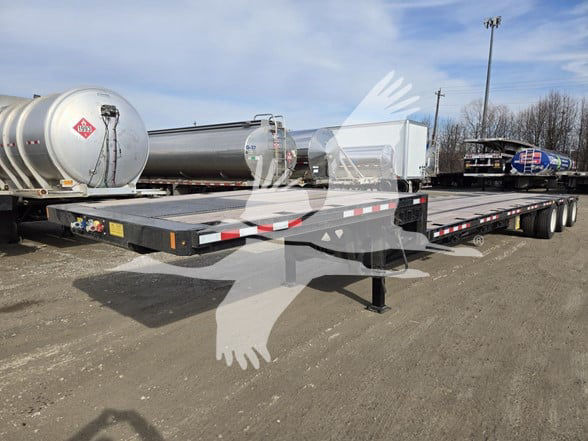
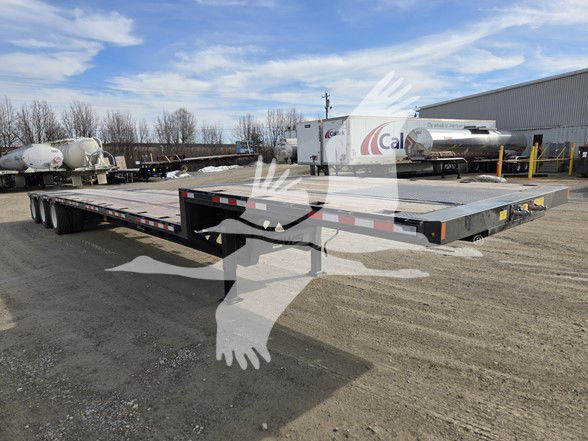
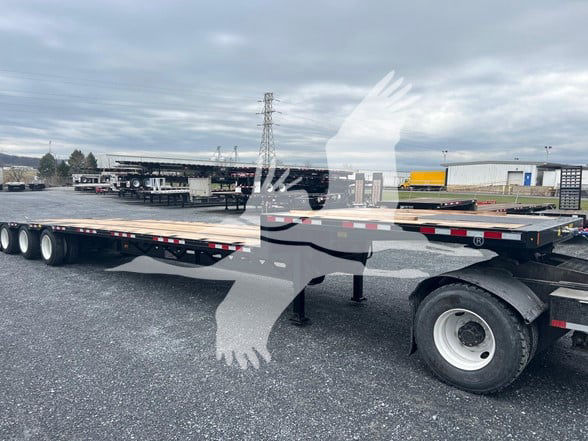
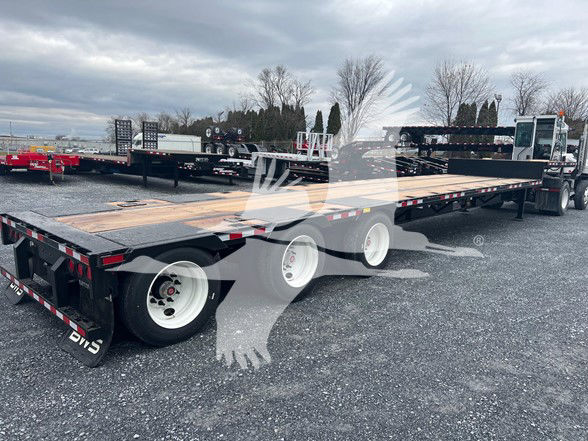
A common configuration in this category is the 48-foot steel drop deck, also known as a step deck trailer, with a 102-inch legal width, roughly 11-foot top deck, and about 37 feet of main deck. Main deck height around 40 to 41 inches is a useful benchmark because it directly affects loaded height on taller equipment. Many new BWS trailers in this class use 1 1/8-inch Apitong flooring, 4-inch I-beam crossmembers on 16-inch centers, and steel channel side rails. Buyers hauling concentrated loads should pay close attention to beam ratings, crossmember spacing, and deck construction, especially if coils, steel products, or compact equipment are part of the freight mix.
Tri-axle layouts with air ride suspension are common on BWS drop decks, often paired with a center lift axle, Ridewell suspension components, and a 61-inch axle spread. That setup can help balance payload demands with tire wear, bridge compliance, and maneuverability. Details like an 18-inch kingpin setting, two-speed landing gear, steel wheels, and 255/70R22.5 or 275/70R22.5 tires are typical commercial-grade specs. Securement equipment also matters in this category. Features such as roadside winch tracks, sliding winches, stake pockets, pipe spools, and multiple pairs of 4-way chain slots make a real difference for fleets that handle mixed freight from jobsite deliveries to agricultural or industrial loads.
When comparing new BWS trailers for sale, focus less on paint and more on application fit. Check deck length versus the cargo you actually haul, verify swing clearance for tractor compatibility, and review whether the trailer includes a coil package, dump valves, additional electrical receptacles, aluminum air tanks, and the tiedown layout your drivers prefer. A steel BWS drop deck generally makes the most sense for buyers who prioritize ruggedness, repairability, and repeat heavy service over chasing the lightest empty weight. If your freight profile includes taller loads, dense cargo, or frequent chain securement, this category deserves a close look.
Frequently Asked Questions about New BWS Trailers
What are the most common specs on new BWS drop deck trailers?
Many new BWS drop deck trailers are built in a 48-foot overall length with 102-inch width, an 11-foot top deck, and a main deck around 36 feet 11 inches to 37 feet long. Common features include steel construction, 1 1/8-inch Apitong flooring, tri-axle air ride suspension, a center lift axle, and commercial securement equipment such as sliding winches, winch tracks, stake pockets, pipe spools, and 4-way chain slots.
Is a BWS steel drop deck a good choice for heavy freight?
A steel BWS drop deck is typically a strong fit for heavy-duty open-deck work because steel construction favors durability, structural strength, and straightforward repairability. Buyers hauling machinery, steel products, palletized building materials, or other dense cargo often prefer steel trailers when beam strength, tiedown confidence, and long-term service life matter more than achieving the lowest tare weight.
Why does a tri-axle with a lift axle matter on a new trailer?
A tri-axle configuration with a center lift axle can improve payload flexibility and help a trailer match different load and road conditions. When fully loaded, the additional axle can support heavier cargo and assist with axle weight distribution. When empty or lightly loaded, lifting an axle can help reduce tire scrub and wear. Buyers should still confirm local bridge laws, permit requirements, and axle spread rules for their operating area.
What should I look at when comparing new BWS trailers for sale?
Start with the freight you haul most often. Deck height, deck length, axle configuration, kingpin setting, and securement layout should all match the job. Check for features like coil packages, dump valves, beam ratings, crossmember spacing, swing clearance, and tire size. It is also worth reviewing side rail design, chain slot count, winch arrangement, and flooring material because those details affect daily usability more than cosmetic differences.
What is the difference between a drop deck trailer and a flatbed trailer?
A drop deck trailer, also called a step deck trailer, has an upper deck and a lower main deck, which allows taller freight to ride lower than it would on a standard flatbed. That lower deck height can make it easier to stay within legal overall height limits without sacrificing cargo capability. A standard flatbed has one continuous deck height, which can be simpler for some loads but offers less vertical advantage for taller equipment or materials.