
New BWS Drop Deck Trailers For Sale
Have new bws drop deck trailer to sell? List it here to reach thousands of buyers.
New BWS Drop Deck Trailers
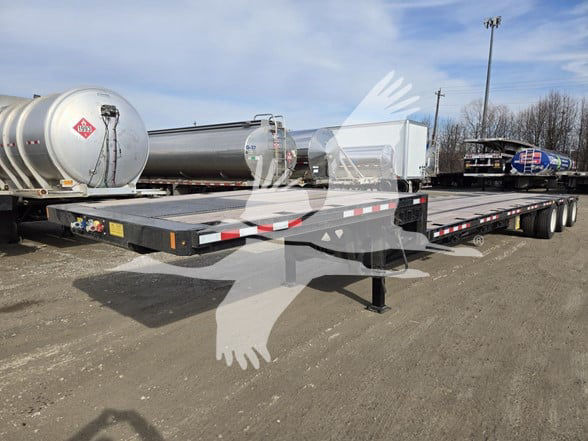
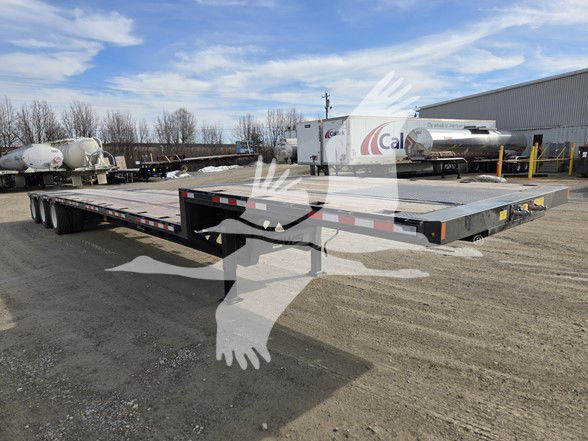
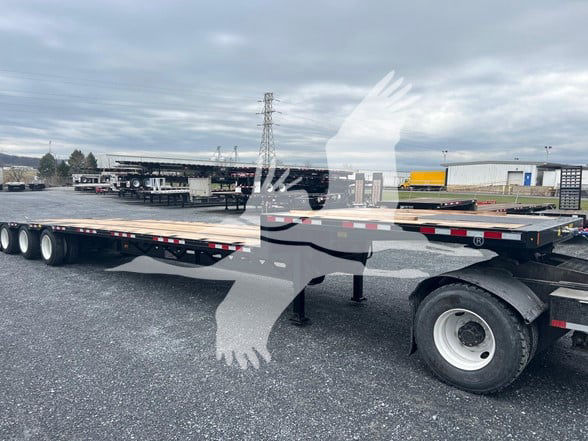
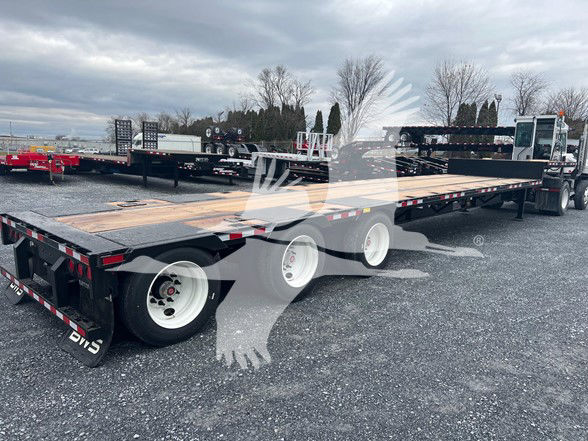
On BWS units in this category, the most common configuration is a 48-foot by 102-inch steel drop deck with an 11-foot top deck and roughly 37-foot main deck. Main deck height is typically around 40 to 41 inches, which is an important number if your lanes regularly involve taller jobsite equipment or stacked material. Tri-axle layouts are common, often with a center lift axle, and air ride suspension from brands like Ridewell is a practical spec for load protection and axle management. Buyers should pay close attention to kingpin setting, axle spacing, swing clearance, beam rating, and overall empty weight, because those details affect bridge compliance, maneuverability, and payload more than the basic trailer length does.
Deck construction and cargo securement are where these trailers earn their keep. A 1 1/8-inch Apitong floor is a proven choice for concentrated loads and repeated forklift traffic. Steel front and rear members, steel channel side rails, 4-inch I-beam crossmembers on 16-inch centers, and coil package options point to a trailer intended for mixed freight and hard use. Roadside winch tracks, sliding winches, double pipe spools, and multiple pairs of 4-way chain slots give a driver several securement options for different cargo shapes. If your operation hauls steel coils, bundled material, or machinery with awkward tie-down points, the layout and spacing of chain slots and winches matter just as much as the published weight rating.
A new BWS drop deck is often a strong fit for fleets that want a durable steel trailer with straightforward specs and broad freight versatility. Features like two-speed landing gear, aluminum air tanks, dump valves, rear receptacles, and lift axle configurations can make day-to-day use easier depending on the loads and the states you run. Before buying, match the trailer to your freight profile first: deck height for cargo height, axle setup for bridge and weight distribution, floor and crossmember structure for forklift and point-load demands, and securement package for the commodities you haul most often. That approach usually tells you more than brand or price alone.
Frequently Asked Questions about New BWS Drop Deck Trailers
What is the main advantage of a BWS drop deck trailer compared with a standard flatbed?
The main advantage is lower deck height. A drop deck trailer, also called a step deck, lets you haul taller freight while staying closer to legal overall height limits than a standard flatbed. That matters for equipment, crated machinery, stacked materials, and other loads that would sit too high on a straight deck. It also gives you two deck sections, which can help with load placement and securement.
What specs matter most when buying a new BWS drop deck trailer?
The most important specs are main deck height, deck length split, axle configuration, empty weight, beam rating, and securement layout. Main deck height affects what freight you can haul legally. Axle count, spacing, and lift axle setup affect bridge compliance and payload management. Beam rating and crossmember spacing matter for concentrated loads like machinery or steel. Chain slots, winch track, and sliding winches matter for how efficiently the trailer handles your actual commodity mix.
Are tri-axle BWS drop deck trailers better for heavy hauling?
A tri-axle drop deck can be a better choice when your freight regularly pushes axle weights or requires better load distribution. The extra axle can help with heavier legal payloads and can improve flexibility on state-permitted or bridge-sensitive routes. It does add complexity, tire cost, and some tare weight, so it is usually most beneficial for operations that consistently haul dense freight rather than lighter general commodity loads.
Why is Apitong flooring commonly used on drop deck trailers?
Apitong is widely used because it holds up well under repeated loading, concentrated weight, and forklift traffic. On a drop deck, the floor often sees rough treatment from steel, machinery, lumber, and palletized freight. A thicker Apitong floor helps with durability and load support, especially when paired with strong crossmember spacing and a properly rated frame. For buyers comparing trailers, floor material is not a cosmetic spec. It directly affects service life and repair frequency.
What types of freight are commonly hauled on a BWS drop deck trailer?
Common freight includes construction equipment, agricultural machinery, steel products, lumber, building materials, palletized freight, and oversized or over-height cargo that will not fit as easily on a standard flatbed. Many fleets use drop decks as all-around open-deck trailers because they can handle both general freight and taller specialized loads. The best fit depends on deck height, securement package, and whether the trailer is set up for coils, machinery, or general commodity work.