
New Atoka Trailers For Sale
Shop new Atoka trailers, including RGN and lowboy models built for heavy haul with durable steel frames, Apitong decking, and axle options.
Have new atoka trailer to sell? List it here to reach thousands of buyers.
New Atoka Trailers
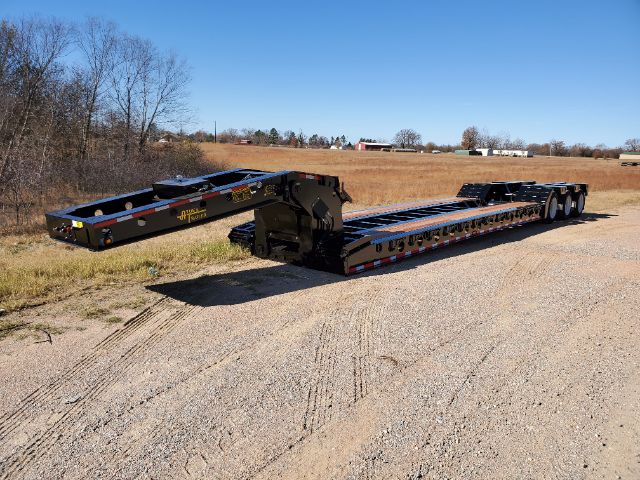
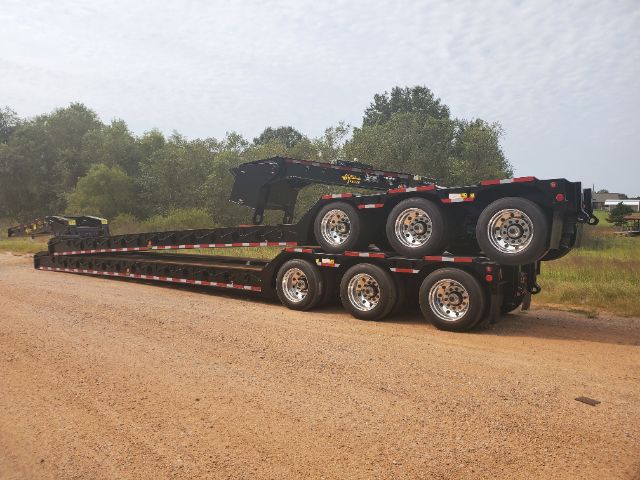
For most buyers, the key decision starts with deck layout and capacity. Common Atoka lowboy setups include a 53-foot overall length with a 26-foot well, 102-inch legal width, and tri-axle configurations, with provisions for a fourth axle on some builds. That combination fits a broad range of regional and over-the-road heavy equipment work. Main deck and rear deck height matter because they affect loaded height, bridge clearance, and machine compatibility. A low well deck paired with a steel frame and Apitong lumber flooring is a common spec because it balances structural strength with a durable, serviceable deck surface.
Suspension, neck operation, and running gear deserve close attention on a new Atoka trailer. Air ride suspension is common on this class of trailer and helps protect both trailer structure and cargo over rough roads. Hydraulic detachable neck systems may be configured for wetline operation from the truck or with a self-contained pony motor, often a Honda unit, which adds flexibility if the trailer may be pulled by different tractors. Buyers should also look at axle spacing, tire size, brake components, lighting, outriggers, D-rings, and dump valve setup. Details like LED lighting, auto slack adjusters, low-profile 22.5 tires, and a Hendrickson suspension package can make a real difference in service life, ease of maintenance, and roadside uptime.
Atoka trailers generally appeal to operators who want practical heavy-haul equipment without unnecessary complexity. When comparing listings, focus on legal payload strategy, neck style, well length, rear deck height, and whether the trailer is already set up for axle expansion or permit-type loads. If your work includes mixed equipment, pay attention to loading angle, deck traction, tie-down layout, and the capacity of the neck and concentrated load zones, not just the gross rating on paper. A well-spec'd Atoka RGN or lowboy can be a strong fit for contractors, owner-operators, and specialized fleets that need a dependable trailer for everyday equipment transport.
Frequently Asked Questions about New Atoka Trailers
What is an Atoka RGN trailer used for?
An Atoka RGN trailer is used for hauling heavy equipment and over-height machinery that benefit from a low deck and drive-on loading. Common loads include excavators, dozers, skid steers, rollers, pavers, and agricultural equipment. Because the gooseneck detaches, machines can be loaded from the front instead of climbing ramps, which improves safety and makes loading easier for tracked or low-clearance equipment.
What specs matter most when buying a new Atoka lowboy trailer?
The most important specs are overall length, well length, axle count, suspension type, deck height, width, and gooseneck configuration. A 53-foot overall trailer with a 26-foot well and 102-inch width is a common setup for general heavy-haul work. Buyers should also review whether the trailer has air ride suspension, fourth axle provisions, Apitong decking, outriggers, D-rings, and a wetline or self-contained neck system, because those features directly affect load flexibility, permitting options, and long-term operating cost.
Why is Apitong flooring common on heavy-haul trailers like Atoka RGNs?
Apitong is commonly used because it is a dense hardwood that holds up well under repeated equipment loading. It offers good durability, resists wear better than many softwood deck materials, and provides a solid surface for steel tracks and rubber tires. On a heavy-haul trailer, Apitong is valued because it can take concentrated machine loads while still being serviceable when sections need replacement.
Is a tri-axle Atoka trailer enough, or should I look for fourth axle provisions?
A tri-axle setup is often enough for contractors and fleets hauling medium to heavy equipment within standard operating ranges, but fourth axle provisions add flexibility for heavier loads and changing permit requirements. If your work includes larger excavators, crushers, or other concentrated loads, a trailer built to accept an additional axle can give you more options later. Even if the extra axle is not installed immediately, having the provisions in place can improve resale appeal and future-proof the trailer.
What is the difference between a wetline neck and a self-contained pony motor on an Atoka detachable gooseneck trailer?
A wetline neck uses hydraulic power supplied by the tractor, while a self-contained pony motor uses its own onboard engine and hydraulic system to operate the neck. A wetline setup can be simpler if the trailer is always matched with a properly equipped tractor. A self-contained system adds independence and can be useful when the trailer may be moved between different trucks that do not all have wet kits installed.