
Atoka Trailers For Sale
Browse Atoka trailers for sale, including RGN and lowboy models built for heavy haul work with durable frames, deep wells, and practical spec options.
Selling a atoka trailer? List your atoka trailer for sale and reach thousands of commercial buyers.
Atoka Trailers
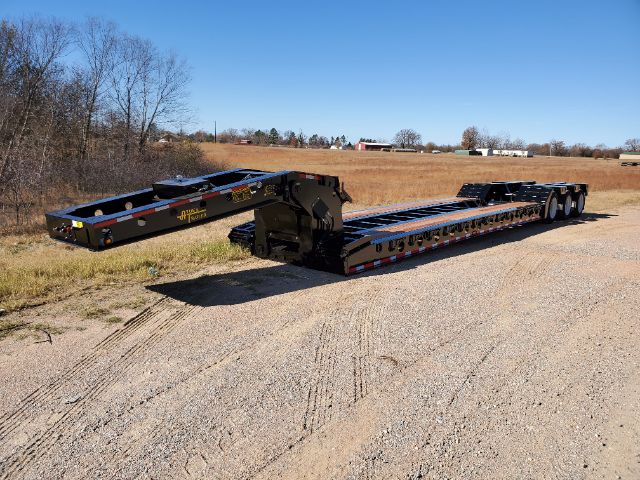
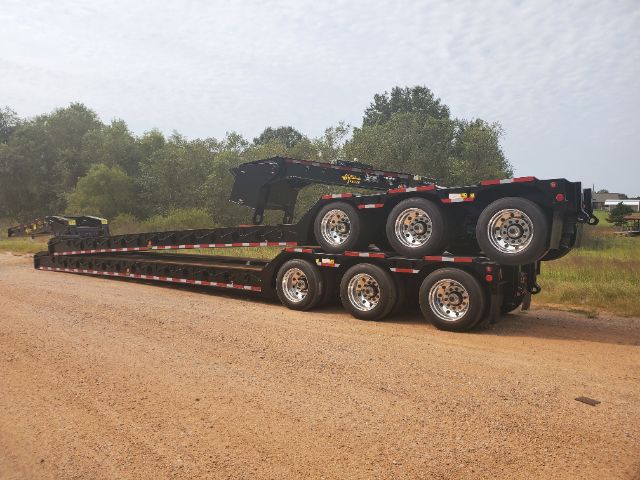
Frame construction and deck materials are important on Atoka trailers because these units are often used in punishing regional haul cycles. T1 high-tensile steel frames, Apitong flooring, outriggers, D-rings, and LED lighting are common features buyers expect in a serious lowboy spec. Suspension choice also matters. Air ride suspensions from suppliers such as Hendrickson can improve ride quality for certain loads, while axle provisions for a fourth axle can help fleets that need more flexibility for heavier machines or changing state bridge requirements. Tire size, axle track, and low-profile rubber should be reviewed closely if the goal is the lowest possible loaded height.
Gooseneck configuration is another key decision point. Some Atoka RGN trailers are set up for hydraulic wetline operation, while others may include a self-contained pony motor such as a Honda unit. That affects how easily the trailer can be matched to different tractors in a mixed fleet. Buyers should also verify loaded approach angle, neck design, and detach system condition, since those details directly affect how efficiently machines can be loaded in the field. On used units, pay attention to crossmember condition, neck bushings, deck wear, suspension components, brake lining life, and signs of frame repair around concentrated stress points.
For many buyers, Atoka trailers appeal because they are straightforward work trailers with practical heavy equipment hauling specs. They are commonly used to transport excavators, dozers, compactors, pavers, loaders, and other tall or concentrated-weight machines that require a low deck and stable platform. If your operation runs across multiple states, it is worth comparing axle group spacing, deck heights, and attachment points against the dimensions and weight profile of your regular loads. The right Atoka trailer spec is less about brand familiarity and more about matching the trailer’s well, neck, axle package, and deck construction to the equipment you move every day.
Frequently Asked Questions about Atoka Trailers
What type of trailer is Atoka most commonly associated with?
Atoka is commonly associated with heavy haul lowboy and RGN trailers, also called removable gooseneck trailers. These trailers are designed for hauling construction and industrial equipment that is too tall or too heavy for a standard flatbed. Their low deck height helps keep loaded equipment within legal height limits, and the detachable neck allows self-propelled machines to be driven onto the deck from the front.
What specs matter most when comparing Atoka lowboy trailers?
The most important specs are overall length, well length, loaded deck height, width, axle count, axle spacing, suspension type, and gooseneck setup. Buyers should also look at frame material, deck flooring such as Apitong, rear deck height, and whether the trailer has outriggers or provisions for an additional axle. These details determine what equipment the trailer can legally and safely carry, and they affect permit planning, loading angle, and compatibility with your tractors.
Is a self-contained pony motor better than a wetline setup on an Atoka RGN?
It depends on how the trailer will be used. A wetline setup is common in dedicated heavy haul operations where tractors are already equipped to run hydraulic functions, and it can simplify maintenance by using the tractor’s hydraulic system. A self-contained pony motor gives more flexibility because the trailer can be paired with tractors that do not have a wet kit. That can be valuable in mixed fleets or when tractors are reassigned often.
What kind of equipment is typically hauled on an Atoka lowboy or RGN trailer?
These trailers are commonly used for excavators, bulldozers, wheel loaders, asphalt pavers, rollers, skid steers, and similar off-road machinery. The low deck and detachable neck are especially useful for tall equipment or machines with steel tracks. Buyers should compare the trailer’s well length, weight rating, and deck height against the dimensions and operating weight of their most frequent loads rather than shopping by brand name alone.
What should I inspect on a used Atoka trailer before buying?
Focus on the structural and running gear components first. Check the frame rails, neck area, crossmembers, and deck for cracks, repairs, or distortion. Inspect suspension parts, brake components, tires, hubs, and axle alignment, and verify that the detach system operates correctly. Also review the condition of the wood deck, lighting, tie-down points, and any hydraulic components. On a heavy haul trailer, wear in the neck and frame matters far more than paint or cosmetic appearance.