
2027 Trailers For Sale in New Mexico
Shop 2027 trailers for sale in New Mexico, including flatbeds, lowboys, dump trailers, and reefers with specs that fit regional hauling.
Selling a 2027 trailer? List your 2027 trailer for sale and reach thousands of commercial buyers.
2027 Trailers in New Mexico
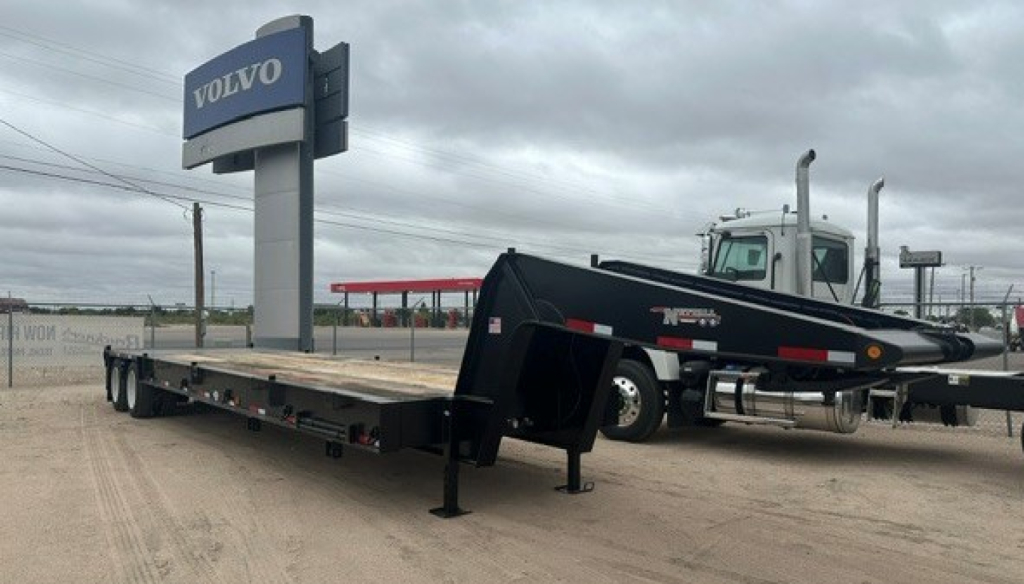
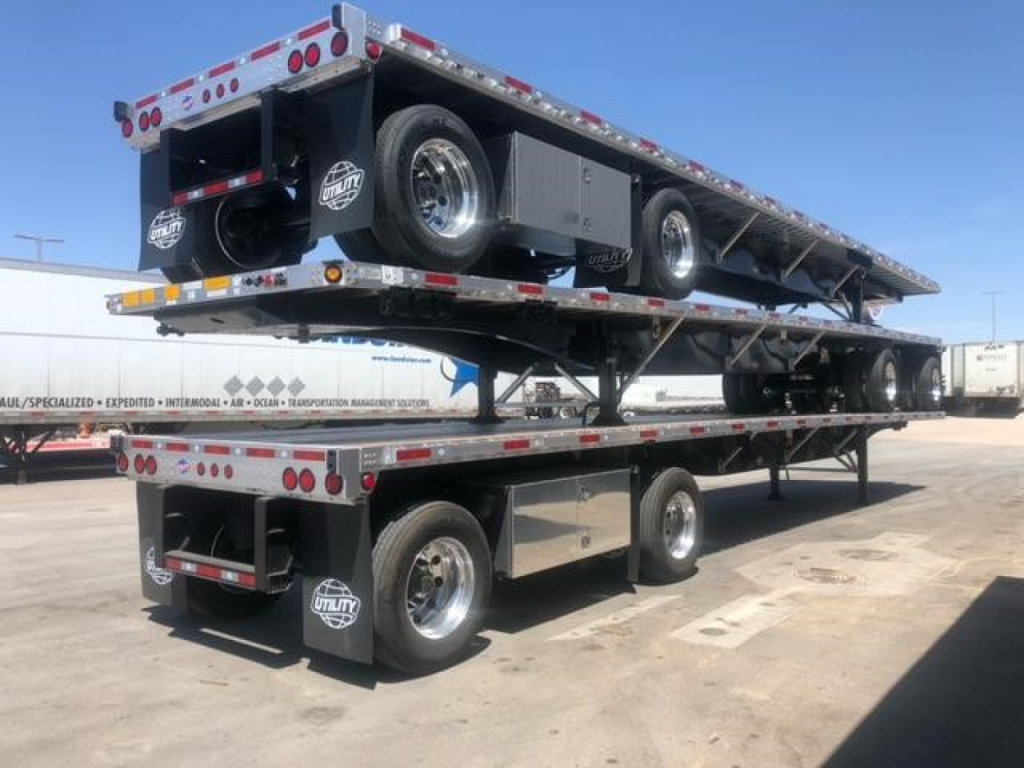
Flatbeds, lowboys, dump trailers, and reefers all solve very different hauling problems, so the right choice starts with the freight, not the model year. Flatbed trailers, also known as open deck trailers, are often spec'd in 48-foot and 53-foot lengths with aluminum, steel, or combo construction. Buyers usually look at trailer weight, crossmember spacing, rear axle slide, winch track, stake pockets, pipe spools, and deck material. For heavy equipment and machinery, lowboy trailers and detachable gooseneck trailers are built around deck height, well length, axle count, outriggers, ramp style, and detachable neck type. Mechanical detachable necks can keep acquisition cost lower, while hydraulic detachable necks improve loading speed and ease of use in repeated equipment moves.
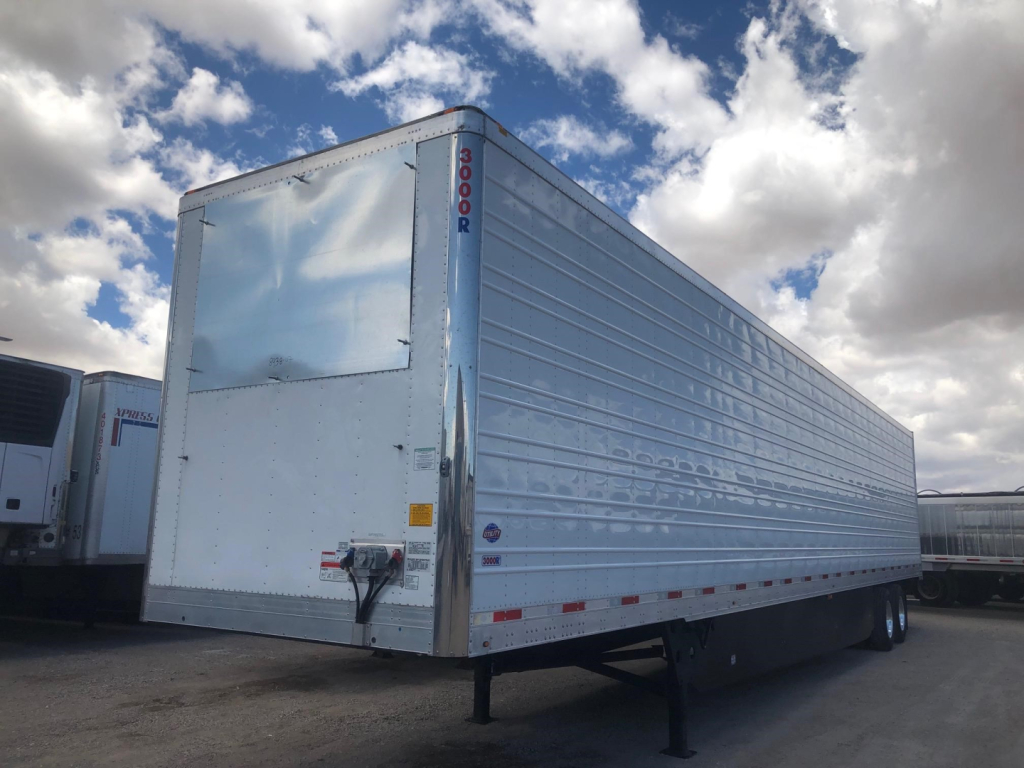
Dump trailers are commonly chosen for aggregate, demolition, paving, and farm work, and the main buying factors are body style, cubic yard capacity, liner options, gate design, tarp system, and frame construction. Frameless aluminum end dumps reduce tare weight and maximize payload, while steel bodies may fit more abusive applications. Reefers, or refrigerated trailers, need closer attention to insulation package, floor design, scuff liners, door configuration, tire inflation systems, side skirts, and reefer unit brand. Buyers hauling food-grade or temperature-sensitive freight should also verify CARB compliance where required, chute design for airflow, and the condition of the duct floor and rear doors.
On a 2027 trailer, condition and specification matter more than the badge on the nose rail. Check tire size and wheel type, slider condition, brake and light systems, landing gear, frame or rail integrity, floor wear, and any signs of prior overload or off-road stress. In New Mexico, sun exposure, wind, and long-distance regional hauling can accelerate wear on tarps, seals, wiring, tires, and suspension components, so those details deserve a close look. A well-matched late-model trailer can improve payload efficiency, reduce downtime, and fit cleanly into a fleet built around current DOT, shipper, and route requirements.
Frequently Asked Questions about 2027 Trailers in New Mexico
What types of 2027 trailers are most common for sale in New Mexico?
The most common trailer categories include flatbeds, lowboys, dump trailers, and refrigerated trailers. Each category serves a different freight profile. Flatbeds are suited for building materials, steel, machinery, and general open-deck freight. Lowboys handle taller and heavier equipment that needs a lower deck height. Dump trailers are used for aggregate, dirt, scrap, and paving material. Reefers are built for temperature-controlled freight such as produce, dairy, and frozen goods.
What should I look for first when comparing 2027 trailers?
Start with the freight application and required payload, then compare axle configuration, trailer length, body or deck construction, suspension type, and key spec items such as rear slide axles, detachable necks, tarp systems, floor design, or reefer unit options. After that, inspect wear areas closely. Tires, brakes, floor condition, landing gear, lights, frame integrity, doors, seals, and suspension parts usually tell you more about trailer value than appearance alone.
Is air ride suspension worth it on a late-model trailer?
Air ride is a strong choice for many buyers because it improves ride quality, helps protect cargo, and is widely preferred on highway applications. It is especially common on reefers, flatbeds, and many lowboys and dump trailers. The benefit is better load stability and less shock transfer compared with mechanical setups. Buyers should still inspect air bags, valves, bushings, and ride height control components because suspension condition directly affects tire wear and handling.
How do I choose between a flatbed and a lowboy trailer?
Choose a flatbed when the freight can be loaded from the side or top and stays within legal deck height and weight limits for a standard open-deck trailer. Choose a lowboy when hauling taller, heavier, or self-propelled equipment that benefits from a lower loaded height and stronger concentrated-load design. Key lowboy buying points include well length, ground clearance, neck style, ramp setup, axle count, and available outriggers or boom wells.
What reefer specs matter most on a 2027 refrigerated trailer?
The critical reefer specs are the refrigeration unit brand and hours, insulation integrity, floor design, door seal condition, airflow package, and trailer features that support operating efficiency. An aluminum duct floor, scuff liners, rear venting, bulkhead setup, tire inflation systems, and side skirts can all affect performance and operating cost. Buyers should also verify service history, fuel system condition, and any compliance requirements tied to the states and shippers they serve.