
2027 Trailers For Sale in Iowa
Browse 2027 trailers for sale in Iowa, including dry vans, reefers, containers, and other trailer types built for freight, storage, and fleet use.
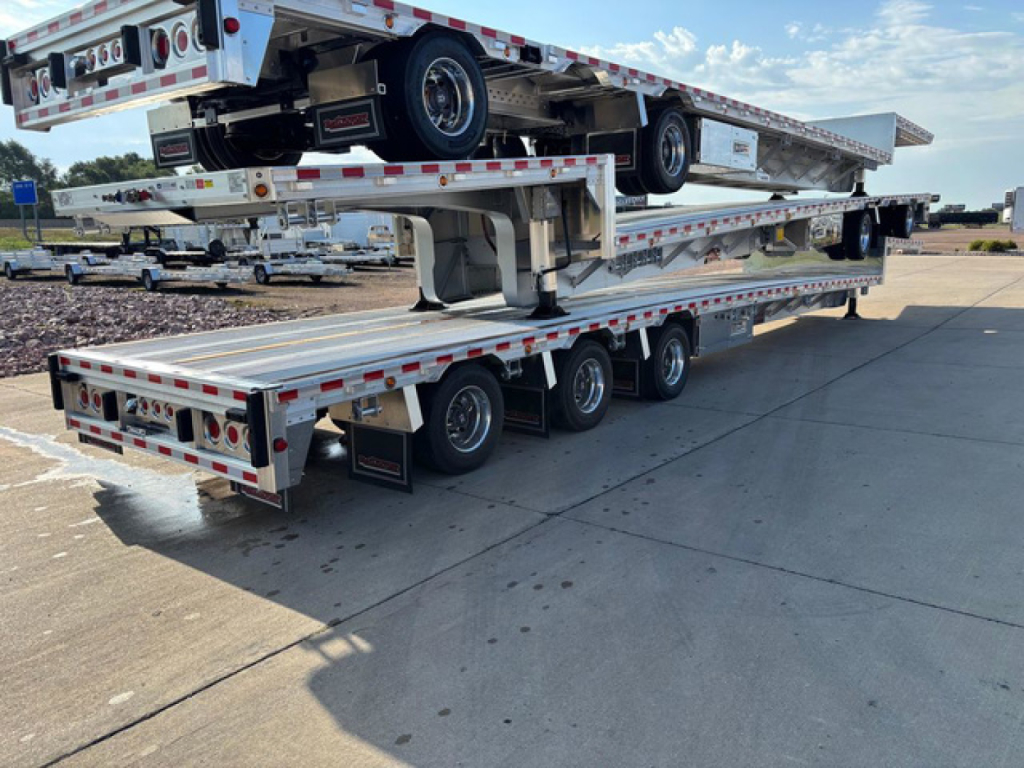
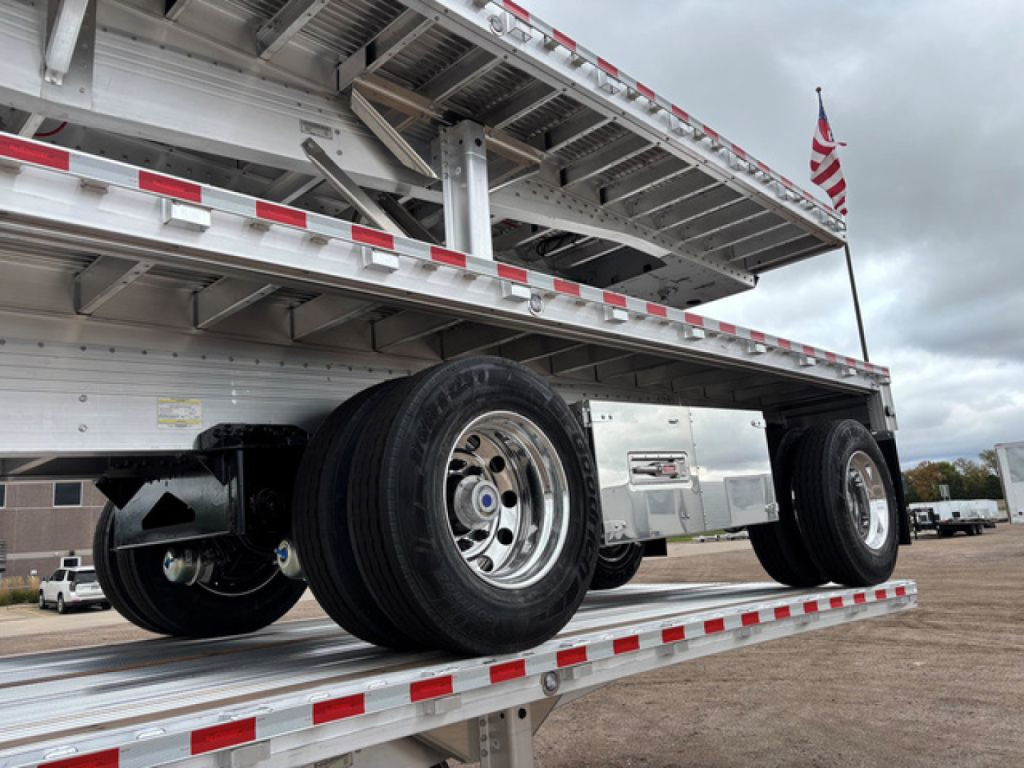
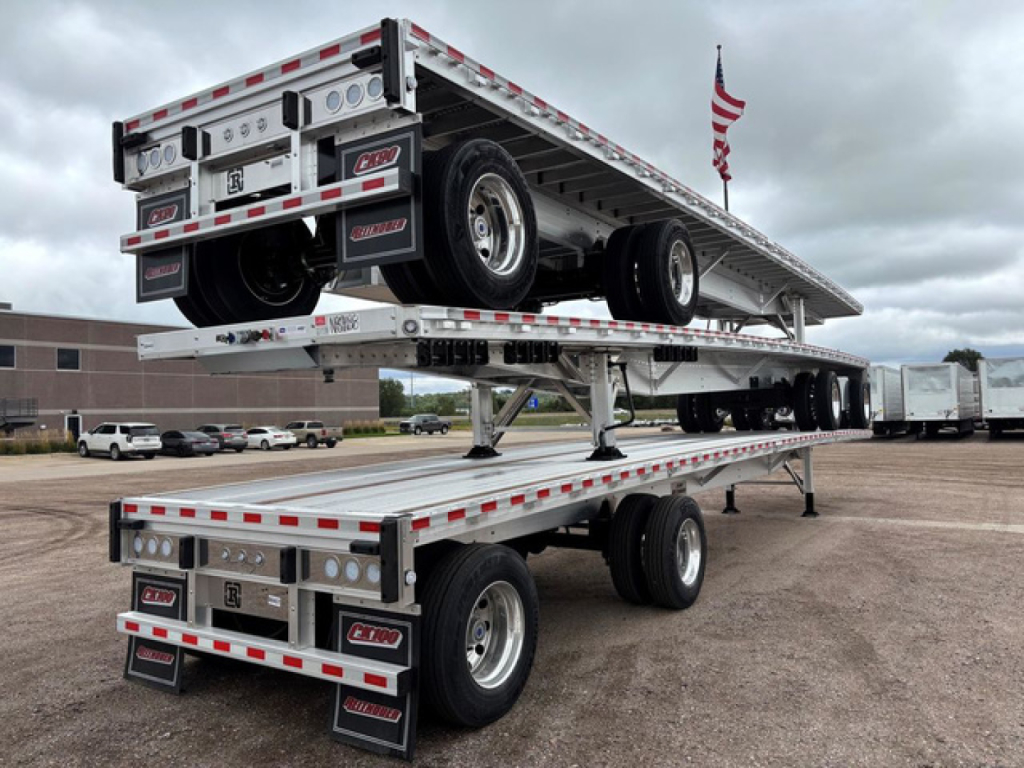


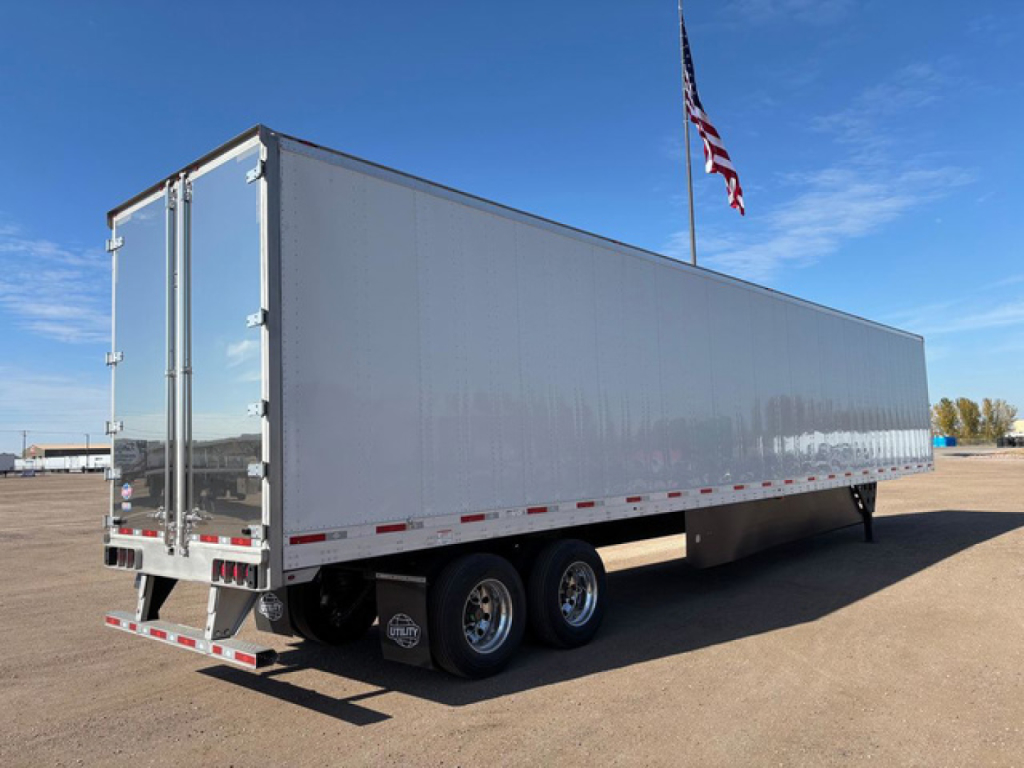

Showing 1 to 28 of 34 results
Selling a 2027 trailer? List your 2027 trailer for sale and reach thousands of commercial buyers.
2027 Trailers in Iowa
For dry van applications, the most common spec is a 53-foot trailer with a 102-inch width, tandem axles, air ride suspension, and a sliding tandem setup for bridge law flexibility. Buyers should pay close attention to wall construction, crossmember spacing, floor composition, rear frame design, and logistics post layout. Features like galvanized components, composite or plate sidewalls, wood floors, aluminum wheels, and tire inflation systems can have a real effect on maintenance cost and resale value. Swing doors remain common for full rear access and durability, while roll-up doors can make sense for frequent dock work where clearance behind the trailer is limited.
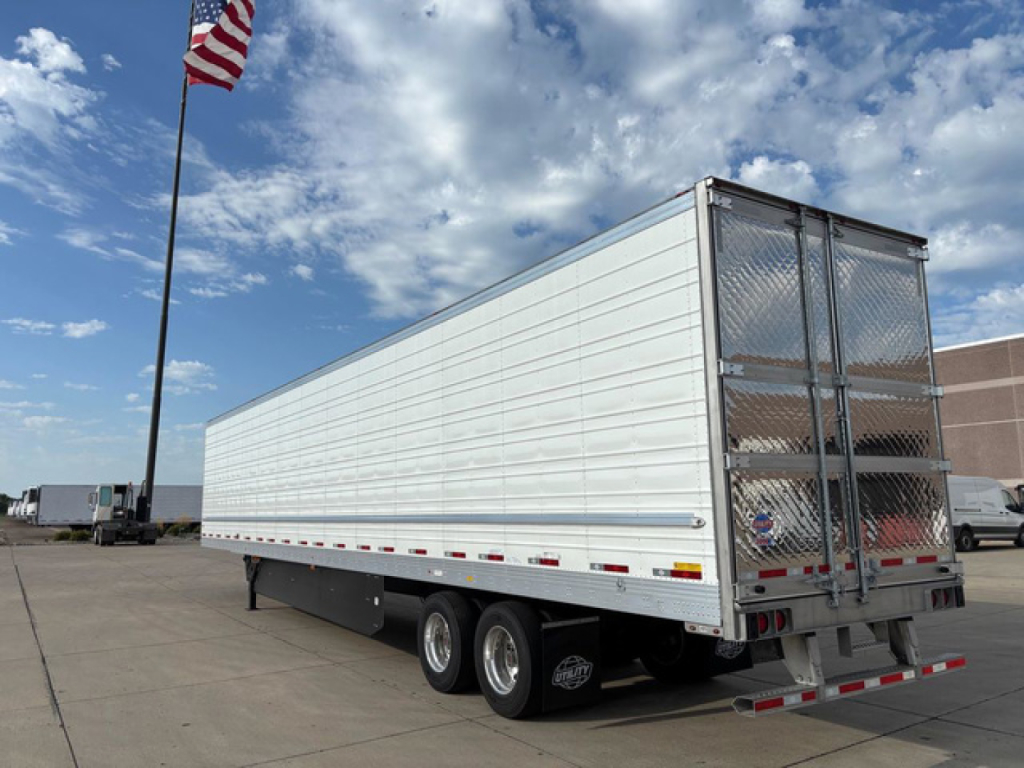
For refrigerated trailers, also known as reefers, the trailer body and the refrigeration unit need to be evaluated as one package. Insulation performance, lining material, door seal condition, unit brand, operating hours, and air chute or floor design all influence temperature control and fuel efficiency. Iowa fleets hauling produce, meat, dairy, frozen freight, or pharmaceutical-sensitive loads usually focus on unit service history, multi-temp capability, and the condition of the interior liner and floor. Air ride suspension, aluminum roofs, and durable interior scuff protection are common specs because they help protect cargo and hold up under repeated loading cycles.
Domestic containers and storage-oriented trailer options also fit many Iowa operations, especially for drop-yard use, transload support, seasonal inventory overflow, and dedicated lane freight. Buyers should verify floor ratings, steel condition, corner casting integrity, understructure design, and compatibility with the chassis or handling equipment they plan to use. Across all trailer categories, the best buying decision starts with matching the trailer to the freight, lane length, loading method, and maintenance plan. A newer trailer can reduce early-life repairs, but the real value is in choosing the right body style, suspension, structure, and component package for the work.
Frequently Asked Questions about 2027 Trailers in Iowa
What trailer types are most common in the 2027 model year market?
The most common 2027 trailer types are dry vans, refrigerated trailers, flatbeds, chassis, and domestic containers. In many regional and over-the-road operations, 53-foot dry vans and reefers are the most heavily compared because they cover a wide range of freight. The best category depends on cargo requirements, loading style, route length, and whether the trailer will stay on the road continuously or spend time in drop-yard service.
What specs matter most when comparing a newer dry van trailer?
The key dry van specs are length, width, axle configuration, suspension type, wall construction, floor rating, door style, and corrosion protection. A typical highway spec is a 53-foot by 102-inch tandem axle trailer with air ride and sliding tandems. Buyers should also look at galvanized rear frames, crossmember design, logistics post spacing, tire inflation systems, and floor warranty support because those details affect maintenance cost, dock durability, and resale strength.
How should I evaluate a 2027 reefer trailer?
A reefer trailer should be evaluated by both trailer body condition and refrigeration unit specification. Important factors include insulation integrity, liner material, door seals, floor condition, refrigeration unit make and model, engine hours, and service documentation. Buyers hauling temperature-sensitive freight should also confirm the trailer can maintain setpoint under expected ambient conditions and that the unit supports the operating profile, including continuous run, start-stop, or multi-temp use if needed.
Are domestic containers a good alternative to standard van trailers?
Domestic containers can be a strong fit for operations focused on storage, intermodal support, drop-lot staging, or dedicated freight movement. They are especially useful when stackability, yard handling, and durable steel construction matter more than standard trailer dock features. Buyers should confirm floor strength, corner fitting condition, underframe design, and compatibility with the chassis or lifting equipment used in their operation.
Why does Iowa usage matter when choosing a trailer specification?
Iowa operations often involve agricultural products, food distribution, manufacturing freight, and regional warehouse traffic, so trailer specs need to match both cargo and seasonal conditions. Corrosion resistance, floor durability, suspension quality, and reliable doors matter in fleets that see frequent loading cycles, uneven yards, and winter road exposure. A trailer spec that works well in Iowa typically balances payload, durability, serviceability, and flexibility across both local and interstate lanes.