
2026 Trailers For Sale in Illinois
Shop 2026 trailers for sale in Illinois, including dry vans, flatbeds, reefers, and specialty trailers with current specs and configurations.
Selling a 2026 trailer? List your 2026 trailer for sale and reach thousands of commercial buyers.
2026 Trailers in Illinois
Frequently Asked Questions about 2026 Trailers in Illinois
What trailer types are most common in the 2026 trailer market in Illinois?
The most common 2026 trailer categories in Illinois are dry van trailers, refrigerated trailers, flatbed trailers, and specialty configurations built around regional freight demands. Dry vans are widely used for general commodity freight and distribution. Reefers are common in food, beverage, and temperature-sensitive freight. Flatbeds are heavily used in construction, steel, machinery, and building products, especially in industrial corridors across Illinois. The mix matters because each trailer class carries different weight, maintenance, and loading considerations.
What specs matter most when comparing a 2026 dry van trailer?
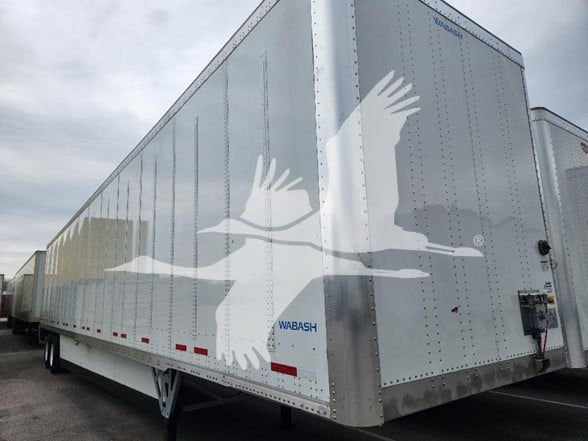
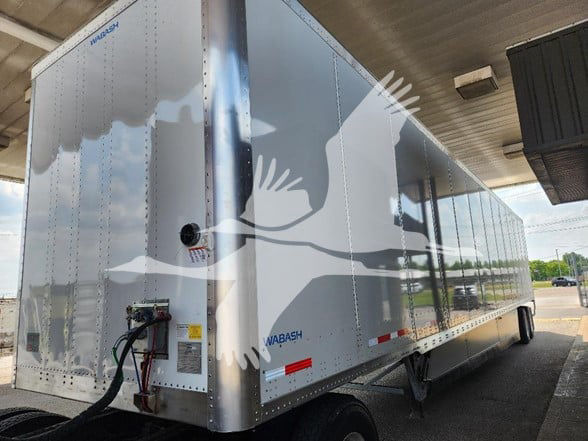
The key dry van specs are overall length, inside height, suspension type, tandem slider range, floor construction, lining, and cargo control setup. A typical 53-foot van with 102-inch width, air ride, sliding tandems, wood floor, and logistics posts fits a broad range of over-the-road and regional freight. Buyers should also look at sidewall composition, scuff liner height, rear door style, tire size, and aerodynamic equipment such as side skirts. For fleets focused on loading efficiency, features like automatic pin pullers and tire inflation systems can improve uptime and yard productivity.
How should a buyer evaluate a 2026 flatbed trailer?
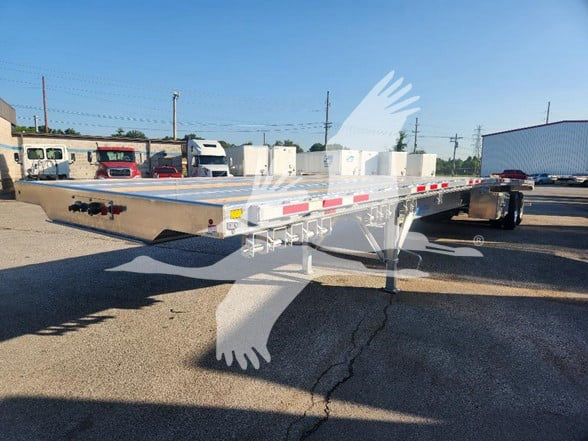
Flatbed buyers should focus on deck material, frame rating, axle configuration, suspension, winch track setup, and concentrated load capacity. Aluminum flatbeds reduce tare weight and can improve payload, while steel or combo construction may better suit certain severe-duty applications. In Illinois, where freight can include steel, machinery, coils, and building materials, concentrated load ratings and reinforced coil package areas are especially important. Tridem axle setups, air ride suspension, sliding winches, and nailer strips are all worth reviewing based on securement practices and state bridge law requirements.
What should buyers check on a 2026 reefer trailer?
A reefer trailer should be evaluated as both a trailer and a refrigeration system. Buyers need to review box dimensions, insulation performance, floor type, door seal condition, airflow design, suspension, and tandem setup, along with the reefer unit make, model, hours, and service history. Common reefer specs include aluminum floors, logistics tracks, stainless front components, and roll-up or swing rear doors. In temperature-controlled freight, unit uptime and temperature pull-down performance matter as much as trailer construction.
Why does Illinois matter when spec'ing a trailer?
Illinois is a major freight state with dense warehouse networks, intermodal traffic, urban delivery constraints, and heavy exposure to Midwest weather. That makes suspension choice, tire setup, corrosion resistance, and dock-friendly dimensions important. Sliding tandems are often necessary for bridge compliance and load distribution, while air ride is preferred for ride quality and cargo protection. Buyers operating year-round should also consider lining durability, floor wear, rear door hardware, and underbody components that hold up in wet, salted road conditions.