
2026 Wabash Trailers For Sale in Illinois
Shop 2026 Wabash trailers in Illinois. Compare dry van specs, Duraplate construction, rear door options, and fleet-focused features.
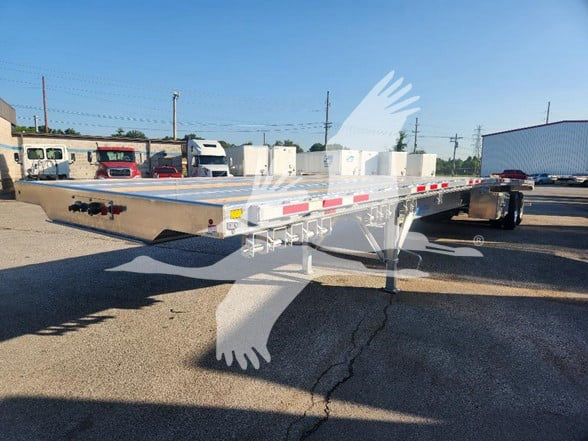
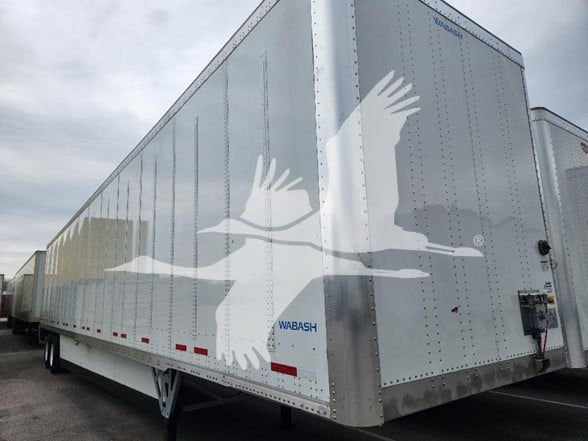
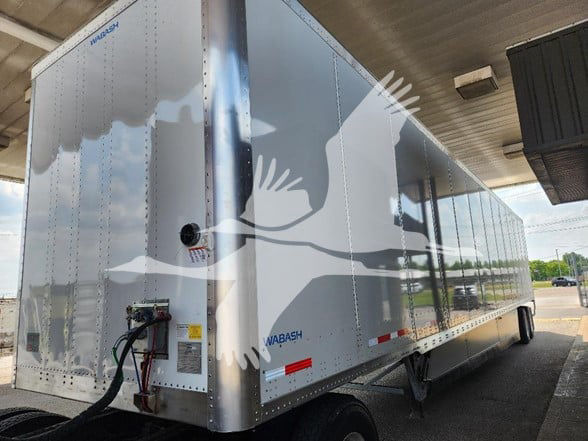
Selling a 2026 wabash trailer? List your 2026 wabash trailer for sale and reach thousands of commercial buyers.
2026 Wabash Trailers in Illinois
Spec decisions on a Wabash trailer usually come down to floor rating, suspension, roof material, rear frame construction, and logistics setup. Fleets moving palletized freight often look for a hardwood floor or heavy-duty floor package, galvanized rear frame components, and a logistics post layout that works with load bars, straps, and decking needs. Vent configuration, scuff liners, and interior lining can matter if the trailer will see mixed freight or high-touch loading. Side skirts, tire inflation systems, and aerodynamic packages are also common on late-model vans because they support fuel economy and tire life in regional and over-the-road service. Buyers running in the Midwest also pay attention to corrosion resistance on crossmembers, rear impact areas, and door hardware because road salt can shorten service life if the trailer is not spec'd for it.
Landing gear, kingpin setting, tandem slider configuration, and axle spread should match the freight network the trailer will actually run. A standard tandem slider gives flexibility for bridge law compliance and dock positioning, while fleet buyers often review suspension type, wheel-end package, and brake spec for maintenance standardization. Illinois operators moving dense freight may prioritize tare weight and floor capacity differently than carriers focused on high-cube retail freight. Rear door choice is another practical point. Swing doors generally maximize opening width and are easier to service, while roll doors can be useful in certain urban delivery settings but add weight and reduce clear opening height.
For buyers comparing 2026 Wabash trailers against other van brands, the key issues are structural durability, repairability, resale strength, and how the trailer is spec'd for its intended duty cycle. Wabash trailers are common in large fleets because parts support, familiar maintenance practices, and broad market acceptance make them straightforward assets to place into service or remarket later. The best comparison is not just year and price, but floor condition, wall integrity, roof straightness, door frame alignment, tire and brake package, and whether the trailer includes current fleet-friendly options such as PSI tire inflation, aerodynamic skirts, liftgate prep, or specialized logistics tracks.
Frequently Asked Questions about 2026 Wabash Trailers in Illinois
What are the most common types of 2026 Wabash trailers a buyer will see?
The most common 2026 Wabash trailers on the market are dry vans, though Wabash also builds refrigerated trailers, platform trailers, and other specialized bodies depending on application. In a van-focused market, buyers will most often compare 53-foot x 102-inch dry vans with composite sidewalls, logistics posts, tandem sliders, and either swing or roll-up rear doors. The exact spec can vary widely based on whether the original customer was a private fleet, for-hire carrier, or regional delivery operation.
What is DuraPlate construction on a Wabash trailer?
DuraPlate is Wabash's well-known composite panel construction used on many dry van trailers. It combines a high-strength steel core with polyethylene facing to create a sidewall that is smooth, durable, and resistant to punctures compared with some traditional sheet-and-post designs. Buyers often like it because it supports cargo protection, is widely recognized in the resale market, and has a long track record in general freight service.
Which specs matter most when buying a Wabash dry van trailer?
The most important specs are usually trailer length, floor rating, suspension type, tandem slider setup, rear door configuration, logistics package, and any fuel-saving equipment such as side skirts or tire inflation systems. Buyers should also review kingpin setting, roof condition, brake type, wheel-end standardization, and corrosion resistance features such as galvanized rear frames or protected crossmembers. The right spec depends on freight density, dock environment, route length, and maintenance strategy.
Are swing doors or roll-up doors better on a Wabash van trailer?
Swing doors are generally preferred for linehaul and dock freight because they provide a larger clear opening, are lighter, and are usually simpler to repair over time. Roll-up doors can make sense in certain city or multi-stop applications where trailer access is tighter, but they typically reduce opening height and add some weight and maintenance points. The better choice depends on loading pattern, cube requirements, and how often the trailer backs to standard dock doors.
What should Illinois buyers pay extra attention to on a trailer spec?
Illinois buyers often place more weight on corrosion resistance, tire and brake durability, and suspension setup because Midwest weather, road salt, and mixed highway-to-city operation can accelerate wear. Galvanized or corrosion-protected rear structure components, durable door hardware, reliable tire inflation systems, and easily serviced wheel-end packages can help reduce downtime. If the trailer will run heavy freight through multiple states, slider flexibility and axle compliance are also important considerations.