
2026 Wabash Trailers For Sale
Shop 2026 Wabash trailers for sale, including dry van and flatbed designs with common specs, options, and features buyers compare.
Selling a 2026 wabash trailer? List your 2026 wabash trailer for sale and reach thousands of commercial buyers.
2026 Wabash Trailers
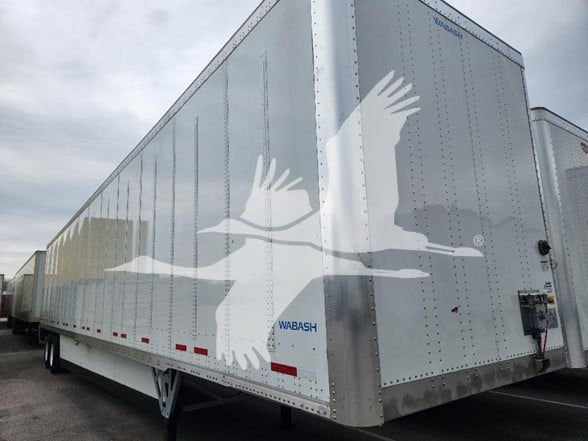
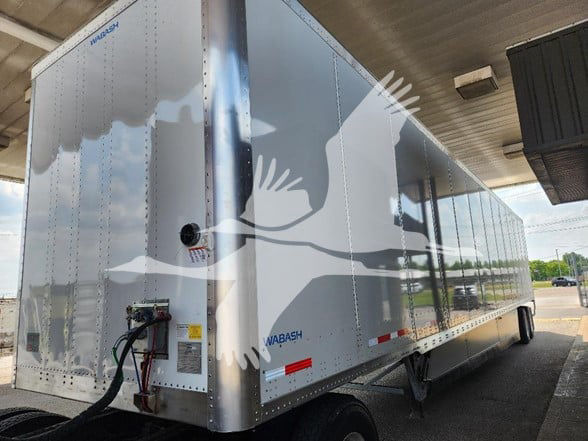
On the dry van side, the most common configuration is a 53-foot trailer with 102-inch width and 13-foot 6-inch overall height. Buyers will typically compare DuraPlate-style composite construction against traditional lined interiors, along with floor condition, scuff liner setup, roof material, rear door style, and suspension. Swing doors are still common for full dock access, while roll-up doors can make sense in route delivery or operations with repeated stop-and-go unloading. Air ride suspension remains a preferred spec for freight protection and driver acceptance, and sliding tandems are important for bridge law compliance and weight distribution. Logistics posts, plywood or composite lining, threshold plates, side skirts, and translucent roofs are all options worth checking because they directly affect loading versatility, maintenance cost, and trailer resale.
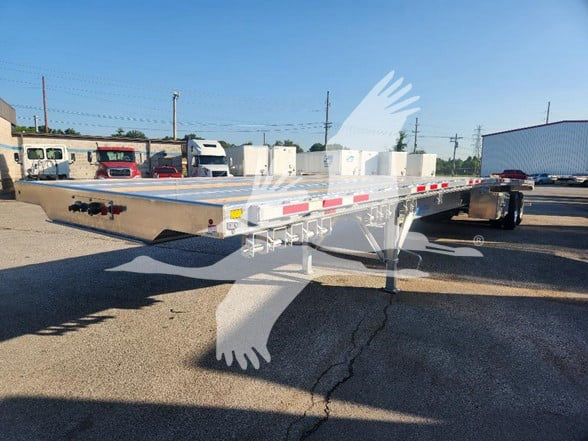
For 2026 Wabash flatbeds, buyers usually focus on deck construction, axle arrangement, and securement hardware. Aluminum flatbeds reduce tare weight and help maximize payload, while galvanized steel packages can improve corrosion resistance in hard-use environments. Spread axle and sliding spread configurations are common, especially for operators balancing state bridge requirements, maneuverability, and payload distribution. Features like PSI tire inflation systems, sliding winches, multi-position tie downs, aluminum wheels, storage boxes, and additional marker lighting are not cosmetic details. They affect uptime, load securement speed, roadside compliance, and daily usability. On a 53-foot platform, deck strength, crossmember design, floor type, and the number and placement of tie-down points should be reviewed as closely as suspension and tire spec.
A buyer comparing 2026 Wabash trailers should look beyond the model year and focus on how the trailer is equipped for the freight it will actually haul. Dry van buyers should verify lining type, floor wear, rear frame condition, door seal integrity, tandem slide operation, and any aerodynamic equipment. Flatbed buyers should inspect the deck surface, winch track condition, suspension, axle slide function, tire system components, and the practicality of the securement package. The right Wabash trailer is usually the one with the correct combination of tare weight, durability, serviceability, and freight-specific spec, not simply the newest or most heavily optioned unit.
Frequently Asked Questions about 2026 Wabash Trailers
What are the most common specs on a 2026 Wabash dry van trailer?
The most common 2026 Wabash dry van configuration is a 53-foot by 102-inch trailer with a 13-foot 6-inch overall height, air ride suspension, and a sliding tandem. Many buyers also look for composite or lined sidewalls, wood flooring, scuff liners, threshold plates, and either swing or roll-up rear doors. These specs fit standard dock operations, legal highway dimensions, and general freight applications across regional and long-haul service.
Is a Wabash flatbed better in aluminum or steel construction?
That depends on payload priority and operating environment. An aluminum Wabash flatbed usually offers lower tare weight, which helps maximize legal payload and fuel efficiency. A steel or steel-packaged trailer can provide added durability in high-impact applications and may hold up well in severe service. Many buyers prefer an aluminum trailer with galvanized steel reinforcement because it balances weight savings with corrosion resistance and structural protection.
What should I inspect first on a used-spec Wabash dry van design?
Start with the floor, rear frame, roof, and suspension. Floor wear tells you a lot about forklift traffic and trailer use. Rear frame condition, hinge wear, and door seal integrity affect loading reliability and weather protection. Roof damage and wall condition can point to hidden leak history. Tandem slide operation, air ride components, brake condition, and tire wear should also be checked early because those items directly affect roadworthiness and maintenance cost.
Why do sliding tandems and spread axles matter on Wabash trailers?
Axle layout affects legal compliance, weight distribution, and maneuverability. On a dry van, a sliding tandem helps operators adjust kingpin-to-rear axle distance for bridge laws and shipper dock requirements. On a flatbed, a spread axle or sliding spread setup can improve weight distribution and payload flexibility, but it may also affect turning radius and tire scrub. The right axle configuration depends on freight type, route profile, and the states where the trailer will operate.
Are tire inflation systems and extra securement hardware worth paying for on a flatbed?
In many operations, yes. A tire inflation system can reduce irregular tire wear, help maintain proper pressure, and cut roadside downtime. Extra sliding winches, multi-position tie downs, and storage boxes improve load securement speed and make the trailer more adaptable across different freight types. These features can add upfront cost, but they often return value through better uptime, easier compliance, and wider freight capability.