
2025 Trailers For Sale in Kansas
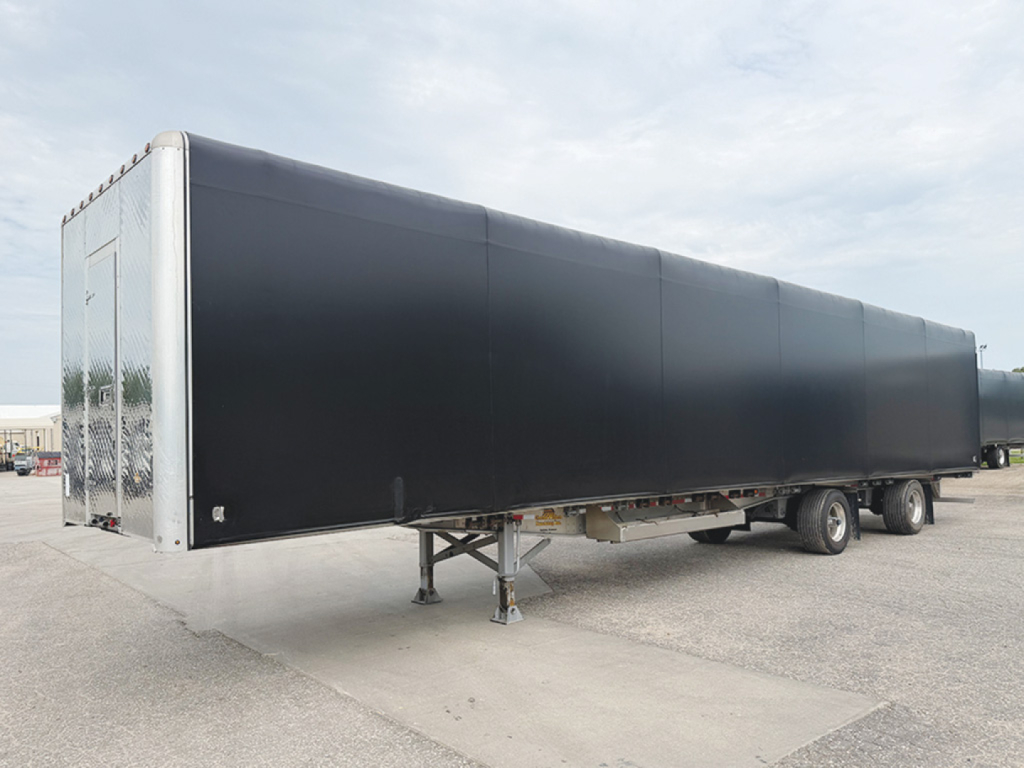
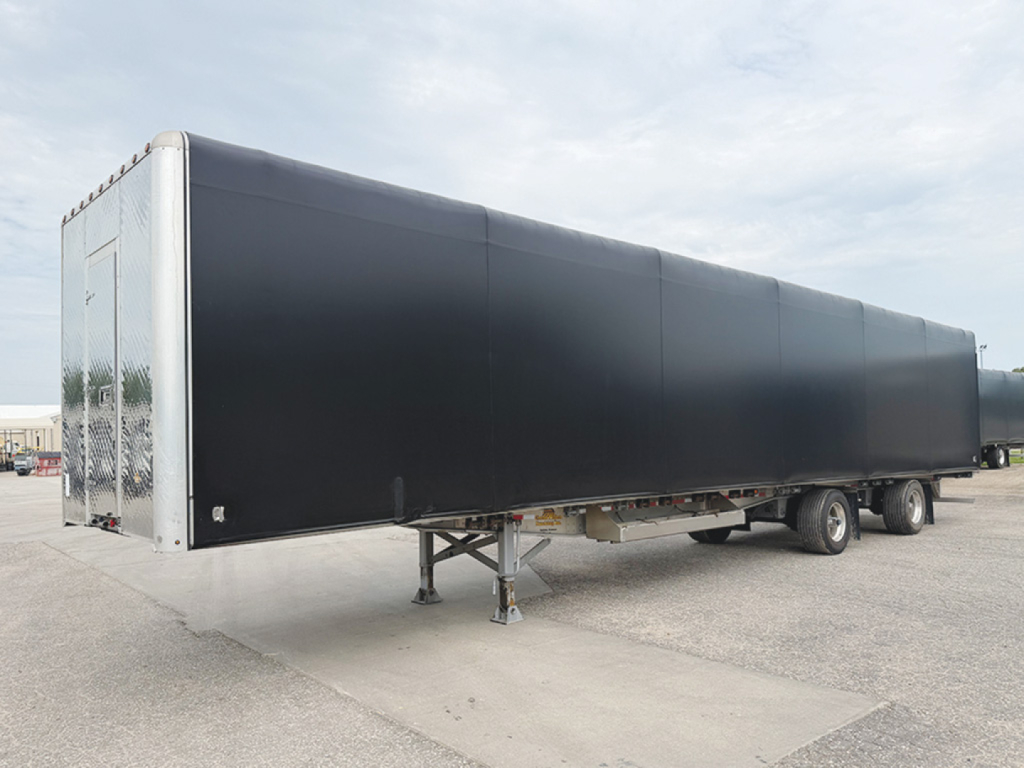
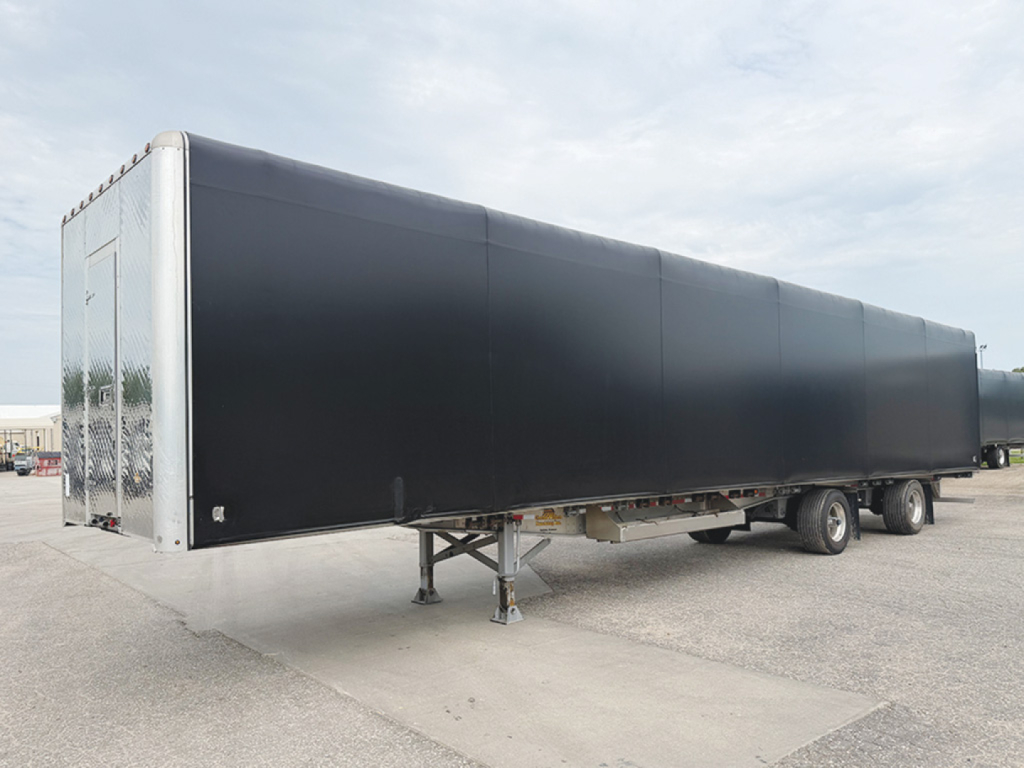
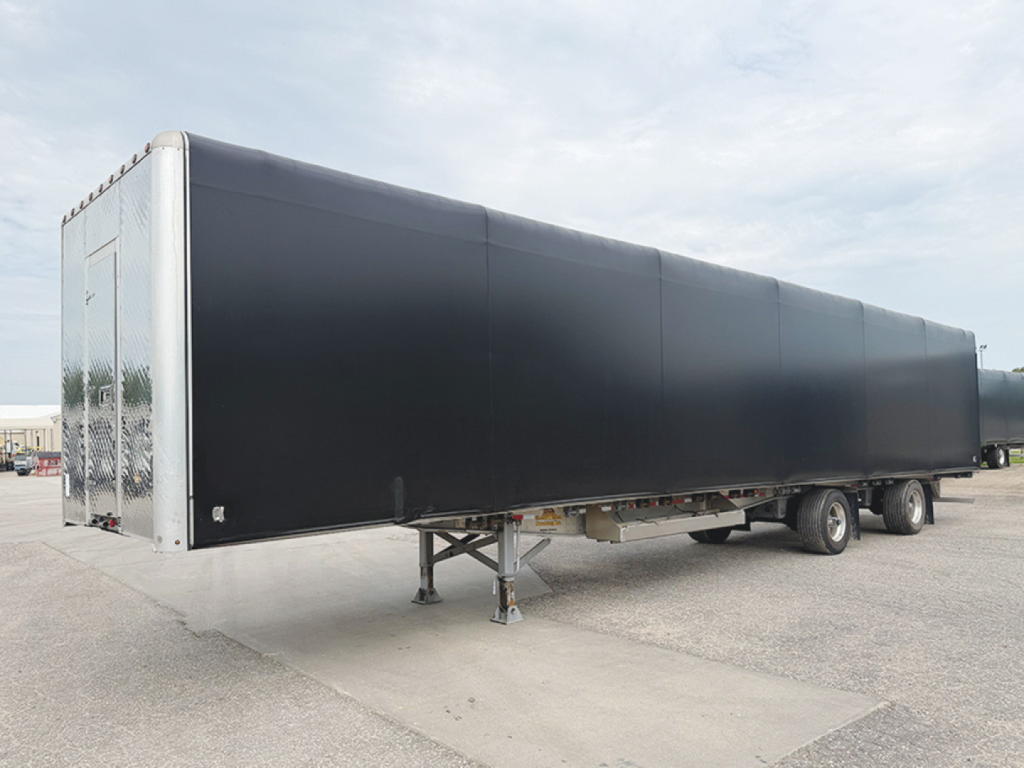
Have 2025 trailer to sell? List it here to reach thousands of buyers.
2025 Trailers in Kansas
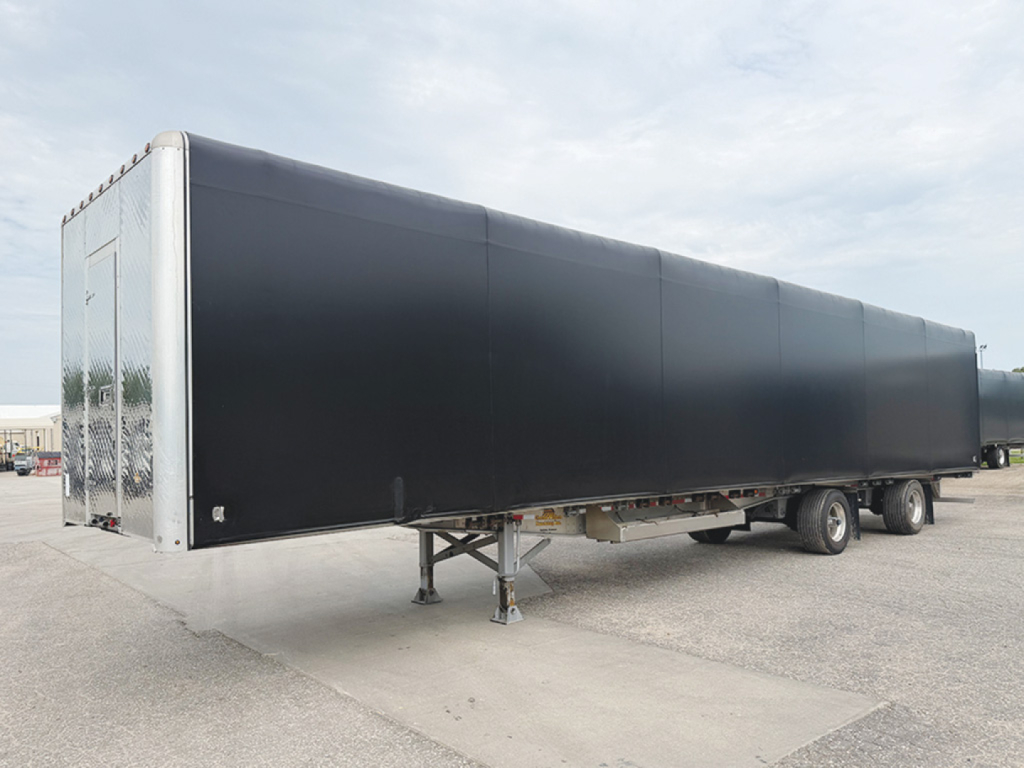
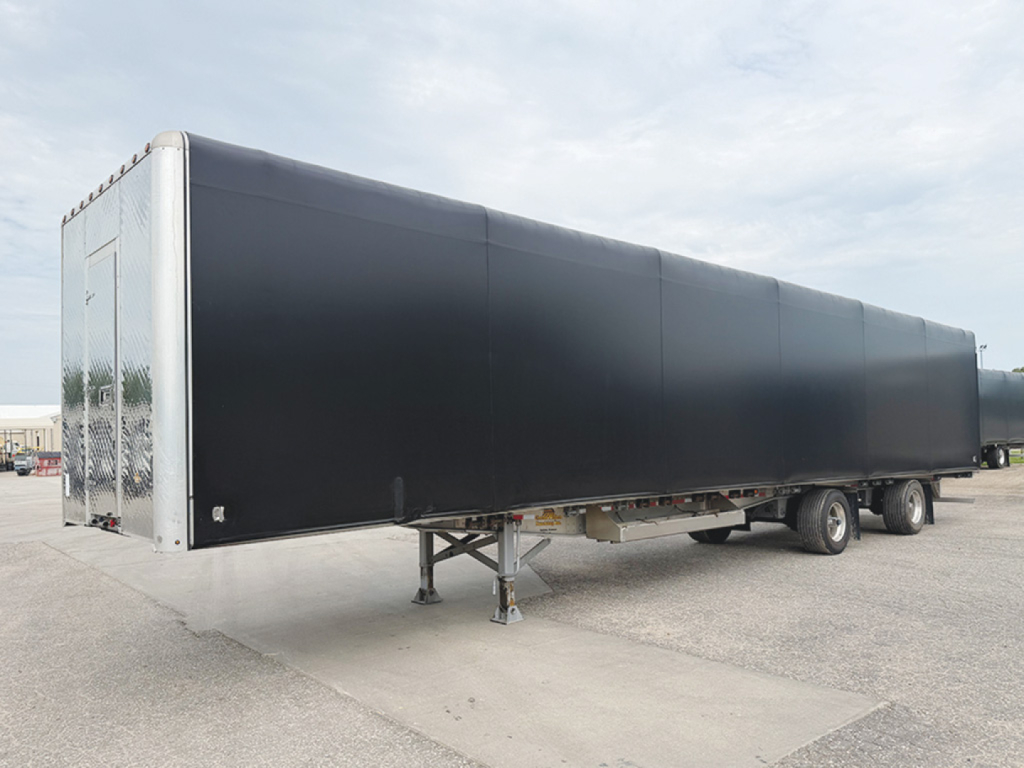
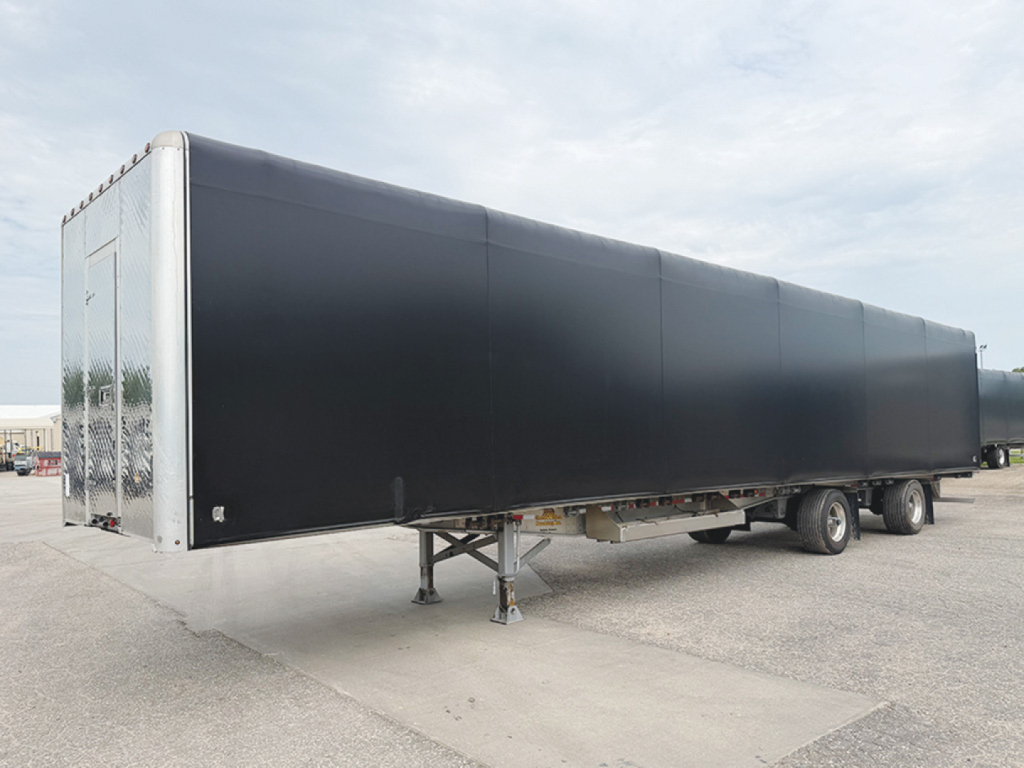
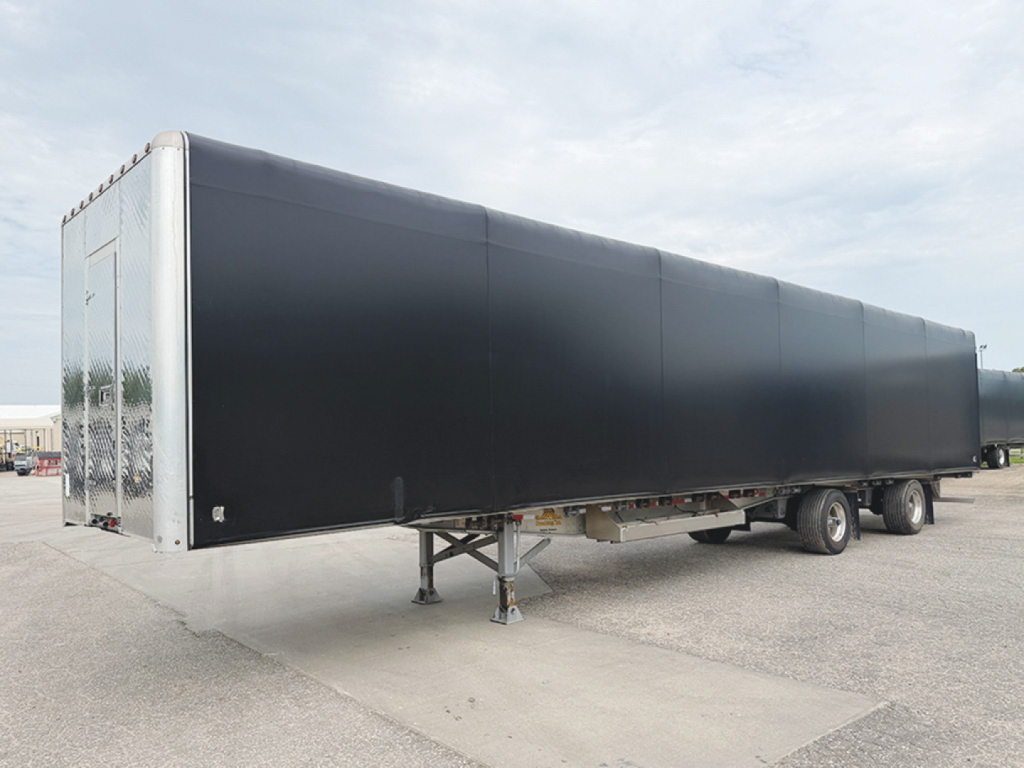
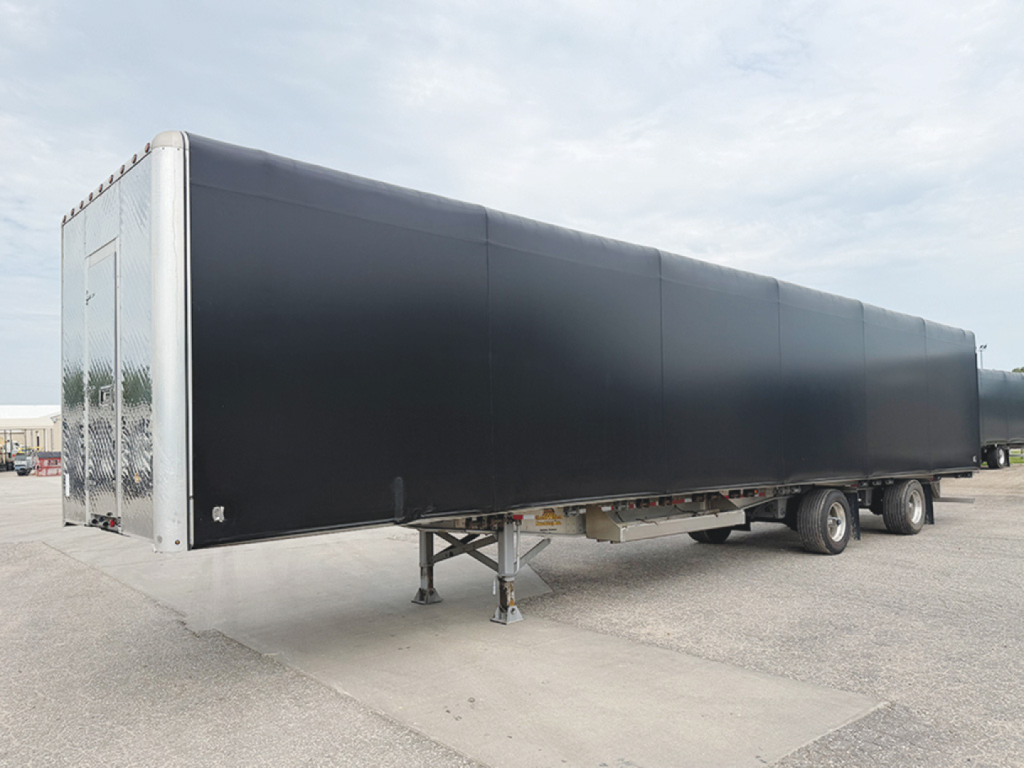
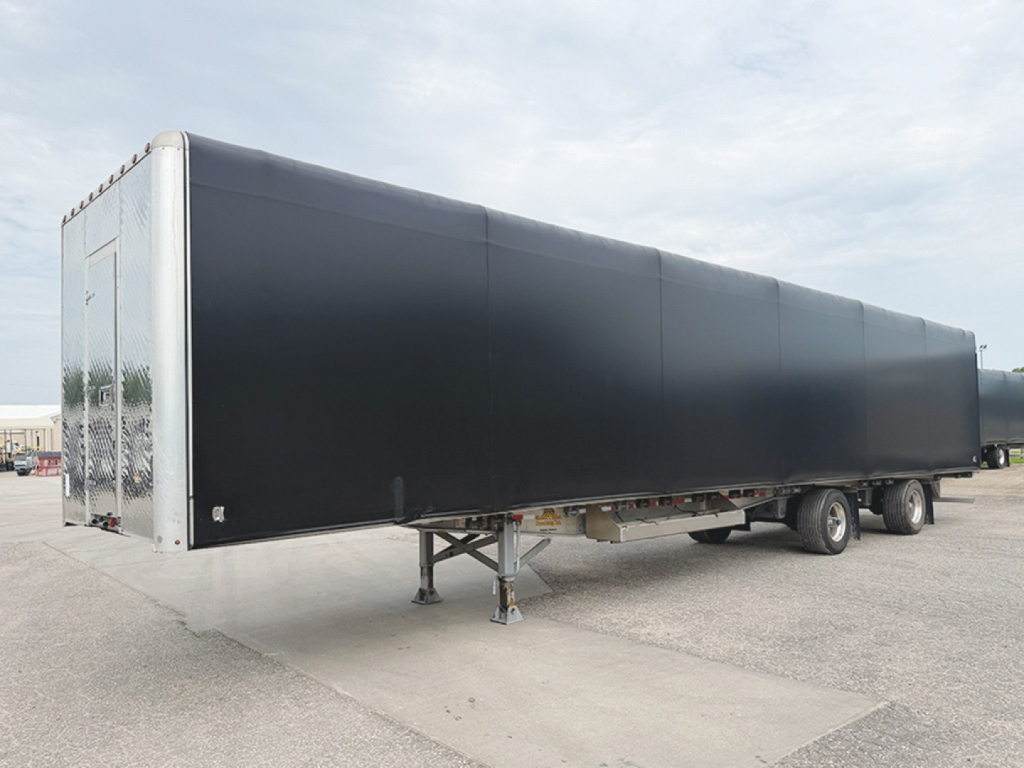
For dry van trailers, common specs include 53-foot length, 102-inch width, and either roll-up or swing rear doors. Buyers hauling palletized freight, retail, food-grade packaged goods, or general LTL transfers often look for plywood lining, scuff liners or scuff plate, threshold plate protection, wood floors, E-track, and front or rear vents. Sliding tandems remain important in Kansas and surrounding states because bridge law and axle placement can affect both legal compliance and dock flexibility. Air ride suspension is preferred for more sensitive freight, while spring ride can still make sense for cost control and simpler maintenance. Tire inflation systems, low-profile 22.5 tires, and disc or drum brake setups are also worth comparing because they affect uptime, service intervals, and operating cost.
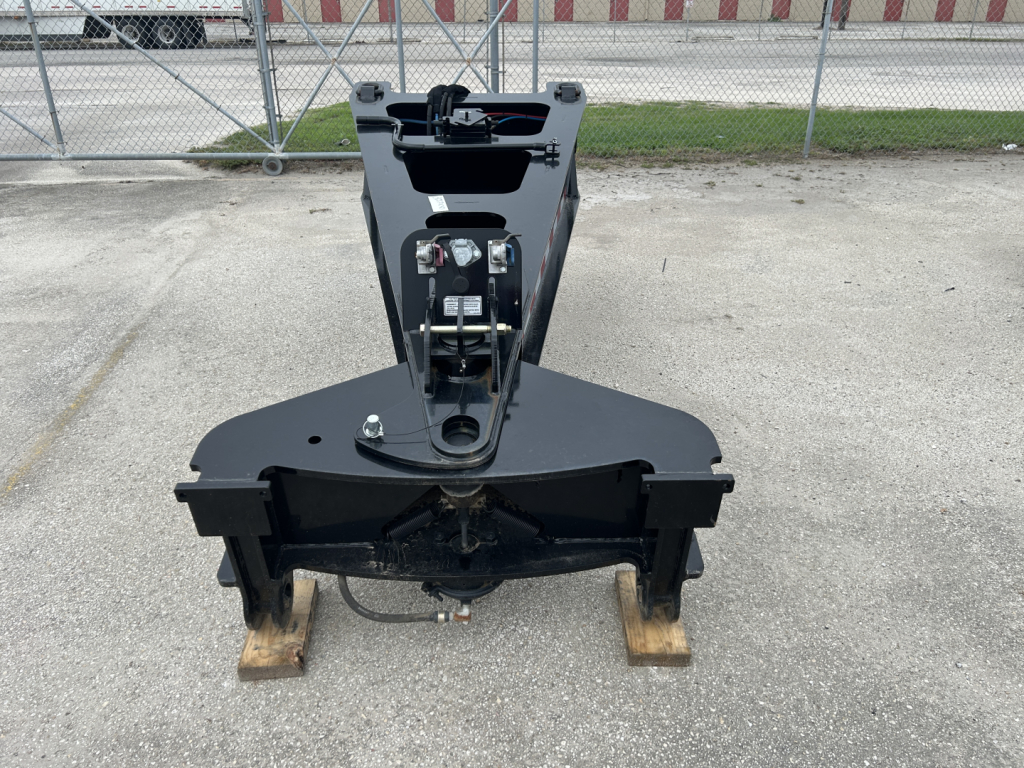
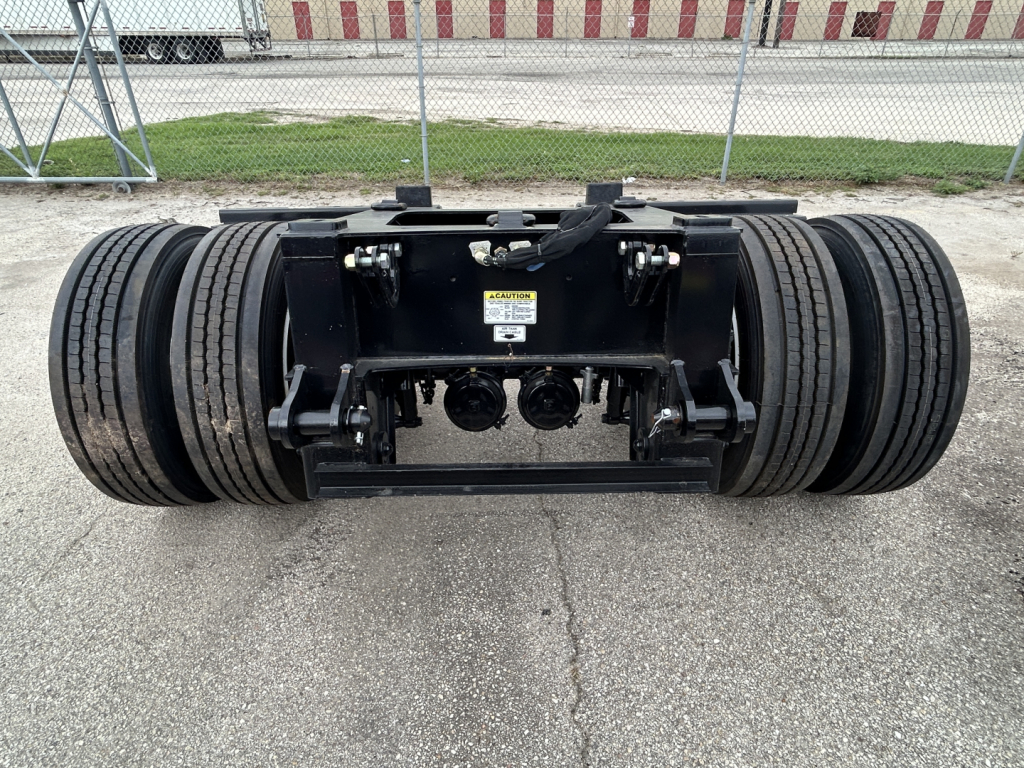
For lowboy trailers, also called lowbed trailers, 2025-model buyers are usually purchasing around a specific machine class rather than shopping by brand alone. Excavators, dozers, pavers, cranes, and rail or municipal equipment all place different demands on deck length, neck swing clearance, loaded deck height, and axle grouping. Detachable gooseneck designs are common when frequent loading of self-propelled equipment is required. Key details include 2-position kingpin settings, ride height adjustment, air ride or mechanical suspension, tri-axle or greater configurations, outriggers, D-rings, boom troughs, winches, and front flip or pin-on ramps. In Kansas, where oilfield, ag, road-building, and construction work can overlap, buyers should pay close attention to empty weight versus payload, deck material such as Apitong, and whether the trailer is set up to support permit loads without creating unnecessary tare weight.
A 2025 trailer can also bring practical advantages in lighting, corrosion protection, wiring layout, and brake and suspension technology compared with older units. LED lighting, improved harness routing, better coatings, and more standardized parts support easier fleet maintenance over time. The smartest comparison is not simply new versus used, but spec versus application. A van trailer that is too basic for high-cycle dock work or a lowboy that is mismatched to the machine fleet will cost more in the long run than a properly configured trailer from the start.
Frequently Asked Questions about 2025 Trailers in Kansas
What should I look for first when buying a 2025 trailer in Kansas?
Start with the trailer’s intended freight or equipment type. For van trailers, focus on length, inside height, door style, floor construction, lining, tandem slide, and suspension. For lowboy trailers, concentrate on capacity, deck length, loaded deck height, axle count, gooseneck style, ramp design, and legal dimensions. Kansas buyers also need to consider route restrictions, bridge law, and whether the trailer will stay mostly in-state or run regional lanes.
What is the difference between a dry van trailer and a lowboy trailer?
A dry van trailer is an enclosed freight trailer designed for palletized cargo, boxed goods, and general dry freight that needs protection from weather and theft. A lowboy trailer is an open heavy-haul trailer with a very low deck height designed to move tall and heavy machinery such as excavators, dozers, and paving equipment. The dry van is optimized for cube and dock loading, while the lowboy is optimized for weight distribution, machine loading, and height control.
Is air ride suspension worth it on a 2025 trailer?
In many cases, yes. On van trailers, air ride helps protect sensitive freight and generally improves ride quality. On lowboy trailers, air ride can assist with load stability and ride height control depending on the design. The tradeoff is added system complexity compared with simpler spring or mechanical setups. Buyers who prioritize freight protection, driver acceptance, and premium hauling applications often prefer air ride, while cost-sensitive operations may still choose more basic suspension designs where appropriate.
What lowboy specs matter most for hauling construction equipment?
The most important lowboy specs are concentrated load rating, overall capacity, loaded deck height, deck length, neck length and swing, axle configuration, and ramp or detachable gooseneck design. Securement points such as D-rings and outriggers are also critical. If the equipment has a long undercarriage, over-width tracks, or a high center of gravity, those details can be more important than brand name. Buyers should match the trailer to the heaviest and tallest machine in the fleet, not the average one.
Do newer 2025 trailers offer meaningful maintenance advantages?
They can. Many newer trailers benefit from improved LED lighting systems, cleaner wiring layouts, better corrosion resistance, updated brake components, and more standardized replacement parts. Some also include features such as tire inflation systems, air lift axles, or integrated scale options. Those upgrades can reduce downtime and make inspections, repairs, and preventive maintenance more predictable over the life of the trailer.