
2025 Doonan Trailers For Sale in Kansas
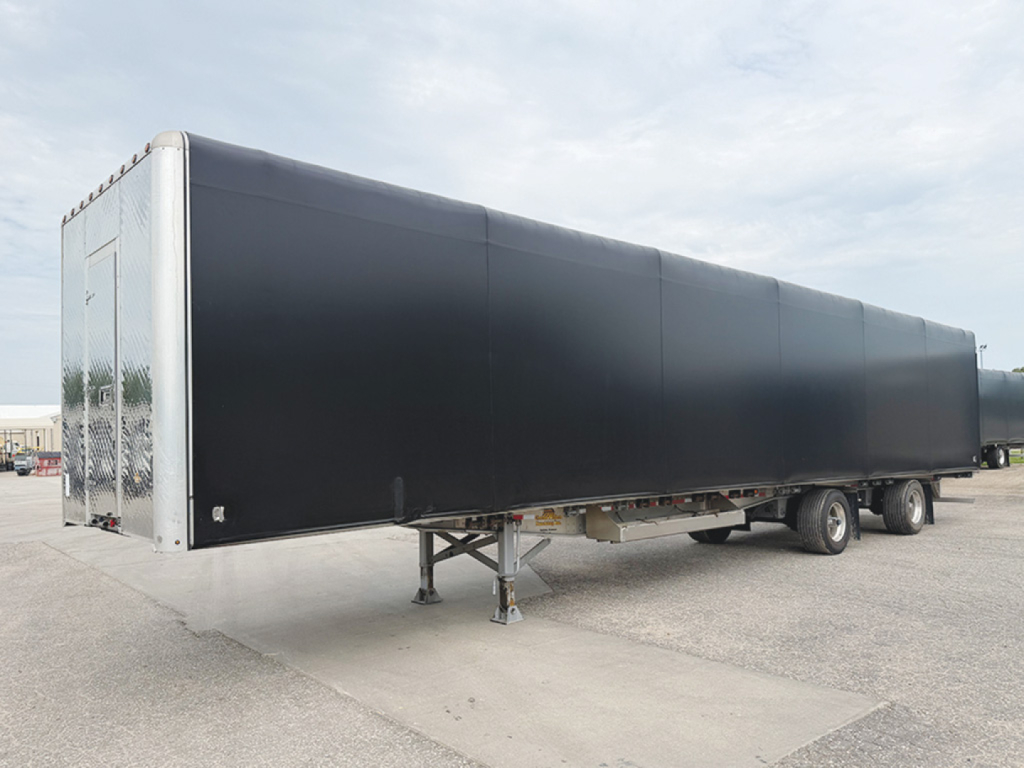
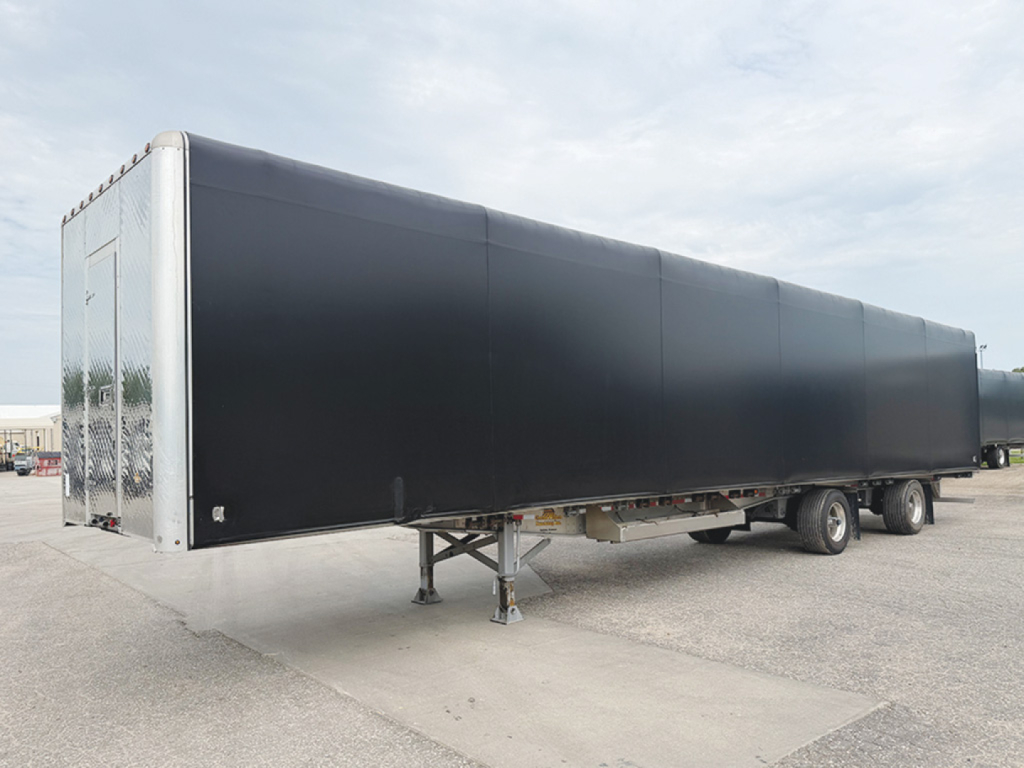
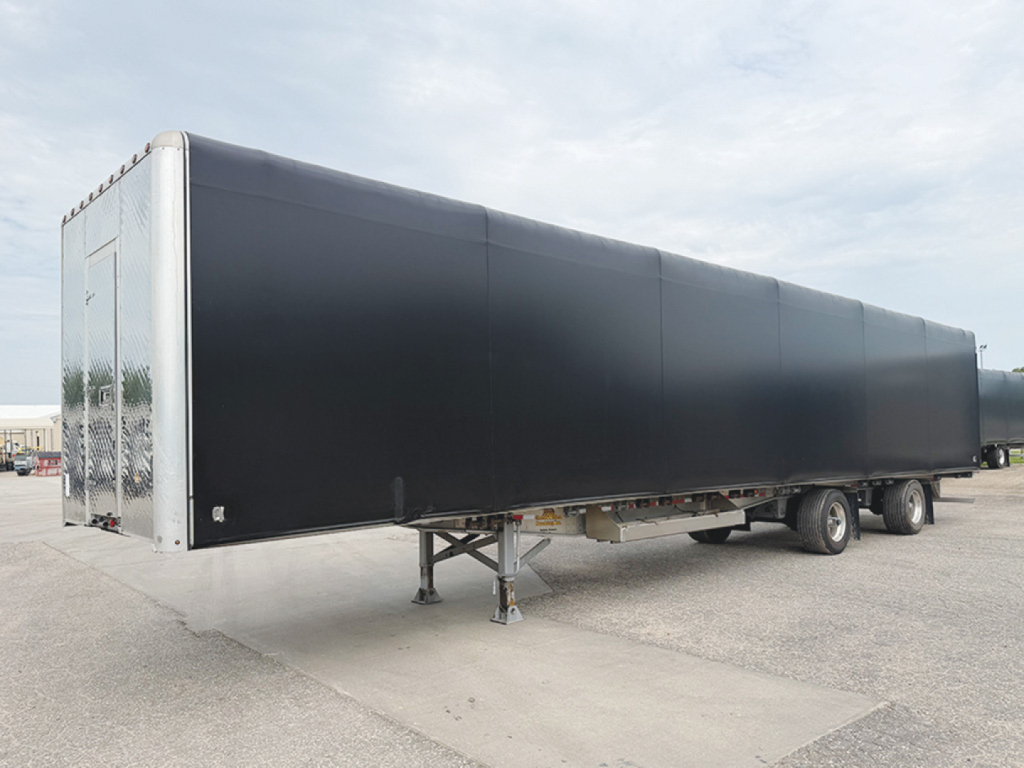
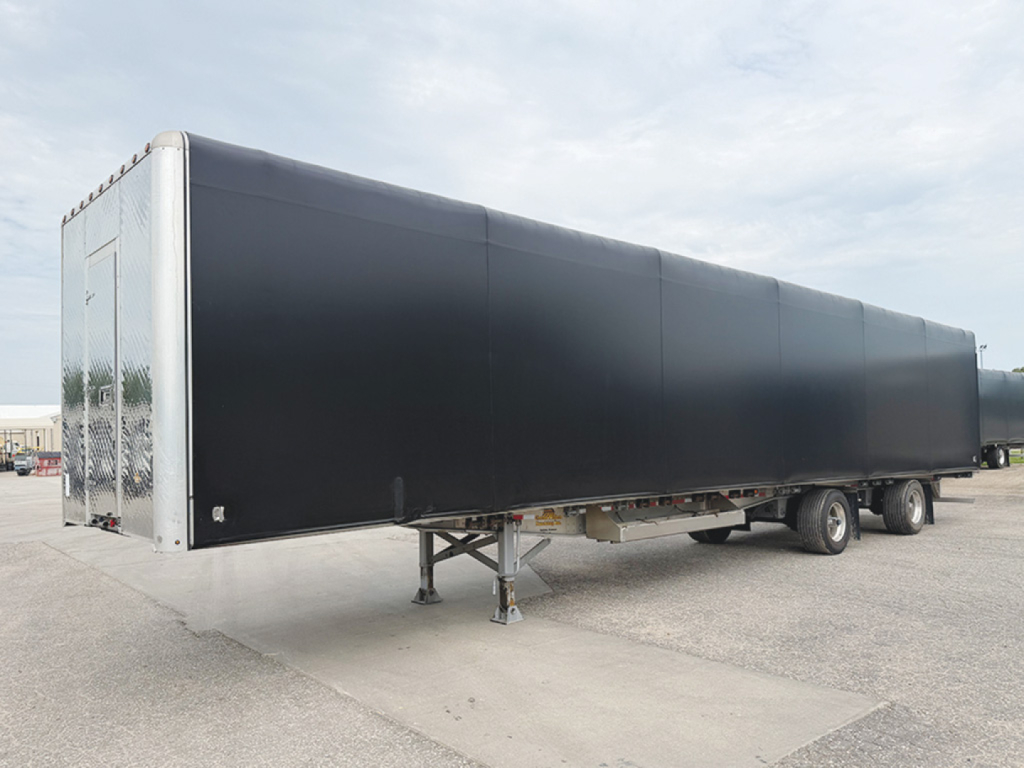
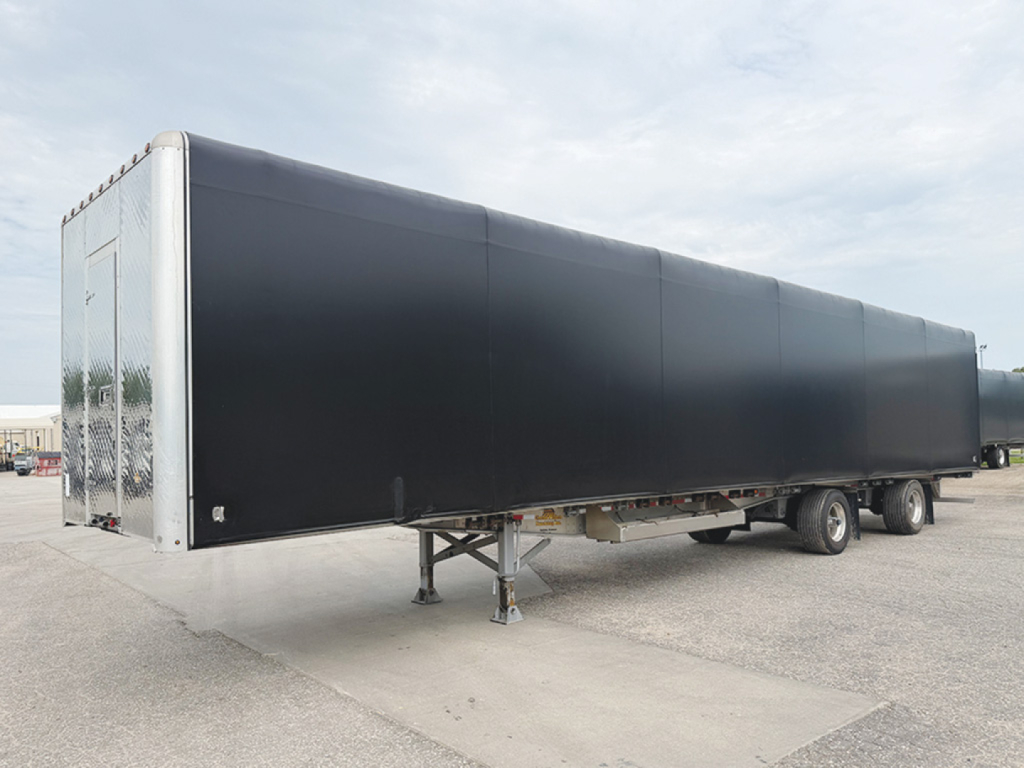
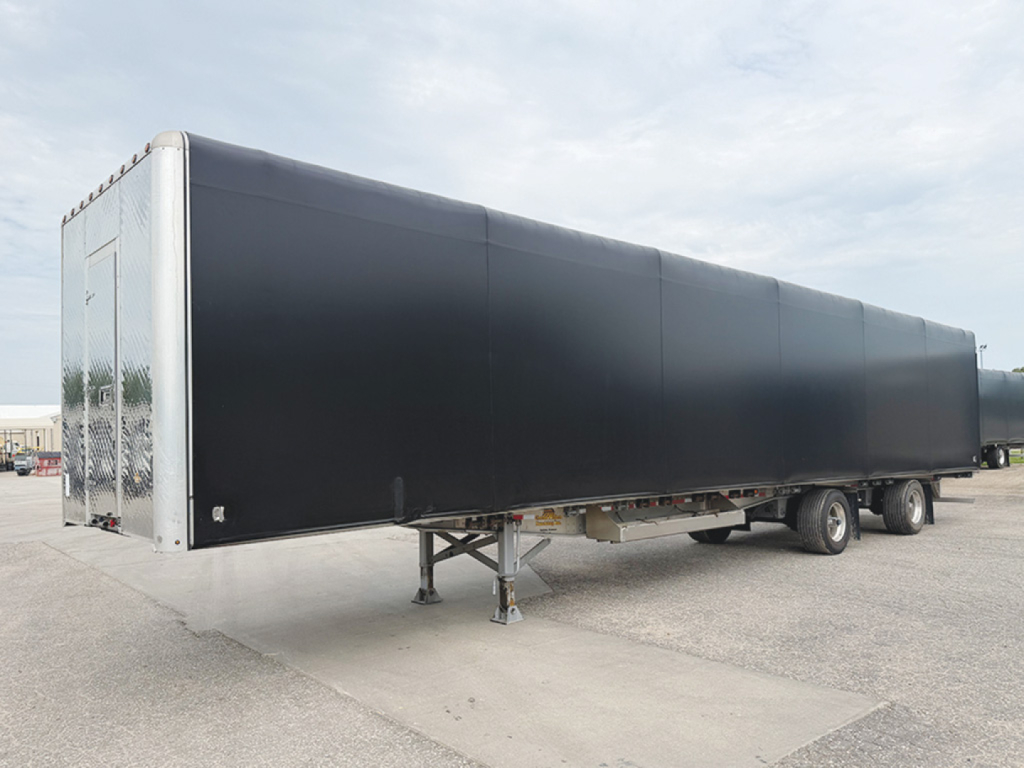
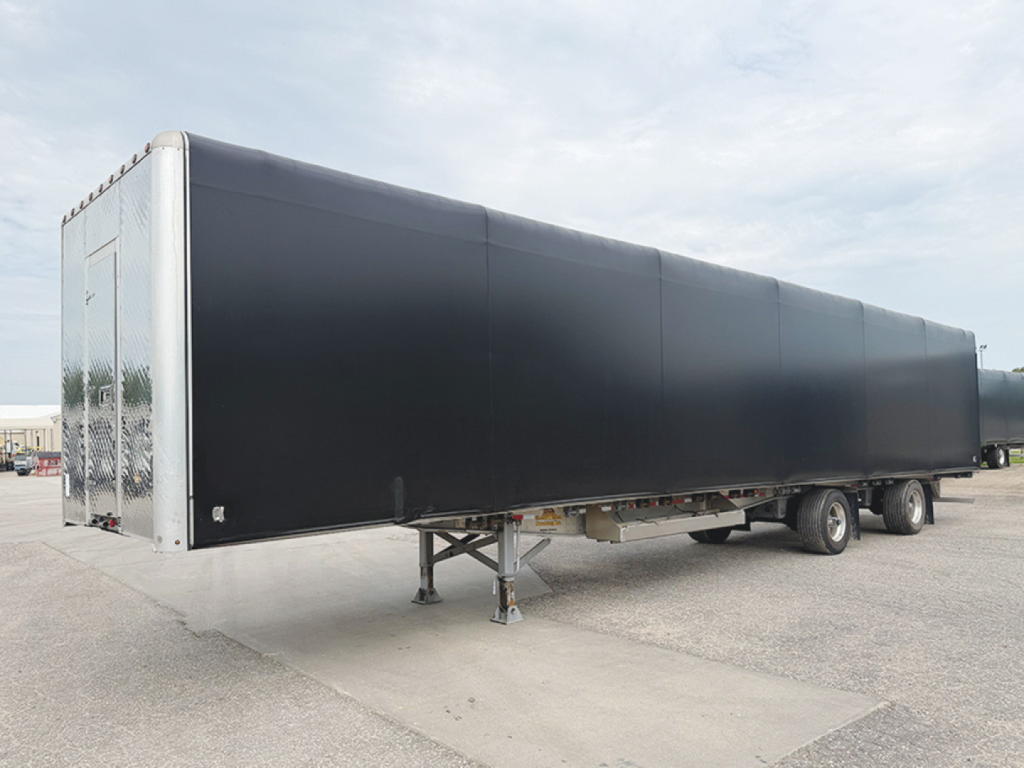
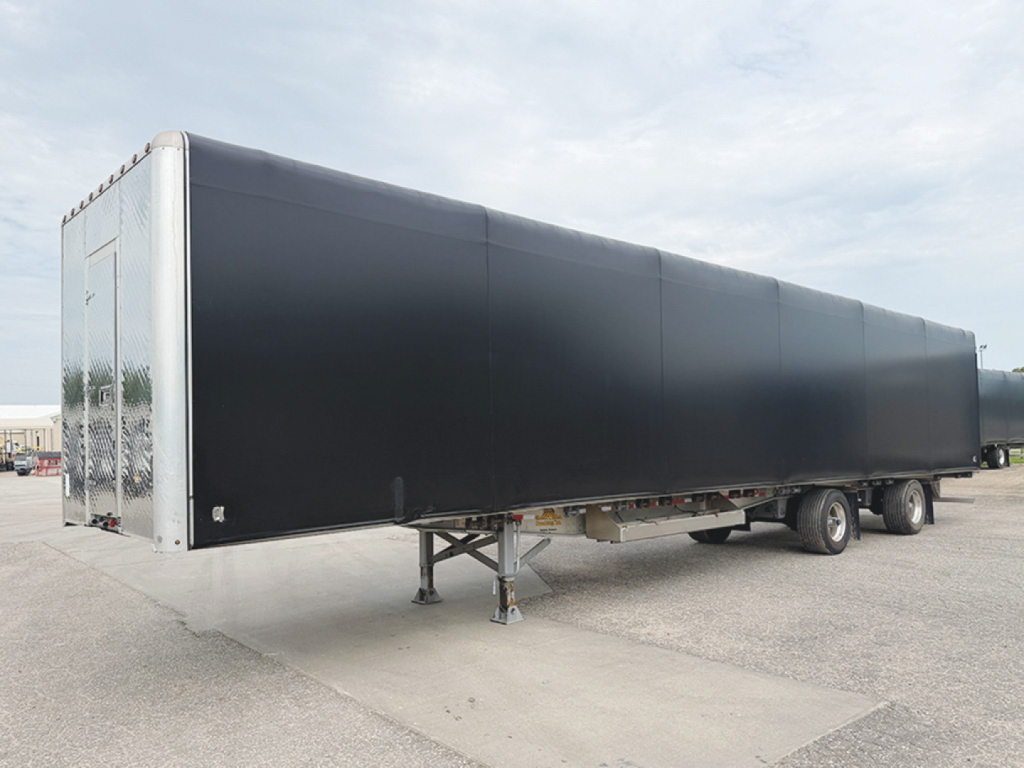
Have 2025 doonan trailer to sell? List it here to reach thousands of buyers.
2025 Doonan Trailers in Kansas
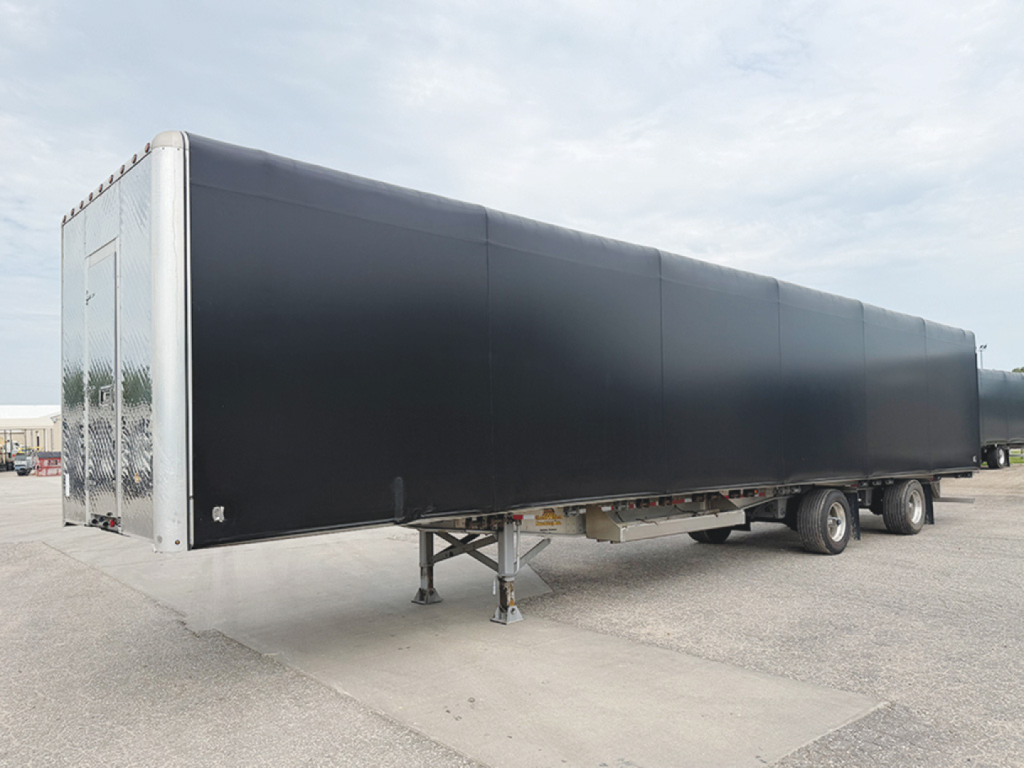
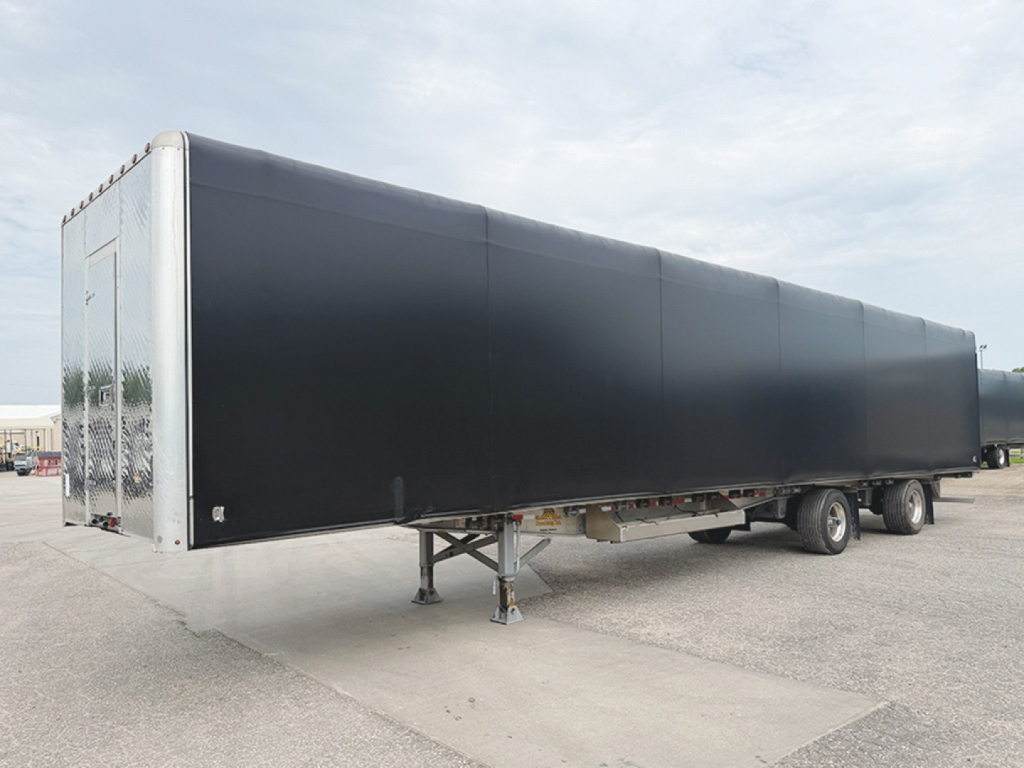
For buyers comparing 2025 Doonan curtainside trailers, the key specs usually start with deck length, axle configuration, and cargo securement layout. A 53-foot by 102-inch setup is standard for general freight and building products, and spread axle air ride remains a popular choice for load stability and legal weight distribution. Aluminum floors, nail strips, sliding winch tracks, winches, and coil packages matter because they determine how easily the trailer handles mixed freight, palletized material, and steel coils. A stainless steel bulkhead with door is also a practical feature on this type of trailer, giving front-end protection and walk-through access when drivers need to inspect or reposition freight.
Curtainside flatbeds are often chosen by carriers hauling freight that cannot be tarped efficiently or cannot tolerate weather exposure. They are widely used for packaged steel, lumber, machinery, bagged products, drywall, and other cargo that benefits from forklift loading from either side. The advantage over a standard van is side loading speed and oversize loading flexibility. The advantage over a conventional flatbed is cargo protection and less labor tied to tarping. Buyers should still inspect curtain condition, track operation, buckle hardware, and rear access points carefully, because those components take regular wear and directly affect uptime.
On late-model Doonan trailers, buyers should also pay attention to maintenance-saving features such as tire inflation systems, wheel and tire spec, and the condition of suspension and brake components. Super singles can reduce weight and simplify some service points, but fleets should match that choice to lane profile and roadside support preferences. Aluminum disc wheels, toolboxes, and double spool arrangements are useful details that add day-to-day practicality. For Kansas operators and regional fleets running the Plains and Midwest, a lightweight aluminum curtainside flatbed can be a strong fit for agricultural products, construction materials, and industrial freight where payload, weather protection, and quick loading all matter.
Frequently Asked Questions about 2025 Doonan Trailers in Kansas
What is a Doonan curtainside flatbed trailer used for?
A Doonan curtainside flatbed trailer is used for freight that needs the loading flexibility of a flatbed and the weather protection of an enclosed trailer. Common applications include building materials, palletized products, steel, machinery, and other cargo loaded by forklift from the side. It is especially useful when shippers want faster loading and unloading without the time and labor required for tarping.
What specs matter most when buying a 2025 Doonan trailer?
The most important specs depend on the freight, but buyers usually start with overall length, width, axle spacing, suspension type, floor construction, and securement equipment. On a curtainside flatbed, items like a sliding winch track, coil package, bulkhead design, nail strips, and curtain hardware are important because they directly affect cargo versatility and loading efficiency. Tire inflation systems, wheel type, and super single versus dual tire setups also matter for long-term operating cost.
Are aluminum Doonan trailers a good choice for payload-sensitive operations?
Yes. Aluminum trailer construction is a strong fit for payload-sensitive operations because it helps reduce tare weight compared with heavier steel builds. Lower empty weight can translate into more legal payload, which is valuable in commodity freight, building products, and other lanes where every pound matters. Buyers should still confirm that the trailer spec matches the freight concentration and securement demands of their operation.
What should I inspect on a used 2025 Doonan curtainside trailer?
Focus on the curtain system, track movement, buckles, floor condition, crossmember integrity, bulkhead, securement gear, suspension, brakes, and tire wear. On spread axle units, inspect alignment and axle condition closely, because uneven wear can create avoidable maintenance expense. Also check the tire inflation system, wheel condition, and any signs of impact damage around the rear frame, side posts, or forklift loading areas.
Why do fleets choose a curtainside instead of a dry van or standard flatbed?
Fleets choose curtainsides when they need a middle ground between a dry van and a standard flatbed. A curtainside protects cargo from weather and road spray while allowing side access for forklifts and irregular loading patterns. Compared with a flatbed, it reduces tarping time and can improve driver efficiency. Compared with a van, it offers faster loading for freight that is difficult to dock load or unload.