
Doonan Trailers For Sale
Browse Doonan trailers for sale, including flatbed and drop deck models known for lightweight construction, payload efficiency, and durable specs.

Selling a doonan trailer? List your doonan trailer for sale and reach thousands of commercial buyers.
Doonan Trailers
On flatbeds, the details that matter most are floor type, tie-down layout, and axle configuration. Many Doonan aluminum flatbeds are spec'd with aluminum flooring, nail strips, sliding winch tracks, winches, and coil packages. Those features make a difference for carriers hauling mixed freight one day and steel coils the next. Spread axle air ride configurations are especially common because they help distribute weight and improve ride quality, while low-profile 22.5 tires or 17.5 tires may appear depending on the trailer's intended deck height and application. Buyers should compare crossmember spacing, tool box provision, tire size, wheel material, and overall empty weight, since those factors directly affect payload, service life, and maintenance cost.
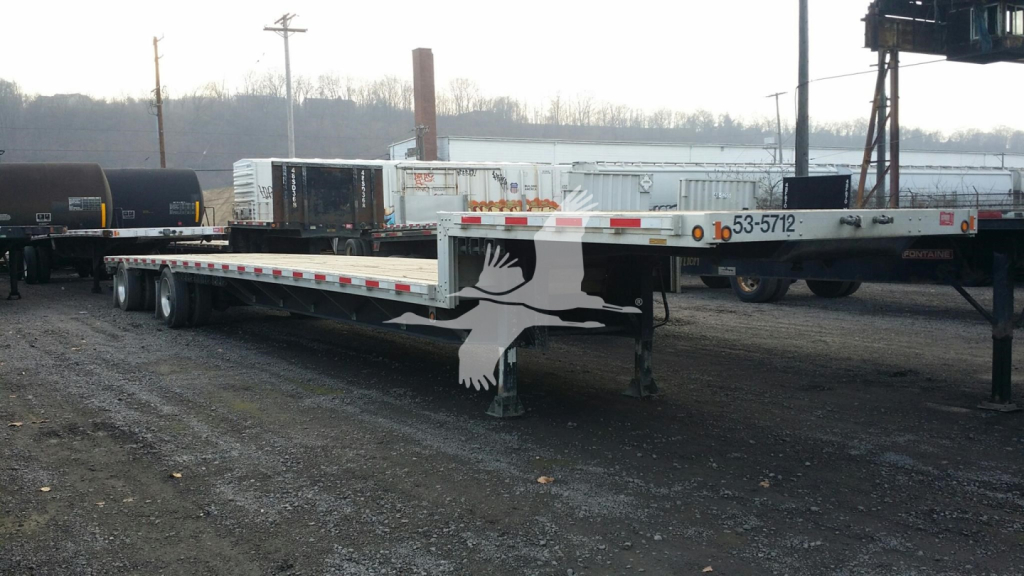
Doonan drop deck trailers appeal to operators who need lower deck height for taller freight without stepping up to a specialized lowboy. A 53-foot step deck with air ride spread axles is a common regional and over-the-road spec for equipment, crated freight, and loads that regularly push height limits on a standard flatbed. Combination construction, often called combo construction, can offer a useful middle ground between all-steel toughness and all-aluminum weight savings. Features like aluminum floors, sliding winches, side rails, and standard landing gear are worth reviewing closely because they shape how quickly a trailer can be loaded, secured, and turned at the dock or jobsite.
When comparing used Doonan trailers, condition matters as much as base spec. Check for frame repairs, neck or transition-area stress, floor wear, winch track damage, suspension condition, and axle alignment. On open-deck equipment, maintenance history and signs of hard steel hauling tell you a lot about remaining service life. A well-spec'd Doonan can be a strong choice for fleets and owner-operators who want a trailer that stays competitive on payload, handles general freight well, and still supports specialized securement needs like coil hauling or taller deck freight.
Frequently Asked Questions about Doonan Trailers
What types of trailers is Doonan best known for?
Doonan is most commonly associated with open-deck trailers, especially aluminum flatbeds and drop deck trailers. In many used trailer listings, the brand appears in 53-foot flatbed and step deck configurations with 102-inch width, air ride suspension, and spread axle setups. These trailers are widely used for steel, construction materials, machinery, and palletized freight because they offer flexible securement and strong payload efficiency.
Are Doonan trailers typically aluminum or steel?
Many Doonan trailers are built with aluminum or combination construction. Aluminum flatbeds are popular because lower tare weight can improve legal payload. Combination, or combo, construction blends steel and aluminum to provide a balance of strength and weight savings. The right choice depends on freight type, route conditions, and how much abuse the trailer will see in daily loading.
What should I look for on a used Doonan flatbed or drop deck?
Focus on structural condition first. Inspect the main frame, crossmembers, floor, neck area, suspension, and axle alignment. On flatbeds, look closely at the sliding winch track, rub rail, stake pockets, nail strips, and any coil package components. On drop decks, pay extra attention to the transition points and lower deck area, since those sections often take the most stress. Tire size, wheel type, and suspension condition also affect maintenance cost and operating fit.
Why are spread axle and air ride specs common on Doonan trailers?
Spread axle configurations help distribute weight and can improve bridge law compliance depending on the load and jurisdiction. Air ride suspension is popular because it offers better ride quality for freight and can reduce shock on both cargo and trailer structure. On flatbed and drop deck work, that combination is often preferred for mixed freight, higher-value cargo, and general over-the-road use.
Is a Doonan drop deck a good alternative to a flatbed?
A Doonan drop deck is a strong option when freight regularly runs too tall for a standard flatbed. The lower rear deck helps carriers stay within legal height limits while still hauling equipment, crated machinery, and other taller loads. If most loads fit standard deck height, a flatbed may offer simpler loading and slightly lower complexity. If height flexibility is important, a step deck can open up more load opportunities without moving into a more specialized trailer class.