
2023 Trailers For Sale in New Mexico
Browse 2023 trailers for sale in New Mexico, including reefer, dump, lowboy, and more with specs that matter for hauling, payload, and uptime.
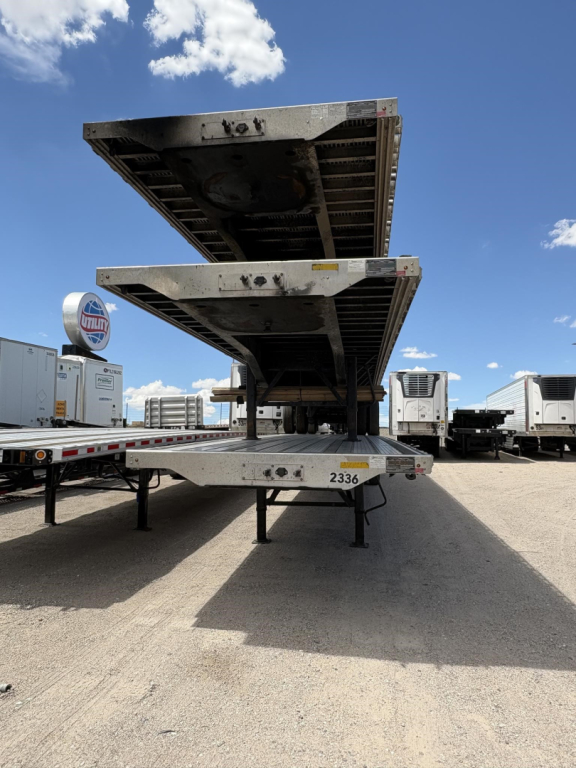
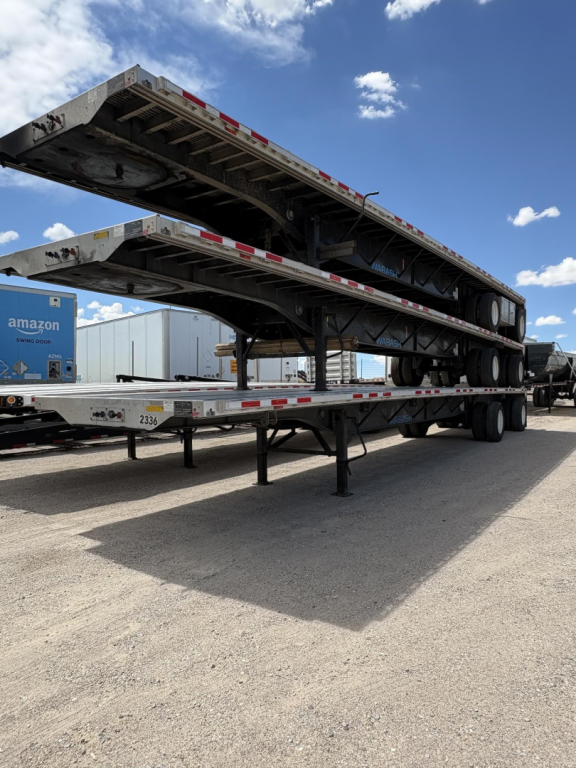
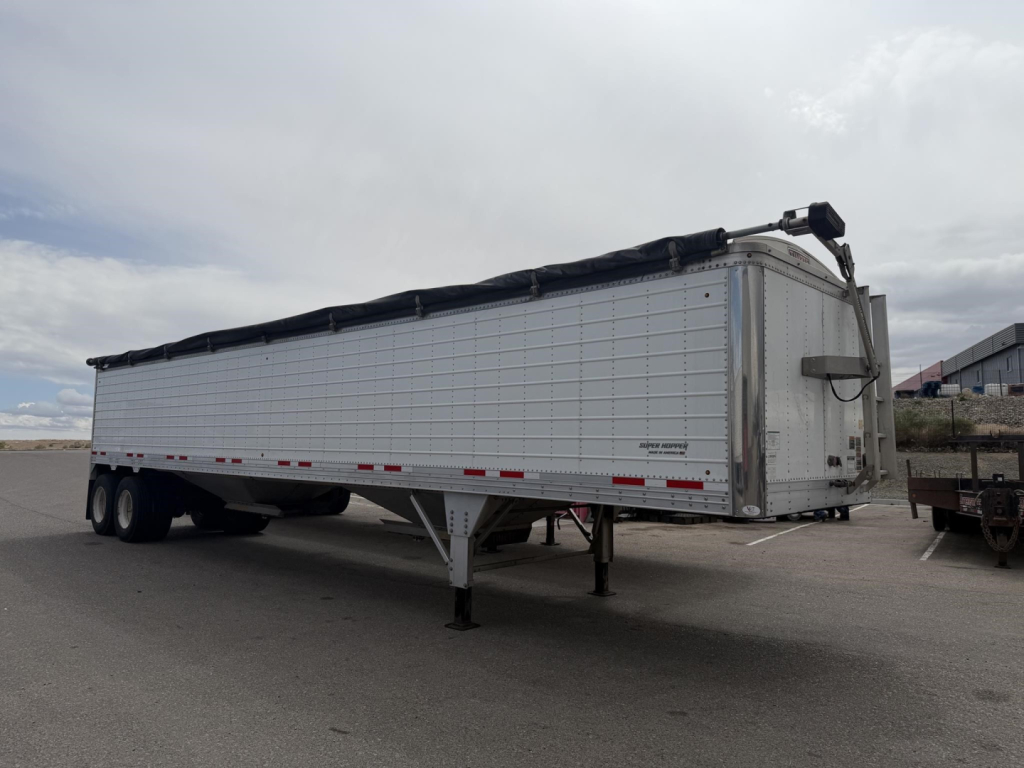
Selling a 2023 trailer? List your 2023 trailer for sale and reach thousands of commercial buyers.
2023 Trailers in New Mexico
On reefer trailers, the core buying points are unit brand, reefer hours, floor construction, suspension, and axle setup. Common late-model specs include 53-foot by 102-inch dimensions, air ride suspension, sliding tandems, aluminum duct floors, scuff liners, bulkheads, and rear swing doors. Buyers hauling produce, frozen freight, dairy, or mixed LTL should look closely at chute design, start-run capability, insulation condition, door seal integrity, and telematics or tire inflation systems if equipped. In a hot, dry state like New Mexico, reefer performance under high ambient temperatures is not a small detail. Unit service history, evaporator condition, and airflow through the duct floor matter as much as the trailer shell.
For dump trailers, the main choices usually come down to frameless versus frame type, aluminum versus steel construction, side height, cubic yard capacity, suspension, gate design, and tarp system. Aluminum end dumps favor payload and corrosion resistance, while steel tubs are common where abrasion resistance matters more, especially with rock, demolition, or heavier material. Specs like half-round bodies, electric tarps, liners, top-hinge or high-lift gates, and tandem axle air ride setups are common on late-model dumps. Buyers running in and out of quarries, paving work, or rural job sites should pay attention to tub material, hoist geometry, gate seal design, and tire size because those details affect clean dump cycles, stability, and operating cost.
Lowboys and other equipment trailers in this year range are typically judged on rated capacity, well length, neck style, deck configuration, axle count, and tie-down layout. A mechanical detachable neck can be a practical fit for fleets moving construction iron without the added complexity of a hydraulic neck. Wood decks, outriggers, ramp configuration, bucket wells, and air ride suspensions are all worth comparing based on the machines being hauled. Across all 2023 trailers, buyers should verify brake type, wheel-end condition, suspension wear, kingpin area integrity, frame or subframe condition, tire date codes, and how the trailer is spec'd for regional weight laws. The best trailer is the one whose dimensions, construction, and running gear match the freight, not just the one with the newest badge.
Frequently Asked Questions about 2023 Trailers in New Mexico
What should I look for when buying a 2023 trailer in New Mexico?
Start with the application and regional operating conditions. New Mexico fleets often deal with long highway miles, heat, elevation changes, and a mix of freight types, so buyers should focus on suspension type, brake configuration, tire spec, axle placement, and overall trailer construction. On reefers, reefer hours and cooling performance are critical. On dumps, tub material, gate style, and tarp design matter. On lowboys, capacity, deck length, and neck style are the main decision points. A 2023 trailer should also be checked for service records, tire age, brake wear, and any signs of frame, kingpin, or suspension damage.
Is a 2023 reefer trailer a good choice for produce and temperature-controlled freight?
Yes, a 2023 reefer trailer can be a strong fit for produce, frozen loads, dairy, and other temperature-sensitive freight if the refrigeration unit, insulation, and airflow components are in good condition. Buyers should confirm reefer unit hours, maintenance history, start-run functionality, floor type, chute condition, and door seal integrity. A late-model reefer with air ride, sliding tandems, duct flooring, and good interior lining can support efficient temperature control and cargo protection on both regional and long-haul lanes.
What is the difference between an aluminum dump trailer and a steel dump trailer?
An aluminum dump trailer is typically lighter, which helps maximize payload and improve fuel efficiency, while a steel dump trailer is generally preferred for more abrasive materials and tougher jobsite conditions. Aluminum half-round end dumps are common in aggregate and bulk hauling where weight savings matter. Steel tubs are often chosen for demolition, scrap, or severe-use applications where impact resistance is a priority. The right choice depends on material type, haul distance, and the balance you need between payload and durability.
Why does axle configuration matter on a 2023 trailer?
Axle configuration affects weight distribution, maneuverability, tire wear, and how the trailer fits your freight lanes and state regulations. Sliding tandems are common on van and reefer trailers because they give flexibility for bridge law and dock positioning. Fixed axles are common on many dump and specialized trailers where body design and load stability are the priority. Tri-axle lowboys and equipment trailers are used to spread heavier loads across more points. Buyers should match axle setup to payload, route requirements, and loading style.
Are 2023 lowboy trailers suitable for construction and equipment hauling?
Yes, 2023 lowboy trailers are well suited for hauling construction machinery, agricultural equipment, and other heavy loads when the trailer's rated capacity and deck design match the machine. Key factors include detachable neck style, well length, overall deck length, axle count, ramp setup, and tie-down points. Buyers should also look at deck condition, suspension, and any outriggers or bucket wells that improve versatility. A properly spec'd lowboy can handle taller and heavier equipment more efficiently than a standard deck trailer.