
2019 Trailers For Sale in Pennsylvania
Shop 2019 trailers for sale in Pennsylvania, including dry vans, flatbeds, and drop decks with specs that matter for freight, weight, and uptime.
Learn more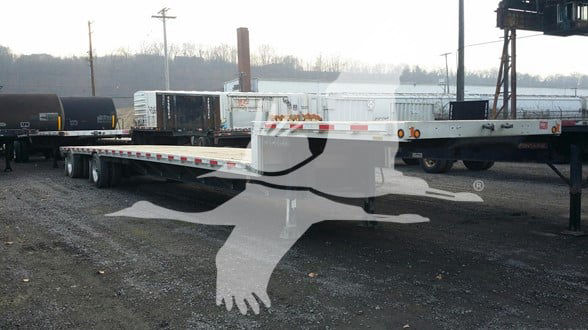





Showing 49 to 56 of 56 results
Have 2019 trailer to sell? List it here to reach thousands of buyers.
About 2019 Trailers in Pennsylvania
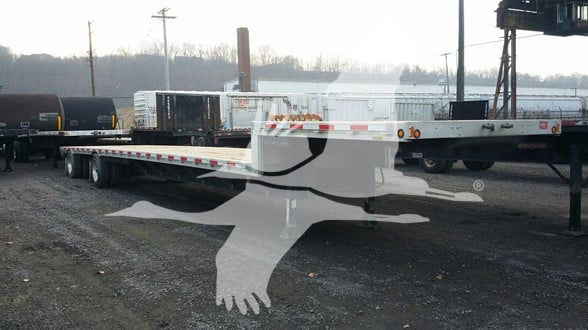
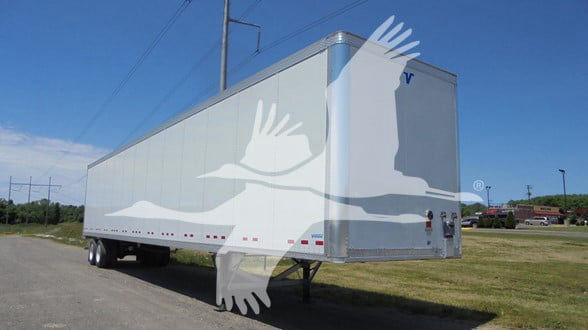
This category can include several trailer types, and the right choice starts with freight. Dry van trailers, also known as van trailers or enclosed freight trailers, are commonly found in 53-foot by 102-inch configurations with swing doors, logistic posts, scuff liners, wood or composite floors, and tandem sliding axles. Buyers should pay attention to roof material, sidewall construction, rear frame condition, crossmember spacing, and kingpin setting, especially if the trailer will cycle through tight northeastern docks. On flatbed and drop deck trailers, the decision usually comes down to deck length, loaded deck height, axle spread, weight, and securement package. Features like winch tracks, sliding winches, stake pockets, pipe spools, nail strips, coil packages, and aluminum construction have a direct effect on how versatile the trailer will be and how much payload it can legally carry.
For Pennsylvania buyers, undercarriage condition matters as much as body spec. Road salt and seasonal moisture can accelerate wear on rear frames, landing gear, crossmembers, brake components, and wiring. Check suspension brand and setup, brake life, tire size commonality, wheel material, and whether the axle configuration is fixed, sliding, or spread. On van trailers, look hard at door seals, threshold plates, scuff damage, lining, and floor repairs from forklift traffic. On open-deck trailers, inspect side rails, deck straightness, concentrated load ratings, dump valves, and any signs of overloading around the neck, axle slider, or coil area.
A well-matched 2019 trailer should fit the freight first, then the operating area, then the maintenance program. A fleet pulling dense freight may prioritize lighter aluminum specs and scalable payload. A buyer serving steel, machinery, or building products may focus on coil packages, extra crossmembers, and tie-down flexibility. Regional van work may call for durable interiors, swing doors, and proven air ride components that are easy to service. When comparing listings, the most useful differences are usually in configuration details, not just age or brand.
Frequently Asked Questions
What should I look for first when buying a 2019 trailer?
Start with trailer type and configuration, then move to condition. Length, axle setup, suspension, floor type, door style, and securement equipment determine whether the trailer fits your freight. After that, inspect structural areas such as crossmembers, side rails, landing gear mounts, rear frame, and kingpin area. On a 2019 trailer, maintenance history and actual wear usually matter more than the model year alone.
Are 2019 trailers in Pennsylvania more likely to have corrosion issues?
They can be, especially on undercarriage components exposed to road salt and winter moisture. Buyers should inspect brake hardware, air tanks, wiring, rear impact guard, axle and suspension mounts, landing gear, and steel substructures for rust scaling or repairs. Aluminum trailer bodies and decks help with weight and corrosion resistance, but mixed-material trailers still need careful inspection where steel and aluminum components meet.
What is the most common 2019 trailer setup for dry van freight?
A common setup is a 53-foot by 102-inch tandem axle van trailer with air ride suspension, swing doors, a wood floor, logistic posts, scuff liners, and a sliding tandem. That specification works well for general freight, warehouse loading, and dock-height operations. Buyers should also compare inside height, roof type, lining condition, and floor wear if the trailer will handle heavy forklift traffic or palletized freight.
What features matter most on a 2019 flatbed or drop deck trailer?
Payload capacity, deck configuration, axle spread, and securement equipment are the biggest factors. Aluminum construction reduces tare weight, while coil packages, extra crossmembers, winch tracks, sliding winches, pipe spools, and stake pockets improve freight versatility. On drop decks, loaded deck height and upper deck length are especially important because they affect machine hauling, legal height, and how easily the trailer handles taller freight.
Is a 2019 trailer old enough that parts availability becomes a problem?
Generally, no. Most 2019 trailers use common running gear and service parts from major component suppliers such as Hendrickson, Jost, Bendix, and standard wheel-end, brake, and lighting manufacturers. Parts support is usually strong, but buyers should still verify tire size, suspension model, brake type, and any specialized equipment such as tire inflation systems or lift axle controls to keep maintenance simple across the fleet.