
2019 Flatbed Trailers For Sale in Pennsylvania
Shop 2019 flatbed trailers in Pennsylvania. Compare 48' to 53' specs, aluminum or steel construction, axle setups, and load securement options.


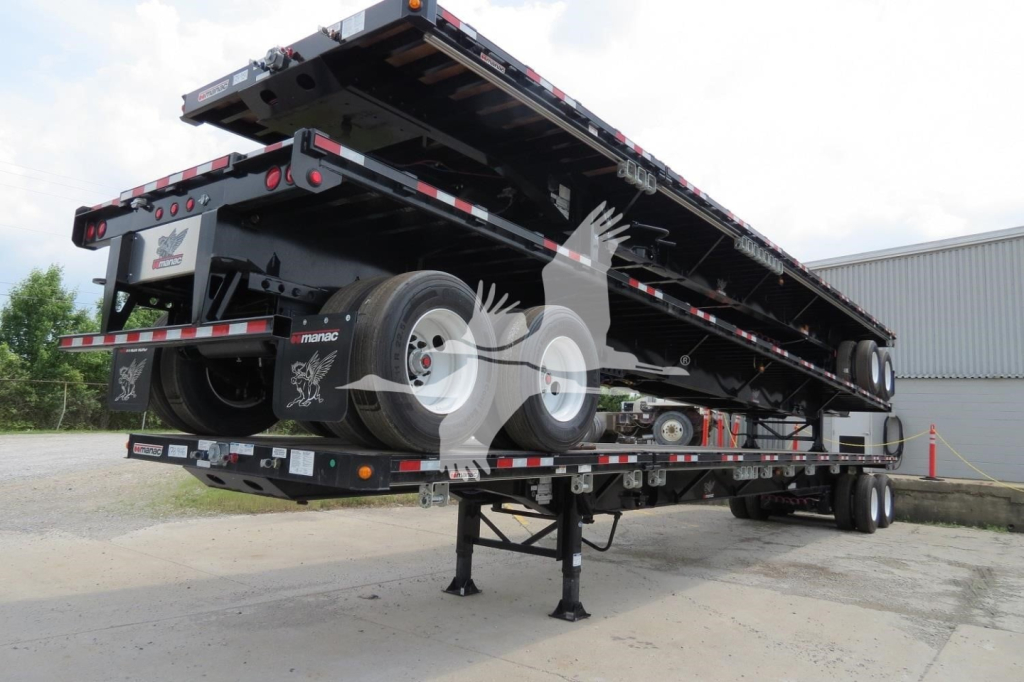
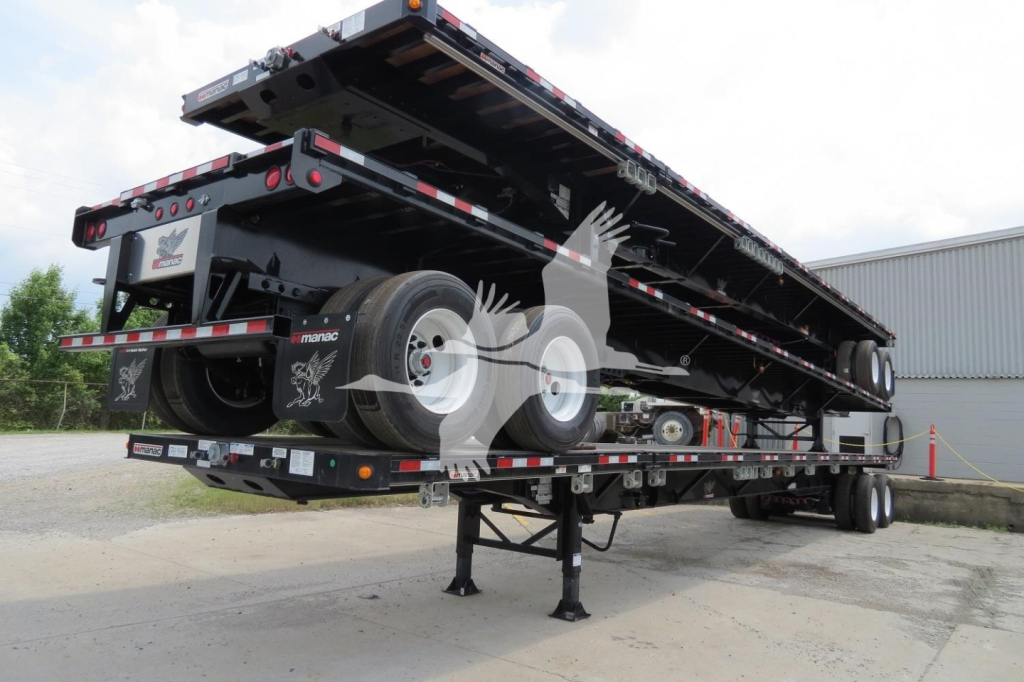
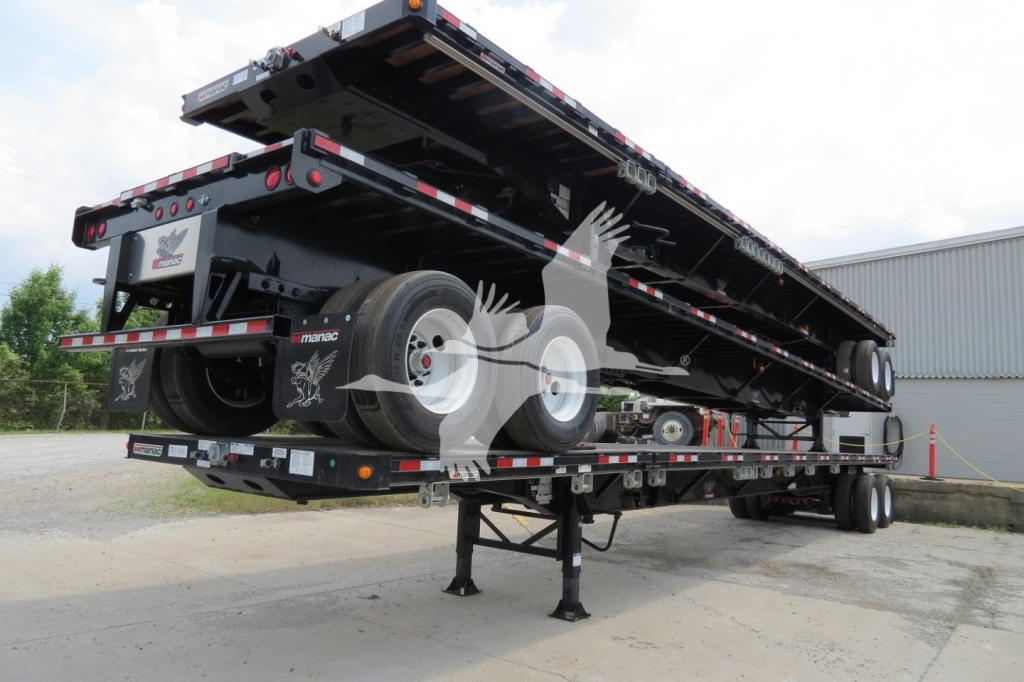





Selling a 2019 flatbed trailer? List your 2019 flatbed trailer for sale and reach thousands of commercial buyers.
2019 Flatbed Trailers in Pennsylvania
The spec sheet matters more than the model year on a flatbed. Suspension type is one of the first decisions to sort out. Air ride is common on higher-spec highway trailers because it helps protect freight and improves ride quality, while spring ride is still found on durable, straightforward specs used in tougher service. Pay attention to kingpin setting, axle spacing, suspension setting, crossmember spacing, and overall deck rating. A standard 30-inch kingpin setting is common, but weight distribution and bridge compliance can vary depending on the trailer’s intended lanes and the tractor it will run behind. For Pennsylvania operators hauling legal loads across state lines, axle spread, slider function, and overall empty weight can affect revenue every trip.
Deck and securement setup are just as important. Common floor choices include full aluminum, apitong, or mixed flooring with aluminum structure and wood nailer strips. Buyers hauling steel, lumber, crated freight, or machinery should look closely at winch track location, number of sliding winches, pipe spools, chain tie-downs, and any coil package. Crossmember centers, often 12 inches or 15 inches, influence deck strength and how the trailer handles concentrated loads. Bulkheads, scuff protection, landing gear brand, rear bumper style, and mud flap bracket placement also matter in daily use, especially for drivers loading with forklifts or securing freight in bad weather.
A 2019 flatbed trailer can fit a wide range of applications, from general freight and building materials to dedicated steel or machinery lanes. The strongest value is usually found in a trailer with a clean frame, straight rails, sound floor condition, properly operating landing gear, and no neglect in the suspension, brakes, hubs, or lighting. Buyers should inspect for deck wear, crossmember damage, corrosion around the rear, slider wear points, fifth wheel plate condition, and signs of overloading or concentrated load abuse. A well-spec'd 2019 flatbed can still be a very productive trailer for regional or over-the-road use if the configuration matches the freight.
Frequently Asked Questions about 2019 Flatbed Trailers in Pennsylvania
What should I look for first when buying a 2019 flatbed trailer?
Start with the trailer’s core structure and spec match. Check frame rails, crossmembers, floor condition, suspension, brakes, tire wear, wheel ends, and landing gear operation. Then confirm the trailer is set up for the freight you actually haul, including length, construction material, winch track, sliding winches, pipe spools, chain tie-downs, and any coil package. A sound 2019 flatbed with the right securement setup is usually a better buy than a newer trailer with the wrong configuration.
Is an aluminum or steel 2019 flatbed trailer better?
It depends on payload goals and operating conditions. Aluminum flatbeds are typically lighter, which helps maximize legal payload and fuel efficiency, and they are common in highway freight service. Steel flatbeds are usually heavier but can be attractive in hard-use applications where buyers value durability and straightforward repairs. The better choice comes down to freight type, route profile, maintenance practices, and how much tare weight matters to your business.
What trailer length is most common for a 2019 flatbed?
The most common lengths are 48 feet and 53 feet, both at 102 inches wide. A 48-foot flatbed is still widely used and can be a strong fit for regional freight and certain customer requirements. A 53-foot flatbed gives more deck space and can improve flexibility for longer freight, but buyers need to consider axle placement, bridge laws, and how the trailer matches their tractor wheelbase and typical lanes.
Does suspension type matter on a used 2019 flatbed trailer?
Yes. Air ride is generally preferred for highway use and more sensitive freight because it offers a smoother ride and can help reduce cargo shock. Spring ride remains common on simpler, rugged specs and can be easier to maintain in some fleets. On a used 2019 trailer, condition matters as much as design, so inspect bushings, hangers, shocks if equipped, air bags or springs, and slider components for wear.
Are flatbed trailers in Pennsylvania typically spec'd differently for regional work?
They often are. Pennsylvania freight can include steel, construction products, machinery, and building materials, so many regional flatbeds are spec'd with practical securement features such as winch tracks, multiple sliding winches, pipe spools, and durable flooring. Buyers working the Northeast should also pay close attention to corrosion exposure, brake and light condition, and axle settings that support legal weight distribution on multi-state routes.