
2018 Trailers For Sale in Pennsylvania
Browse 2018 used trailers in Pennsylvania, including dry vans, flatbeds, lowboys, and specialty trailers built for freight and heavy haul work.
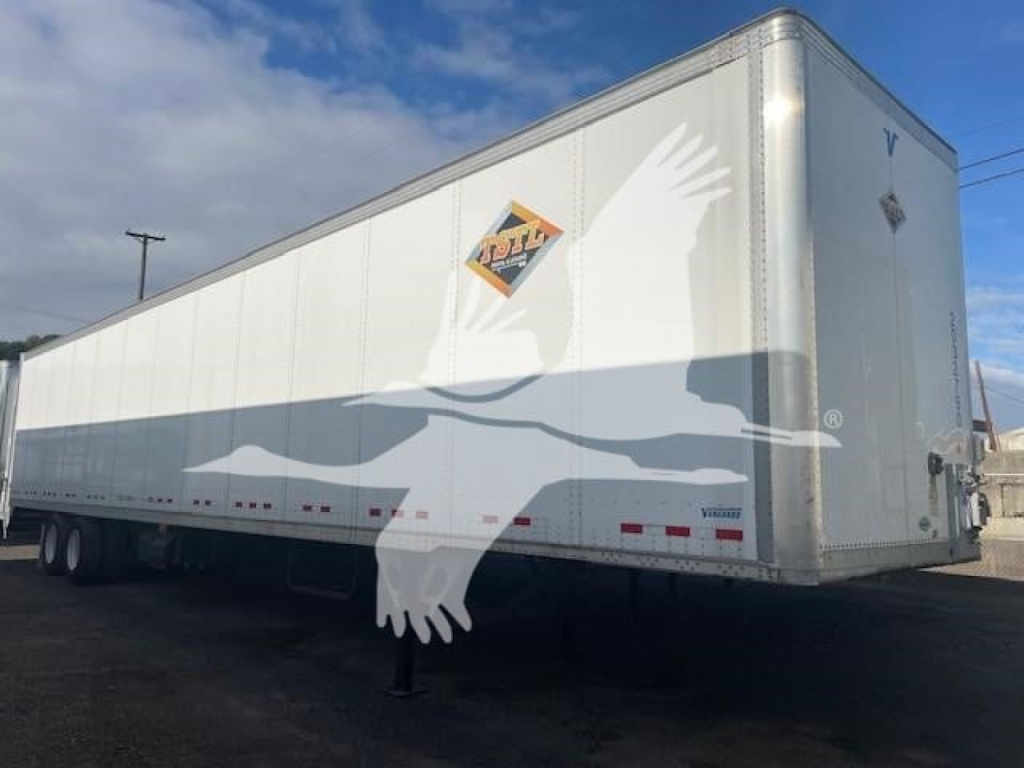
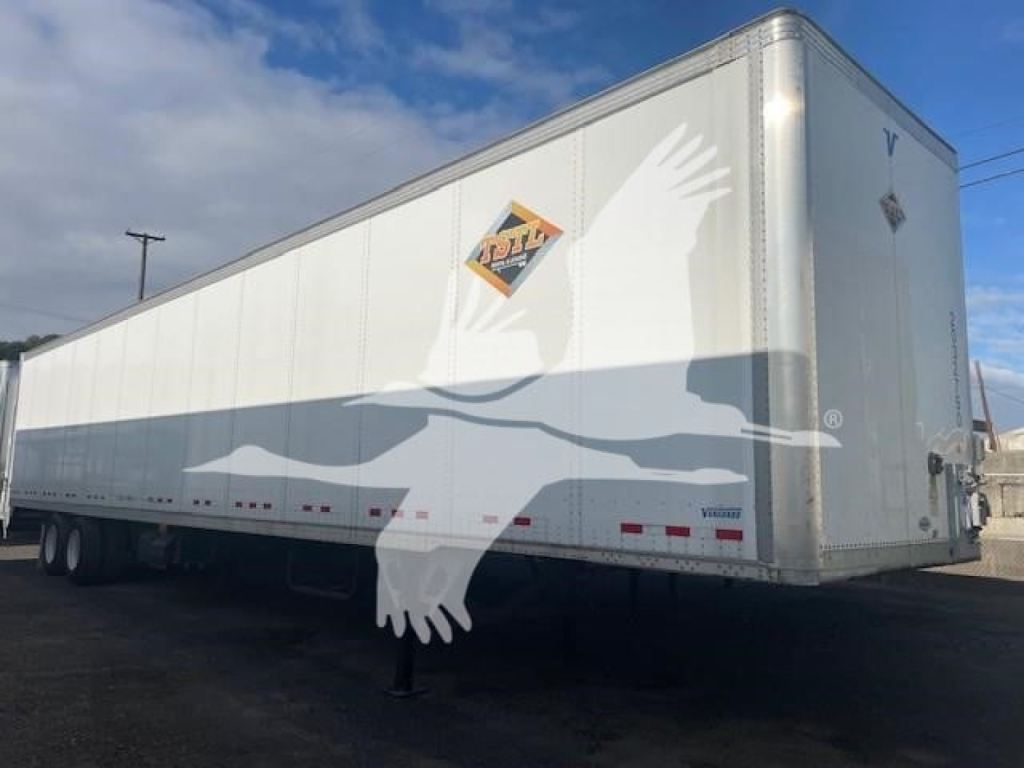
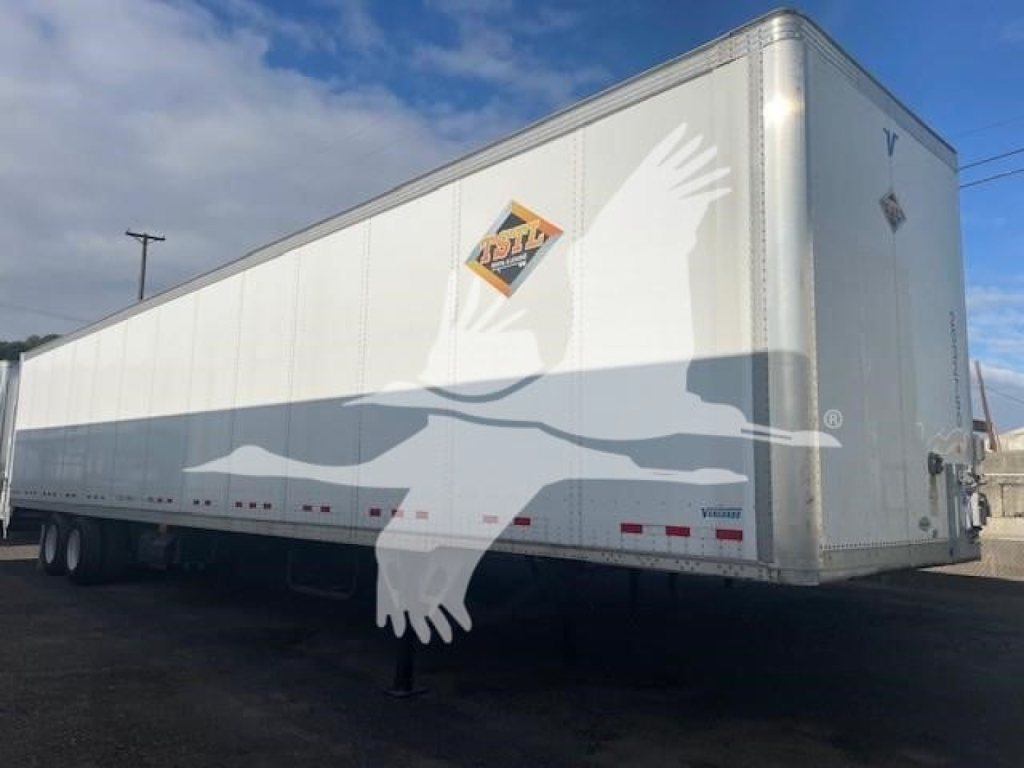
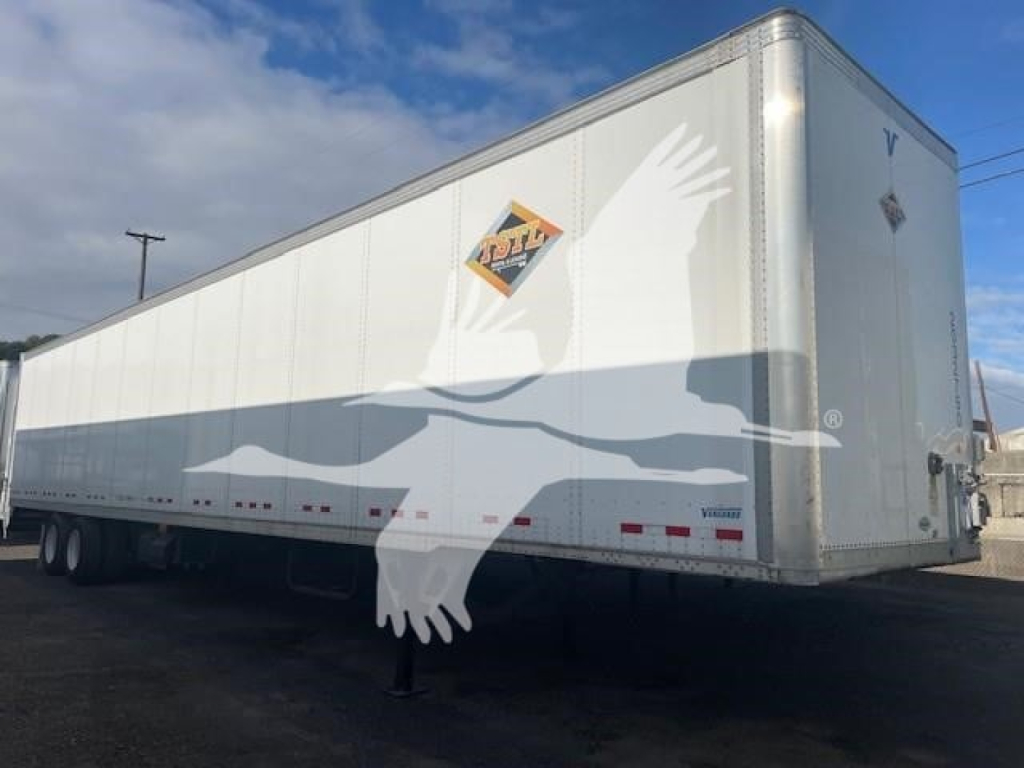
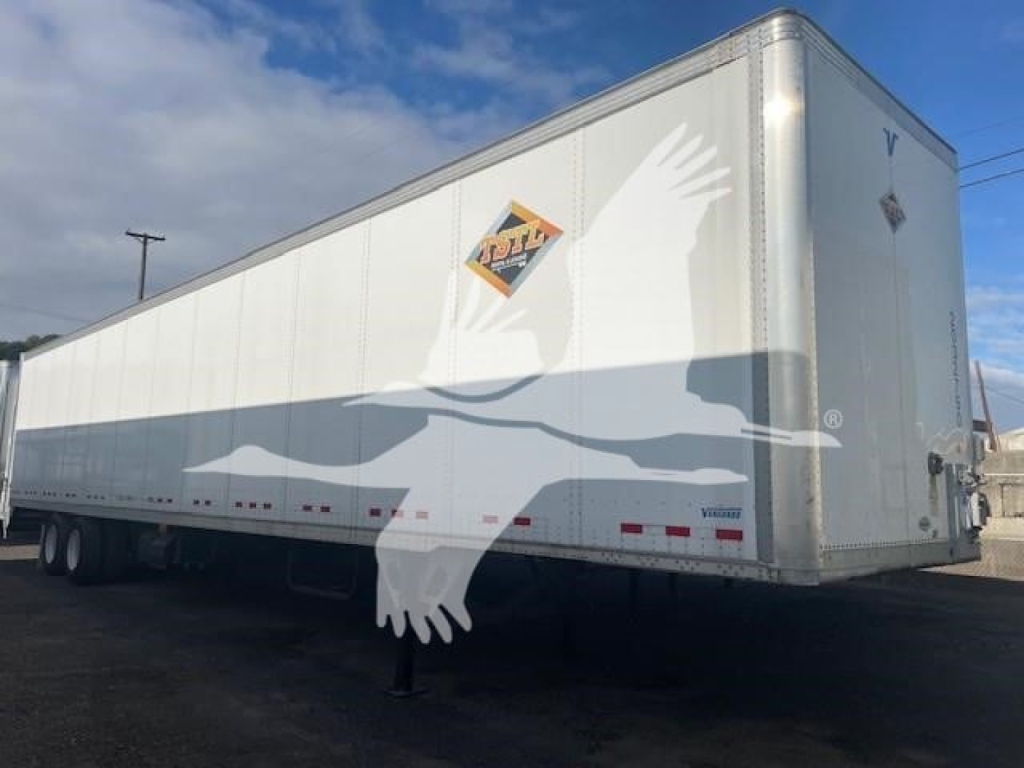
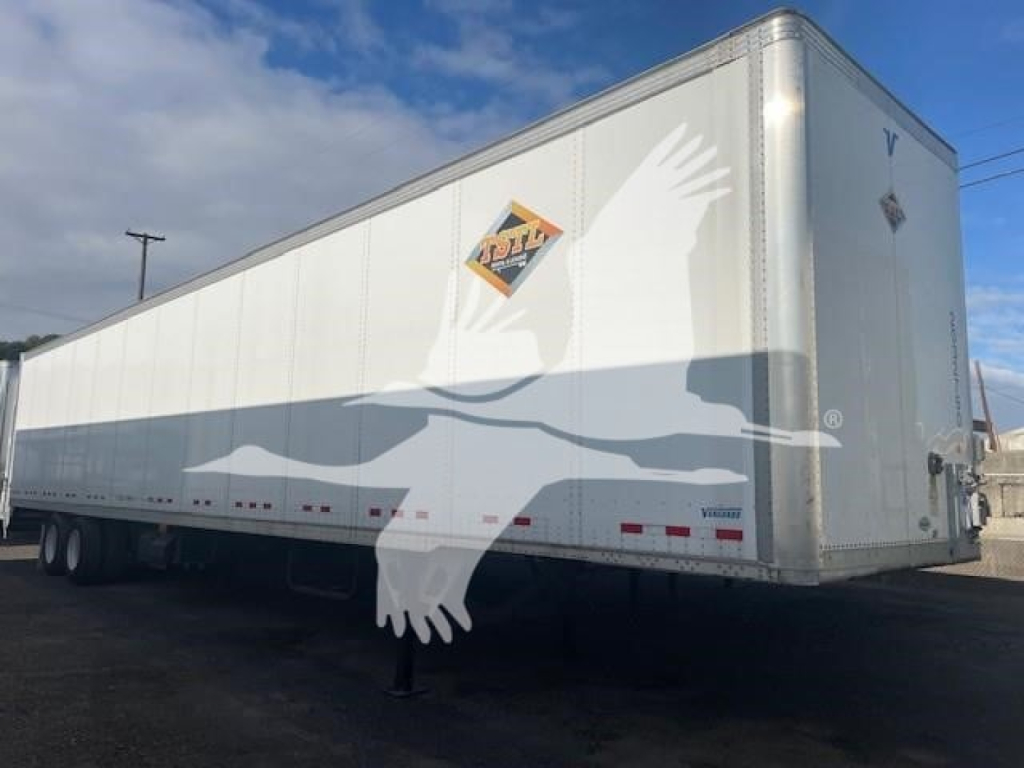
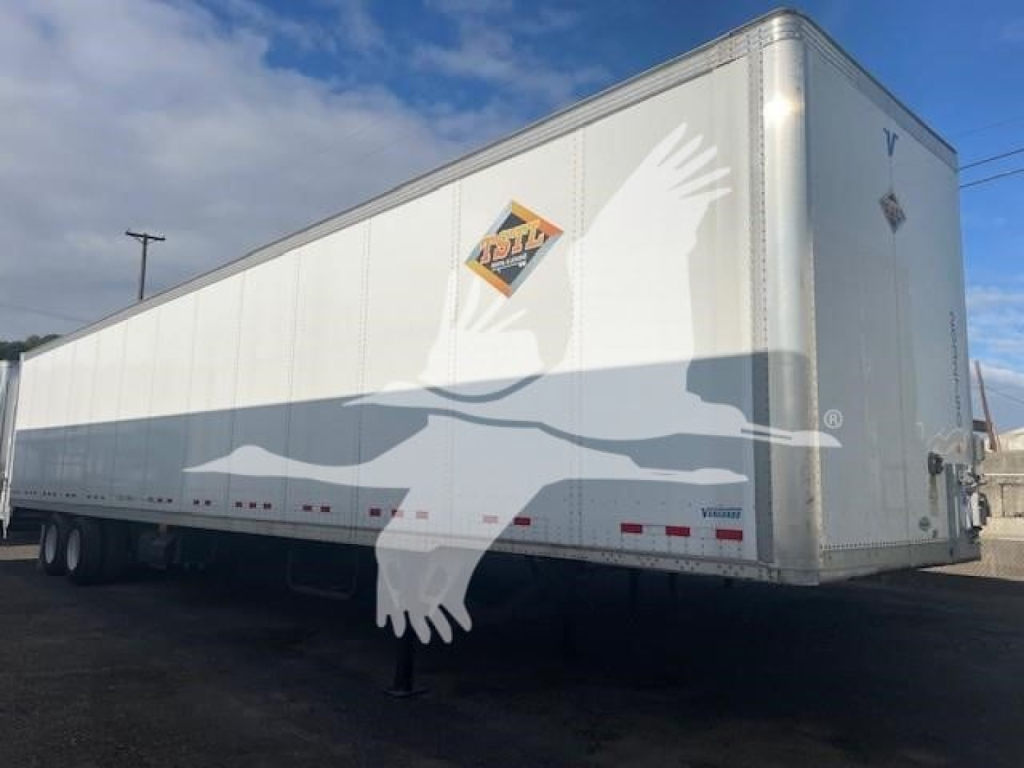
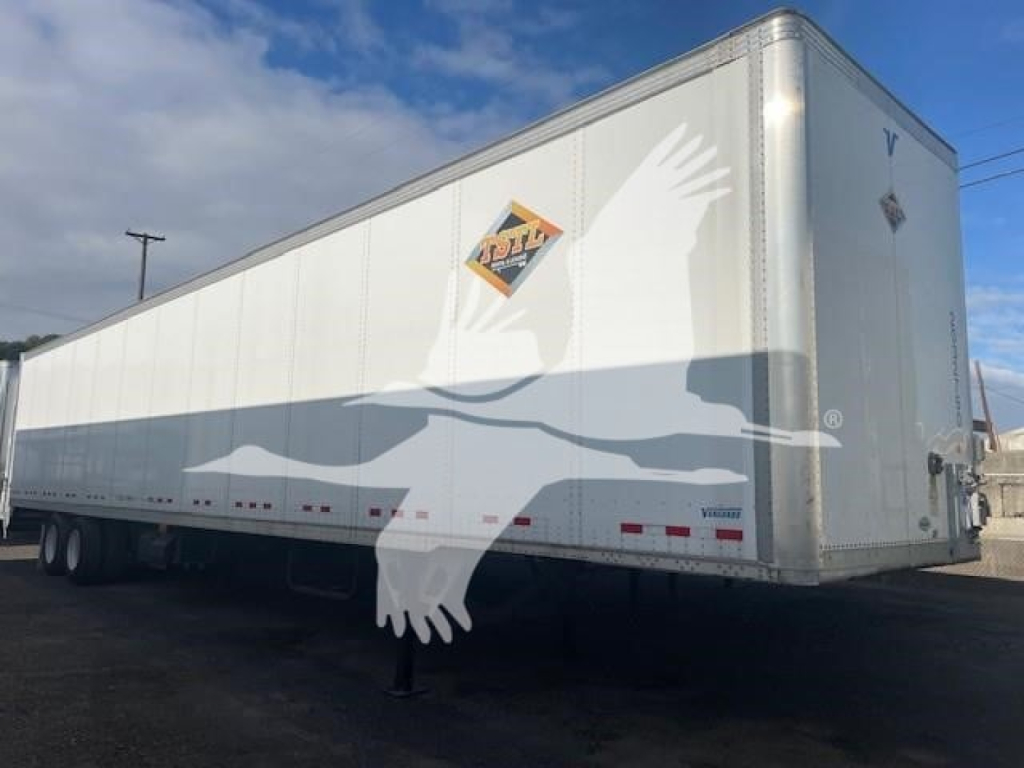
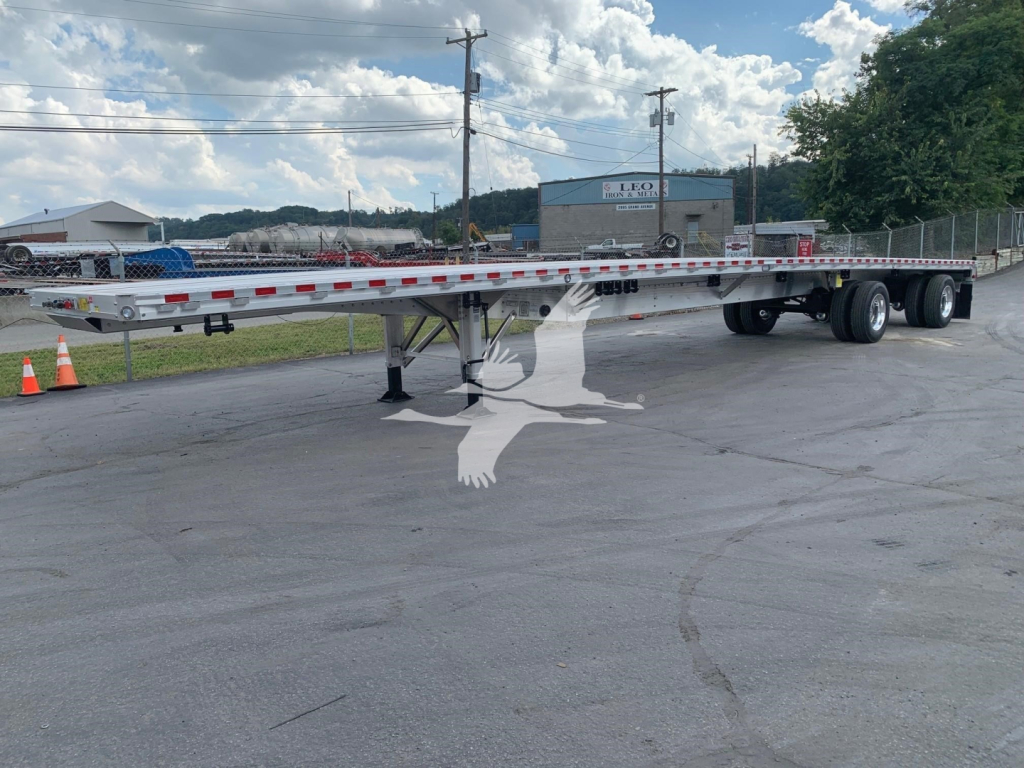
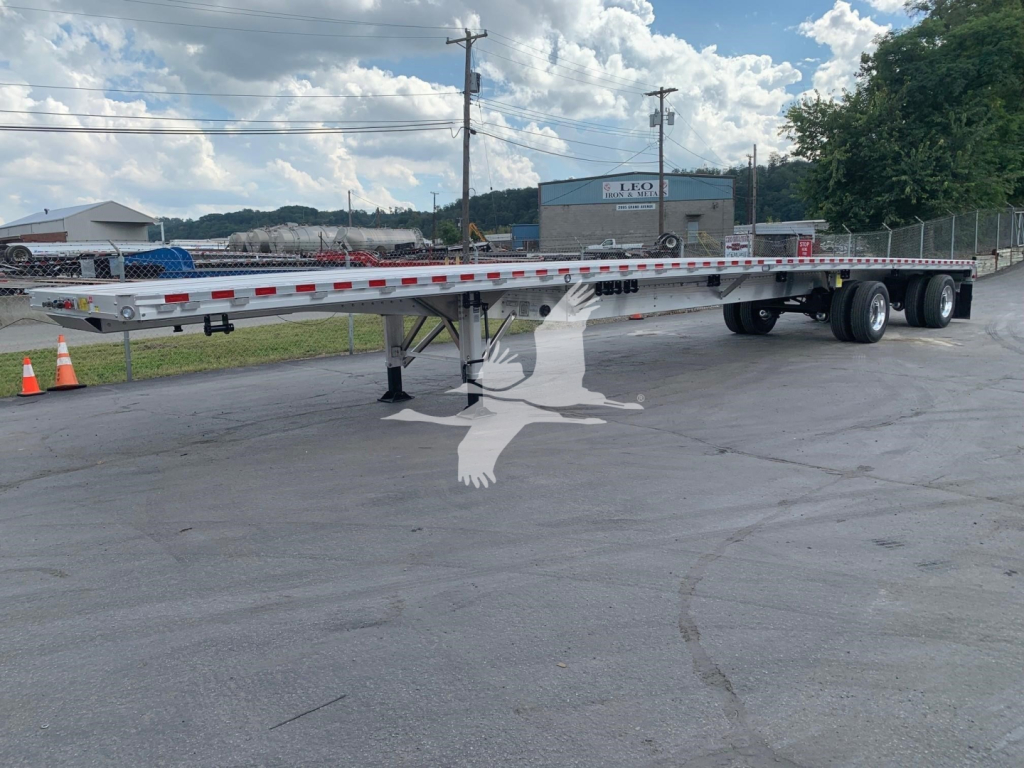
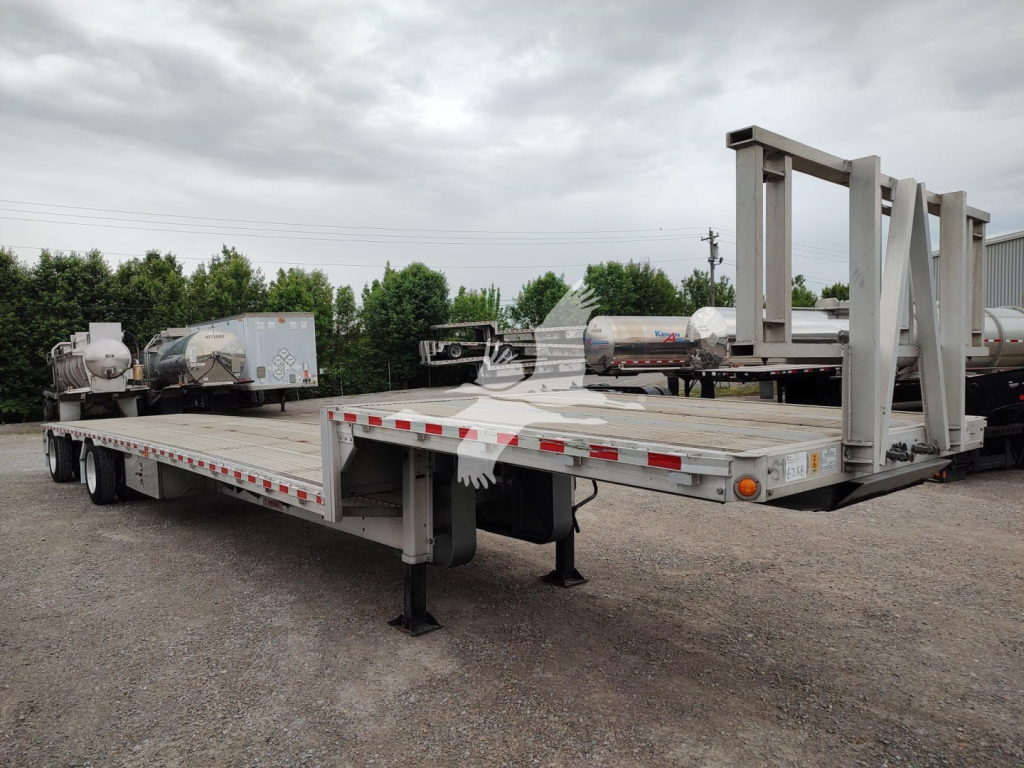
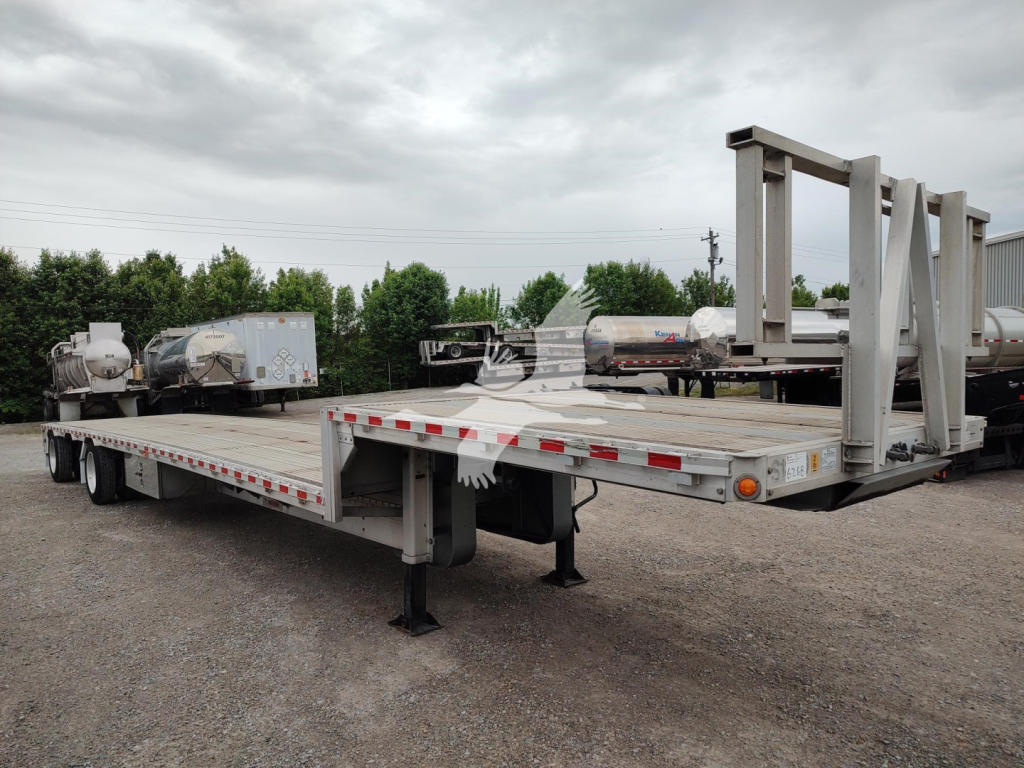
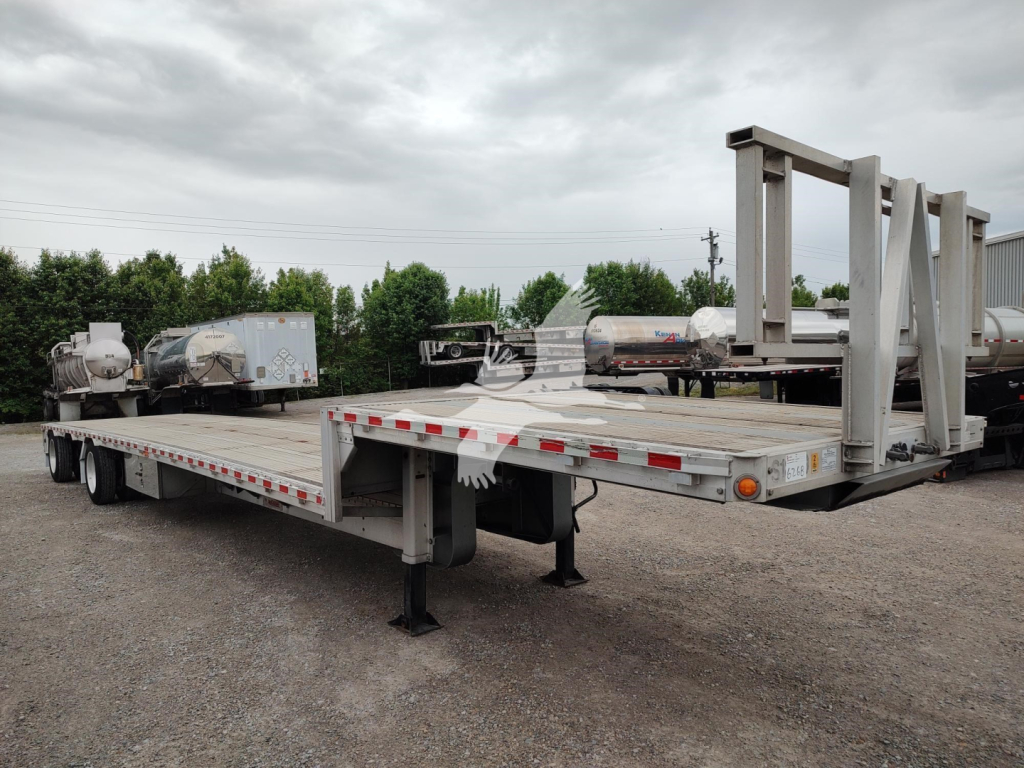
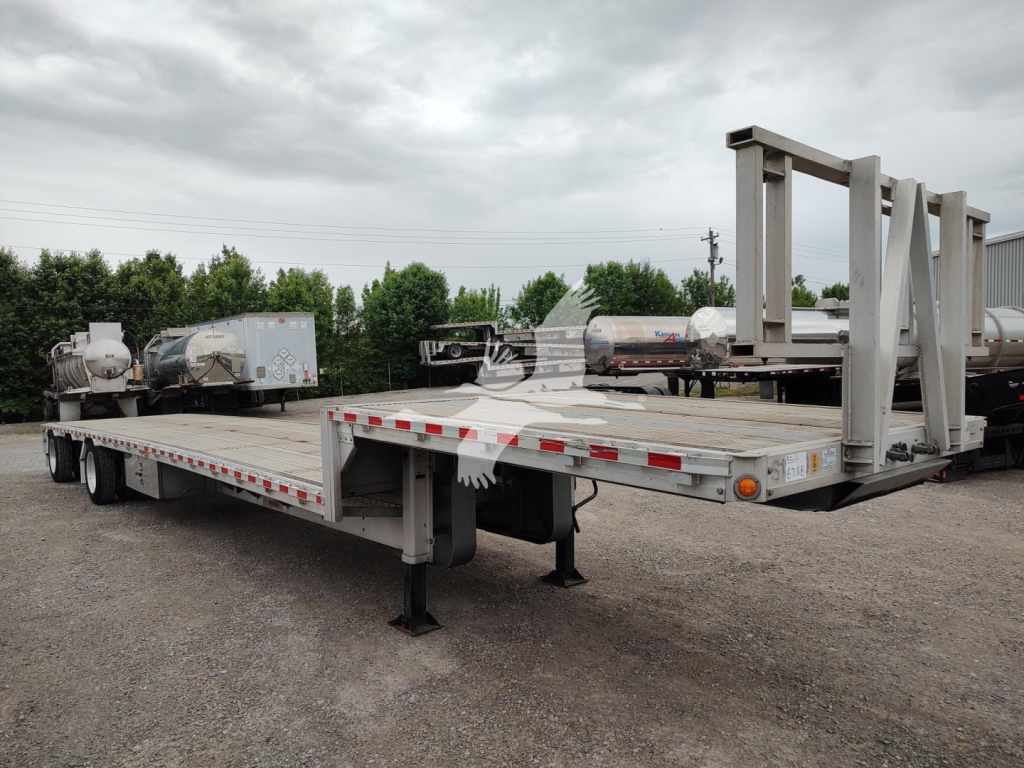
Showing 25 to 42 of 42 results
Have 2018 trailer to sell? List it here to reach thousands of buyers.
2018 Trailers in Pennsylvania
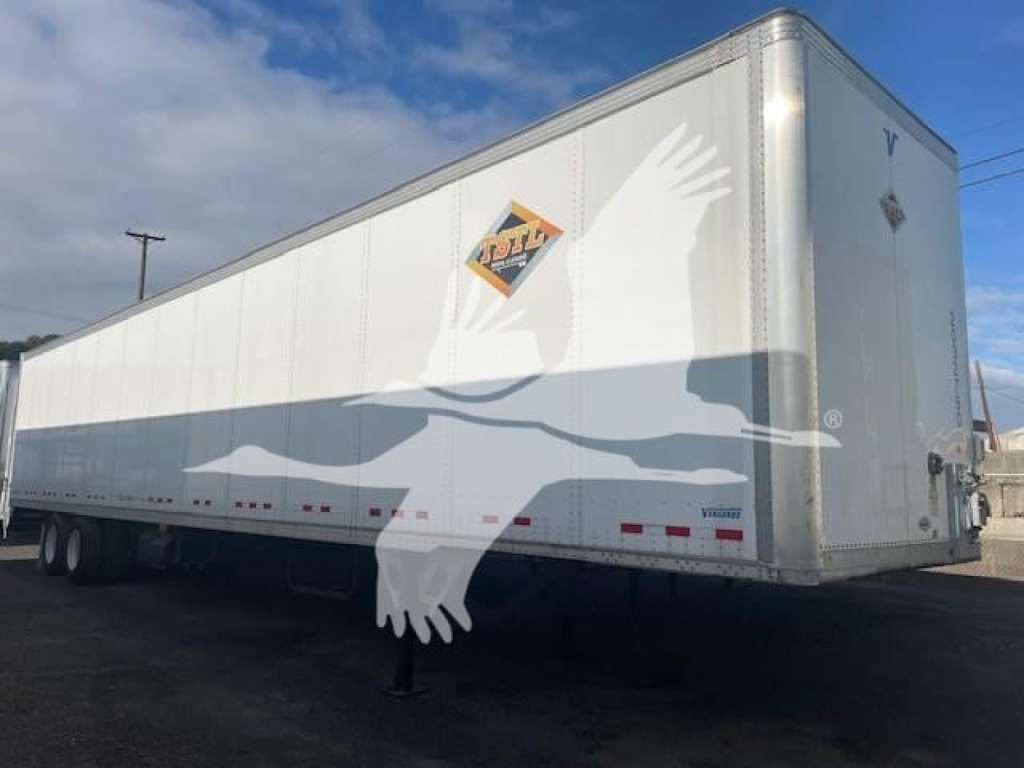
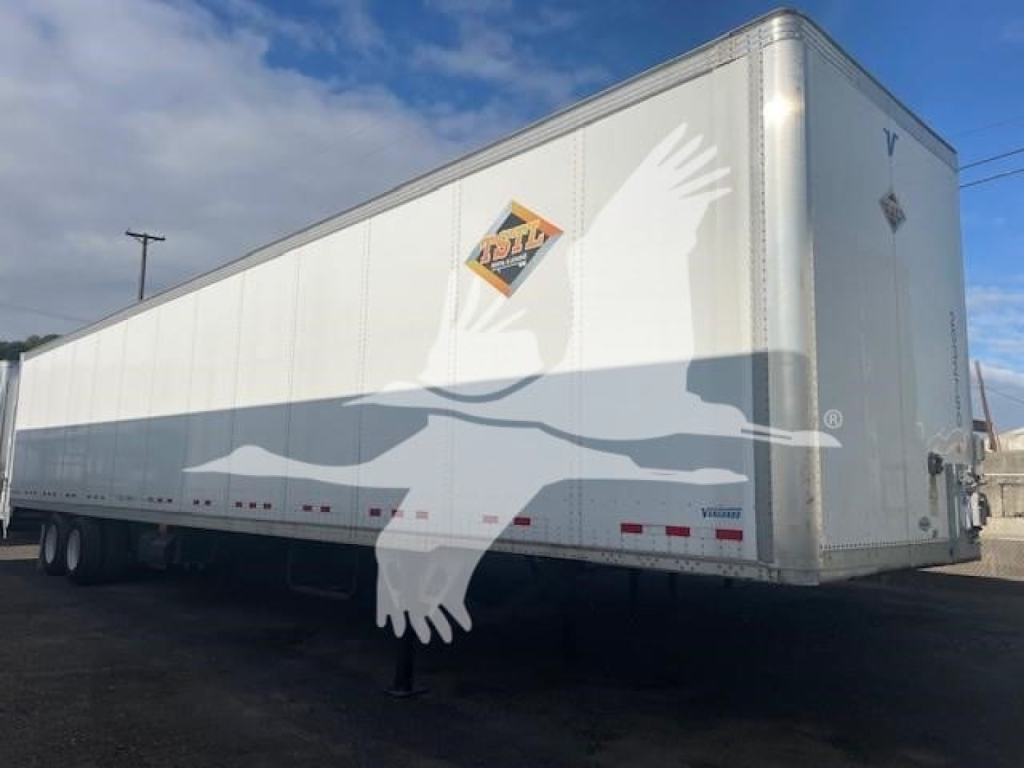
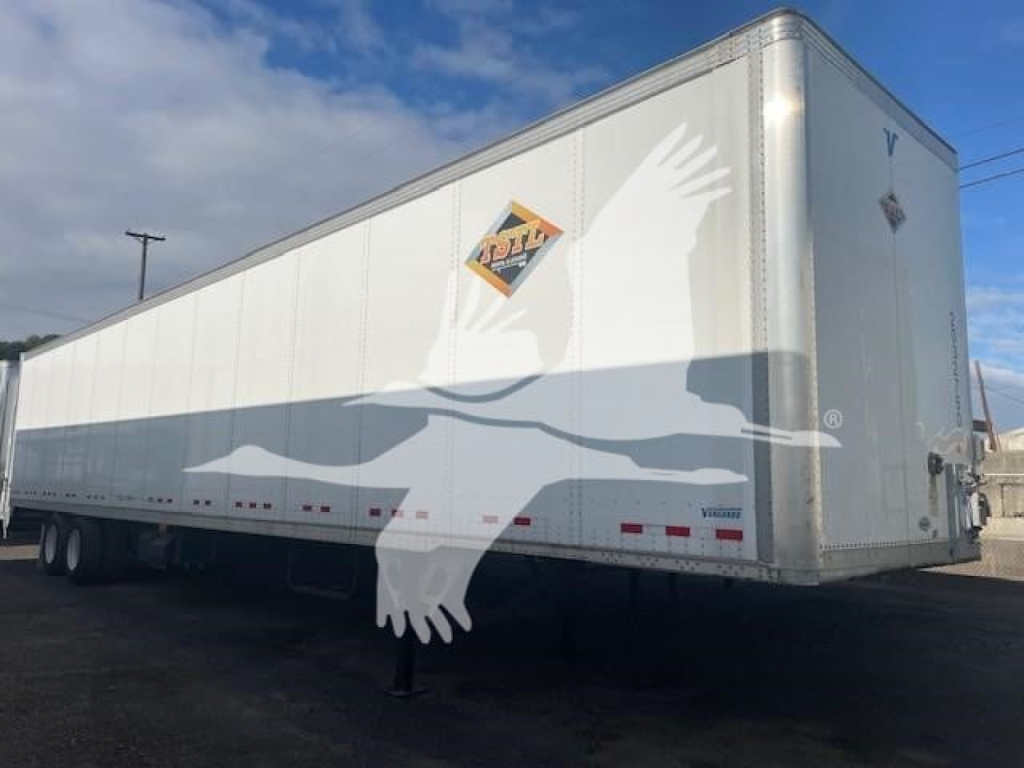
For dry van and enclosed freight use, many 2018 trailers will be 48-foot or 53-foot units with 102-inch width, tandem axles, air-ride suspension, and slider tandems. Plate or composite sidewall construction, aluminum roofs, wood or apitong floors, swing doors or roll doors, scuff liners, logistic posts, and threshold plates are all worth checking closely. A buyer comparing 2018 van trailers should pay attention to floor wear, door frame alignment, roof condition, crossmember integrity, and signs of sidewall repairs. In Pennsylvania freight lanes, trailer weight, cube, and dock compatibility can matter just as much as purchase price.
For open-deck and specialty work, 2018 trailers may include aluminum flatbeds, curtainside or Conestoga-style trailers, and lowboy or detachable gooseneck equipment trailers. Key buying points include kingpin setting, axle spread, fixed versus sliding suspension, winch track layout, nailer placement, deck height, tiedown points, and overall payload rating. Heavy haul buyers should verify ground clearance, loaded deck height, neck style, flip axle capability, brake condition, suspension brand, and frame integrity around high-stress areas. Pennsylvania operators moving machinery, steel, building products, or coils will usually place extra value on securement flexibility and structural condition over appearance.
Condition is what separates one 2018 trailer from another. Look for documented brake work, tire age and wear patterns, bushing and suspension condition, lighting and ABS performance, and evidence of corrosion around landing gear mounts, rear sills, and crossmembers. Road salt and seasonal moisture can accelerate rust, so underside inspection is critical on any used trailer from the region. A well-kept 2018 trailer can still offer years of productive service, but the right choice depends on matching body style, dimensions, and running gear to the freight you actually move.
Frequently Asked Questions about 2018 Trailers in Pennsylvania
What should I check first when buying a 2018 used trailer in Pennsylvania?
Start with the trailer type, VIN, title status, and overall structural condition. After that, inspect the frame, crossmembers, suspension, brakes, tires, lighting, and any rust or corrosion underneath. In Pennsylvania, road salt exposure makes the undercarriage especially important, including rear impact area, landing gear mounts, and suspension hangers. Maintenance records and evidence of recent brake or tire work can add real value.
Is a 2018 trailer still a good age for commercial use?
Yes, a 2018 trailer is often considered a practical age range for buyers who want current-style specifications without paying late-model prices. Many 2018 trailers still have useful service life left if they were maintained correctly and not overloaded or neglected. The better measure is condition, repair history, and whether the trailer’s dimensions and features fit your freight, not age alone.
What specs matter most on a 2018 dry van trailer?
The main specs are length, width, interior height, axle setup, suspension type, door type, floor construction, and wall composition. Many buyers also look for slider tandems, air-ride suspension, scuff liners, logistic posts, and a sound wood or apitong floor. The best dry van setup depends on freight density, dock requirements, and how often the trailer will be loaded by forklift.
What should heavy haul buyers verify on a 2018 lowboy or detachable trailer?
Heavy haul buyers should confirm the trailer’s rated capacity, deck length, loaded deck height, ground clearance, neck design, axle spacing, and any compatibility for flip axles or jeep configurations. It is also important to inspect hydraulic components, frame welds, brake wear, suspension function, and kingpin area condition. A lowboy can look serviceable and still have expensive structural or hydraulic issues, so a detailed inspection matters.
Are 2018 curtainside and Conestoga trailers good for steel and building materials?
They can be a strong fit when freight needs weather protection but still requires side loading or fast securement access. Buyers should look at curtain or tarp system condition, arch design, side access, winch track placement, nailers, coil package features, and general frame straightness. For steel, machinery, and packaged building products, the right setup can improve loading efficiency while still protecting cargo from weather and road debris.