
2018 Trailers For Sale in Illinois
Browse 2018 trailers for sale in Illinois, including dry vans and freight trailers with specs, features, and buying points that matter.
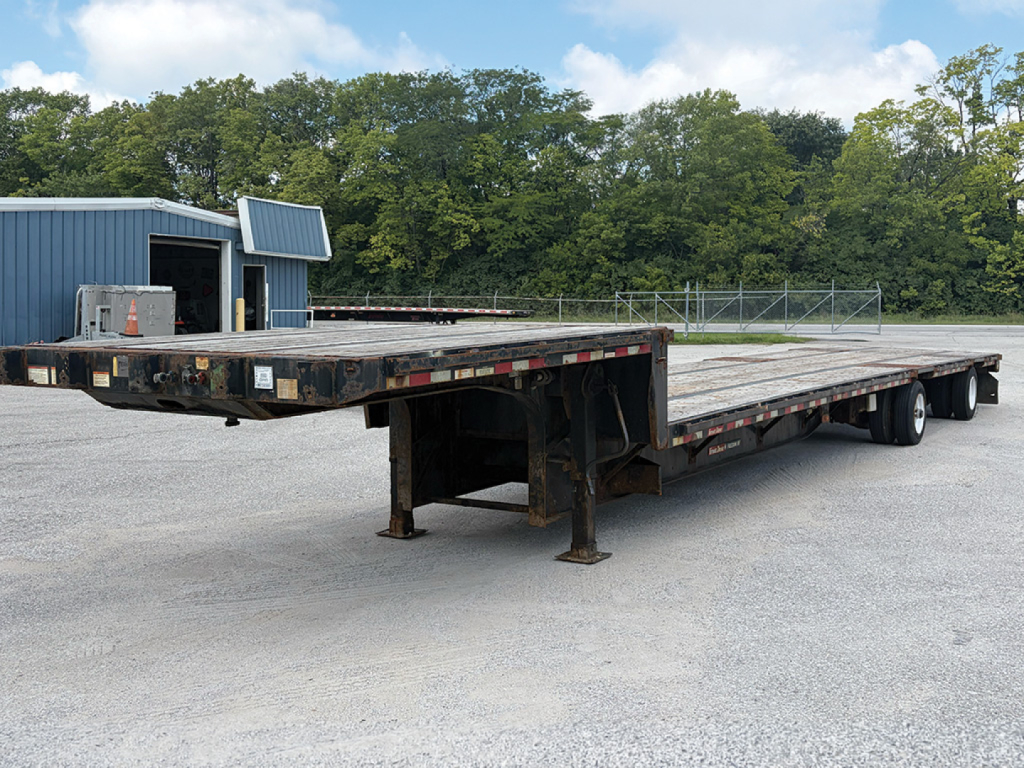
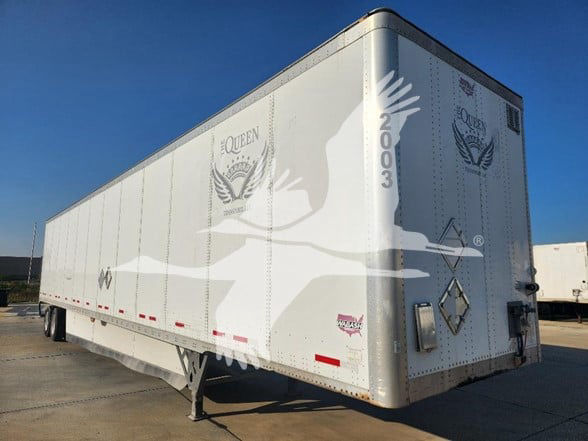
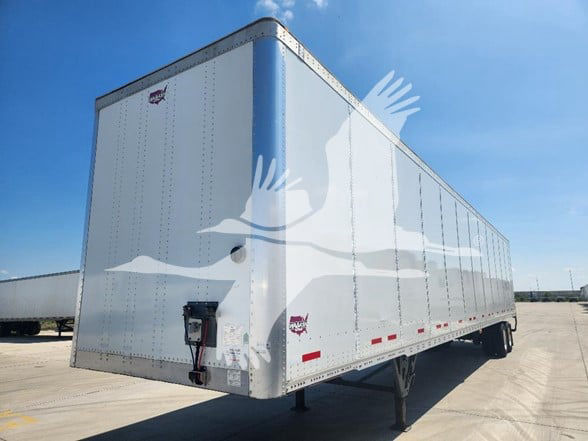

Looking for the easiest place to sell your 2018 trailer? List it here to reach thousands of buyers.
2018 Trailers in Illinois
Frequently Asked Questions about 2018 Trailers in Illinois
What should I look for first when buying a 2018 trailer?
Start with the trailer’s intended application, then verify dimensions, suspension, axle spread, floor condition, and door configuration. On a 2018 freight trailer, the biggest value factors are usually structural condition, maintenance history, brake and tire life, and whether the spec matches your lanes and customers. For van trailers, buyers commonly check scuff liners, thresholds, roof condition, side posts, rear frame area, and tandem slider operation.
Are 2018 trailers still a good choice for over-the-road freight?
Yes, many 2018 trailers remain a practical choice for over-the-road and regional freight if they have been maintained correctly. This model year is new enough to offer common fleet specs such as air ride, sliding tandems, tire inflation systems, logistics posts, side skirts, and modern door hardware, but old enough to avoid the premium attached to near-new equipment. Condition matters more than age alone, especially on floors, brakes, suspension components, and the trailer’s rear impact area.
What trailer specs are most common in this category?
Common specs for 2018 freight trailers in Illinois include 53-foot overall length, 102-inch width, and exterior heights around 13 feet 2 inches to 13 feet 6 inches depending on tire and suspension setup. Dry van trailers often include wood floors, plywood lining, scuff plates, threshold plates, logistics track or E-track, swing or roll-up doors, and sliding tandem suspensions. Buyers should also confirm kingpin setting, interior height, door opening dimensions, and tare weight if payload is critical.
Why does Illinois location matter when buying a used trailer?
Illinois is a major freight state, so used trailers there often come from high-cycle fleet service, distribution work, intermodal support, and regional linehaul. That can be a benefit because many trailers were built with practical fleet specs and maintained on regular schedules. It also means buyers should inspect for weather and road-related wear, including corrosion from winter conditions, undercarriage rust, wiring exposure, and wear at landing gear and suspension mounting points.