
2017 Trailers For Sale in North Carolina
Browse 2017 trailers for sale in North Carolina, including dry vans, reefers, tankers, and more with specs that matter to fleet buyers.
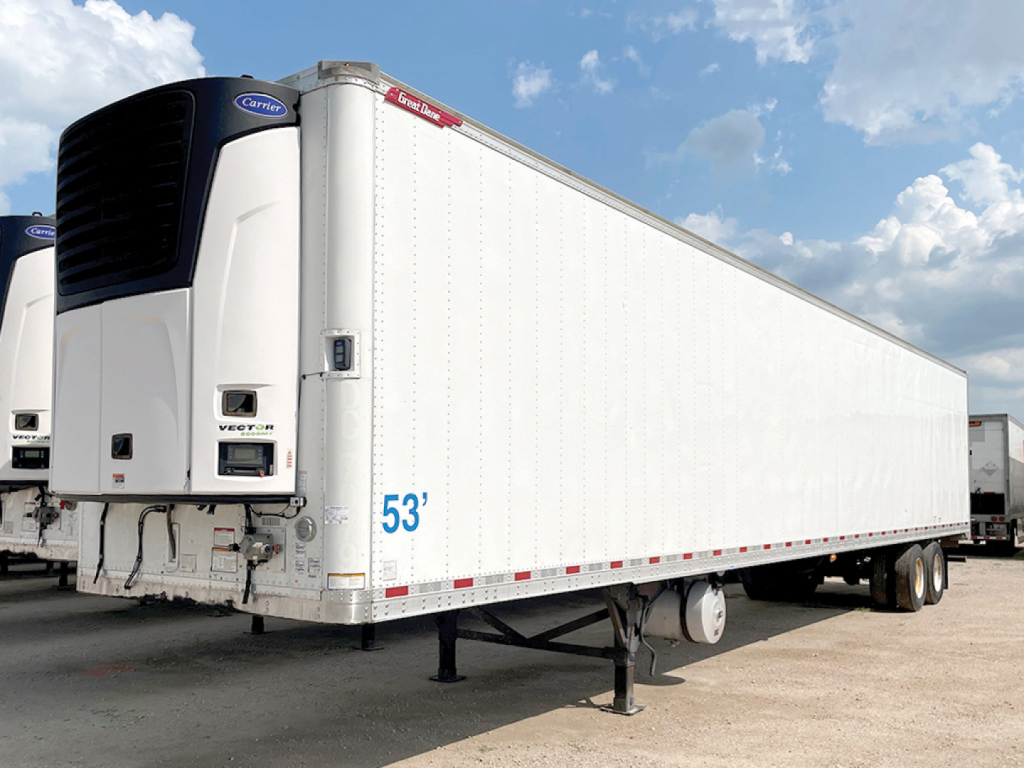
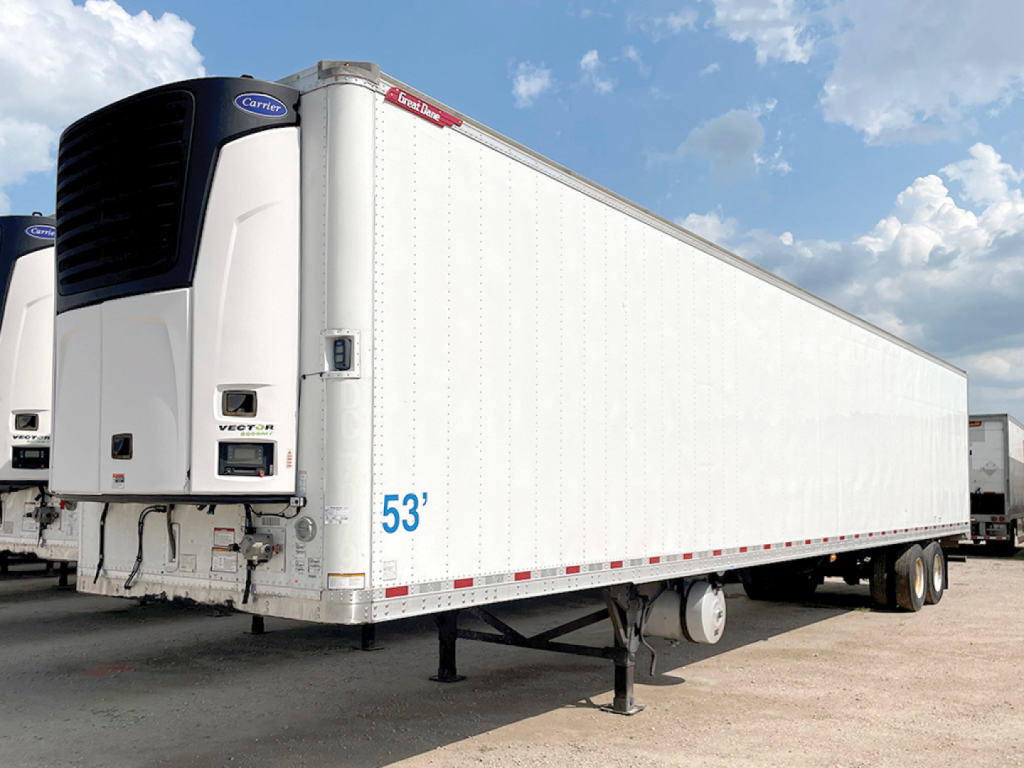
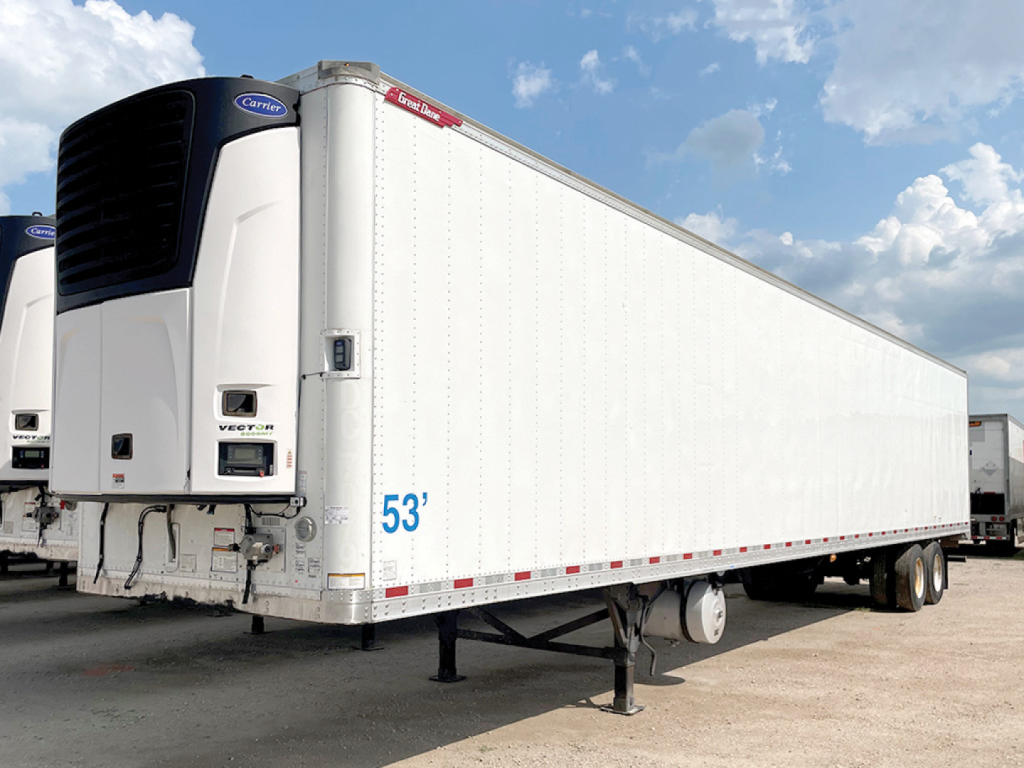

Selling a 2017 trailer? List your 2017 trailer for sale and reach thousands of commercial buyers.
2017 Trailers in North Carolina
For van and reefer buyers, start with the standard road specs that affect daily compatibility and resale. Many 2017 trailers are 53-foot by 102-inch units with 13-foot 6-inch overall height, air ride suspension, and sliding tandems. Dry vans in this year range may include logistic posts, scuff liners, composite or aluminum sidewall construction, wood or laminated floors, and swing or roll doors. Reefer trailers from 2017 often bring modern refrigerated spec packages such as duct floors, stainless front radius panels, stainless rear frames, tire inflation systems, and Carrier or Thermo King units with electronic controls. Reefer buyers should pay close attention to reefer hours, evaporator and condenser condition, floor wear, door seal integrity, and proof that the unit can hold setpoint under load.
Tank trailer buyers need a different checklist. A 2017 tanker may be configured for food grade, chemical, petroleum, or general liquid service, and the barrel material, lining, compartment layout, and discharge design matter more than age alone. North Carolina buyers should confirm the trailer's DOT or MC spec, gallon capacity, heating system if equipped, internal versus external ring design, pump and plumbing setup, and the current compliance status of tests and inspections. Stainless barrels, steam heat, overfill protection, pressure manholes, and hose storage are common value points depending on the product hauled. On any used trailer from this model year, brake type, tire size, wheel condition, suspension bushing wear, crossmember condition, and signs of frame or subframe repair deserve a close inspection.
A 2017 trailer can make sense for regional freight, dedicated lanes, port support, food distribution, and general fleet replacement, especially when the spec matches the freight and the trailer has not been compromised by deferred maintenance. Buyers comparing listings should look beyond the basic year and brand and focus on GVWR, empty weight, kingpin setting, tandem spread or sliding tandem configuration, floor rating, door opening dimensions, and maintenance documentation. In a market with mixed trailer types, the best 2017 unit is the one that fits your commodity, loading pattern, and compliance requirements without creating avoidable repair expense in the first year of ownership.
Frequently Asked Questions about 2017 Trailers in North Carolina
What should I look for first when buying a 2017 used trailer?
Start with the trailer type and the exact work it needs to handle. A 2017 trailer can still be a productive unit, but only if the specification matches the freight. For dry vans and reefers, focus on body condition, floor wear, suspension, brakes, tires, door frame integrity, and signs of water intrusion or structural repair. For tank trailers, verify barrel material, compartment configuration, discharge layout, and current inspection status. Age matters less than maintenance history, structural condition, and whether the trailer has been spec'd correctly for your lanes and commodity.
Is a 2017 reefer trailer still a good buy for food and temperature-controlled freight?
Yes, a well-maintained 2017 reefer can still be a solid choice for temperature-controlled work. Buyers should verify the refrigeration unit model, engine hours, service records, calibration status, and the trailer's ability to hold temperature consistently. Inspect the duct floor, interior liner, door seals, rear frame, and insulation-related condition. A reefer that cycles correctly and has a clean service history often provides better value than a newer trailer with poor maintenance.
What are common specs on 2017 dry van and reefer trailers?
Many 2017 dry vans and refrigerated trailers are built to 53-foot length, 102-inch width, and 13-foot 6-inch height. Common features include air ride suspension, sliding tandems, 22.5 low-profile tires, aluminum wheels or disc wheels, swing rear doors, scuff liners, logistic posts, and wood or laminated floors. Reefer trailers may also include aluminum duct floors, stainless front and rear components, tire inflation systems, and Carrier or Thermo King refrigeration units. Exact specs vary by manufacturer and original fleet application.
What matters most on a 2017 tank trailer?
The most important factors are the product compatibility and the trailer's compliance status. Buyers should confirm whether the tank is food grade, chemical, or petroleum spec, then review the DOT or MC rating, capacity, compartment count, discharge design, and any heating or insulation equipment. Stainless construction, overfill protection, pressure relief components, and current test documentation can strongly affect value. A tank trailer that is correct for the intended commodity is far more important than simply choosing by price or model year.
Why do buyers still target 2017 trailers in the used market?
2017 trailers often offer a practical balance of cost, specification, and remaining service life. They are new enough to include modern fleet features on many units, but old enough to trade at a lower entry price than late-model equipment. That makes them attractive for fleet replacement, lane-specific expansion, and owner-operators adding a trailer without taking on new-trailer expense. The best value comes from units with strong maintenance records, sound structure, and specs that match the intended operation.