
2017 Reefer Trailers For Sale in North Carolina
Browse 2017 reefer trailers for sale in North Carolina. Compare 53-foot refrigerated trailers, TRU specs, floors, suspension, and door setups.
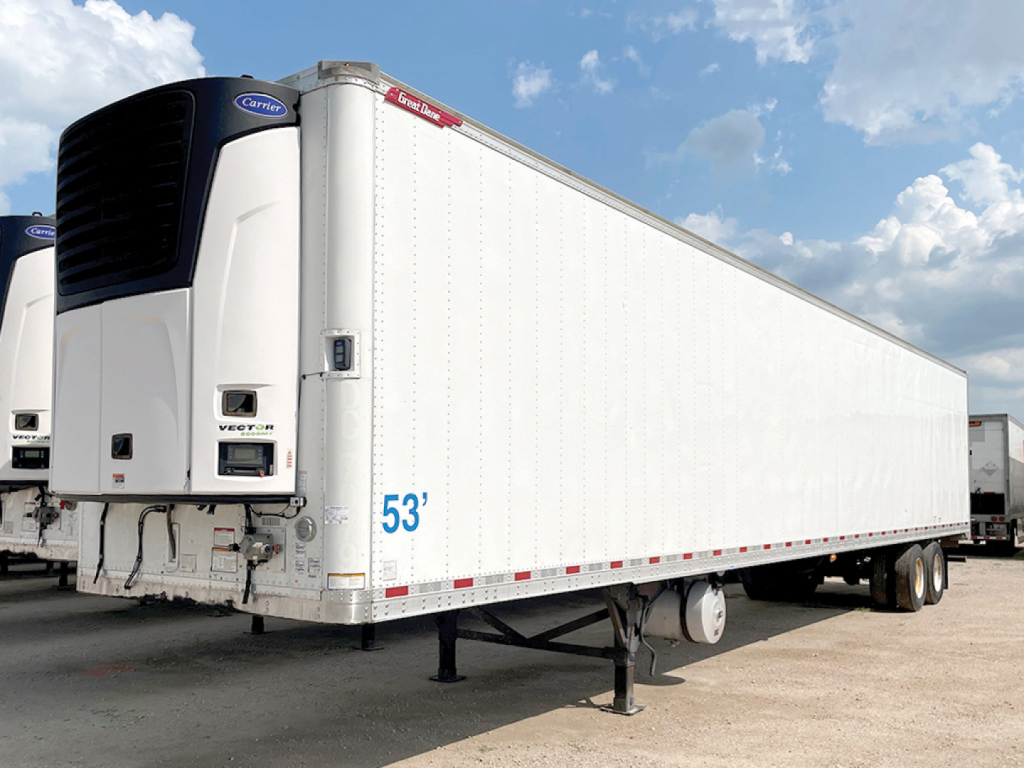
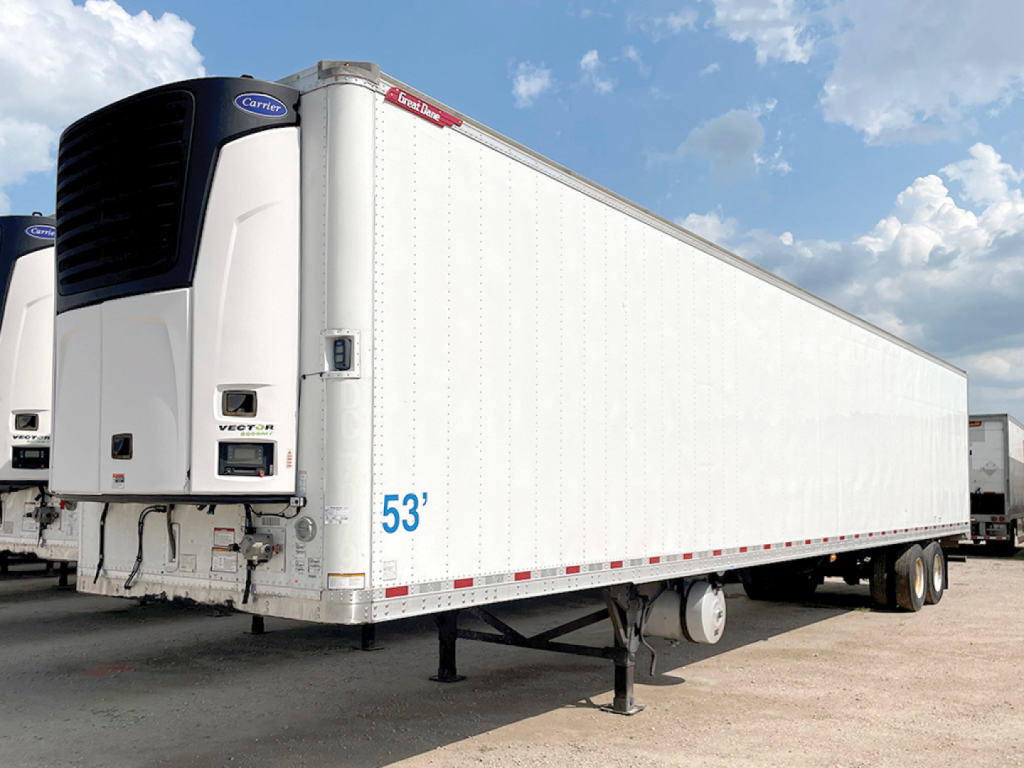
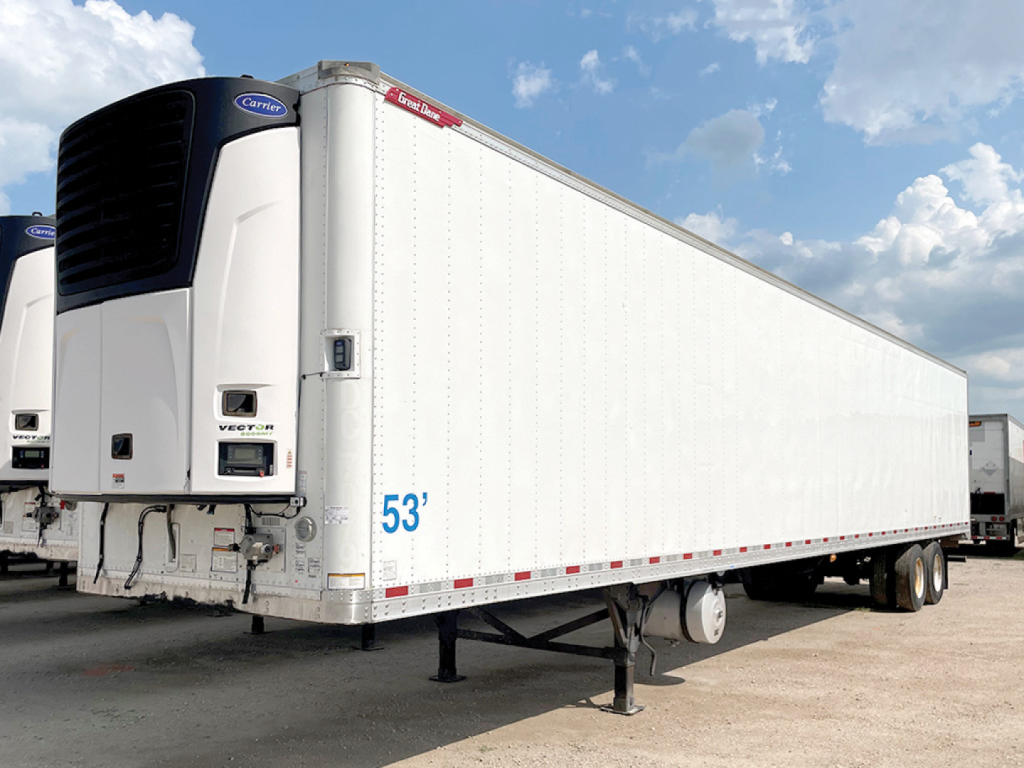

Selling a 2017 reefer trailer? List your 2017 reefer trailer for sale and reach thousands of commercial buyers.
2017 Reefer Trailers in North Carolina
Floor and interior configuration matter as much as the TRU. A heavy-duty aluminum duct floor supports airflow under pallets and is common on grocery and foodservice applications, while flat floors and full scuff lining can make sense for mixed freight or multi-stop routes. E-track, load securement options, cold chutes, and interior bulkhead capability are worth checking if the trailer will handle compartmentalized freight. Door style changes the use case too. Swing doors are still preferred for full dock operations and maximum seal integrity, while roll-up doors can help on frequent stop routes where speed matters more than opening width and added rear weight.
For a 2017 reefer trailer in North Carolina, suspension, tandem setup, and aerodynamic equipment should be evaluated with the lanes in mind. Air ride suspension is common and generally preferred for protecting temperature-sensitive freight, while spring suspension does show up on some trailers. Sliding tandems remain important for bridge law compliance and dock positioning across regional and long-haul routes. Side skirts, low-profile 22.5 tires, aluminum or steel disc wheels, and tire inflation systems can all affect operating cost over time. Stainless front corners, rear frames, and door frames are also worth noting because corrosion resistance and impact durability become more important as a reefer ages.
A used 2017 reefer trailer buyer should inspect insulation condition, interior wall integrity, floor wear, door seals, and signs of moisture intrusion around the front wall and roof line. Reefer trailers also need close review of the evaporator area, drains, wiring, fuel tank condition, and hours-to-age relationship on the refrigeration unit. If the trailer has been used in produce, frozen food, dairy, or pharma-support lanes, the maintenance history should show regular PMs and consistent temperature control. The best 2017 reefer trailers are not just structurally sound. They also hold setpoint, cycle correctly, seal tightly at the doors, and match the freight profile the buyer intends to run.
Frequently Asked Questions about 2017 Reefer Trailers in North Carolina
What should I look for first on a 2017 reefer trailer?
Start with the refrigeration unit, because the TRU drives both operating cost and service risk. Check brand and model, total engine hours, maintenance records, recent repairs, and how well the unit pulls down to setpoint under load. After that, inspect the trailer body for insulation issues, floor damage, door seal wear, front wall repairs, and signs of water intrusion. A structurally sound box with a weak reefer unit can become expensive quickly, so buyers usually get the most useful read on value by evaluating the cooling system and the box together.
Is a 2017 reefer trailer still a good buy for regional or long-haul refrigerated freight?
Yes, a 2017 reefer trailer can still be a solid fit for regional and long-haul work if the box is tight and the refrigeration unit has been maintained correctly. This model year is old enough to offer a lower acquisition cost than newer equipment, but modern enough that many units still carry desirable specs like air ride suspension, sliding tandems, duct floors, side skirts, and proven Thermo King or Carrier systems. The deciding factor is condition, not just age. Service history, unit hours, floor wear, and seal quality matter more than the badge on the nose.
What is the difference between single-temp and multi-temp 2017 reefer trailers?
A single-temp reefer trailer is designed to hold one temperature zone across the full trailer, which suits many frozen or chilled truckload applications. A multi-temp reefer trailer uses compartments, bulkheads, and airflow management to carry freight at different temperatures in the same trailer. That setup is common in grocery and foodservice distribution. Multi-temp capability adds flexibility, but it also adds complexity through extra components, more demanding loading practices, and additional maintenance points. Buyers should match the temperature setup to the freight mix they actually haul.
Which trailer features matter most for foodservice and grocery delivery?
For foodservice and grocery work, buyers usually focus on airflow, interior protection, and route efficiency. A duct floor helps maintain consistent air circulation under pallets or carts. Scuff liners and scuff plates protect the walls from repeated loading damage. E-track and bulkhead compatibility help secure mixed loads. Roll-up doors can improve stop efficiency on delivery routes, while swing doors are often better for dock loading and tighter temperature retention. If the route includes frequent starts and stops, reefer unit performance at idle and door-open recovery becomes especially important.
Are side skirts, tire inflation systems, and air ride worth it on a used 2017 reefer trailer?
In many cases, yes. Side skirts can improve fuel economy on steady highway lanes, especially for fleets running long regional or over-the-road miles. Tire inflation systems help protect tire life and reduce roadside issues caused by underinflation. Air ride suspension is widely preferred on reefer trailers because it helps protect sensitive freight and can reduce vibration-related cargo claims. These features do not replace good overall condition, but they can improve total cost of ownership when the trailer is used consistently in commercial service.