
2016 Trailers For Sale in Nebraska
Browse 2016 trailers for sale in Nebraska, including dry vans, reefers, and other commercial trailers with specs that matter to fleet buyers.

Selling a 2016 trailer? List your 2016 trailer for sale and reach thousands of commercial buyers.
2016 Trailers in Nebraska
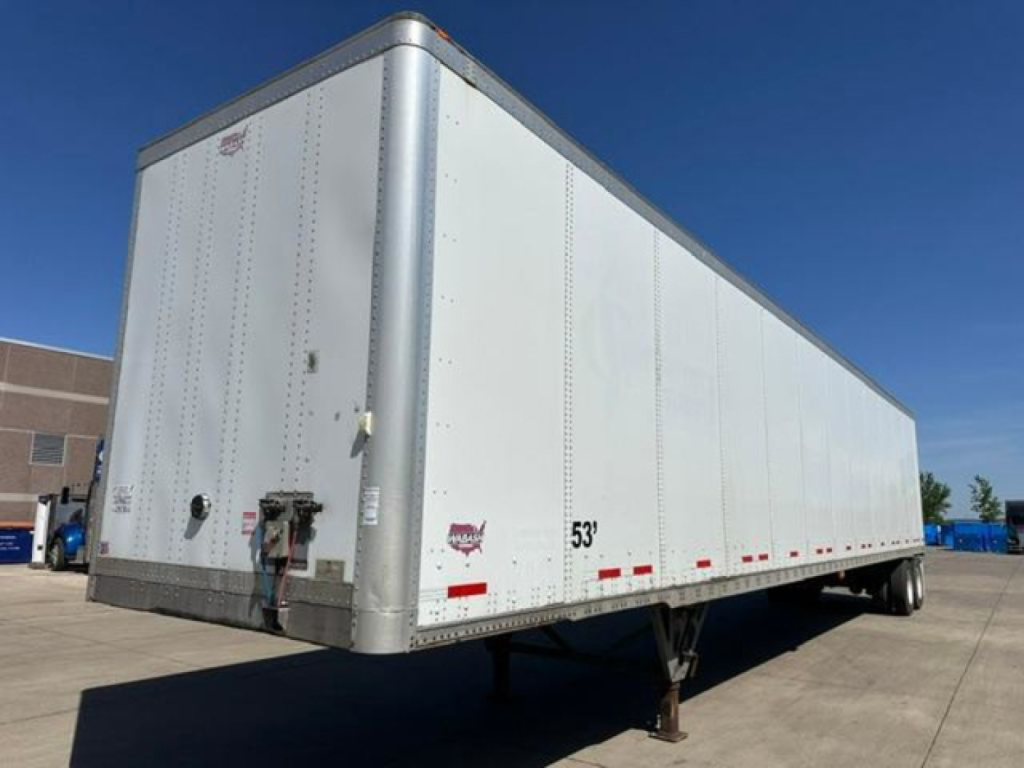
Dry vans from this model year are often set up for general freight, retail, packaged goods, and dock-to-dock distribution. Common details include 102-inch width, wood floors, plywood liners, scuff plates, threshold plates, swing or roll-up rear doors, and E-track or logistics posts. Trailer height and inside height should be checked closely if cube is important, especially for shippers loading high-volume freight. Suspension type, tandem slide range, and axle configuration also deserve attention because they affect bridge compliance, loading flexibility, and tire wear. If the trailer will be used in regional service with frequent loading cycles, door hardware, floor condition, crossmember integrity, and overall rear frame wear should be part of the buying decision.
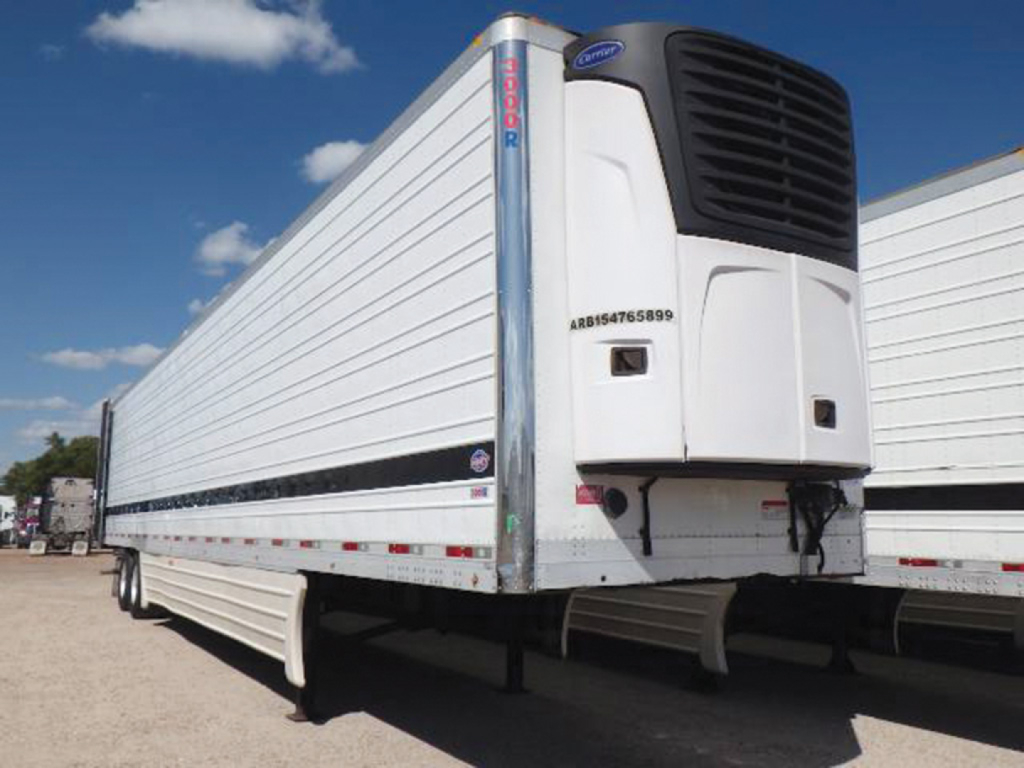
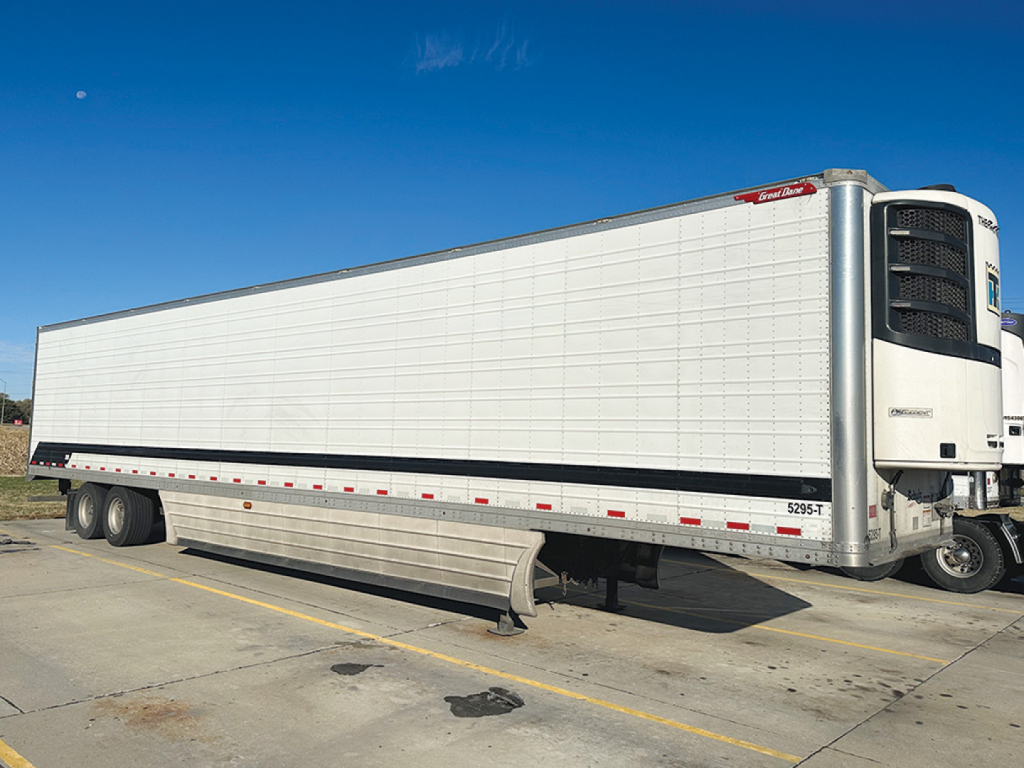
A 2016 reefer trailer, also known as a refrigerated trailer, adds another layer of inspection beyond the box itself. Buyers should evaluate reefer unit hours, engine history, service records, floor type, evaporator condition, chute setup, insulation integrity, and door seal condition. Aluminum duct floors, stainless front components, stainless rear frames, and scuff liners are common on fleet-spec refrigerated trailers from this period. Unit brand and model matter, but so do maintenance habits, especially if the trailer has spent years in foodservice, grocery, or multi-temp distribution. If consistent temperature control is the priority, pay attention to air circulation design, fuel tank condition, and signs of moisture intrusion around the bulkhead, floor, and doors.
For a 2016 trailer in Nebraska, rust prevention, suspension condition, brake spec, and trailer straightness can matter as much as brand. A well-maintained trailer from this model year can still fit fleet expansion, seasonal overflow, lane-specific dedicated freight, or owner-operator work if the spec matches the job. Buyers comparing listings should focus less on age alone and more on door style, interior layout, floor construction, wheel-end and brake setup, tire condition, and any fuel-saving or maintenance-saving options already on the trailer. That approach usually separates a low-cost trailer from a good trailer.
Frequently Asked Questions about 2016 Trailers in Nebraska
What should I look for first when buying a 2016 trailer?
Start with structural condition and application fit. Check the frame, crossmembers, floor, roof, rear frame, suspension, tandem slide, and door hardware before focusing on appearance. A 2016 trailer can still have years of useful service left, but wear in the floor, rear impact area, or suspension can quickly change its real value. For reefer trailers, reefer unit hours and maintenance history are just as important as the trailer body.
Is a 2016 trailer too old for fleet use?
Not necessarily. Many 2016 trailers remain viable for fleet service, regional work, and dedicated lanes if they were maintained properly and spec'd correctly from the start. This model year often includes desirable fleet features such as air ride, tire inflation systems, side skirts, logistics posts, and disc brakes. The better question is whether the trailer's current condition, maintenance record, and configuration support the freight you plan to haul.
What are common specs on 2016 dry vans and reefers?
Common specs include 53-foot length, 102-inch width, air ride suspension, sliding tandems, 22.5 low-profile tires, and logistics-ready interiors. Dry vans often have wood floors, plywood liners, scuff plates, and swing or roll-up doors. Reefer trailers commonly include aluminum duct floors, cold chutes, stainless front or rear components, and refrigeration units from major manufacturers such as Carrier or Thermo King. Exact specs vary by original fleet order and intended duty cycle.
Why does tandem position matter on a 2016 trailer?
Sliding tandem position affects axle weight distribution, bridge law compliance, turning behavior, and loading flexibility. For fleets running different states, shipper locations, or freight densities, a sliding tandem can make the trailer much easier to use across multiple lanes. On an older trailer, buyers should also confirm that the slide mechanism operates correctly and that the rails, pins, and surrounding structure are not excessively worn.
Are disc brakes and tire inflation systems worth paying for on a 2016 trailer?
In many operations, yes. Disc brakes can improve stopping performance, reduce brake fade, and simplify certain maintenance tasks compared with drum setups. Tire inflation systems help maintain more consistent tire pressure, which can improve tire life and reduce roadside failures. On a 2016 trailer, these options can still deliver value if they are intact, functioning properly, and supported by the rest of the trailer's maintenance condition.