
2013 Trailers For Sale in Pennsylvania
Shop 2013 used trailers in Pennsylvania, including dry vans, flatbeds, and more with specs that matter for freight type, axle setup, and condition.
Showing 25 to 38 of 38 results
Have 2013 trailer to sell? List it here to reach thousands of buyers.
2013 Trailers in Pennsylvania
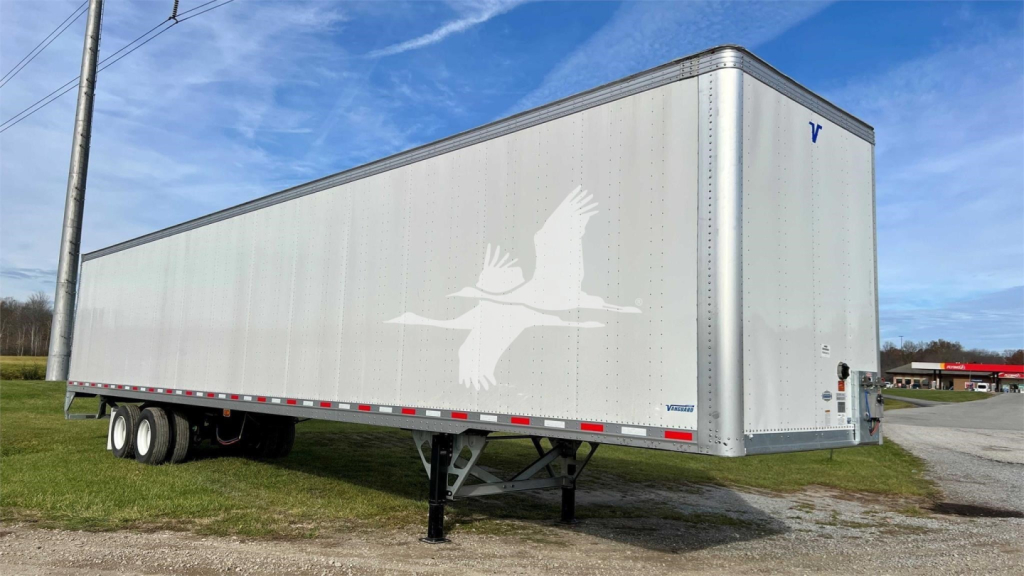
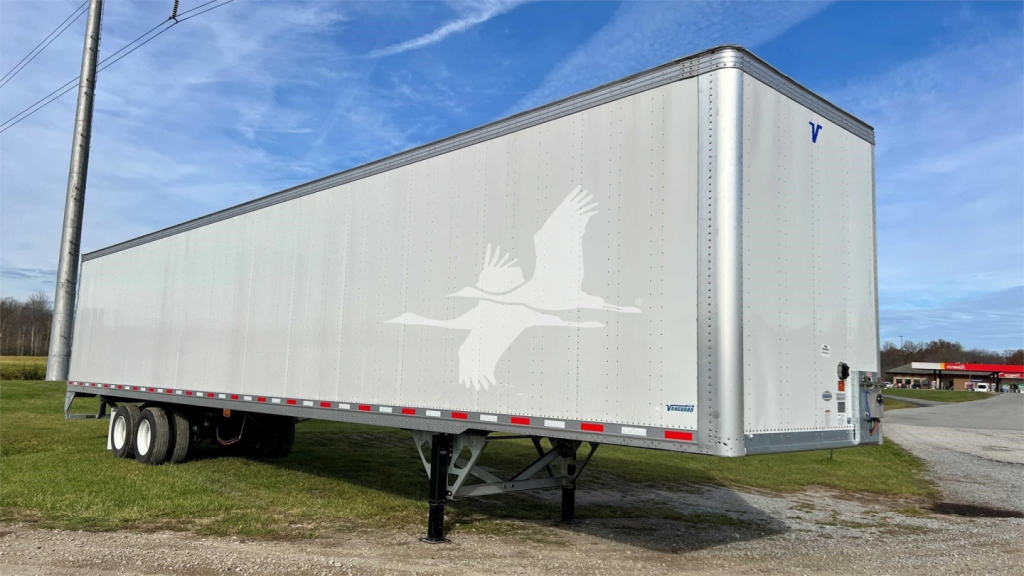
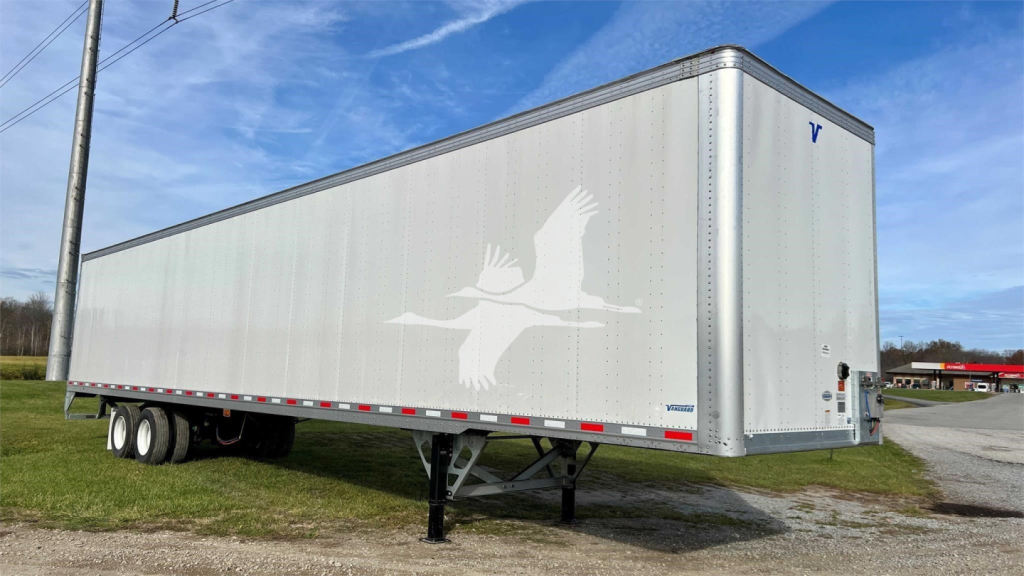
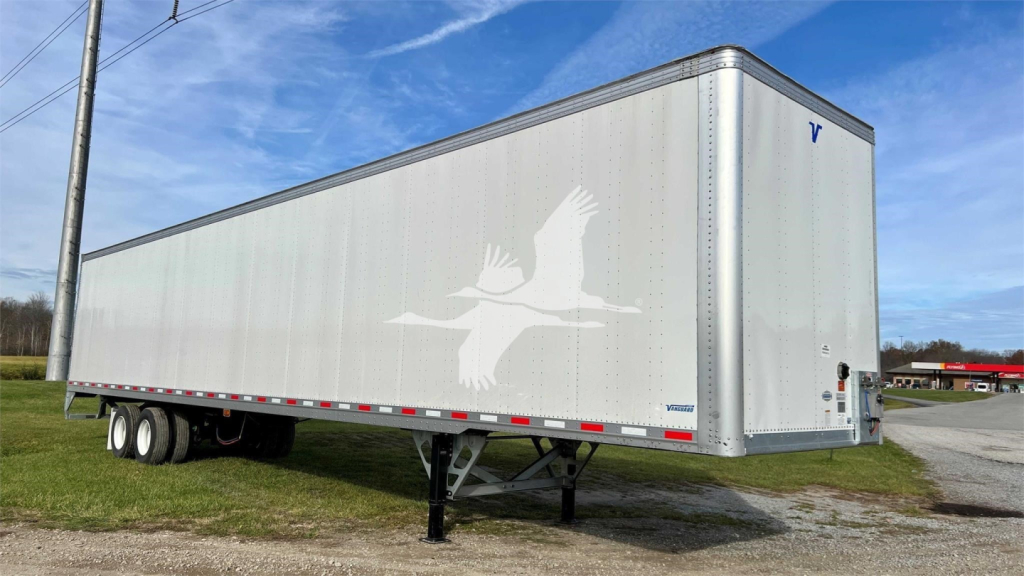
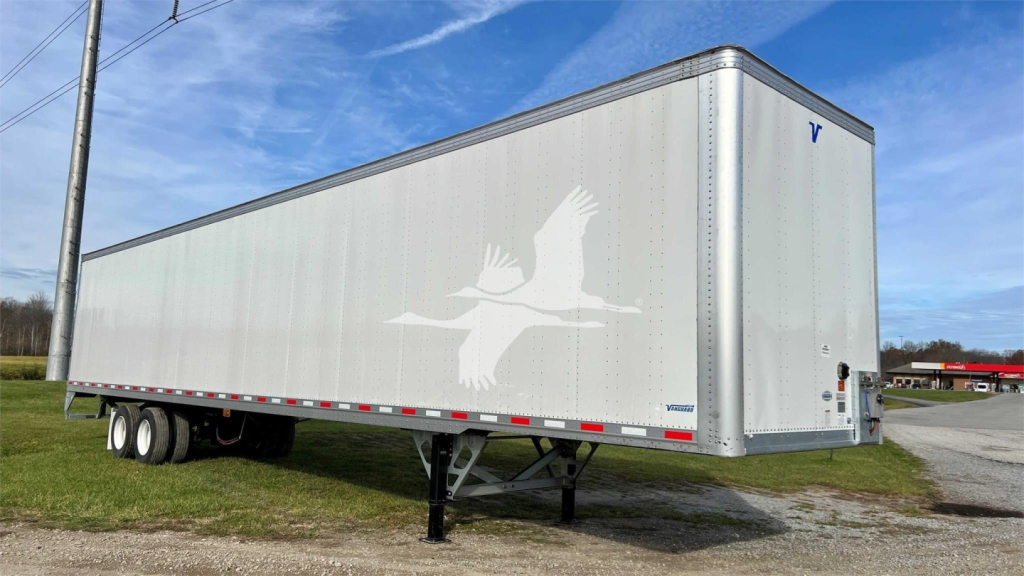
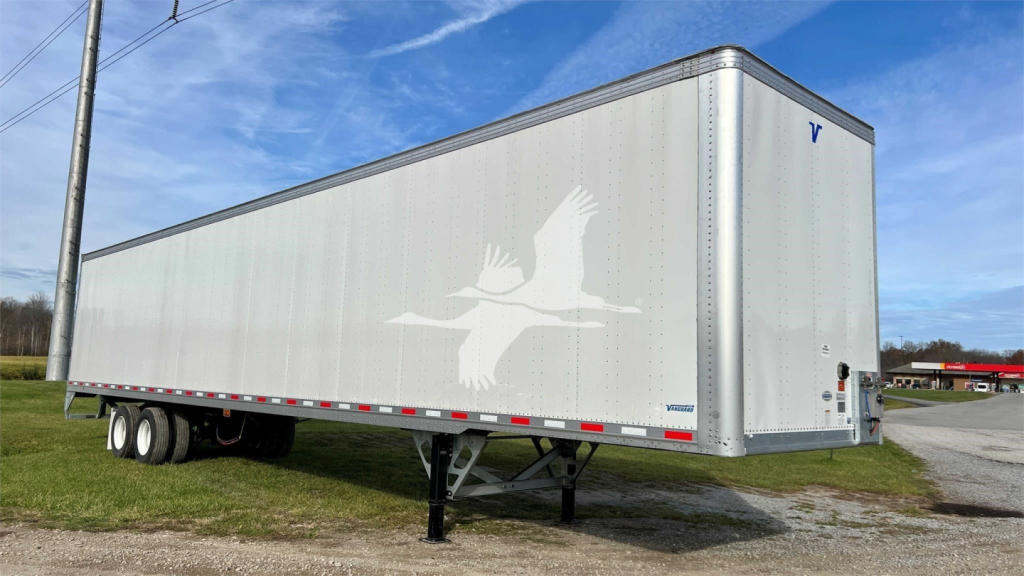
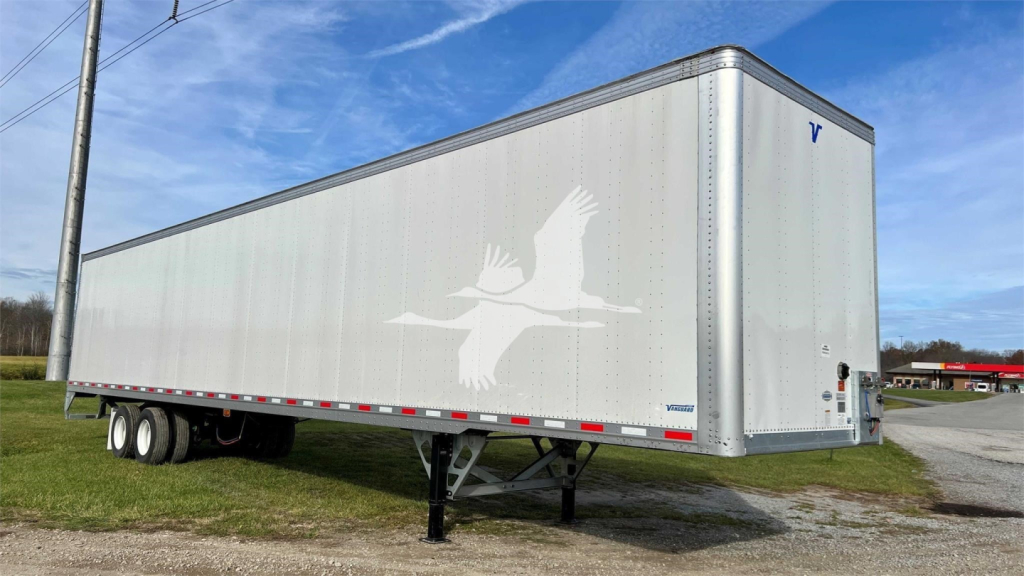
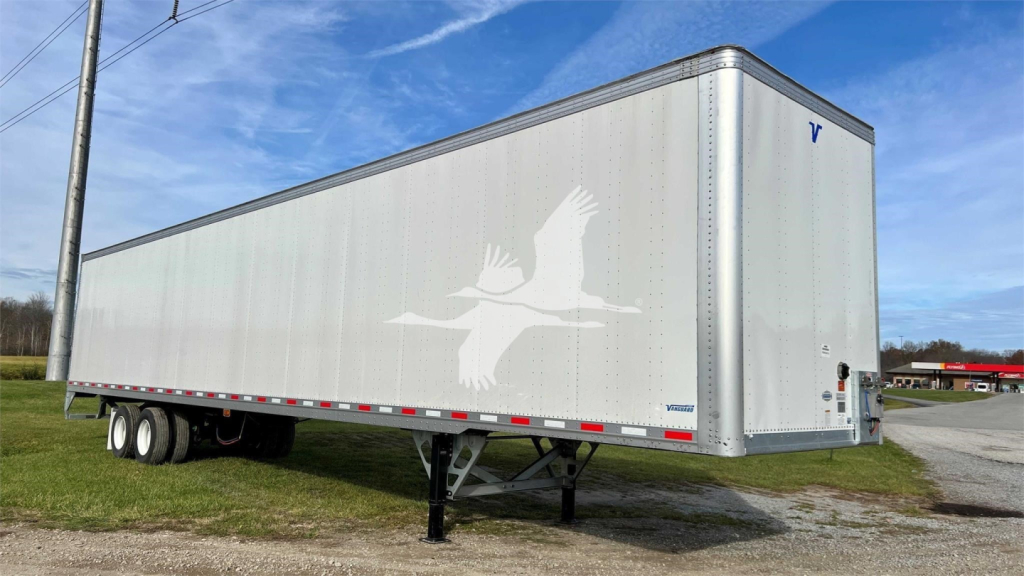
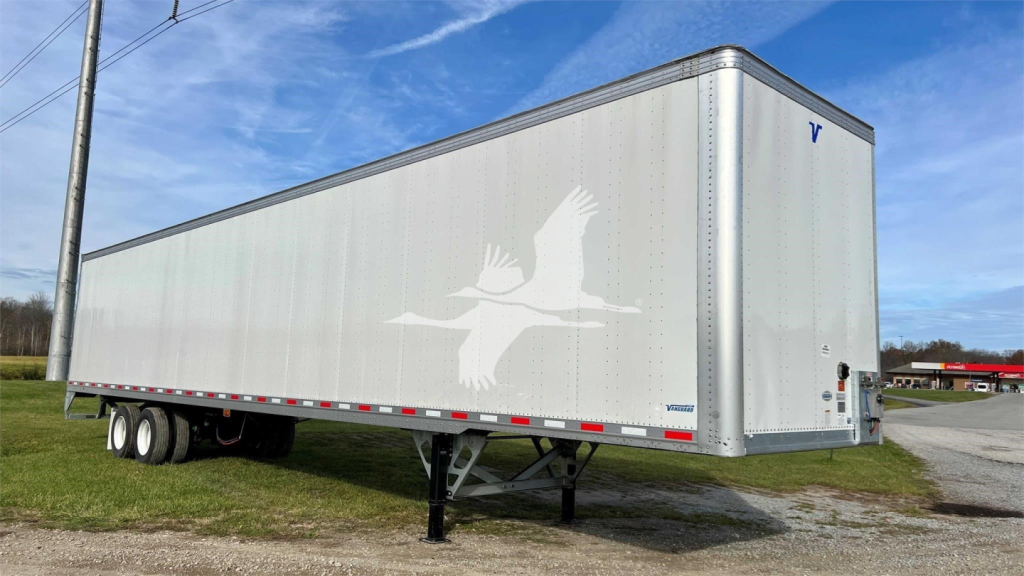
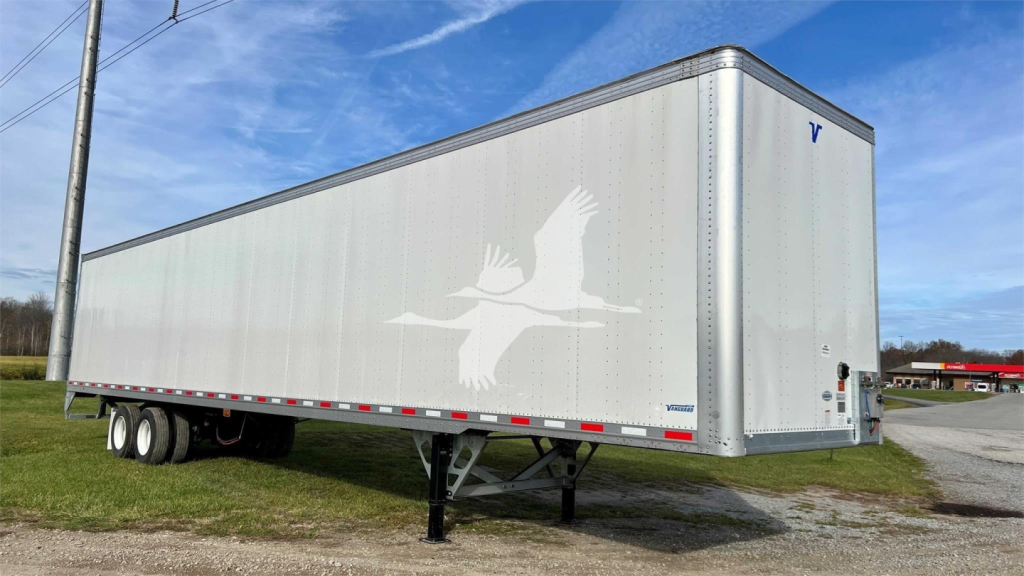
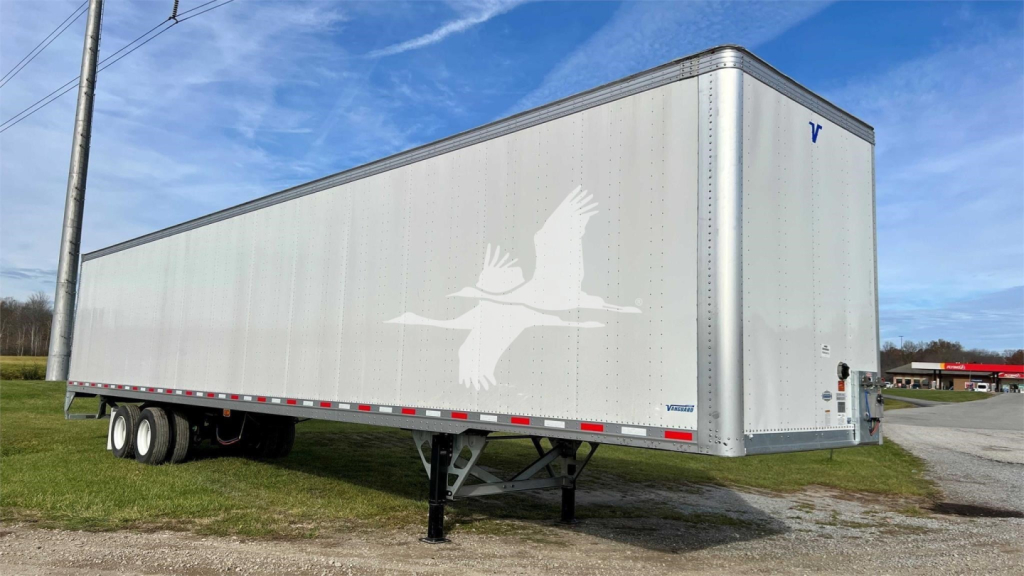
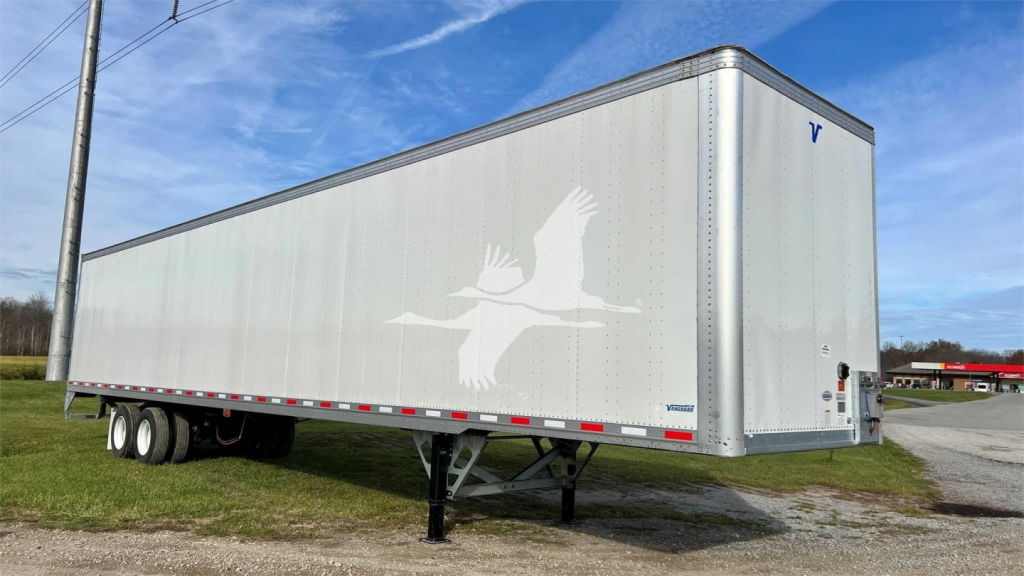
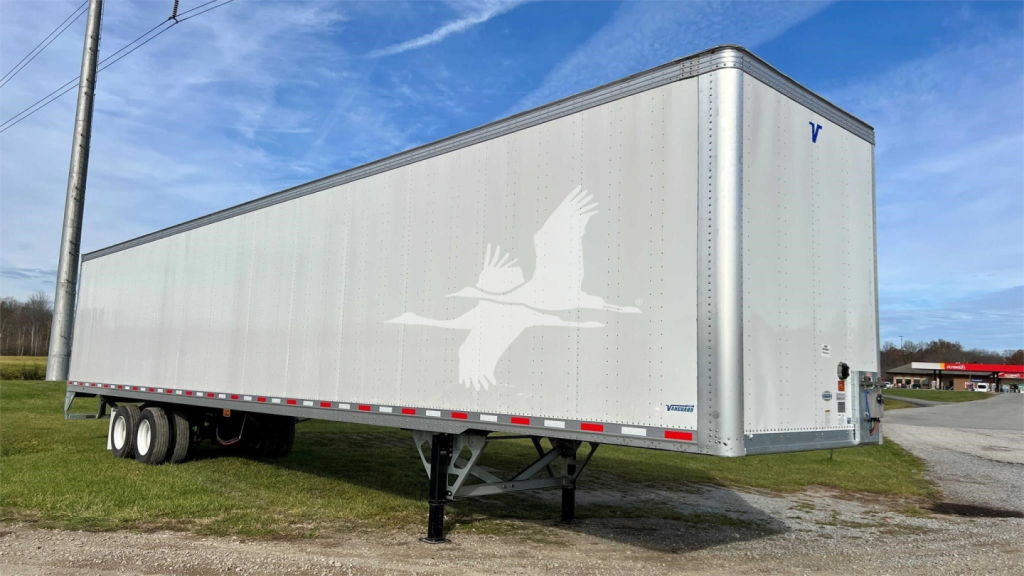
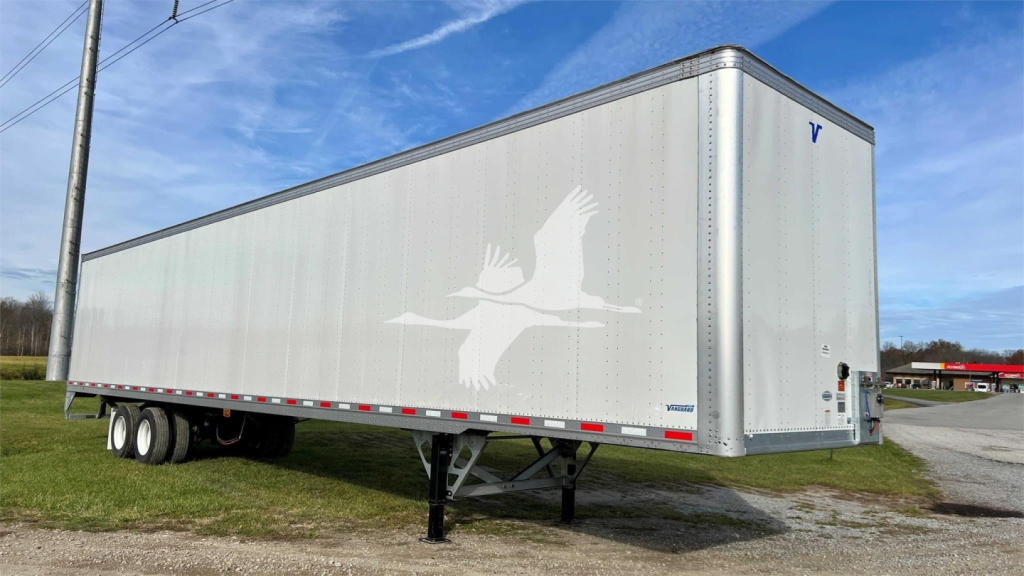
Dry van trailers from this year often show up with sheet-and-post or composite side construction, wood floors, swing or roll-up rear doors, logistics posts, E-track, scuff liners, threshold plates, and either spring ride or air ride suspension. For van work, cargo securement layout matters as much as overall condition. A trailer with good interior lining, usable scuff protection, solid floor structure, and straight rear door framing can stay productive for general freight, retail, packaged goods, and warehouse distribution. Buyers comparing 2013 vans should also check inside height, door opening clearance, roof condition, kingpin setting, slider operation, and signs of previous dock impact or forklift damage.
Flatbed trailers from the same year remain a strong fit for steel, building materials, machinery, and palletized freight that needs side loading or crane access. Common specs include steel or aluminum construction, Apitong or wood flooring, winch tracks, sliding winches, tandem axles, and spring or air suspension. On a 2013 flatbed, side rail condition, crossmember spacing, floor integrity, and suspension wear are critical. If the trailer has coil package components, bulkhead options, pipe spools, or concentrated load reinforcement, those details directly affect what freight it can handle efficiently and safely. Tire size, wheel type, and slider function also matter if the trailer will run mixed regional lanes or spend time at heavier legal weights.
For any 2013 trailer in Pennsylvania, inspection status and structural condition should drive the decision. Road salt, freeze-thaw cycles, and heavy warehouse or construction use can accelerate wear on brakes, electrical, floors, and undercarriage components. Look for clear signs of regular FHWA inspections, recent brake work, even tire wear, solid light wiring, and landing gear that operates smoothly under load. Standardized specs such as 22.5 rubber, tandem sliding axles, 36-inch kingpin settings, and common door hardware can make service and parts sourcing easier. A well-maintained 2013 trailer can still be a cost-effective fleet asset, but the right purchase comes down to freight application, structural soundness, and remaining service life in the components that are expensive to rebuild.
Frequently Asked Questions about 2013 Trailers in Pennsylvania
What should I inspect first on a 2013 used trailer?
Start with the structure and the running gear. Check the frame rails, crossmembers, floor condition, suspension, axle alignment, brakes, tires, wheels, and kingpin area before focusing on cosmetic issues. On dry vans, inspect the roof, sidewalls, rear frame, threshold plate, and doors for impact damage and leaks. On flatbeds, look closely at side rails, flooring, winch track condition, and any cracks or repairs near concentrated load points. A 2013 trailer can still have useful service life, but deferred maintenance on structural or undercarriage components can quickly erase any purchase-price advantage.
Is a 2013 trailer too old for regular commercial freight use?
Not necessarily. Many 2013 trailers remain productive in regional haul, dedicated lanes, warehouse distribution, and certain over-the-road operations if they have been maintained correctly. Age matters less than condition, prior application, and parts replaced over time. A trailer that has current inspections, sound structure, good floors, healthy brakes, and legal rubber may still be a strong fit for budget-conscious buyers. The key is matching the trailer to the freight and avoiding units with corrosion, frame fatigue, or neglected suspension and brake systems.
What specs matter most when comparing 2013 dry van trailers?
Length, inside height, door type, suspension, axle setting, floor condition, and cargo control features usually matter most. Many buyers look for 53-foot by 102-inch vans with logistics posts, E-track, scuff liners, wood floors, and sliding tandems because those specs support broad general freight use. Roll-up doors can help in multi-stop delivery, while swing doors are often preferred for maximum opening width and simpler long-term serviceability. Roof condition, rear frame integrity, and evidence of forklift damage are just as important as the base dimensions.
What specs matter most on a 2013 flatbed trailer?
Construction material, floor type, length, axle configuration, suspension, winch setup, and load securement features should be at the top of the list. A 48-foot tandem flatbed with Apitong flooring, sliding winches, winch track, and solid side rails covers a wide range of steel, lumber, and machinery applications. Crossmember spacing and deck condition are especially important because they affect durability under concentrated loads. If the trailer will handle coils, pipe, or other specialized freight, check for the correct package and reinforcement rather than assuming all flatbeds are interchangeable.
Why does Pennsylvania location matter when buying a used 2013 trailer?
Pennsylvania use can be hard on trailers because of winter road salt, moisture, potholes, and frequent stop-and-go freight environments. That makes rust and corrosion inspection especially important around the undercarriage, rear frame, brake components, electrical connections, and landing gear. Buyers should also watch for floor wear from heavy forklift traffic and door or dock damage from dense warehouse operations. A Pennsylvania trailer with solid maintenance records and clean structural condition can still be a sound buy, but local operating conditions make a careful inspection more important.