
2006 Trailers For Sale in North Carolina
Browse 2006 trailers for sale in North Carolina, including reefer, flatbed, tank, van, and specialty trailer options for regional and OTR work.
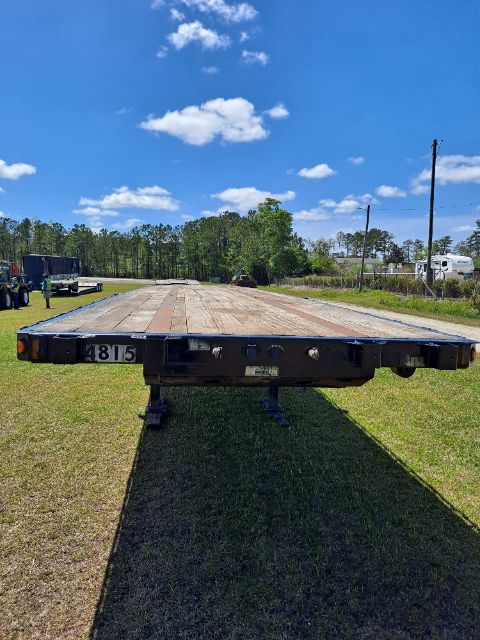
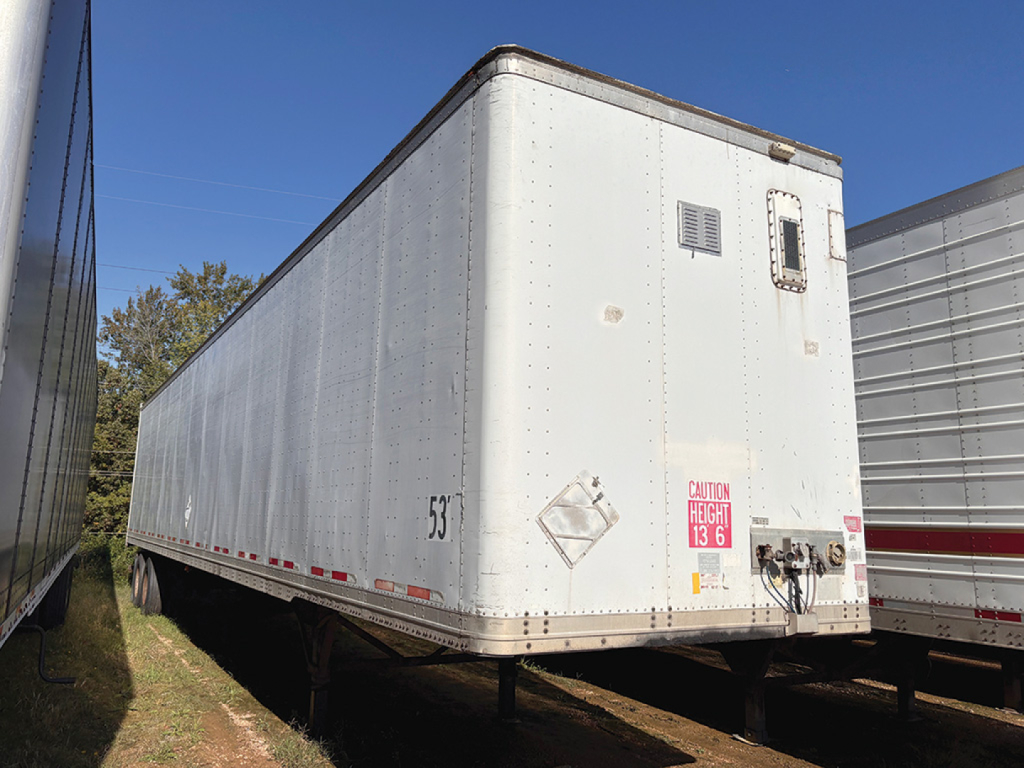
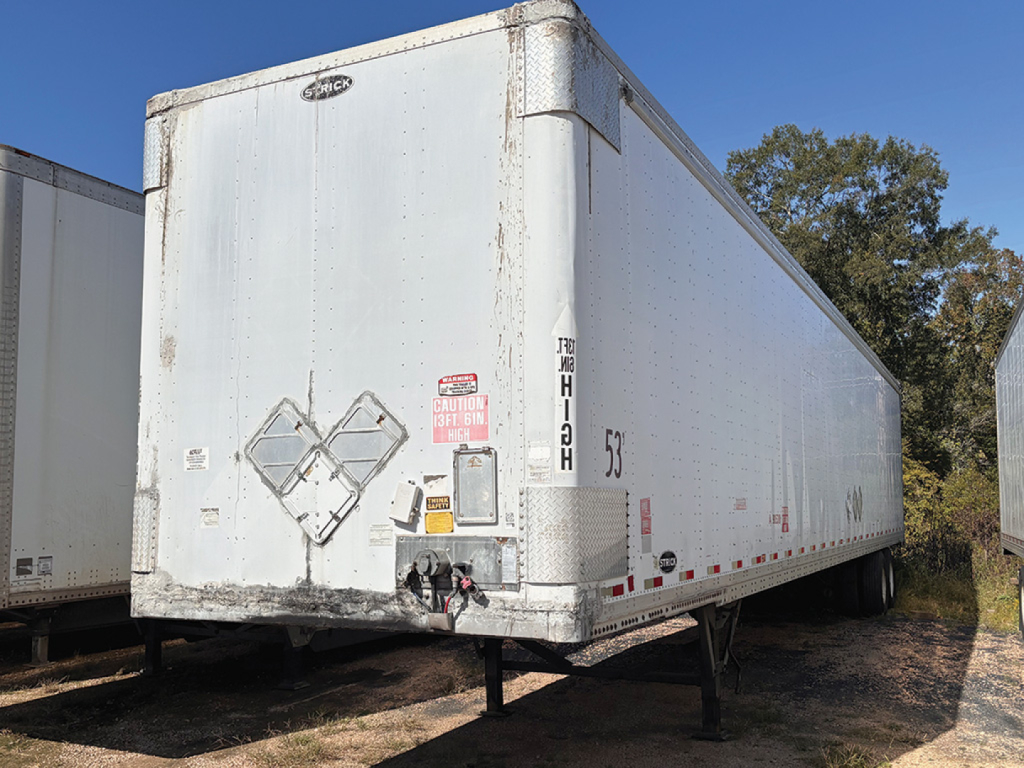

Selling a 2006 trailer? List your 2006 trailer for sale and reach thousands of commercial buyers.
2006 Trailers in North Carolina
For North Carolina buyers, trailer specs often need to fit a mix of port freight, agriculture, manufacturing, building products, and shorter regional turns. Reefer trailers from this era should be checked closely for insulation condition, floor wear, door seal integrity, unit hours, and air chute or bulkhead setup if temperature-sensitive freight is involved. Flatbeds and drop decks need careful review of deck condition, rub rail and winch track wear, coil package layout, and any evidence of frame damage or heavy concentrated loading. Tank trailers require even tighter attention to DOT specification, barrel material, heating equipment, compartment layout, discharge plumbing, and proof of prior inspection and compliance work.
At the component level, 2006 trailers can vary widely depending on whether they were ordered for long-haul fleets or lighter regional service. Common decision points include air ride versus spring ride suspension, fixed versus sliding tandem, steel versus aluminum wheel-end and frame components, and standard 102-inch width on many highway trailers. Buyers should inspect brake type, tire size, wheel condition, suspension bushings, landing gear, kingpin wear, apron plate condition, ABS function, lighting, and signs of corrosion around the subframe or rear structure. On refrigerated and tank equipment especially, repair costs can climb quickly if major systems have been deferred, so maintenance records and recent shop work carry real value.
A 2006 trailer can make sense for cost-conscious operations that do not need late-model aerodynamic packages or the newest telematics and tire inflation systems. The key is matching the trailer to the freight and understanding what has already been rebuilt versus what is coming due next. A lower-entry-price trailer may still be the better buy if it has strong rubber, compliant brakes, sound structural condition, and the right configuration for the lane. Buyers comparing multiple 2006 trailers should focus on usable specification, legal payload, service history, and refurbishment quality rather than age alone.
Frequently Asked Questions about 2006 Trailers in North Carolina
What should I inspect first on a 2006 used trailer?
Start with the structural items that are expensive to correct and critical to safety. Inspect the main frame rails, crossmembers, kingpin area, suspension hangers, slider box if equipped, landing gear mounts, rear frame, and floor condition. After that, evaluate brakes, wheel ends, tires, lights, ABS, and signs of corrosion or previous accident repair. On reefers, verify unit operation and hours. On tanks, confirm DOT specification and current inspection status.
Is a 2006 trailer still a good buy for commercial use?
A 2006 trailer can still be a sound commercial purchase if its specification fits the job and its maintenance has been consistent. Many older trailers remain productive in regional haul, dedicated contract freight, farm use, storage service, and specialized applications. The real question is not just age, but structural condition, compliance status, and how much money will be required in brakes, tires, suspension, flooring, refrigeration, or plumbing over the next 12 to 24 months.
Which specs matter most when comparing 2006 trailers?
The most important specs depend on trailer type, but buyers usually start with length, width, axle setup, suspension, tare weight, floor construction, door configuration, and brake system. Flatbed buyers often focus on deck length, concentrated load capability, winch track, and bulkhead setup. Reefer buyers care about refrigeration unit brand and hours, insulation performance, duct floor or flat floor design, and door seal condition. Tank buyers need to verify gallon capacity, compartment count, barrel material, discharge layout, and heating equipment.
Are older reefer and tank trailers riskier than older flatbeds or dry vans?
They can be, because reefer and tank trailers have more specialized systems that are costly to repair or certify. A reefer may need major work on the unit, evaporator, controls, insulation, floor, or door seals. A tank trailer may require inspection updates, valve and piping service, pressure equipment work, or barrel-related repairs. Flatbeds and dry vans are often simpler mechanically, but they still need close inspection for frame fatigue, floor wear, and running gear condition.
What makes a 2006 trailer a better value than a newer one?
Value comes from total cost of ownership, not just the sale price. A 2006 trailer can be the better value when it has the right configuration for the freight, recent tire and brake work, solid structural condition, and no major deferred repairs. For many fleets and owner-operators, an older trailer with documented maintenance and usable specs can generate revenue immediately without the capital cost of a much newer unit.