
2006 Dry Van Trailers For Sale in North Carolina
Compare 2006 dry van trailers for sale in North Carolina by floor strength, roof condition, tandem wear, and corrosion history before choosing a box trailer.
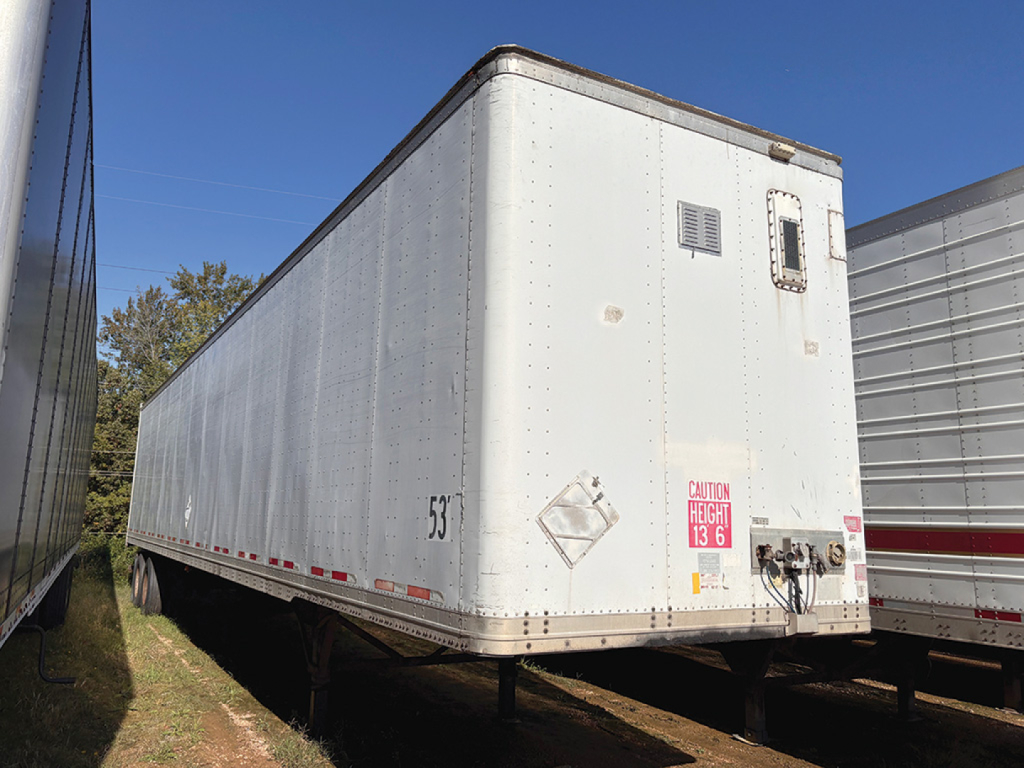
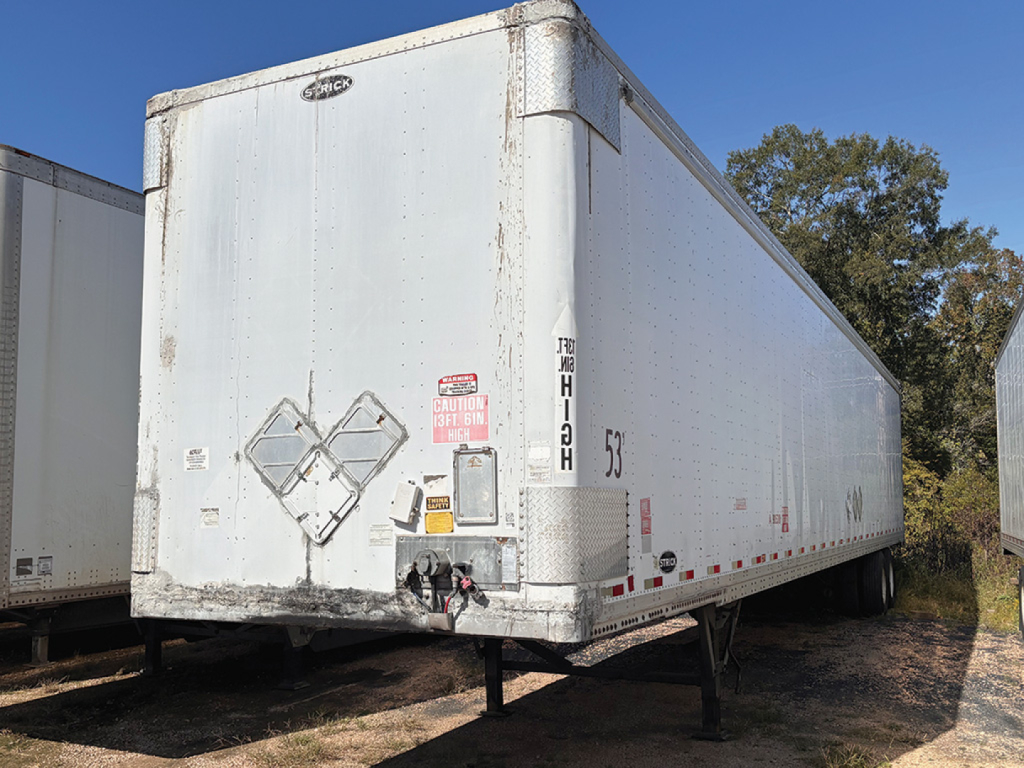

Selling a 2006 dry van trailer? List your 2006 dry van trailer for sale and reach thousands of commercial buyers.
2006 Dry Van Trailers in North Carolina
North Carolina's I-85, I-40, and I-95 corridors support distribution and manufacturing freight, but local dock access can make trailer length and tandem travel as important as cube. Inspect wood floors from above and below for soft spots, delamination, and patched areas over rusted crossmembers. Check roof seams, translucent panels where fitted, upper rails, and front corners for leaks that can damage furniture or cartons. Coastal exposure and mountain winter service warrant close inspection of the slider rails, landing gear, brake hardware, and rear frame for corrosion. Operate both landing gear legs and confirm every tandem locking pin engages.
On a used 2006 van, request repair records and an ABS fault check; inspect air bags, suspension bushings, wheel seals, brake linings, and tire date codes. Any trailer represented as new or unused still needs an age-related inspection and written confirmation of warranty status. Qualifying first retail sales of new heavy trailers can carry 12% federal excise tax; an ordinary used-trailer resale does not.
Frequently Asked Questions about 2006 Dry Van Trailers in North Carolina
How much weight can a 2006 53-foot dry van legally haul in North Carolina?
Legal payload is the lowest limit imposed by axle weights, registered weight, equipment ratings, and the route. The standard Interstate gross combination limit is 80,000 pounds, subject to axle and bridge-formula limits. Subtract the actual tractor-and-trailer tare weight, including fuel and equipment, to estimate payload. A 53-foot body alone does not establish carrying capacity.
Should I choose swing doors or a roll-up door on an older dry van?
Swing doors usually provide more usable rear opening, while a roll-up door can simplify frequent delivery stops where opening swing doors is awkward. Measure the actual opening against your tallest freight and dock requirements. On a 2006 dry van, inspect swing-door hinges and locking rods or roll-up tracks, rollers, cables, and counterbalance hardware before choosing.
Does a 2006 dry van need an annual inspection for interstate hauling?
A dry van used in interstate commercial service must pass a periodic inspection at least once every 12 months under 49 CFR 396.17. The trailer needs its own inspection coverage, separate from the tractor. Verify documentation and inspect current condition because an inspection completed months earlier does not establish that brakes, tires, lights, and structural components remain serviceable.
Can I use a 2006 dry van to haul packaged food?
A clean, dry, odor-free dry van can haul packaged food that does not require temperature control. Confirm the shipper's sanitation requirements and review previous cargo for chemical contamination, allergens, or persistent odors. North Carolina heat and humidity make roof tightness, condensation control, and intact packaging especially important. A standard dry van cannot maintain refrigerated or frozen temperatures.
Is an unused 2006 dry van equivalent to a newly built trailer?
An unused 2006 dry van still has roughly two decades of calendar age and should not be treated as newly manufactured equipment. Storage can leave aged tires, hardened seals, corroded brake components, and moisture-damaged flooring despite minimal mileage. Verify the manufacture date, ownership documents, storage history, and written warranty terms rather than assuming unused condition includes a fresh factory warranty.