
2004 Trailers For Sale
Shop 2004 trailers for sale including dry vans and flatbeds. Compare lengths, axle setups, suspension, floors, and door configurations.
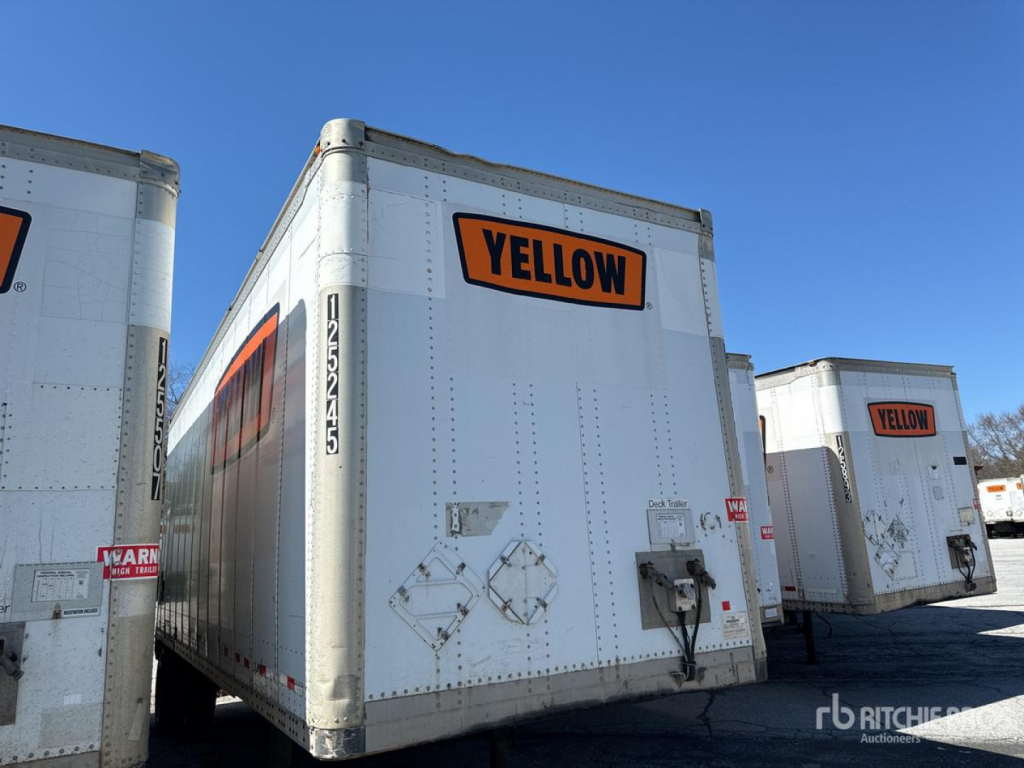
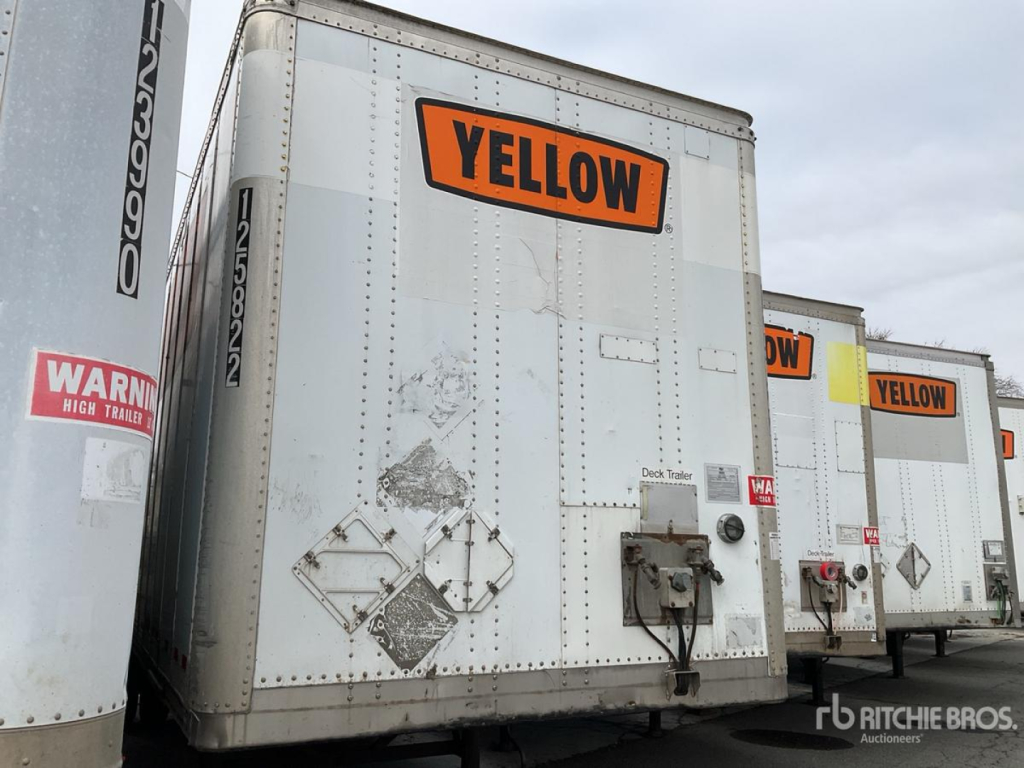
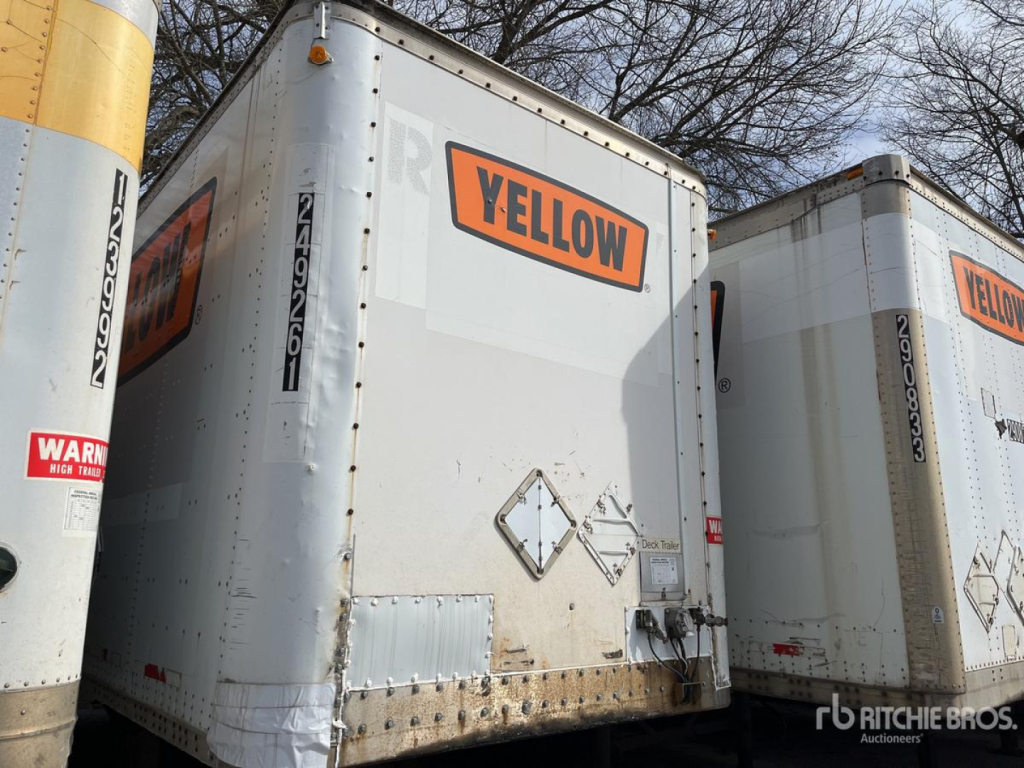
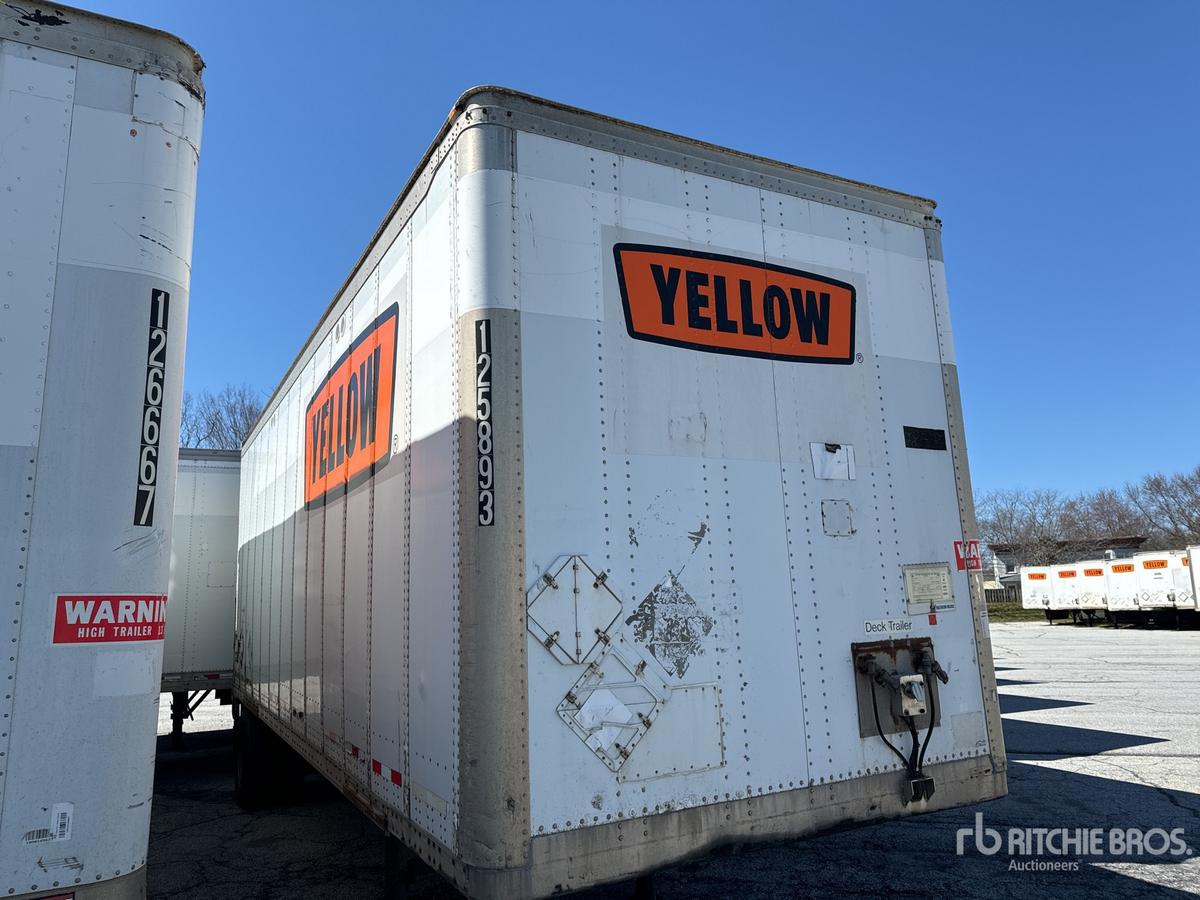

Showing 1 to 28 of 31 results
Have 2004 trailer to sell? List it here to reach thousands of buyers.
2004 Trailers
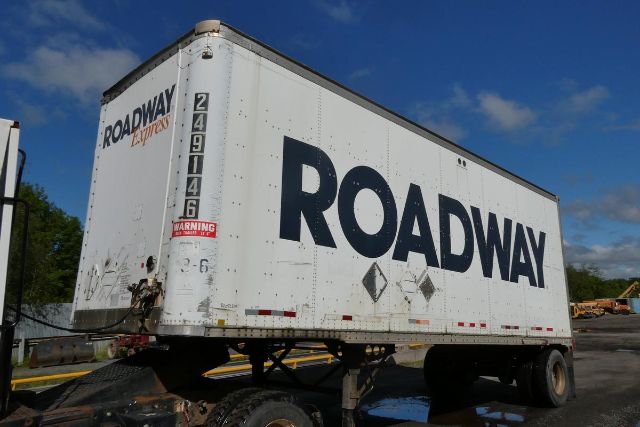
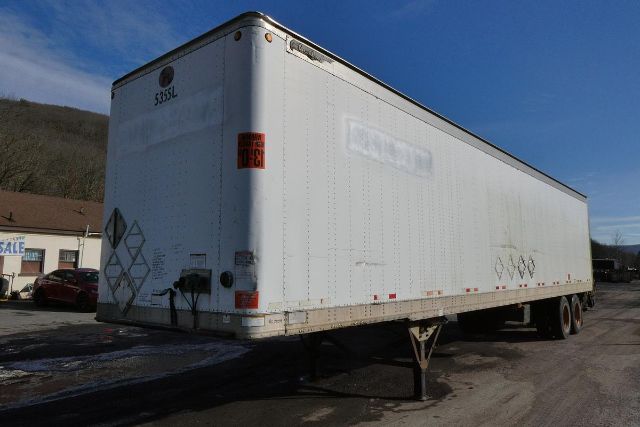
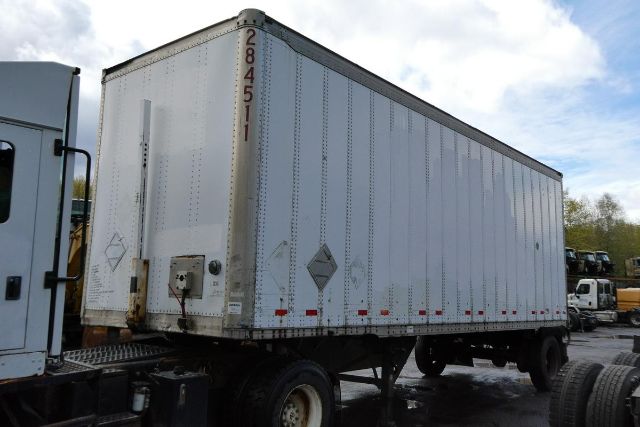
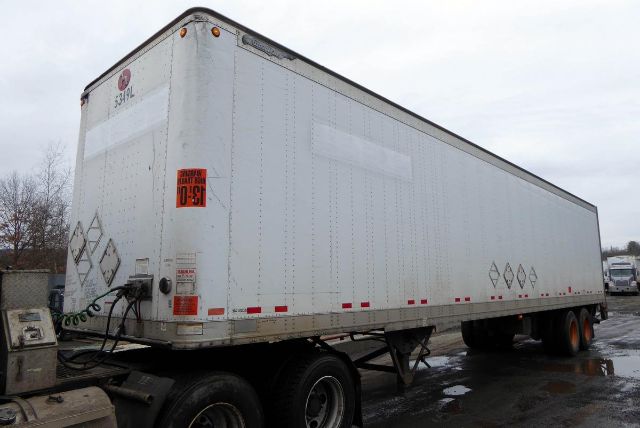
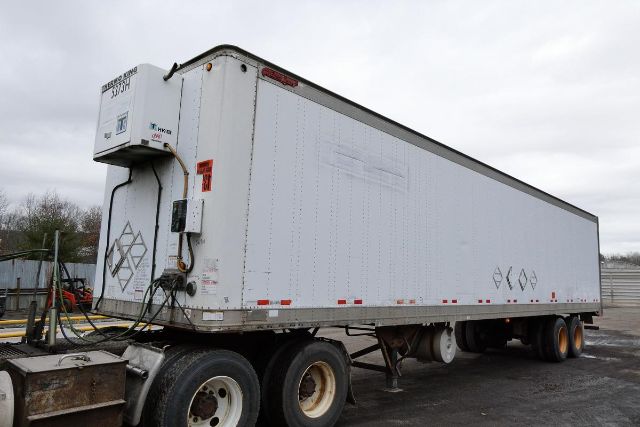
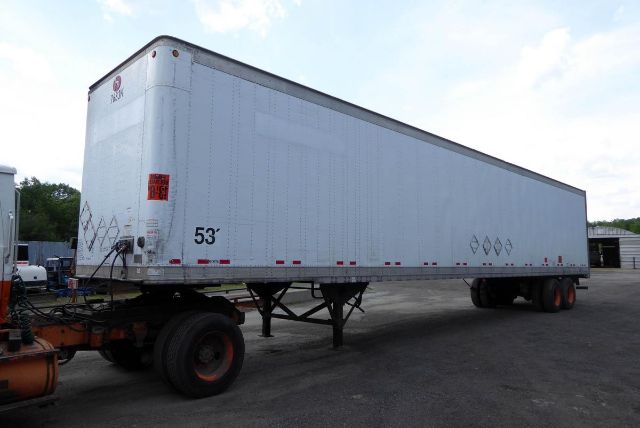
Dry van trailers from this era are often aluminum-steel combos with wood floors, overhead roll-up doors or swing doors, logistics posts, scuff liners, and aluminum roofs. Common specs include 22.5 low-profile tires, fixed or sliding tandems, and interior dimensions suited for standard pallet freight. Buyers moving retail, LTL, route delivery, or warehouse transfer freight should pay close attention to inside height, door opening height, floor condition, and whether the trailer is fitted for doubles service, side skirts, liftgates, or added logistics track. A 28-foot pup van serves a very different operation than a 48-foot or 53-foot road van, so axle configuration, dock compatibility, and turning radius matter just as much as cargo cube.
For flatbeds, the important details usually start underneath. Crossmember spacing, winch track setup, wood floor condition, and suspension type all affect how the trailer will perform in steel, building products, machinery, or general open-deck work. Many 2004 flatbeds on the market were built as straightforward workhorses with 48-foot decks, 102-inch width, sliding tandems, and standard wheel-end setups that are still familiar to most shops. Buyers should inspect frame straightness, deck wear, landing gear, slider operation, brake condition, and the state of the rub rail and tie-down points. On any older flatbed, deferred maintenance tends to show up in the floor and running gear first.
The advantage of buying a 2004 trailer is usually acquisition cost and spec simplicity. The tradeoff is that condition matters more than brand reputation alone. Wabash and Great Dane are common names in this year range, but a well-maintained unit with solid service records can be a better buy than a neglected trailer from any premium manufacturer. Look closely at suspension wear, kingpin and apron condition, roof leaks, door hardware, tire match, wheel type, and signs of prior structural repair. If the trailer will run regional freight, drop-and-hook, or dedicated local routes, a clean 2004 trailer can still pencil out well when the dimensions, tare weight, and maintenance needs fit the operation.
Frequently Asked Questions about 2004 Trailers
What should I inspect first on a 2004 used trailer?
Start with the structure and the running gear. On a dry van, inspect the roof, front wall, rear frame, floor soft spots, crossmembers, scuff liners, and door frame for damage or repairs. On any trailer, check the kingpin, apron, suspension hangers, axle alignment, brake wear, wheel ends, tire age, and slider function if equipped. Older trailers can still be productive, but structural condition matters more than paint or brand decals.
Are 2004 dry van trailers still a good choice for freight work?
They can be, especially for regional haul, storage, local delivery, and dedicated lanes where low acquisition cost is important. Many 2004 dry vans were built with aluminum roofs, wood floors, logistics posts, and standard 48-foot or 53-foot dimensions that still work well in common freight applications. The key is verifying floor life, water tightness, door condition, and brake and suspension status before putting the trailer into service.
What is the difference between a fixed tandem and a sliding tandem on a 2004 trailer?
A fixed tandem axle setup has axles mounted in one position, while a sliding tandem lets you move the axle group forward or rearward. Sliding tandems give more flexibility for bridge law compliance, weight distribution, and dock positioning. Fixed tandems are simpler and can be fine for dedicated work, but they offer less adjustment if your freight weights or route requirements vary.
What specs matter most when comparing older flatbed trailers?
Deck length, crossmember spacing, floor condition, suspension type, slider condition, and tie-down equipment are usually the main factors. A flatbed with a sound frame, solid wood deck, usable winch track, and properly maintained brakes and tires is generally more valuable than one with cosmetic appeal but weak structural components. Buyers hauling dense freight should also confirm axle ratings and look for signs of concentrated load damage.
Is spring ride or air ride better on a 2004 trailer?
It depends on the freight and the operating environment. Spring ride is simple, durable, and often less expensive to maintain, which is why it is common on older dry vans and some flatbeds. Air ride generally provides better cargo protection and ride quality, making it attractive for sensitive freight or higher-speed regional use. On a 2004 trailer, actual condition of the suspension components is often more important than the suspension type itself.