
2004 Wabash Trailers For Sale
Browse 2004 Wabash trailers for sale, including dry van and plate van models with common specs, configurations, and buying considerations.
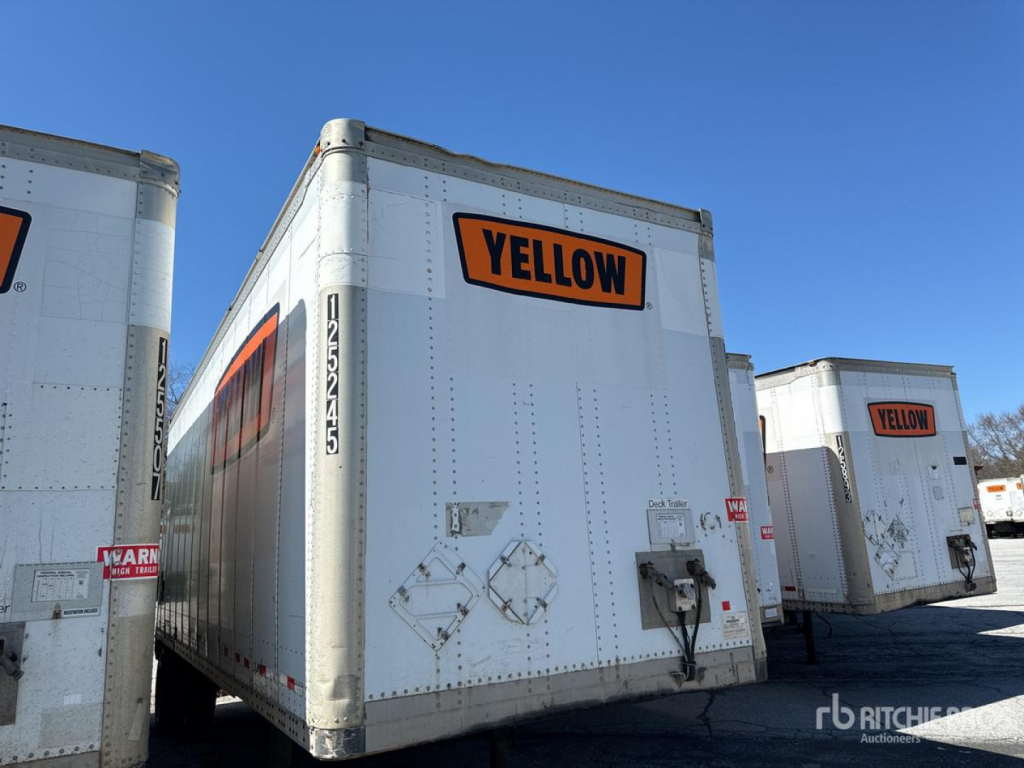
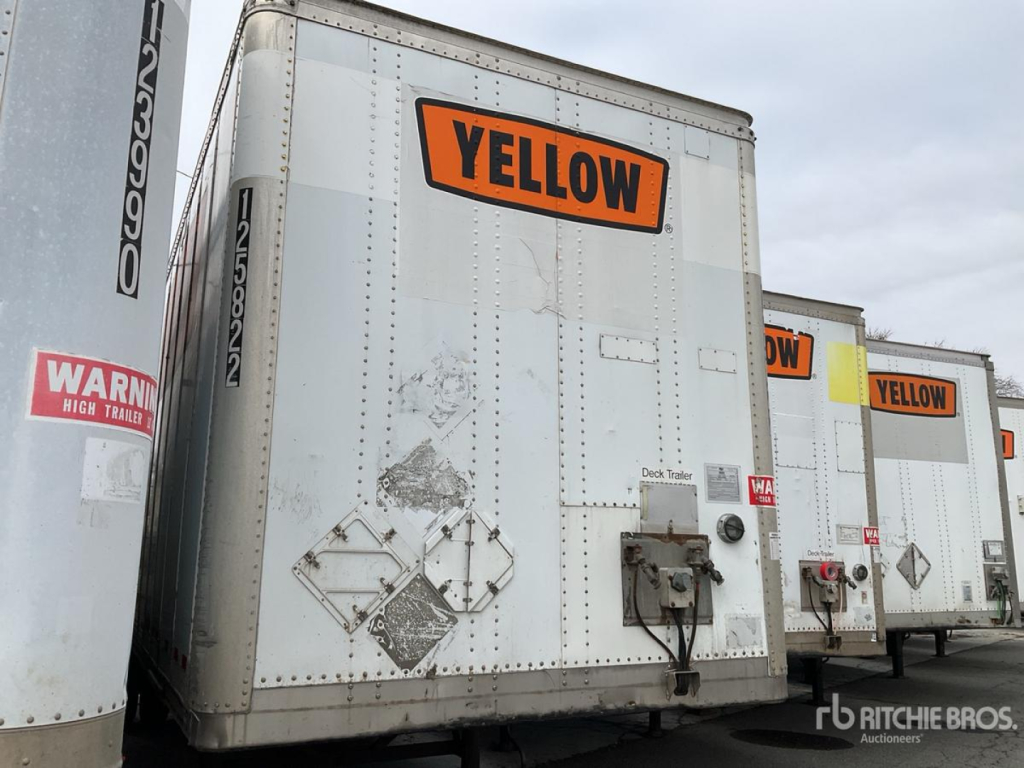
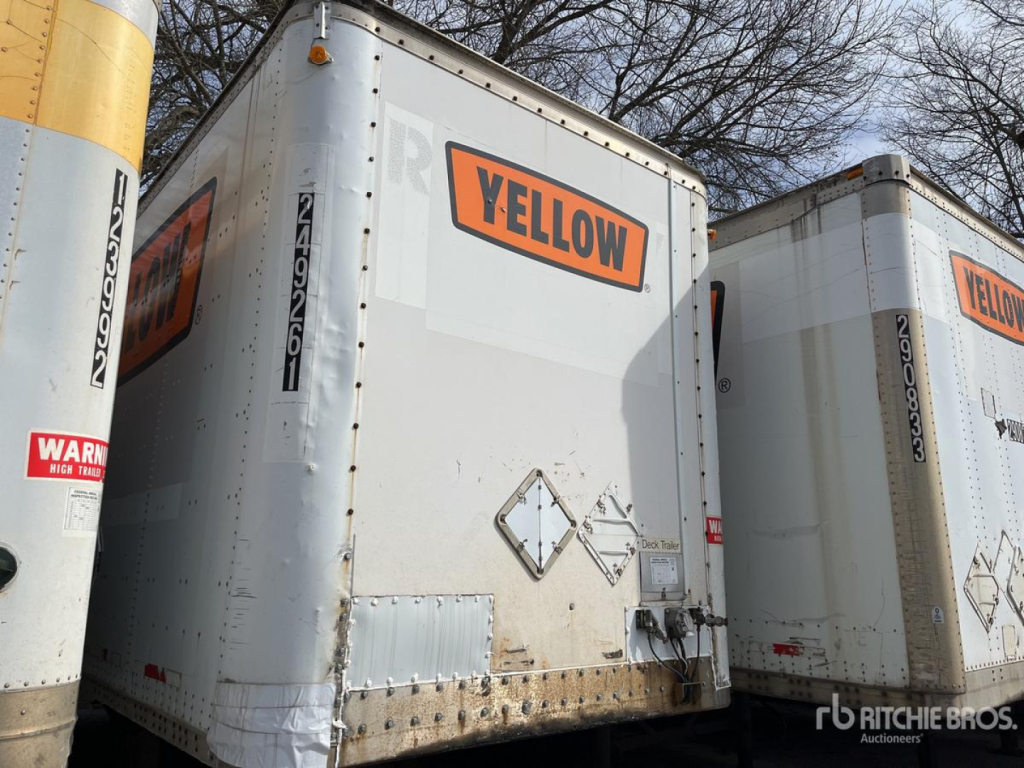
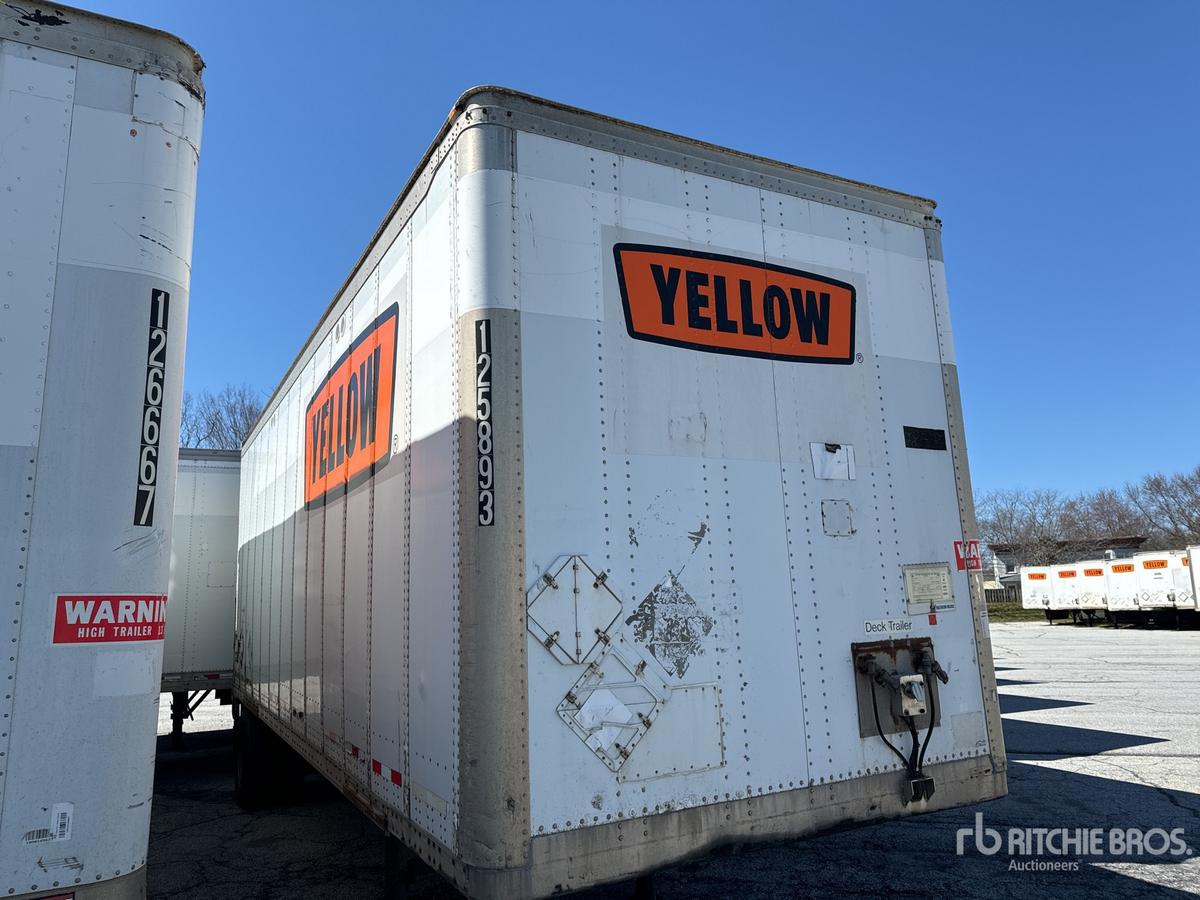
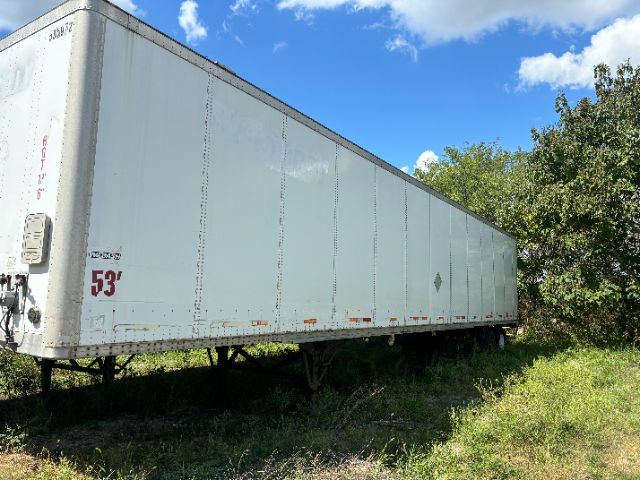
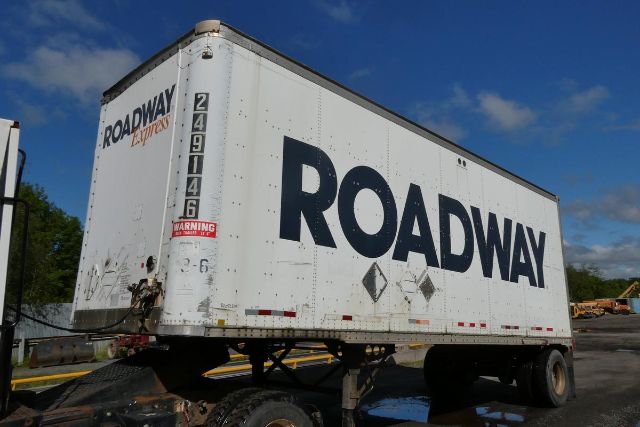
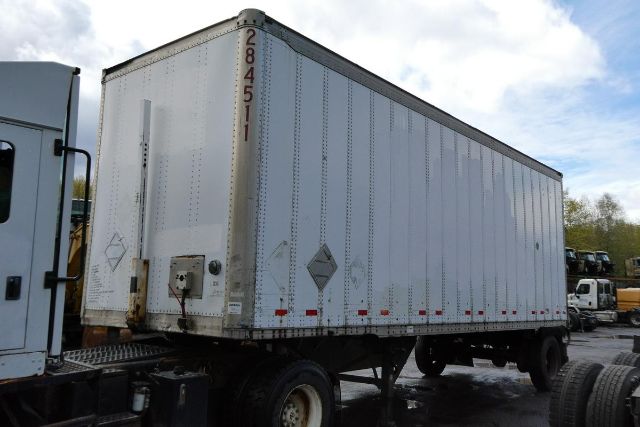

Selling a 2004 wabash trailer? List your 2004 wabash trailer for sale and reach thousands of commercial buyers.
2004 Wabash Trailers
The first decision is usually axle setup and suspension. A sliding tandem is the standard choice for over-the-road flexibility, bridge-law adjustment, and dock positioning, while fixed single-axle units are more common on city vans and pup trailers. Spring ride is common on older units and keeps cost down, but air ride is preferred for freight protection and smoother handling. Check suspension wear points, axle alignment, brake condition, and tire size consistency, especially on older vans that may have seen multiple owners and mixed service histories.
On a 2004 Wabash van trailer, structural condition matters more than badge appeal. Buyers should inspect the floor closely for soft spots, patched sections, fastener pull-through, and threshold wear from forklifts. Sidewall integrity, roof bows, crossmembers, rear frame area, and door surround condition are all important on trailers in this year range. If the trailer has scuff liners, logistics posts, E-track, plywood lining, or a threshold plate, those features can add value depending on the freight being hauled. Roll-up doors help in tight dock environments, while swing doors usually offer a wider, simpler rear opening with fewer moving parts.
A well-kept 2004 Wabash trailer can still be a practical freight box for regional lanes, storage use, dedicated contracts, or local shuttle work. Buyers comparing listings should pay attention to dry weight, GVWR, inside height, load width, and rear door opening dimensions, since those numbers affect cube, payload, and forklift access. It is also worth confirming kingpin setting, landing gear condition, brake type, wheel-end condition, and signs of prior body repair. For operators looking at an older Wabash, the best value usually comes from a sound frame, a solid floor, working doors, and a trailer spec that matches the route and freight profile.
Frequently Asked Questions about 2004 Wabash Trailers
What types of 2004 Wabash trailers are most common on the used market?
The most common 2004 Wabash trailers are dry van and plate van configurations, usually in 48-foot or 53-foot tandem axle form. Buyers may also find shorter single-axle vans used for city delivery, P&D work, or doubles service. Most are 102 inches wide, with wood floors, aluminum roofs, and either roll-up or swing rear doors.
What should I inspect first on a 2004 Wabash trailer?
Start with the floor, crossmembers, rear frame, roof, and door surround. On a trailer of this age, structural condition is usually more important than appearance. Look for soft floor sections, cracked crossmembers, patched side panels, leaking roof seams, damaged scuff liners, and rear door issues. Brake wear, tire age, suspension condition, and slider function should also be checked before purchase.
Is a sliding tandem better than a fixed axle on a 2004 Wabash trailer?
A sliding tandem is generally better for over-the-road use because it gives more flexibility for axle weight distribution, bridge-law compliance, and dock approach. A fixed axle setup is simpler and common on shorter vans or dedicated route trailers, but it offers less adjustment. The better choice depends on lane type, freight weight, and how often the trailer needs to adapt to different loading conditions.
Are older Wabash dry vans still worth buying for freight use?
Yes, if the trailer has a solid structure and the specification matches the job. Many older Wabash dry vans remain useful for regional freight, warehouse shuttle service, storage, and dedicated local work. The key is to verify floor strength, door operation, suspension condition, and overall frame integrity. A lower purchase price can make an older trailer cost-effective if repair needs are understood upfront.
What specs matter most when comparing 2004 Wabash trailer listings?
The most important specs are trailer length, axle configuration, suspension type, GVWR, dry weight, inside height, door opening dimensions, and floor construction. Buyers should also compare rear door style, kingpin setting, roof material, and whether the trailer has options like E-track, logistics posts, scuff liners, or side lining. These details directly affect payload, cube, loading efficiency, and the type of freight the trailer can handle.