
2004 Wabash Van Trailers For Sale
Shop 2004 Wabash van trailers with specs on lengths, doors, axles, suspension, floors, and dry freight applications buyers compare most.
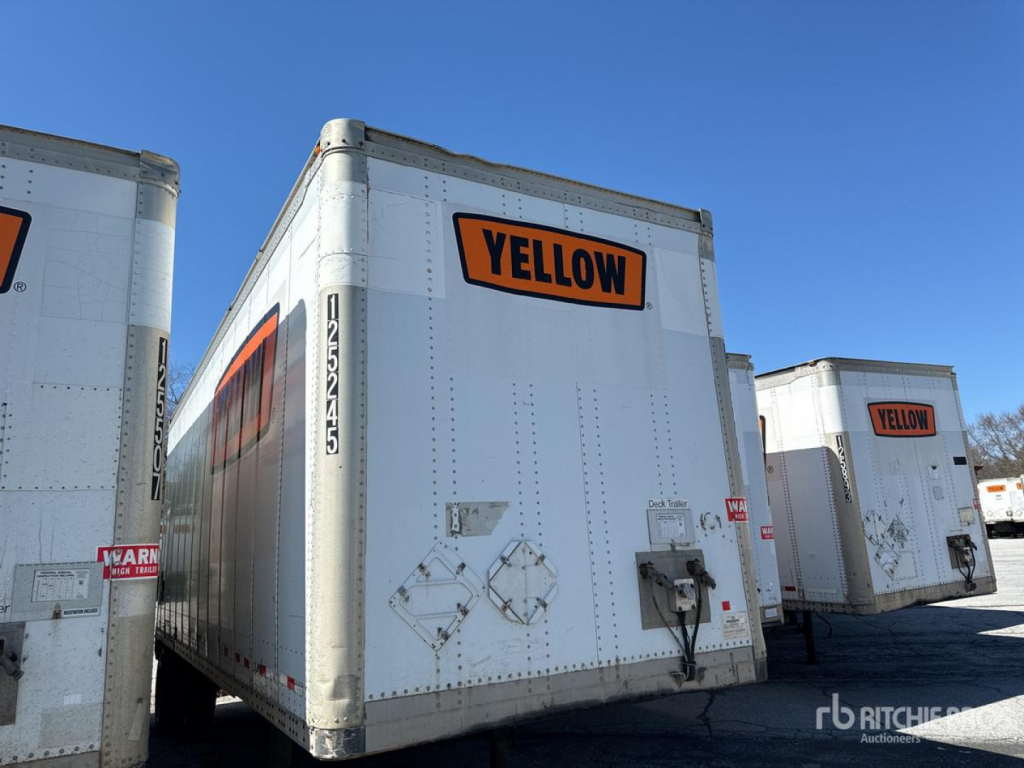
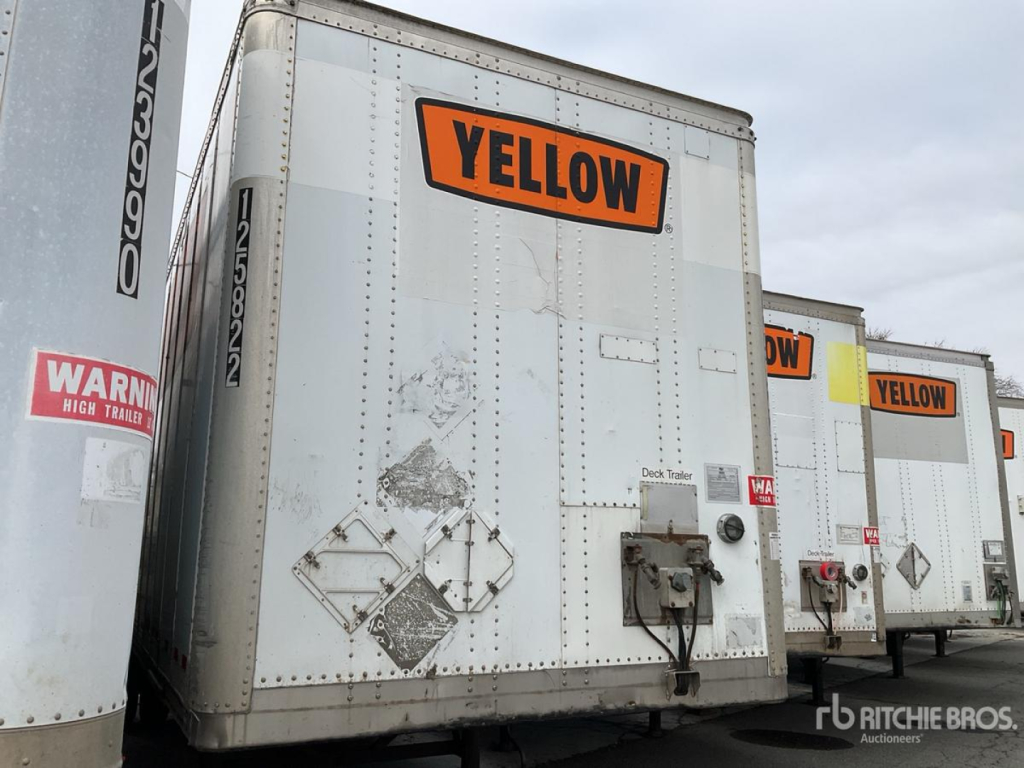
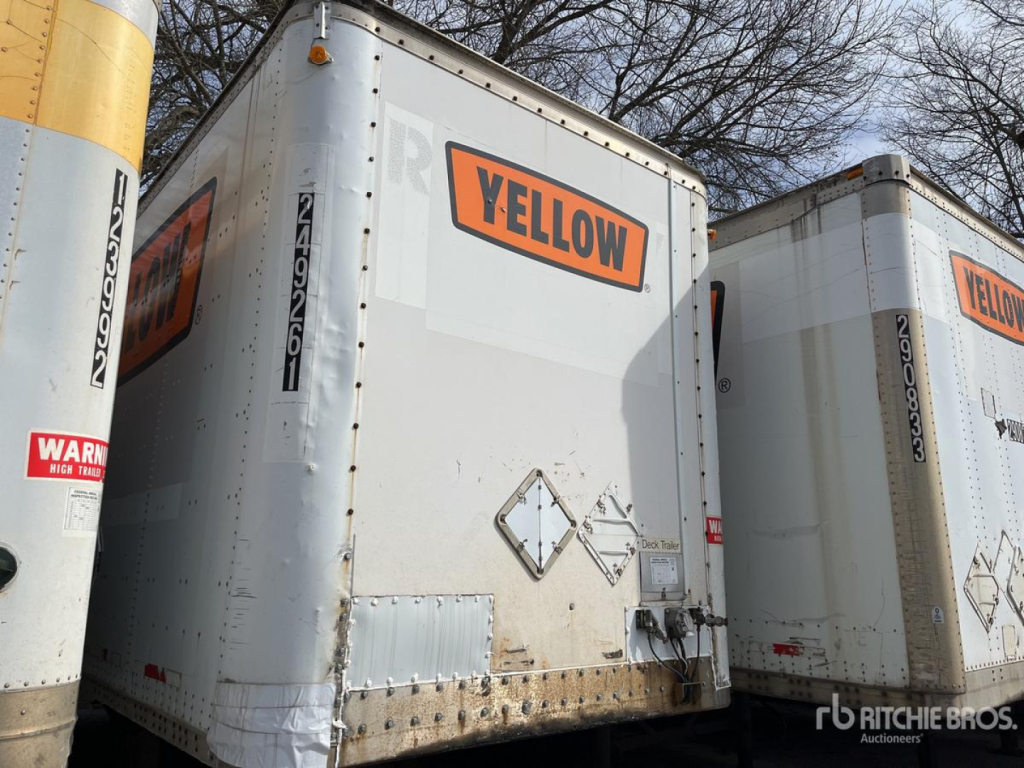
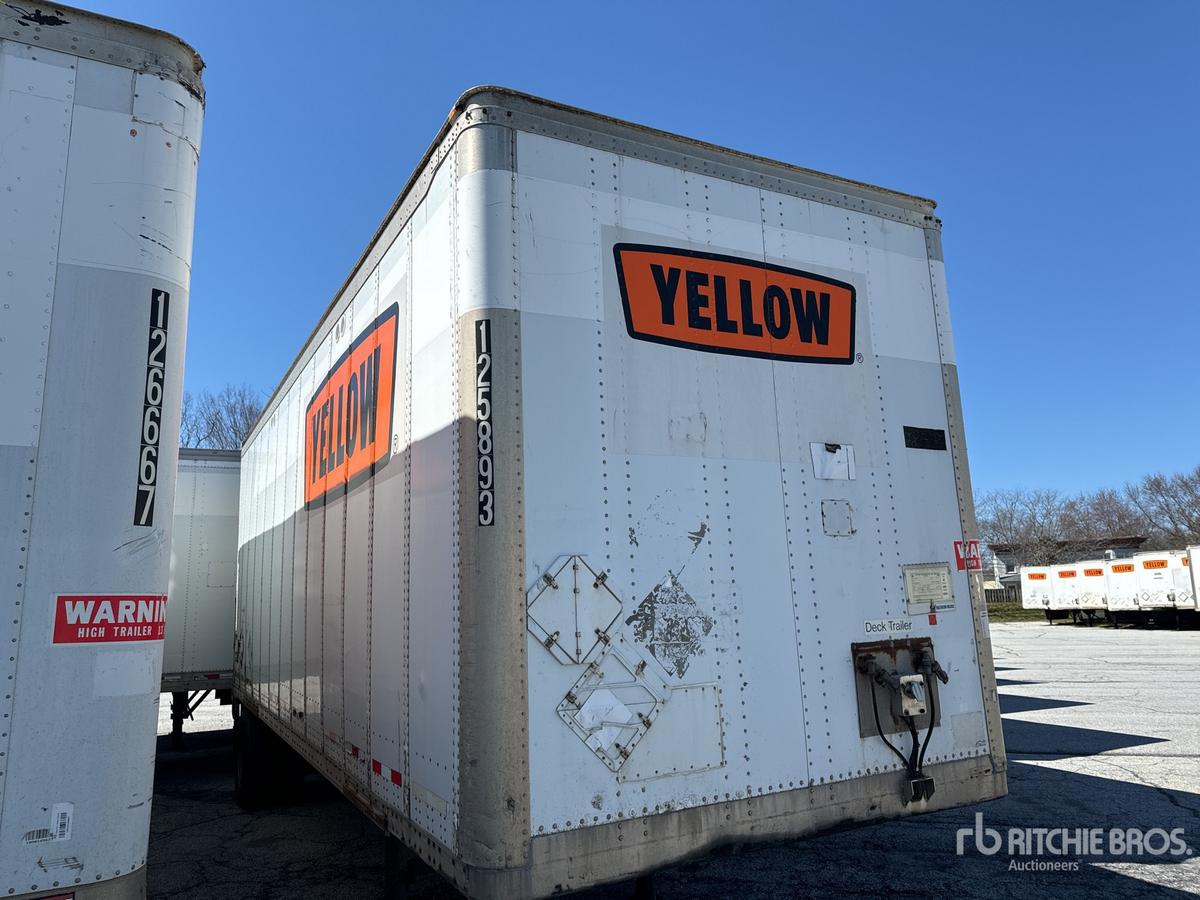

Have 2004 wabash van trailer to sell? List it here to reach thousands of buyers.
2004 Wabash Van Trailers
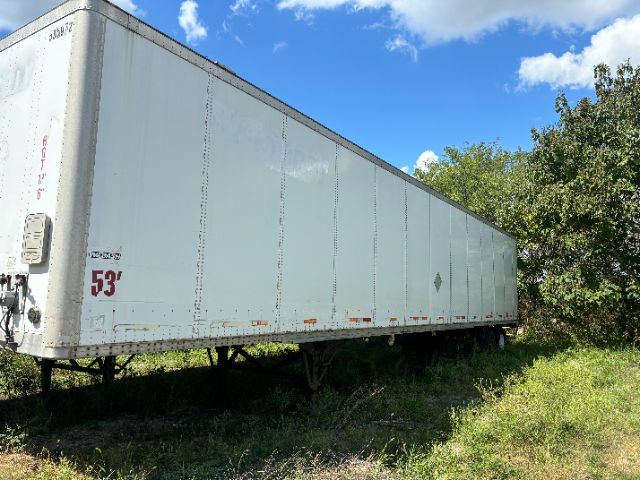
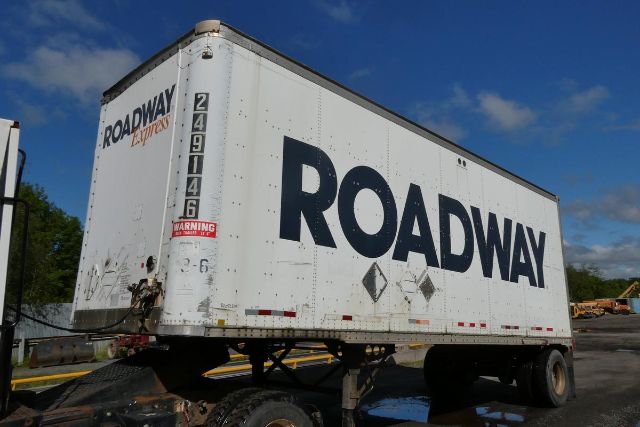
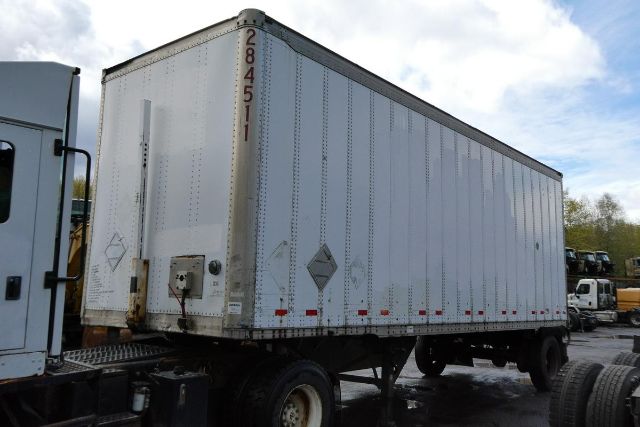
The first major decision is configuration. A 53' x 102" dry van is the standard choice for full truckload freight, while shorter 28-foot pups are often used in LTL, terminal operations, and doubles. Tandem slider axles offer flexibility for bridge law compliance and weight distribution, while fixed single-axle layouts are more common on shorter vans. Suspension type matters on older trailers because it affects ride quality, maintenance cost, and tire wear. Air ride is preferred for many freight applications, but spring suspensions are still found and can be a practical fit for certain regional or yard-focused operations. Tire size, wheel type, brake condition, and hub style should all be checked closely on a 2004 trailer because these items drive immediate operating cost.
Cargo handling details are just as important as the chassis. Buyers should pay attention to door style, logistics layout, and interior lining. Roll-up doors are useful in urban and multi-stop service, but swing doors usually provide a larger rear opening and fewer moving parts. Vertical logistics posts or closely spaced logistics track can add flexibility for load securement. Common interior features on Wabash vans include scuff liners, translucent or aluminum roofs, and wood floors that may show patching or localized wear after years of forklift traffic. Floor thickness, crossmember spacing, threshold condition, roof bow integrity, and evidence of sidewall repair are worth inspecting carefully, especially on high-cycle freight equipment.
For a 2004 Wabash van trailer, value comes from how well the trailer matches the lane and freight, not just the purchase price. A lighter dry van may make sense for cube-driven freight, while a heavier but sound trailer can still be a strong fit for storage, short regional runs, or dedicated contract work. Check the VIN spec, GVWR, door opening height, kingpin area, upper coupler, and rear frame for signs of fatigue or prior damage. If the trailer will stay in over-the-road service, buyers often prioritize DOT-ready brakes, good rubber, a solid floor, straight rails, and functional slider components over appearance. Wabash remains a well-known name in van trailers, and a properly maintained 2004 unit can still serve reliably in the right application.
Frequently Asked Questions about 2004 Wabash Van Trailers
What should I inspect first on a 2004 Wabash van trailer?
Start with the floor, roof, rear frame, and suspension. On a trailer of this age, the floor condition often tells you how hard it has been worked, especially if there has been repeated forklift loading. Check for soft spots, excessive patching, damaged thresholds, and crossmember issues. Then inspect the roof for leaks or patch repairs, the rear frame and door surround for impact damage, and the suspension, brakes, and tires for immediate maintenance needs.
Are 2004 Wabash van trailers usually 53-foot dry vans?
Many are 53-foot dry vans, but that is not the only configuration in the market. Wabash also built shorter vans, including 28-foot pup trailers used in LTL and doubles service. Buyers should confirm the actual trailer length, axle layout, suspension type, and door style because the model year and make alone do not guarantee a standard over-the-road 53-foot specification.
Is a roll-up door or swing door better on a used van trailer?
It depends on the freight and loading environment. Roll-up doors are practical for city routes and frequent dock stops because they do not swing out behind the trailer, but they add components that can wear and reduce rear opening height slightly. Swing doors are simple, durable, and often preferred for full dock loading because they provide a wide, unobstructed opening. On a used trailer, condition matters more than preference, so check hinges, seals, tracks, and frame alignment.
What axle setup is best for a used Wabash van trailer?
For most 53-foot dry van applications, a tandem slider is the most versatile setup because it helps with bridge compliance and load distribution. For shorter vans, especially 28-foot units, fixed single axles are common and can be suitable for terminal work, city routes, or doubles service. The best choice depends on the freight, state regulations, and how often the trailer needs axle adjustment. On older equipment, make sure the slider pins, rails, and suspension components are still in good working order.
Can a 2004 Wabash van trailer still be a good buy for commercial use?
Yes, if the trailer has solid structure and the specification fits the job. Age alone does not determine value in a dry van. A 2004 unit with a sound floor, straight frame, serviceable brakes, legal tires, and a dry interior can still work well for regional freight, storage, dedicated lanes, or lower-mileage operations. The key is to evaluate repair exposure against purchase price and decide whether the trailer is intended for primary over-the-road service or secondary support duty.