
2004 Wabash Van Trailers For Sale in New York
Shop 2004 Wabash van trailers for sale. Compare 48' and 53' dry vans with swing or roll-up doors, tandem sliders, and aluminum-steel construction.
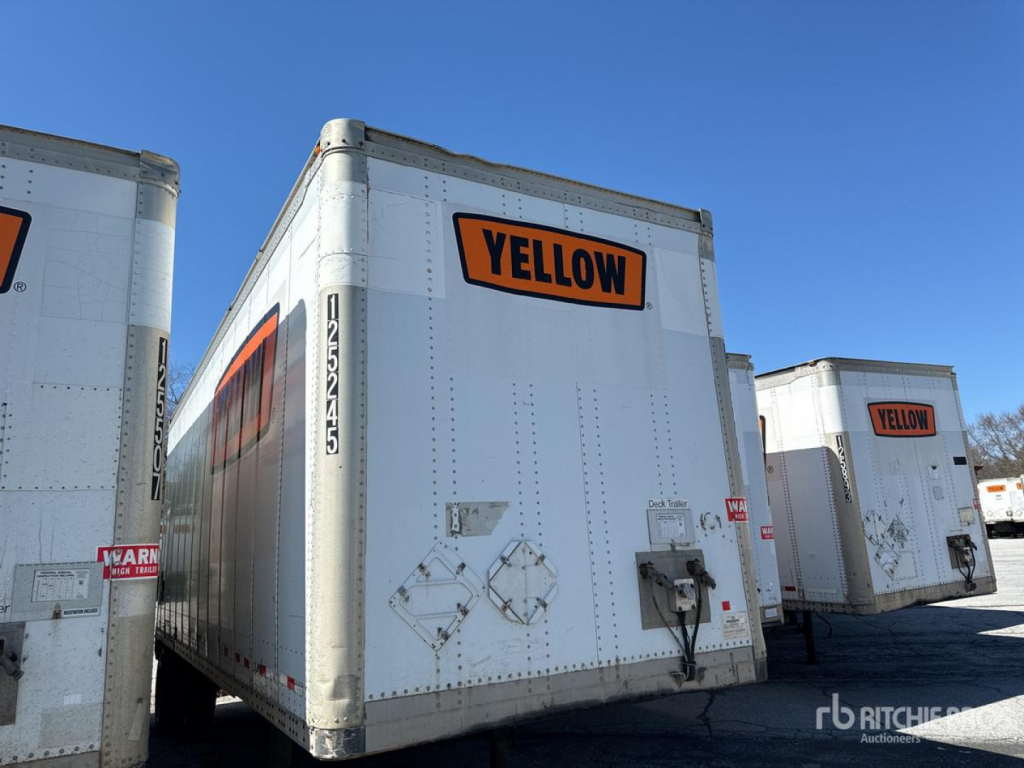
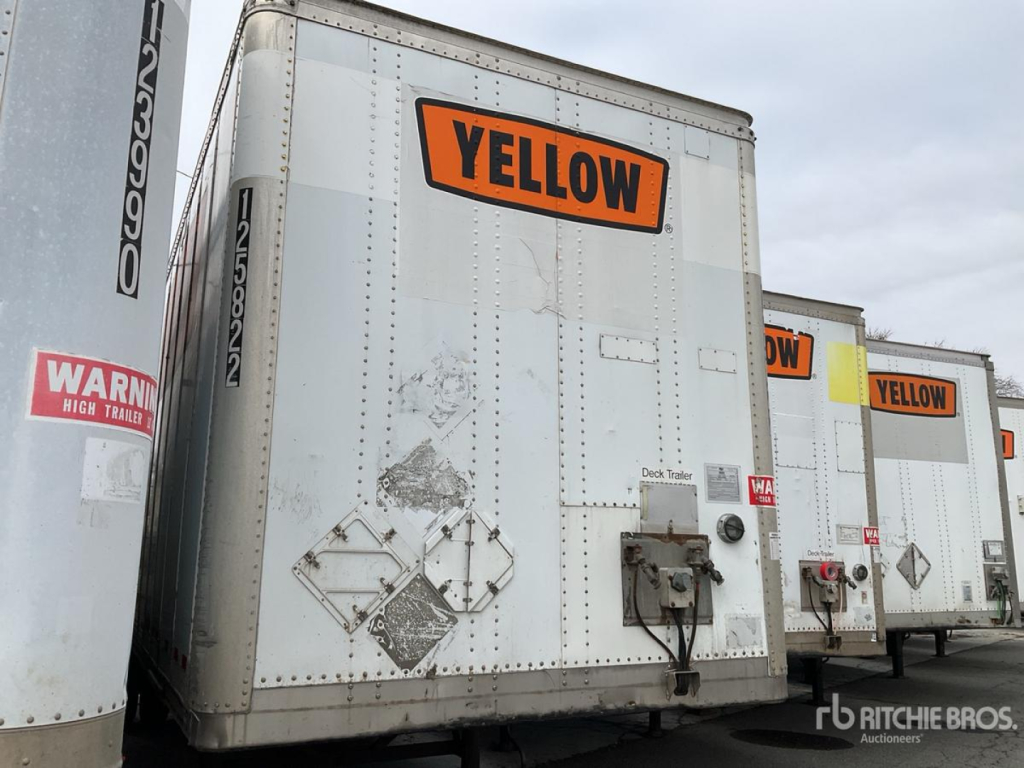
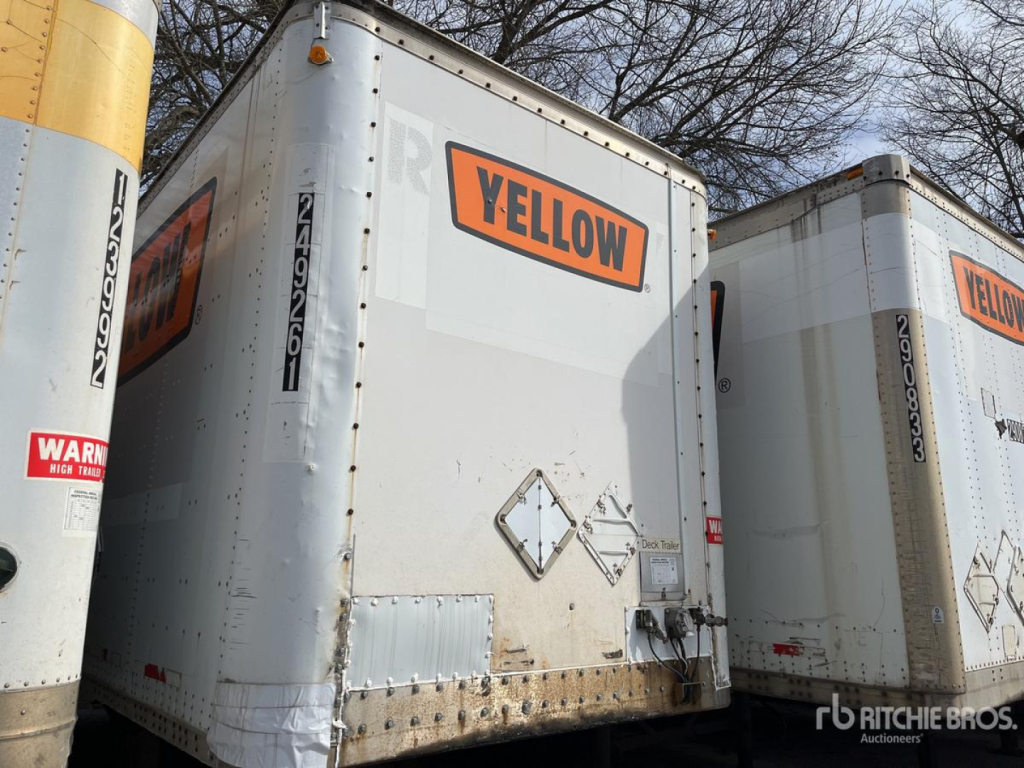
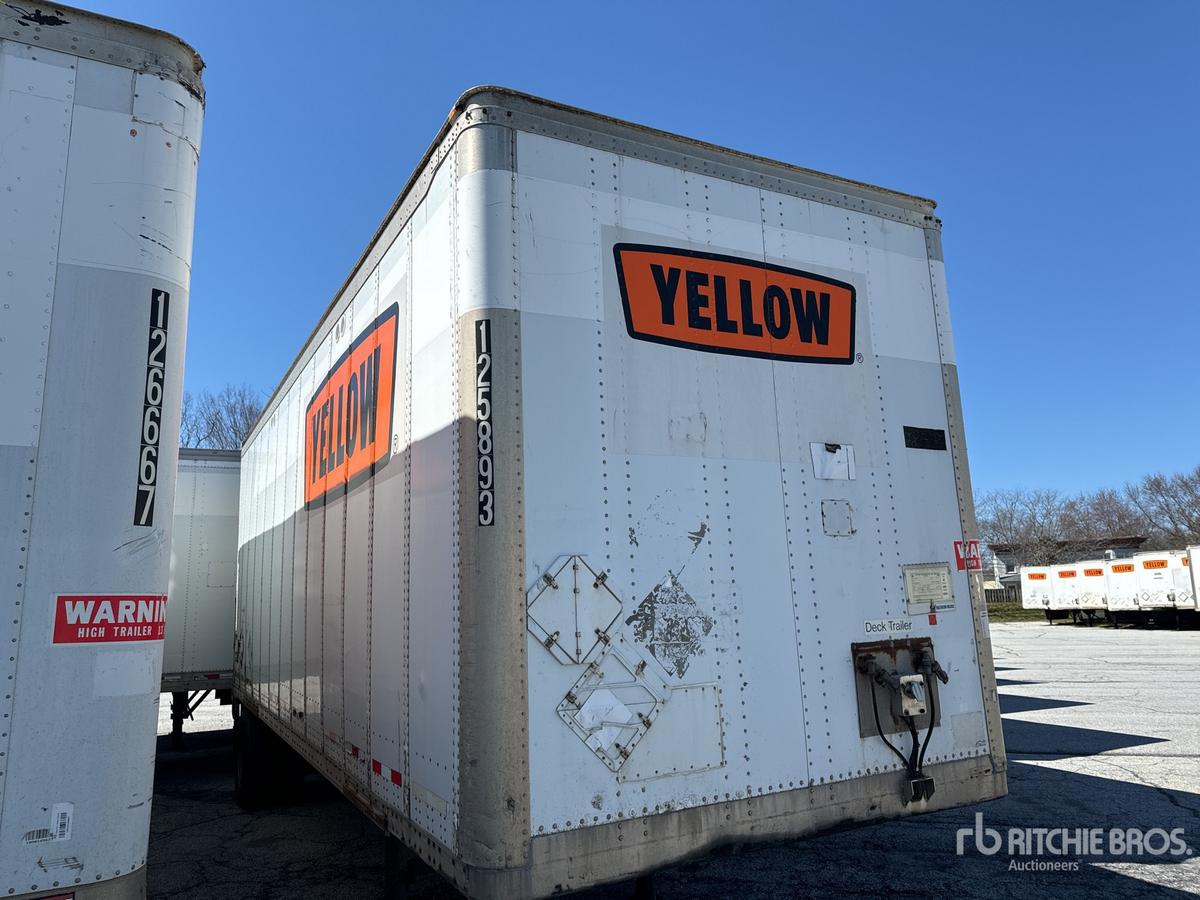
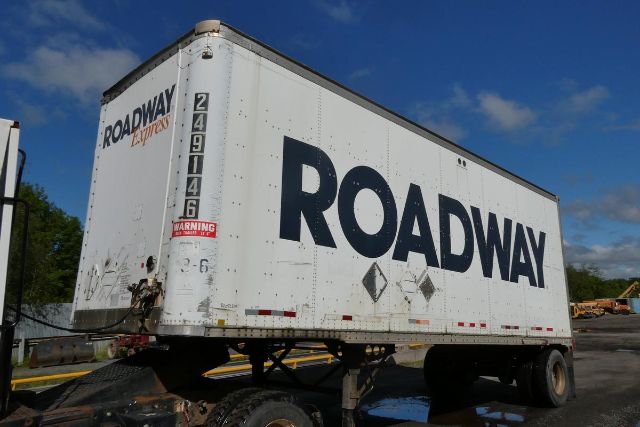
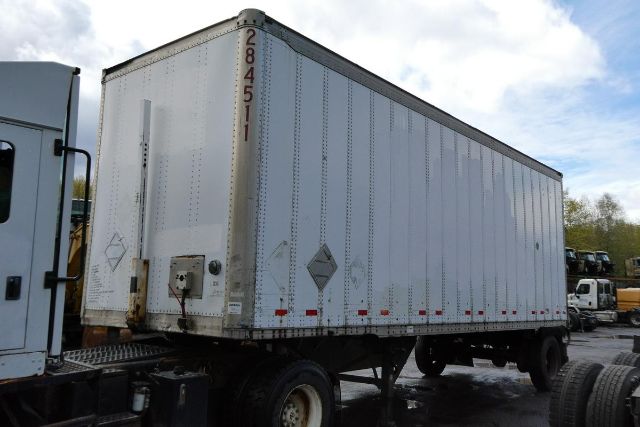

Have 2004 wabash van trailer to sell? List it here to reach thousands of buyers.
2004 Wabash Van Trailers in New York
For most buyers, the biggest decision points are door style, tandem configuration, and structural condition. Roll-up doors can be useful in tight docks and urban delivery work, but cable, track, and hinge wear should be checked closely on older vans. Swing doors are simpler and often lighter, but they need more clearance at the dock. A slideable closed tandem is common on Wabash vans from this period and gives flexibility for bridge law compliance, weight distribution, and tighter turning in crowded yards. Suspension on older dry vans is often spring ride, which is durable and straightforward to maintain, though some fleets prefer air ride for more sensitive freight.
On a used 2004 van trailer, condition matters more than brand decal or original spec sheet. Buyers should inspect the roof for patches or tears, the front wall and rear frame for impact damage, and the floor for rot, delamination, or forklift damage around the thresholds and high-traffic lanes. Crossmembers, upper coupler plate, slider rails, and landing gear mounts deserve a close look because repairs in those areas can add up quickly. Tire size is commonly 295/75R22.5 or similar, mounted on 10-bolt hub-piloted steel wheels, and brake condition should be evaluated along with chambers, slack adjusters, drums or discs, and air system leaks. If the trailer has side skirts, logistics posts, scuff liners, side windows, or other route-specific equipment, make sure those features match the freight lane and loading method you actually run.
A 2004 Wabash dry van can still make sense for regional hauling, storage use, drop trailer programs, and cost-conscious fleet expansion if the structure is sound. Wabash has long been a common name in van trailers, so parts, service familiarity, and resale recognition are generally better than with obscure makes. The right trailer in this class is usually the one with a solid floor, straight body, legal brakes and tires, and a tandem slider that moves as it should. For buyers comparing multiple older vans, maintenance history and current structural condition will tell you more than model year alone.
Frequently Asked Questions about 2004 Wabash Van Trailers in New York
What should I inspect first on a 2004 Wabash van trailer?
Start with the floor, roof, rear frame, slider assembly, and suspension mounts. On an older dry van, those areas tell you most of what you need to know about remaining service life and repair exposure. Check for soft or broken floor sections, roof patches or punctures, cracked crossmembers, bent rear posts, seized slider pins, and corrosion around the landing gear and upper coupler. Then confirm the brakes, tires, lights, and air system are roadworthy.
Are 2004 Wabash van trailers usually 48-foot or 53-foot?
Both are common, but 53-foot dry vans are more typical in over-the-road and distribution service, while 48-foot units still show up in regional applications and certain private fleet operations. Buyers should match trailer length to freight cube, dock setup, lane restrictions, and tractor wheelbase. A 53-foot van usually offers the best versatility for standard palletized freight, but a 48-foot unit can be easier to maneuver and may fit certain dedicated operations better.
Is a spring ride suspension a drawback on an older dry van?
Not necessarily. Spring ride is common on older van trailers because it is durable, simple, and generally less expensive to maintain than more complex systems. For standard dry freight, it can be perfectly acceptable if the suspension components are in good shape. If the trailer will haul sensitive consumer goods, electronics, or freight with a high damage claim risk, some buyers may prefer air ride, but condition and maintenance matter more than suspension type alone.
What is the benefit of a slideable closed tandem on a dry van trailer?
A slideable closed tandem lets the operator shift axle position to help with bridge law compliance, kingpin-to-rear axle settings, and weight distribution across the tractor and trailer. It also helps adapt the trailer to different state rules and customer facilities. On a used trailer, the value of the slider depends on whether it actually moves correctly, locks securely, and shows no major rail damage or worn components.
How much does brand matter when buying an older van trailer like a 2004 Wabash?
Brand matters less than structure and maintenance, but Wabash does carry value because it is widely recognized and commonly supported in the trailer market. That usually means better parts familiarity, easier service access, and more predictable resale than lesser-known makes. Still, a well-maintained trailer from any major builder is usually a better buy than a neglected Wabash with floor damage, roof leaks, or a compromised rear frame.