
2004 Wabash Trailers For Sale in New York
Shop 2004 Wabash trailers for sale, including dry van models known for durable aluminum-steel construction, logistics-ready specs, and fleet use.
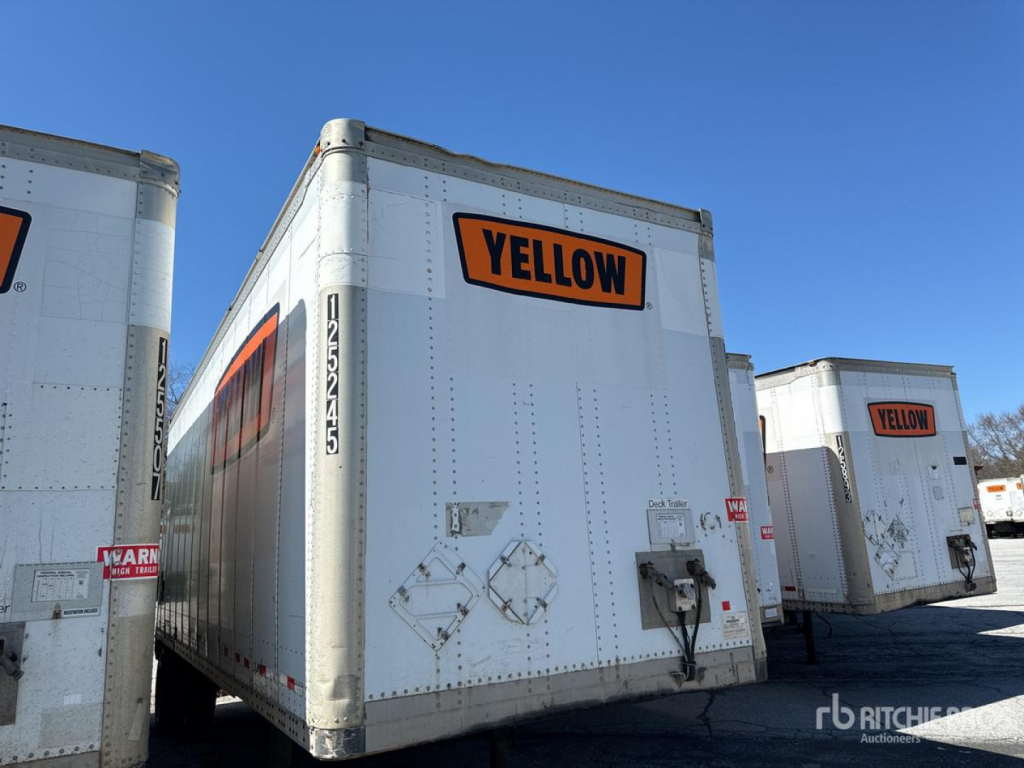
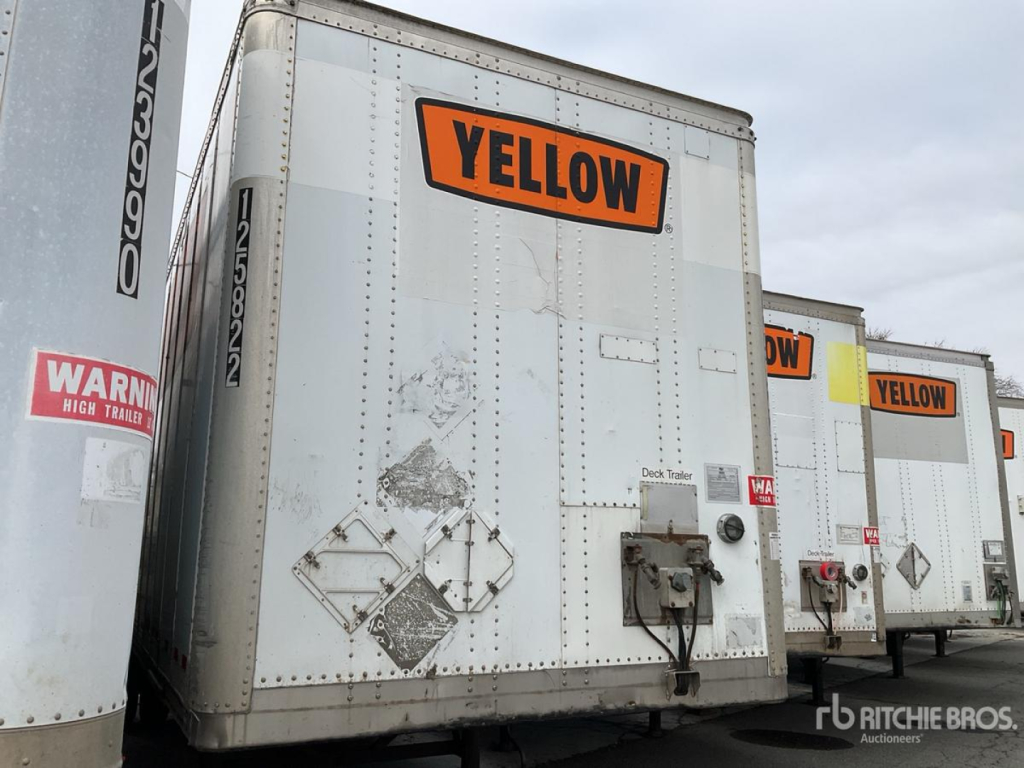
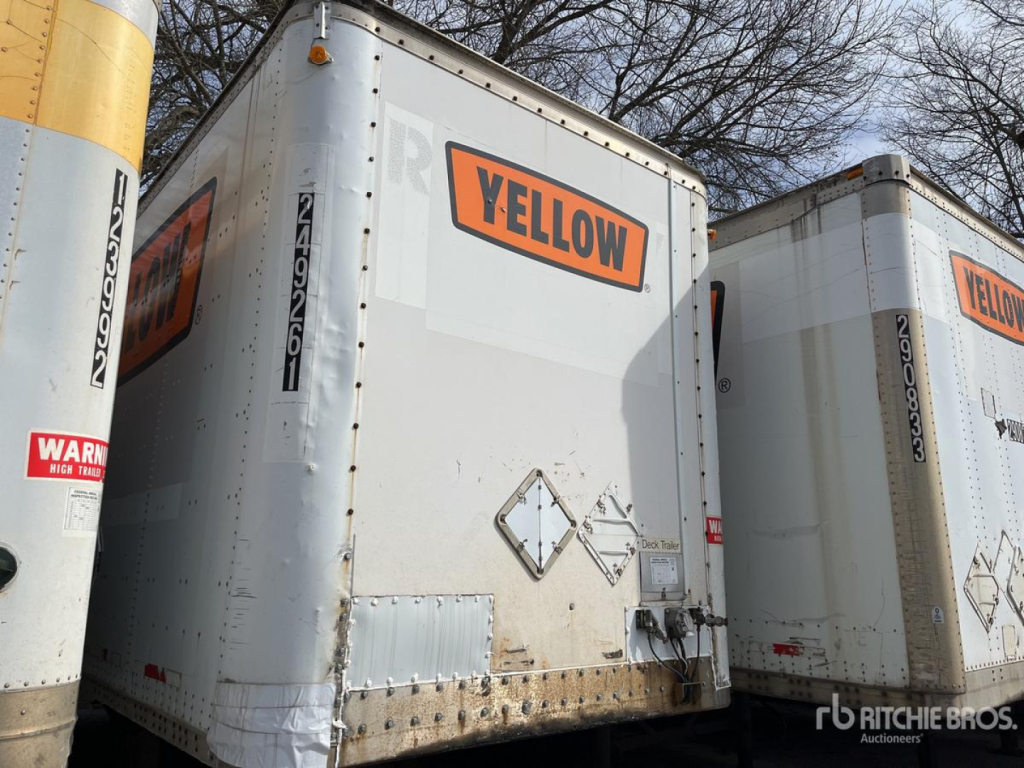
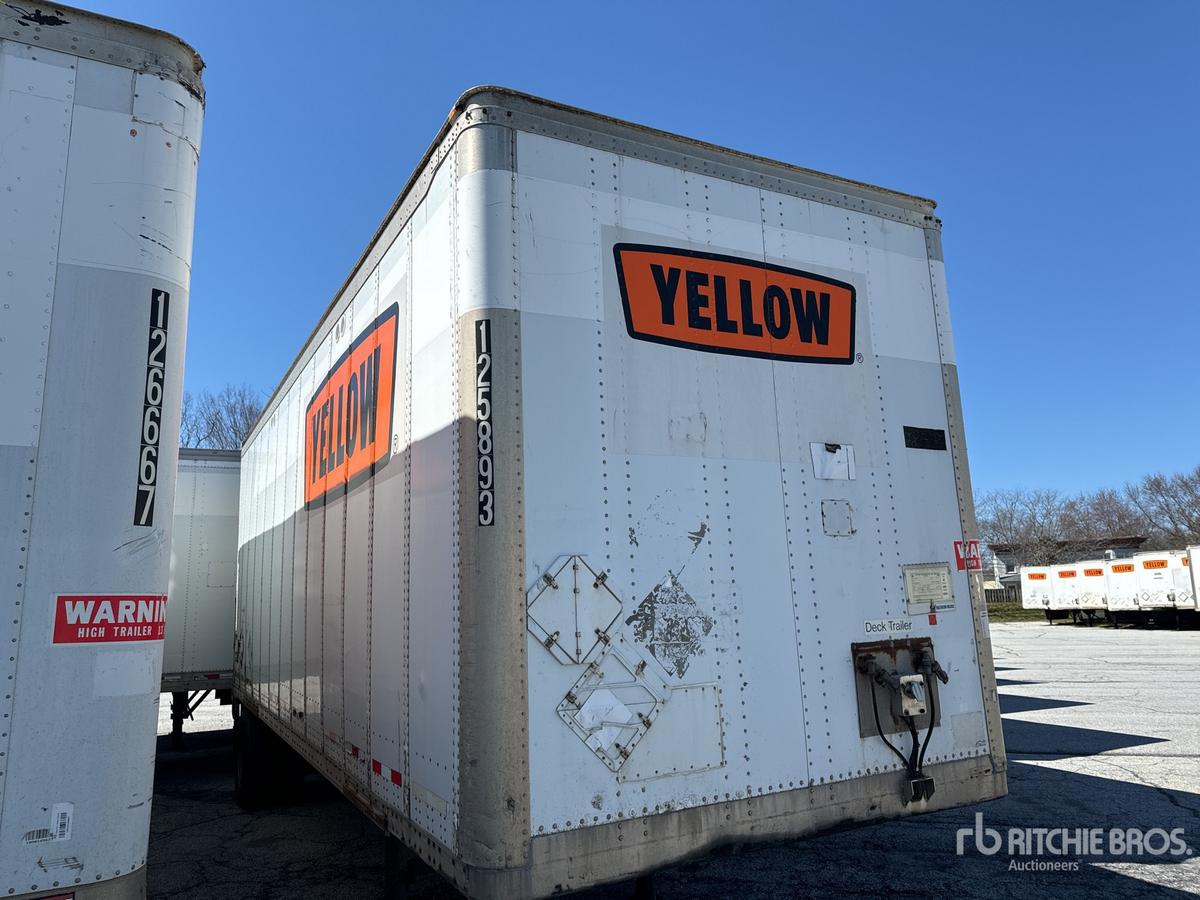
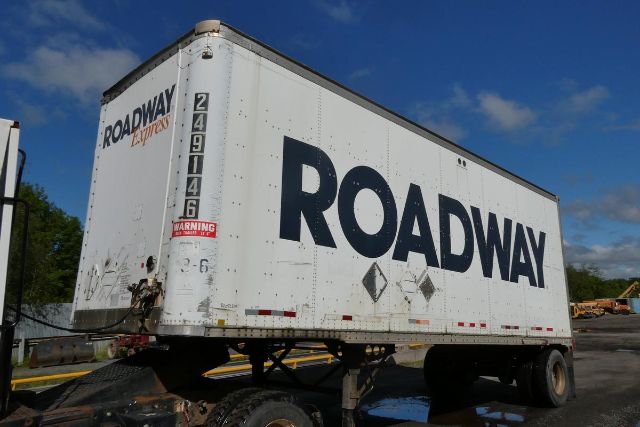
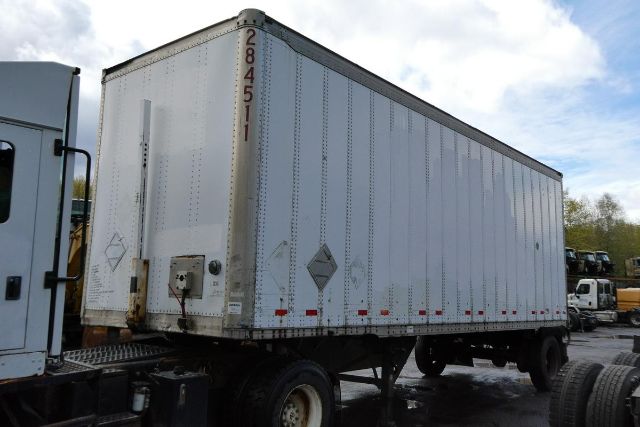

Selling a 2004 wabash trailer? List your 2004 wabash trailer for sale and reach thousands of commercial buyers.
2004 Wabash Trailers in New York
The first thing to evaluate on a 2004 Wabash trailer is structural condition. Age matters less than frame, crossmember, floor, roof, and rear frame integrity. On older dry vans, pay close attention to floor soft spots from forklift traffic, cracks around the threshold and rear sill, signs of sidewall delamination, previous roof repairs, and corrosion at the tandem slider rails or suspension mounts. If the trailer has spent time in New York or other northern states, road salt exposure makes a thorough inspection of the undercarriage, brake components, wiring, and landing gear especially important. A clean title and current annual inspection help, but they do not replace a close look at wear points.
Specification differences can affect how useful the trailer is in your operation. A 53-foot Wabash dry van generally gives the broadest freight flexibility, while 45-foot and 48-foot units can still fit dedicated lanes, local cartage, or warehouse shuttle work. Slideable tandems matter if you run in states with bridge law sensitivity or need kingpin setting flexibility at different docks. Buyers should also check inside height, door opening dimensions, tire size, wheel type, brake setup, and whether the trailer has practical add-ons like scuff liners, translucent or aluminum roof panels, logistics posts, side skirts, or side windows from prior specialty use. These details affect cube, loading speed, dock compatibility, and long-term maintenance cost.
For many buyers, a 2004 Wabash trailer makes sense as a lower-cost dry van option for storage, short-haul freight, seasonal overflow, or dedicated fleet support. The key is matching remaining service life to your application. A well-maintained older Wabash can still be productive if the body is straight, the floor is solid, and the running gear has been kept up. When comparing listings, focus less on model code alone and more on trailer length, tandem configuration, roof and floor condition, rear door operation, and evidence of prior fleet maintenance. Those factors usually determine value faster than paint or age on paper.
Frequently Asked Questions about 2004 Wabash Trailers in New York
What should I inspect first on a 2004 Wabash dry van trailer?
Start with the structure and the floor. On a 2004 Wabash trailer, the highest-value inspection points are the crossmembers, rear frame, roof bows, sidewalls, floor condition, tandem slider area, and suspension mounts. Check for soft or broken floor sections, cracked welds, patched roofs, rust around the landing gear and brake hardware, and damage at the rear threshold from forklift or dock impact. Older trailers can still work well, but structural repairs can quickly outweigh the purchase price advantage.
Are 2004 Wabash trailers usually dry vans?
Most 2004 Wabash trailers on the market are dry van trailers, also called van trailers or box trailers. Common configurations include 45-foot, 48-foot, and 53-foot lengths with 102-inch width, tandem axles, air brakes, and aluminum-steel combination construction. Exact equipment varies by original fleet spec, so two trailers of the same year can differ in suspension type, inside height, door style, and tandem setup.
Is a 2004 Wabash trailer still a good buy for freight use?
It can be, if the trailer has been maintained and the intended use matches its condition. Many buyers use older Wabash vans for regional freight, warehouse shuttles, storage, or backup capacity. The deciding factors are not just age, but floor life, brake condition, tire condition, roof integrity, and whether the trailer tracks straight and loads easily at standard docks. For heavy daily over-the-road use, inspection quality becomes even more important.
What lengths and axle setups are common on older Wabash trailers?
Common lengths include 45, 48, and 53 feet. Many Wabash dry vans from this era were built with tandem axles, often in a slideable tandem configuration to help with bridge compliance, weight distribution, and dock positioning. Some shorter van trailers may have fixed axle layouts. Buyers should confirm slider operation, rail condition, locking pin function, and axle spread because these details affect both legal compliance and day-to-day usability.
Why does location matter when buying a used 2004 Wabash trailer in New York?
Location matters because climate and road treatment affect trailer condition. In New York, winter road salt can accelerate corrosion on brake chambers, drums, slack adjusters, wiring, frame components, and landing gear. Moisture and freeze-thaw cycles can also worsen floor deterioration and roof leaks. A northern trailer is not automatically a poor choice, but it deserves extra attention underneath and around every steel component before purchase.