
2004 Trailers For Sale in New York
Browse 2004 trailers for sale, including dry vans, utility trailers, and more. Compare specs, GVWR, axle setups, and trailer condition.
Learn more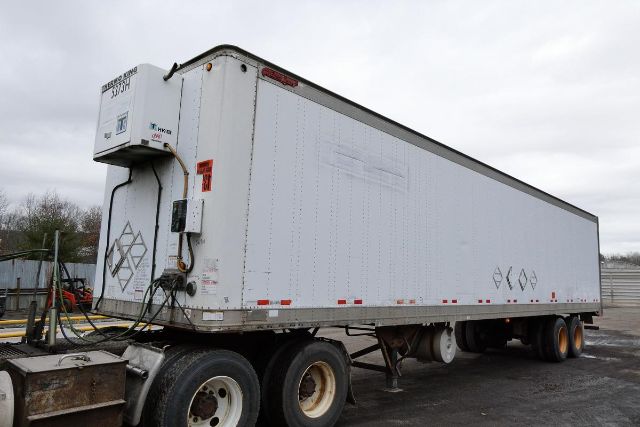
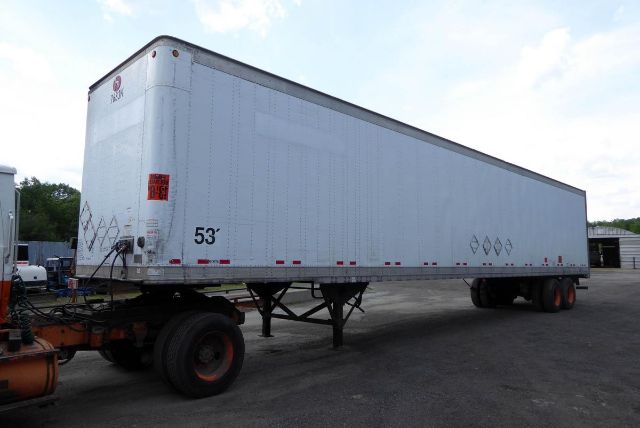
Showing 13 to 14 of 14 results
Have 2004 trailer to sell? List it here to reach thousands of buyers.
About 2004 Trailers in New York
The 2004 trailer market covers several trailer types, but dry vans remain one of the most common. Typical specs in this age group include 28-foot pups, 40-foot vans, and 45-foot to 53-foot road trailers with steel or aluminum construction, wood floors, spring ride or air ride suspension, tandem or single axle layouts, and roll-up or swing rear doors. Utility trailers from this era are usually straightforward units with steel frames, wood decks, spring suspension, and fixed axles. The right setup depends on the freight, loading method, and how often the trailer will be docked, spotted, or pulled in city traffic.
For van trailers, inspect the roof skin, side panels, scuff liners, floor wear, threshold, and door operation. Check for previous patchwork, leaks, soft floor sections, and damage around the nose and rear corner posts. On tandem axle trailers, verify whether the suspension is fixed or sliding and confirm kingpin setting, bridge law fit, and tire wear pattern. On smaller single axle or pup-style vans, look at turning characteristics, doubles capability if applicable, and whether the dimensions match the intended route and dock network. On utility and deck-style trailers, focus on deck condition, ramp design, stake pockets, lighting, breakaway system, and whether the GVWR realistically matches the equipment or materials being hauled.
A used 2004 trailer often makes sense for fleets that need low acquisition cost, yard storage capacity, seasonal overflow support, or a backup unit that does not justify a newer price point. The key is matching the trailer’s remaining service life to the job. A sound older van can still handle regional freight, warehouse shuttles, and storage duty well, while a basic utility trailer can be a practical choice for contractors, equipment movers, and local delivery work. Buyers should verify VIN records, brake and tire condition, current inspection status, title history, and any signs of frame repair before putting an older trailer into regular service.
Frequently Asked Questions
What should I inspect first on a 2004 trailer?
Start with the structural items that are expensive to correct. Check the frame rails, crossmembers, suspension mounts, slider assembly if equipped, landing gear supports, brake components, wheel ends, and floor condition. On enclosed trailers, inspect the roof, sidewalls, rear frame, and door hardware for leaks, corrosion, or prior damage. On trailers used in New York, rust around the undercarriage and air brake system deserves close attention because road salt can shorten service life.
Is a 2004 trailer too old for commercial use?
Not necessarily. Age alone does not determine value or usability. Many 2004 trailers remain serviceable if they have a solid frame, legal brakes and tires, a sound floor, and no major corrosion or accident damage. Older trailers are often used for regional freight, warehouse shuttles, storage, agricultural work, and local hauling where low cost matters more than appearance or the latest spec.
What trailer specs matter most when comparing older used trailers?
The most important specs are trailer type, length, width, height, GVWR, axle configuration, suspension type, door style, and construction materials. For dry vans, inside dimensions, floor composition, and rear door opening are especially important. For utility trailers, deck length, deck height, ramp style, and payload capacity usually drive the buying decision. Buyers should also compare tire size, wheel type, and whether the axle setup is fixed or sliding.
Are spring ride trailers from this era still a good buy?
They can be, especially for buyers who want a simpler suspension with lower initial cost. Spring ride is common on older vans, pups, and utility trailers and can hold up well in demanding service if maintained properly. The tradeoff is a rougher ride than air ride, which may matter for sensitive freight. The condition of bushings, equalizers, hangers, and axle alignment is more important than the suspension type by itself.
Why do older dry van trailers still have demand?
Older dry vans remain useful because they can handle a wide range of freight and can also serve as mobile or parked storage. A 2004 dry van may be used for local deliveries, seasonal overflow, dock staging, or yard storage where a buyer wants enclosed space without paying for a late-model trailer. If the floor is solid, the doors seal properly, and the brakes and tires are in legal condition, an older van can still fill a practical role.