
2004 Van Trailers For Sale in New York
Browse 2004 van trailers for sale in New York. Compare dry van specs, lengths, door types, suspension, floors, and axle setups.
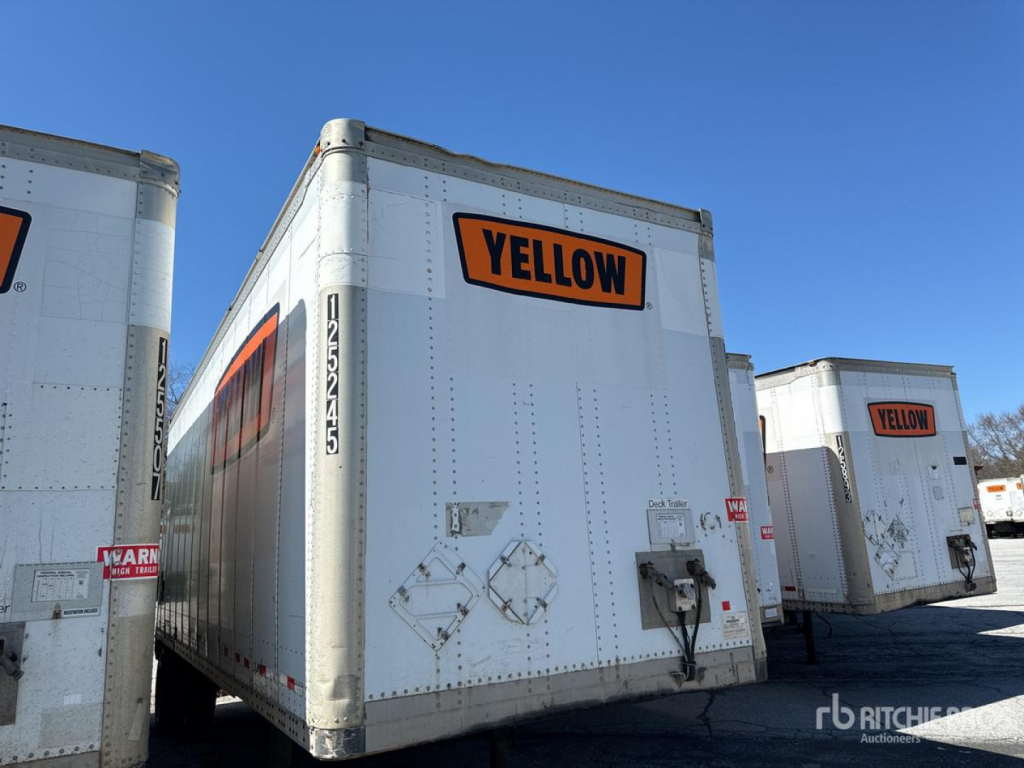
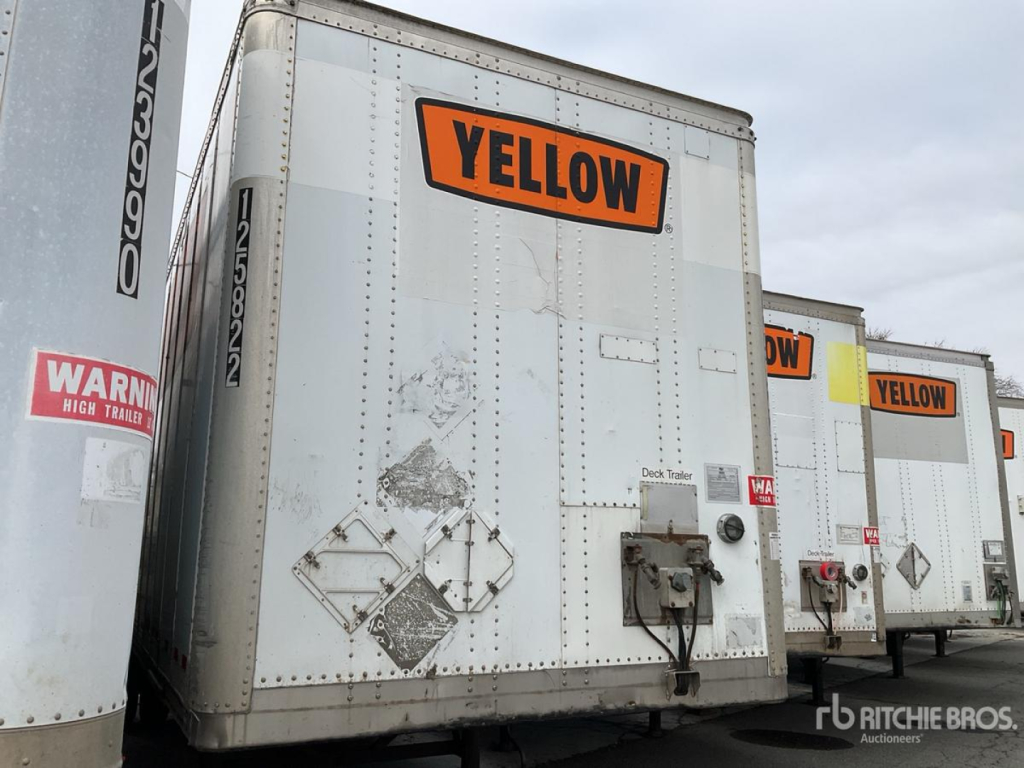
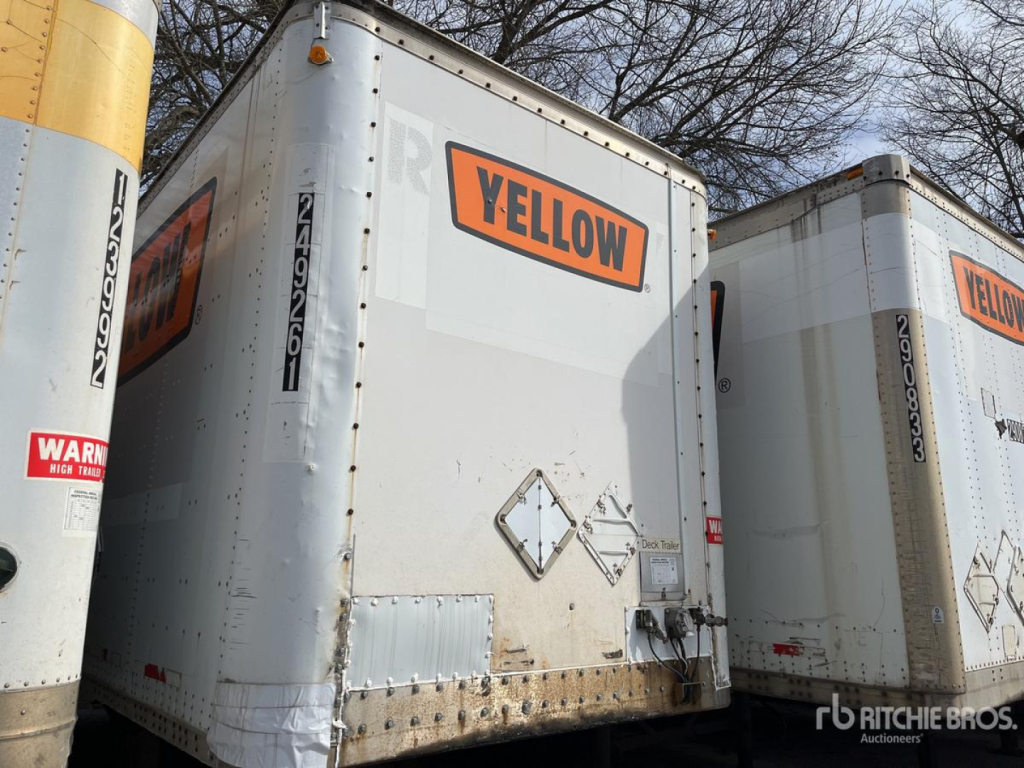
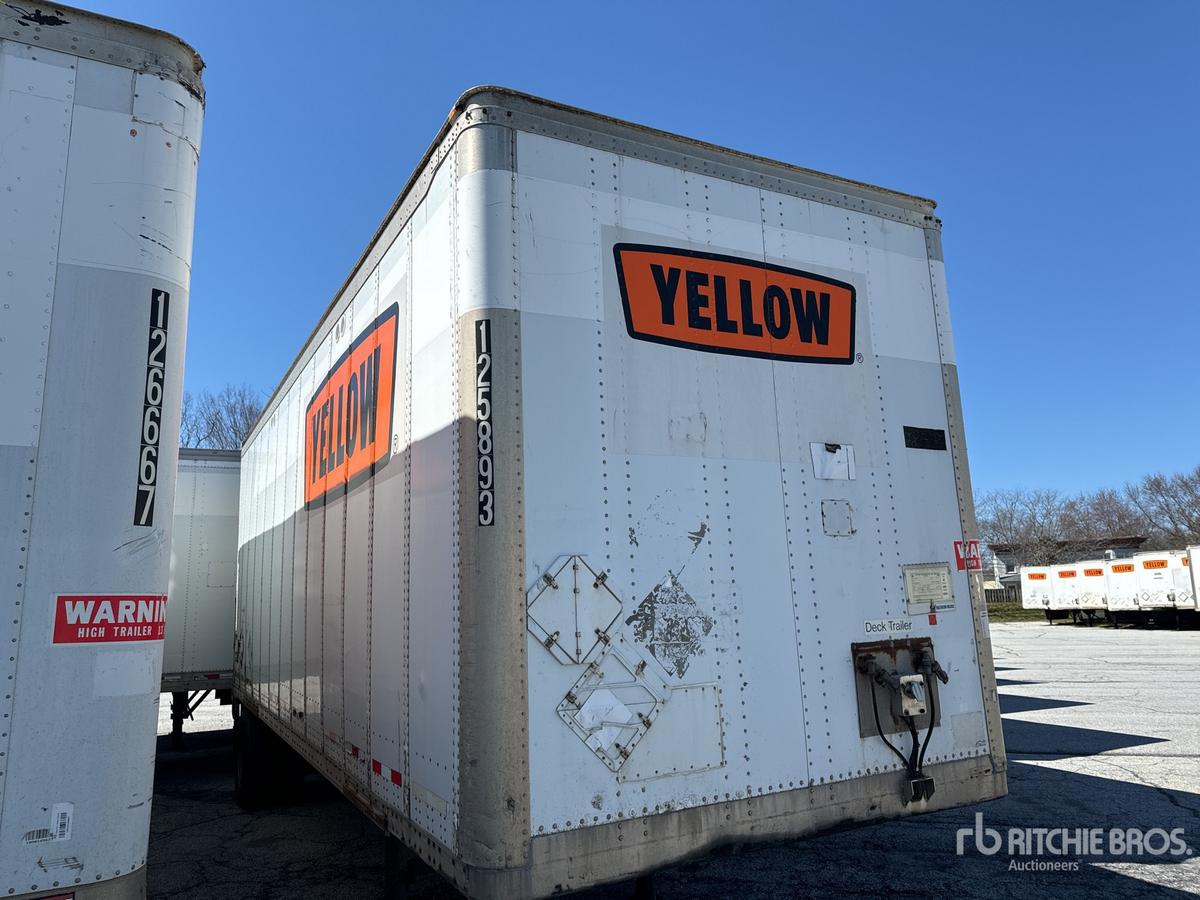
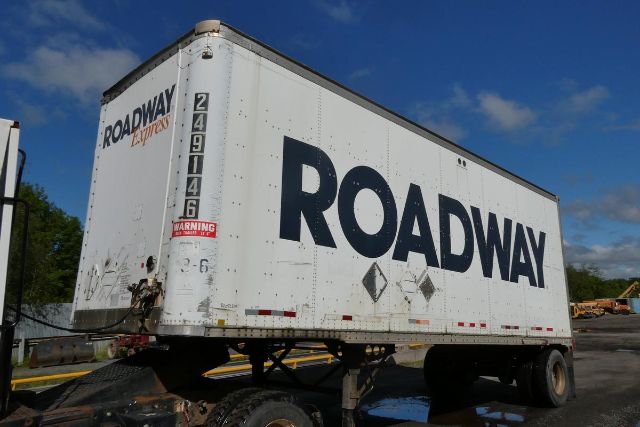
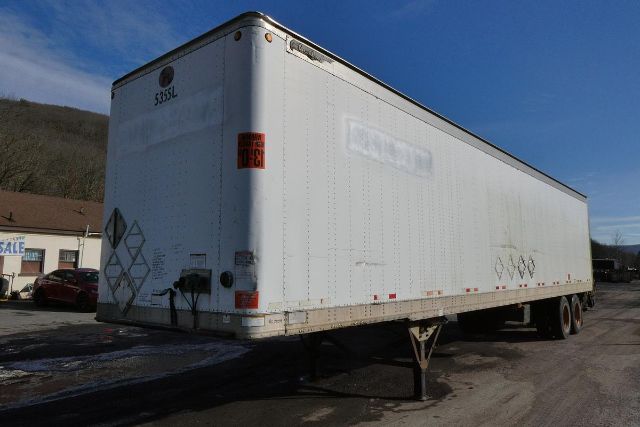
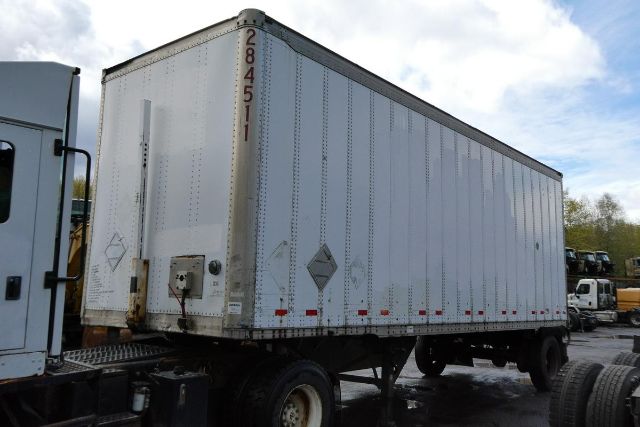
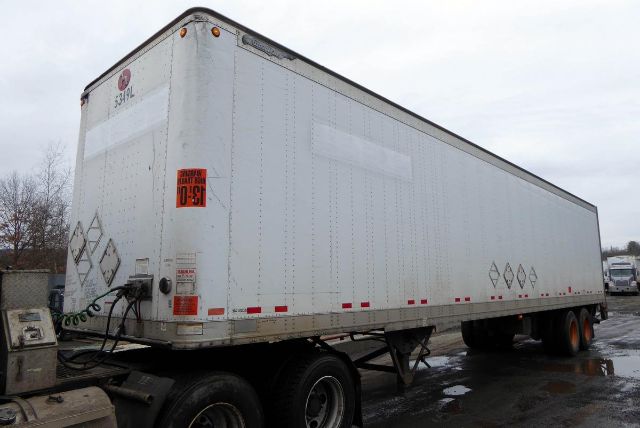

Have 2004 van trailer to sell? List it here to reach thousands of buyers.
2004 Van Trailers in New York
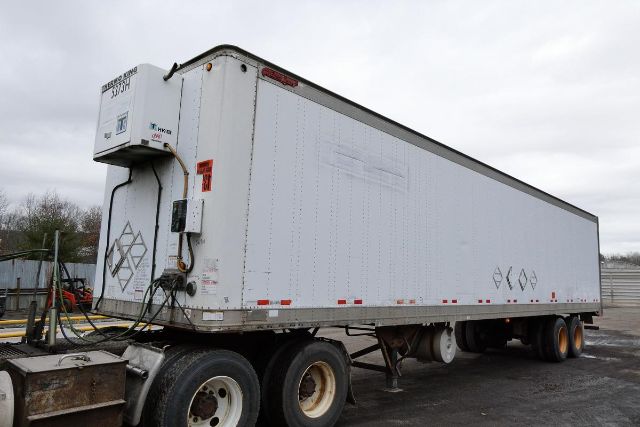
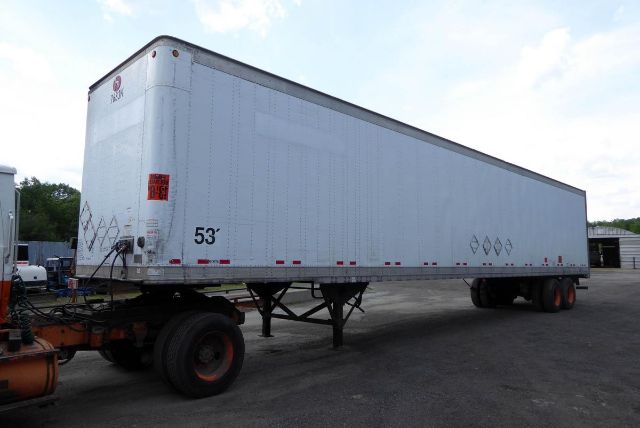
The most important buying decisions usually start with length, axle configuration, and door style. A 53-foot tandem axle van is the standard choice for linehaul and dock freight, while a 28-foot single axle pup is common in LTL, city work, and doubles service. Slideable tandems give more flexibility for bridge laws, kingpin settings, and weight distribution, especially on Northeast lanes. Fixed axle pups are simpler and lighter but built for a narrower application. Roll-up doors are common on route and dock work because they save rear clearance at tight docks, while swing doors are often preferred for full rear opening and simpler hardware. Buyers should also confirm inside height, rear door opening, deck height, and floor condition, since those details directly affect cube, forklift access, and commodity fit.
Construction and running gear matter more on an older van trailer than the badge on the nose. Many 2004-era units use wood-over-steel floors, spring suspension, air brakes, steel wheels, and 22.5 rubber, though exact tire sizes and wheel setups vary. Aluminum roofs, translucent roof panels, scuff liners, side skirts, and E-track are common value-added features depending on prior use. Trailer tare weight is worth checking closely because heavier all-steel builds can reduce payload compared with aluminum or composite-heavy designs. On used dry vans, buyers should inspect crossmembers, floor rot or forklift damage, upper coupler plate wear, door frame alignment, side sheet repairs, roof bows, and signs of water intrusion. On Northeast equipment, corrosion around the rear frame, slider box, suspension hangers, and brake components deserves extra attention.
A good 2004 van trailer can still be a sound freight tool if the structure is straight and the maintenance history supports it. Focus on legal payload, dock compatibility, and how the trailer’s prior service matches your operation. A fleet running retail, packaged goods, or warehouse transfers may prioritize cube, swing or roll-up door condition, and logistics-friendly specs. A regional carrier may care more about slider function, tire condition, brake life, and how the trailer scales in New York and surrounding states. The best buy in this category is usually the trailer with the strongest floor, driest body, and cleanest understructure, not just the lowest asking price.
Frequently Asked Questions about 2004 Van Trailers in New York
What should I inspect first on a 2004 van trailer?
Start with the structural items that are expensive to correct. Check the floor for rot, soft spots, forklift gouging, and broken or patched boards. Inspect crossmembers, side rails, rear frame, upper coupler plate, and tandem slider area for cracks, corrosion, or poor repairs. Then move to the roof, door frame, and side sheets to look for leaks, bow damage, and impact repairs. Brake condition, tire age, suspension wear, and ABS function should be part of the same first-pass inspection because these items affect both safety and total reconditioning cost.
Is a 2004 dry van trailer still worth buying for freight work?
It can be, if the trailer is structurally sound and priced with its remaining service life in mind. Many 2004 dry vans are still useful for warehouse shuttles, regional freight, storage, and dedicated lane work. The key is to buy on condition, not age alone. A well-maintained older van with a solid floor, straight body, dry roof, and good running gear can outperform a newer trailer that has hidden structural damage or deferred maintenance.
What length and axle setup make the most sense for New York operations?
That depends on the freight pattern. A 53-foot tandem axle van is the standard choice for higher cube and linehaul freight, but it can be less convenient in tight urban areas. A 28-foot single axle pup is easier to maneuver and is common in city, terminal, and doubles applications. For Northeast operations, slideable tandems are especially useful because they help with bridge law compliance and axle weight distribution. Buyers running mixed routes in and around New York often place a premium on slider function and legal scaling flexibility.
Are roll-up doors or swing doors better on a van trailer?
Roll-up doors are often favored for city and dock work because they do not require extra rear swing clearance, which helps at tight loading areas. The tradeoff is more moving parts, including tracks, rollers, and springs, that can wear out or go out of alignment. Swing doors provide a full rear opening and simpler hardware, and many operators prefer them for maximum loading access. The better choice depends on your docks, commodity type, and how often the trailer is loaded in confined spaces.
What features add value on an older van trailer?
Useful features include a sound wood-over-steel floor, E-track, scuff liners, aluminum roof construction, translucent roof panels, working slider tandems, and well-maintained brakes and tires. Side skirts may matter for fleets focused on fuel economy, while tire inflation systems can reduce roadside tire issues. On older trailers, features only add real value if the base trailer is structurally solid. A dry, straight trailer with a good floor and clean undercarriage is usually more valuable than one with extra options but major frame, floor, or door problems.