
2001 Trailers For Sale in Illinois
Browse 2001 trailers for sale in Illinois, including common van, container, and freight trailer types with specs, applications, and buyer tips.
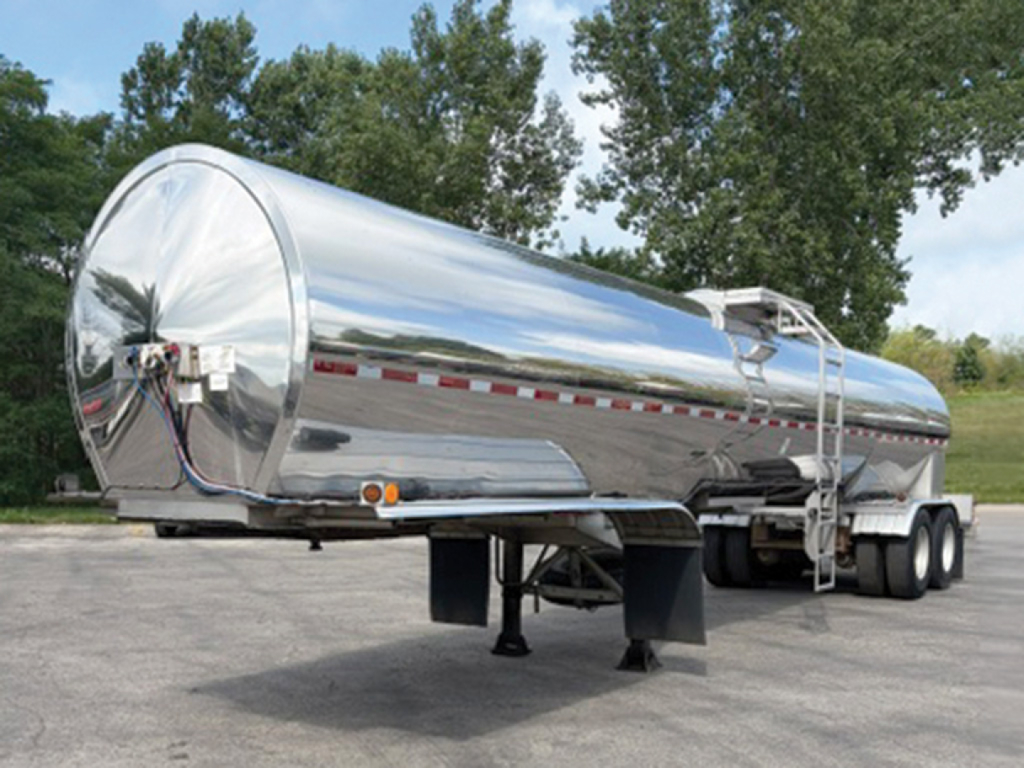
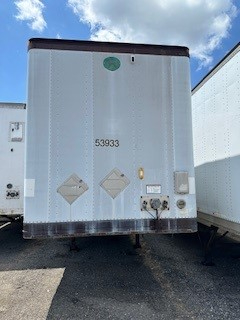
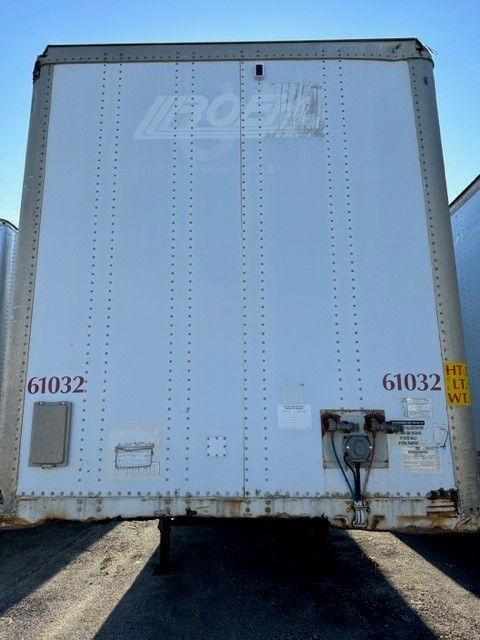
Looking for the easiest place to sell your 2001 trailer? List it here to reach thousands of buyers.
2001 Trailers in Illinois
The 2001 model year covers a wide range of trailer types, but dry vans remain one of the most common categories buyers compare. Typical van specs include 45-foot or 53-foot lengths, 102-inch width, wood floors, plywood lining, scuff liners, threshold plates, and either swing or roll-up rear doors. Many fleet-style trailers in this class use air ride suspension, sliding tandems, low-profile 22.5 tires, and sometimes tire inflation systems. For freight operators, the key decision is less about age alone and more about whether the trailer matches the lane. A 53-foot van suits general palletized freight, while shorter trailers can make sense for regional work, tight docks, or specialized customer requirements.
If you are shopping older trailers in Illinois, inspect the undercarriage carefully. Pay attention to axle alignment, brake chamber age, bushing wear, wheel-end condition, ABS status, and kingpin wear. On van and container trailers, also look at floor rot, water intrusion, sidewall repairs, roof bows, and door frame squareness. If the trailer has logistics posts or E-track, check that the interior attachment points are still secure and not torn from repeated forklift impact. Sliding tandem trailers should lock and release cleanly, because seized slider components can turn a low-cost purchase into a shop project.
For many buyers, a 2001 trailer works best as a value-driven addition to a regional fleet, private operation, storage application, or seasonal overflow role. The right unit can still deliver solid service if the major structural components are sound and replacement parts remain straightforward to source. When comparing listings, weigh GVWR, axle configuration, suspension type, floor composition, door style, and overall trailer height against the freight you actually haul. A lower purchase price only makes sense if the trailer can pass inspection, stay roadworthy, and fit your loading and dock environment.
Frequently Asked Questions about 2001 Trailers in Illinois
What should I inspect first on a 2001 trailer?
Start with the frame, crossmembers, suspension, axles, brakes, tires, wheels, and kingpin area. On a trailer of this age, structural condition is the first priority because cosmetic improvements do not offset major corrosion, fatigue cracking, or poor prior repairs. After that, check the floor, roof, sidewalls, rear door assembly, lights, ABS function, and any tandem slider components. A careful underbody inspection is especially important in Illinois because road salt can accelerate corrosion.
Are 2001 dry van trailers still good for over-the-road freight?
They can be, but only if maintenance has been consistent and the trailer meets current operational requirements. Many older dry vans remain useful for general freight, short regional lanes, dedicated shipper work, or backup capacity. Buyers should confirm the condition of the wood floor, scuff liners, door seals, suspension, and brake system, and make sure overall dimensions and dock compatibility still fit the intended freight profile.
What trailer specs matter most when comparing older trailers?
The most important specs are length, width, axle setup, suspension type, trailer height, floor construction, and rear door style. On dry vans, 53-foot length and 102-inch width are common, but shorter lengths can be better for urban or regional use. Sliding tandems affect bridge law flexibility and load distribution. Air ride suspension can improve ride quality for sensitive freight, while door type, interior lining, and cargo control equipment all affect loading efficiency and freight protection.
Is buying an older trailer in Illinois different from buying in other regions?
Yes. Illinois buyers should pay close attention to rust, corrosion, and winter-related wear. Brake lines, electrical connections, suspension hardware, crossmembers, and rear impact guard areas can all show accelerated deterioration in Midwest service. A trailer that looks acceptable from the side can still have significant underbody issues, so regional use history and inspection quality are critical when evaluating any 2001 trailer.