
2001 Trailers For Sale
Guide to 2001 trailers for sale: dry vans, reefers, flatbeds and dumps. Key specs, compliance notes, and inspection tips for confident buying.

Selling a 2001 trailer? List your 2001 trailer for sale and reach thousands of commercial buyers.
2001 Trailers
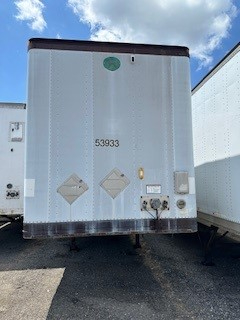
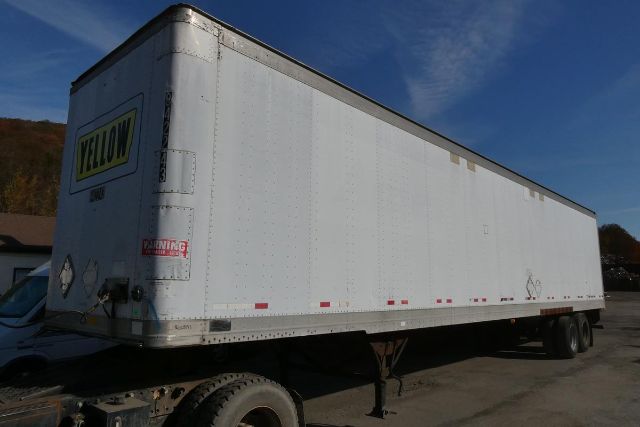
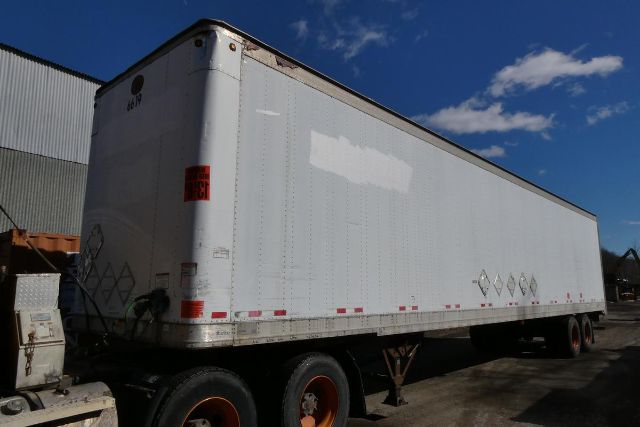
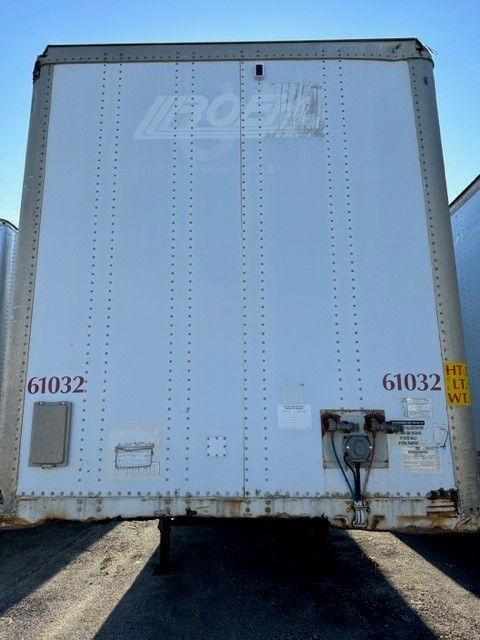
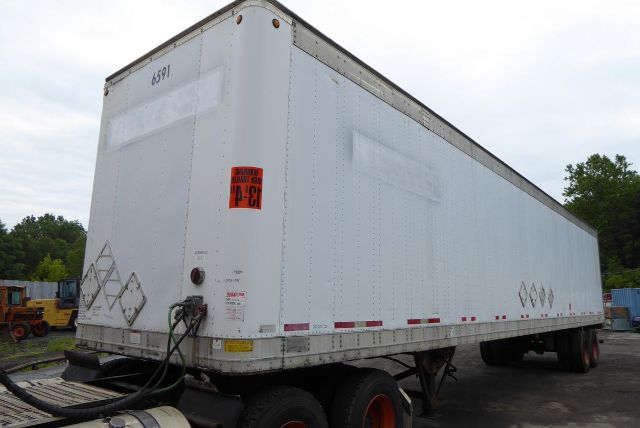
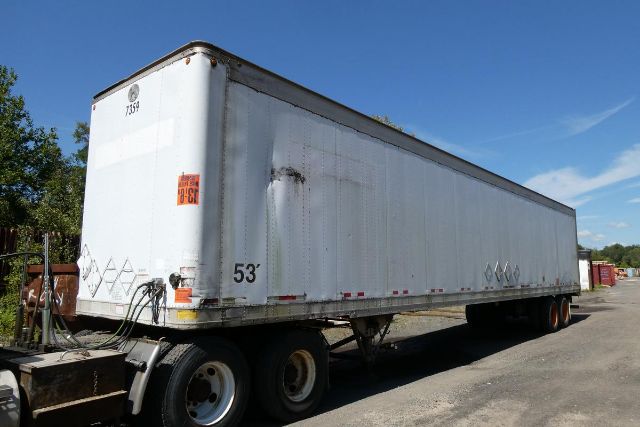
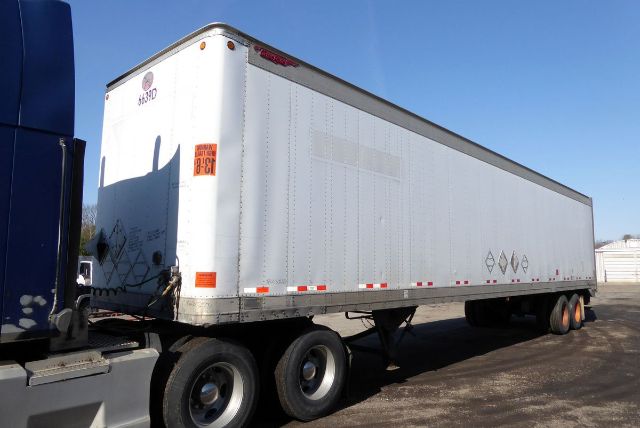
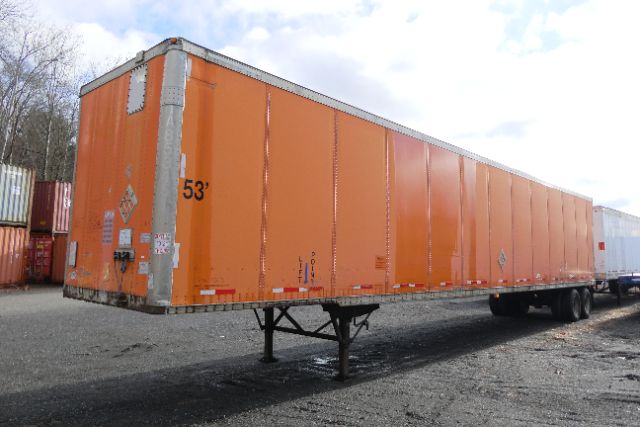
On dry vans and reefers, pay close attention to roof seams, sidewall rivet lines, crossmembers near the landing gear and rear impact guard, and the kingpin apron plate. Look for floor edge rot at the side rails and water intrusion around door frames. A 53 ft van will typically offer around 3,400 to 3,600 cubic feet depending on roof and liner configuration, and inside height often runs 100 to 110 inches on equipment from this period. For reefers, 2001 units commonly carry Carrier or Thermo King engines that are long past California TRU compliance windows. Plan for repower, electric standby strategies, or operating outside CARB jurisdictions. Insulation can lose R-value with age, so check for delamination, crushed foam at high-traffic zones, and drain tube condition.
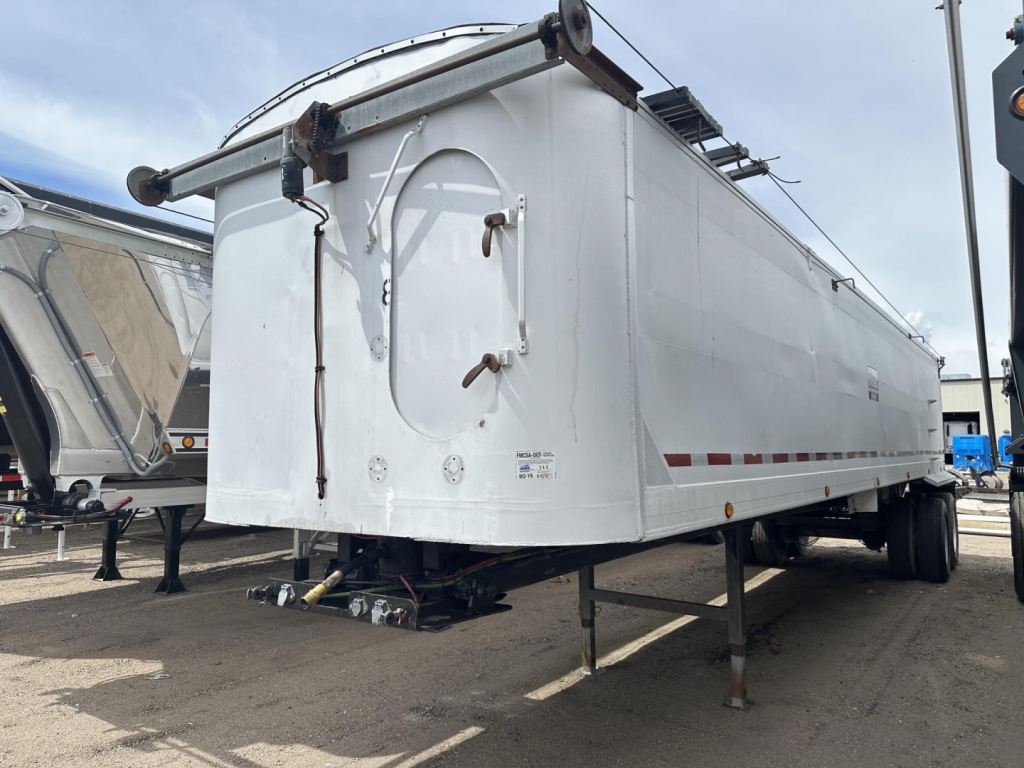
Flatbeds and step decks from 2001 include steel, aluminum, and combo builds. A 48 by 102 combo flat with 10 ft 1 in spreads was common, with coil packages, chain trays, winch rails, and 4 in or 2 in tie-down points. Step decks typically provide 10 to 11 ft upper decks and 37 to 42 inch lower deck heights for taller freight. Inspect flange edges for gouges from chains, cracked welds around suspension hangers, slider boxes, and kingpin areas, plus corrosion under wood nailers. Lowboys in this vintage are often 35 to 55 ton ratings with mechanical or hydraulic detach necks. Dumps will appear in both frameless and full-frame designs; check cylinder pins and bushings, doghouse cracks, hinge ears, floor thickness, and tarp systems. Tank and hazmat cargo trailers require current 49 CFR inspections and tests, so verify external, internal, thickness, and pressure test dates before planning work.
From a compliance and usability standpoint, confirm the ABS controller functions, the rear underride guard integrity, and DOT-C2 conspicuity tape coverage. In California, 53 ft dry van and reefer box-type trailers may need SmartWay low-rolling-resistance tires and aerodynamic devices to meet GHG rules, which are retrofit-friendly on most 2001 vans. Central tire inflation systems, aluminum wheels, LED lighting, and brake reline kits are straightforward upgrades. Older spring suspensions are rugged and light on air system upkeep, while air-ride protects sensitive freight and can aid resale. For any 2001 trailer, prioritize a clean VIN plate, straight rails, tight doors, minimal apron wear, solid landing gear, and documentation of repairs and annual DOT inspections. These checks determine total cost of ownership more than model year alone.
Frequently Asked Questions about 2001 Trailers
Are 2001 reefer trailers legal to operate in California?
Many are not compliant without modifications. California’s TRU rule restricts older diesel refrigeration engines. A 2001 reefer engine is far beyond the allowed compliance window, so plan to repower with a compliant unit, use electric standby in approved scenarios, or operate the trailer outside California. Always verify the engine family and compliance status before purchase.
What should I inspect first on a 2001 dry van trailer?
Start with structure and moisture points. Check roof seams and bows, sidewall rivet lines, crossmembers near landing gear and tandems, the kingpin apron and upper coupler, rear frame and underride guard, door frames and seals, and floor edge rot at the side rails. Test ABS function, lighting, and the tandem slide. Look for a readable VIN plate and recent DOT inspection documentation.
How do spring suspensions compare to air-ride on older trailers?
Spring suspensions are simple and durable with fewer air system components to maintain. They ride harsher, which can affect fragile freight and increase shock loads into the frame and cargo. Air-ride offers better ride quality and often improves resale value, but includes bags, valves, and height control components that require inspection and periodic replacement.
Can a 2001 53 ft dry van meet current aerodynamic and tire rules?
Yes, in most cases. California’s GHG rules for 53 ft box-type trailers can be met with low-rolling-resistance tires and aerodynamic devices like side skirts or tails. These are common retrofits on older vans. Verify the specific fleet applicability and registration requirements, then budget for parts and installation if the trailer is not already equipped.
What are common specs for 2001 flatbeds and step decks?
Typical sizes are 48 by 102 inches, with some 53 ft options. Combo builds pair steel frames with aluminum decks to balance weight and cost. Expect winches along the driver side, stake pockets, rub rails, 10 ft 1 in spreads, and optional coil packages. Step decks often provide a 10 to 11 ft upper deck and a 37 to 42 inch lower deck height to clear taller freight. Inspect flanges, hanger areas, and deck fasteners closely on older units.