
2001 Van Trailers For Sale
Shop 2001 van trailers for sale, including 48-ft and 53-ft dry vans with air ride, sliding tandems, swing or roll-up doors, and logistics options.
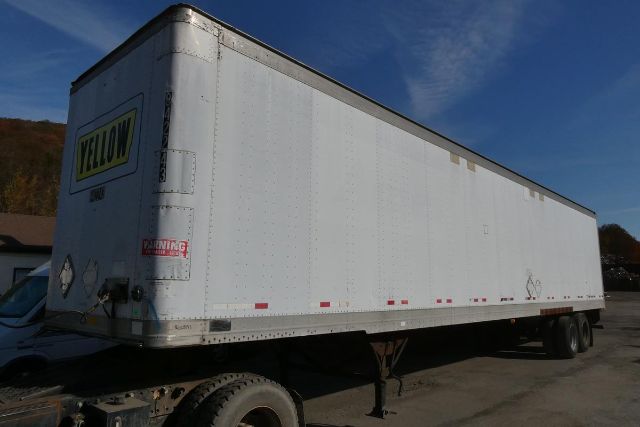
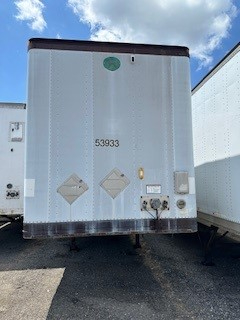
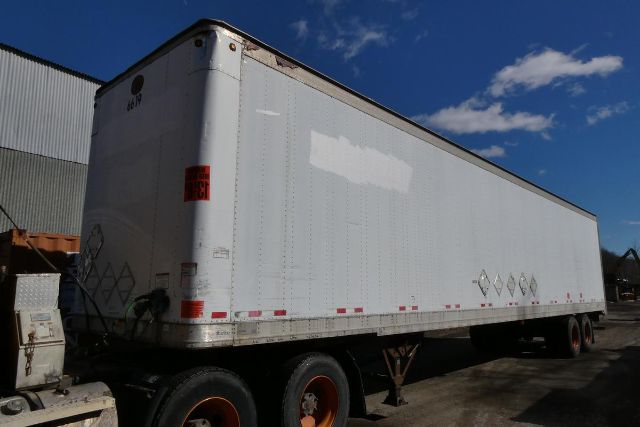
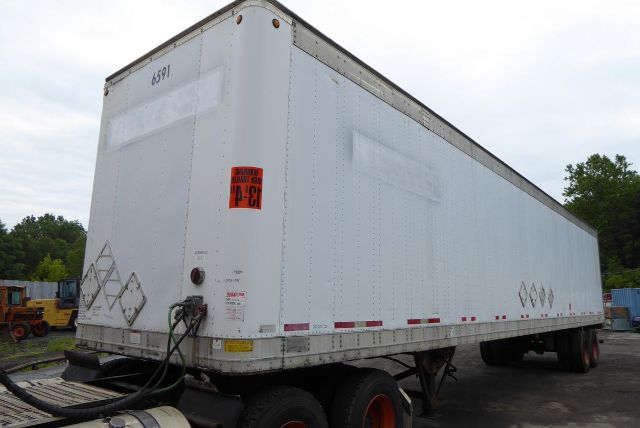
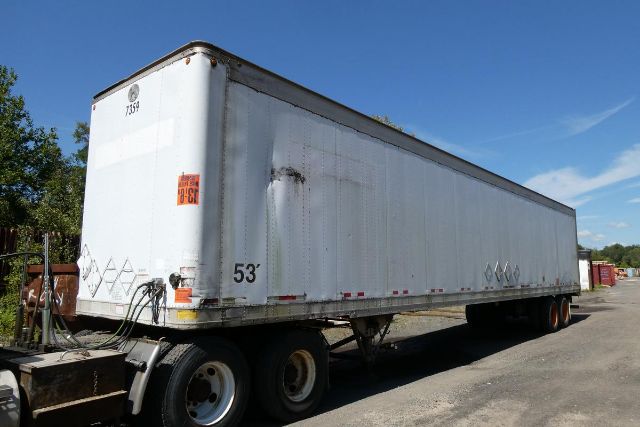
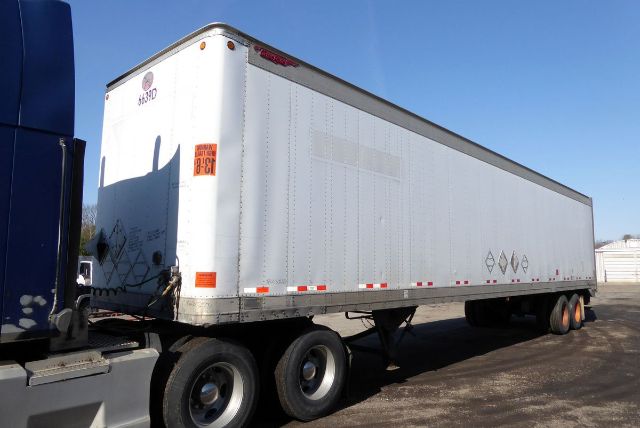
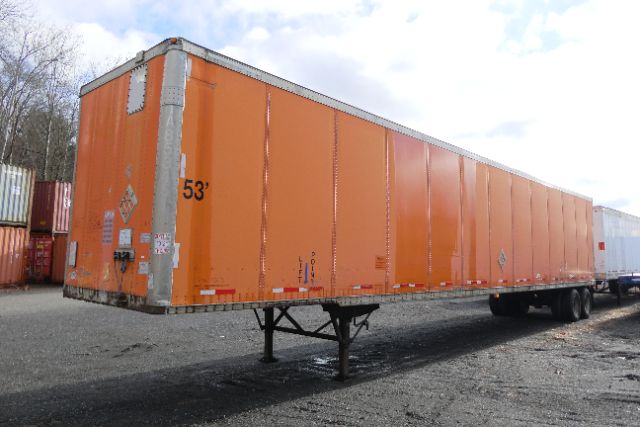
Have 2001 van trailer to sell? List it here to reach thousands of buyers.
2001 Van Trailers
The first decision is usually application. For dock-to-dock freight, look closely at the rear frame, threshold plate, crossmembers, and floor wear from repeated forklift entry. If the trailer will stay in a drop-and-hook cycle, tandem slider condition matters because seized pins, worn rails, or neglected suspension components create headaches fast. Swing doors are still preferred by many fleets for durability and full rear opening, while roll-up doors can be useful in urban delivery or tight dock environments where door swing clearance is limited. Logistics posts, E-track, scuff liners, and vents add value when freight securement and cargo protection matter.
On a 2001 dry van, the undercarriage tells a large part of the story. Air ride suspension is common and generally preferred for ride quality and freight protection, but buyers should inspect bags, shocks, bushings, height control components, and axle alignment. Tire condition, wheel type, brake setup, and any tire inflation system should be evaluated as operating cost items, not just checklist features. Sliding tandems remain important for bridge law compliance, kingpin setting flexibility, and dock positioning. Roof condition also matters more on an older van trailer than many buyers expect. A translucent roof can improve interior visibility, but any signs of patching, leaks, or rail separation deserve close attention.
A well-kept 2001 van trailer can still make sense for carriers, private fleets, farm supply operations, and shippers that need enclosed storage or low-cost freight capacity. The best units are usually the ones with a sound frame, clean and dry interior, solid floor, straight sides, and documented maintenance rather than cosmetic shine. If the trailer will be used heavily on interstate lanes, pay attention to brake compliance, lighting, ABS function, door seals, and overall trailer weight relative to payload needs. For lower-intensity use, an older dry van can be a cost-effective way to add dependable enclosed trailer capacity without paying late-model pricing.
Frequently Asked Questions about 2001 Van Trailers
What should I inspect first on a 2001 van trailer?
Start with the floor, rear frame, crossmembers, roof, and suspension. On an older dry van, structural condition matters more than appearance. Check for soft floor sections, cracked or repaired crossmembers, rear impact damage, leaking roof seams, worn slider rails, and signs of corrosion around the subframe and landing gear mounts. A straight body and dry interior usually indicate a better trailer than fresh paint alone.
Are 2001 dry van trailers still good for over-the-road freight?
They can be, if the trailer has been maintained and meets the requirements of the freight operation. Many older van trailers still run regional and highway lanes successfully, but buyers should verify brake condition, ABS operation, tire age, lighting, door sealing, and suspension performance before putting one into regular service. The trailer also needs to match current customer expectations for clean interiors, securement options, and dock compatibility.
Is a 48-foot or 53-foot van trailer better in this year range?
That depends on your freight mix and operating area. A 53-foot van trailer offers more cubic capacity and is the standard for many palletized freight operations, while a 48-foot trailer can be easier to place in certain regional, agricultural, or yard storage applications. The better choice is usually the one that fits your lane requirements, loading patterns, and state bridge considerations rather than simply choosing the longer trailer.
What features add the most value on an older van trailer?
Useful value features on a 2001 van trailer include air ride suspension, a functional sliding tandem, a solid wood floor, good scuff liners, logistics posts or E-track, and well-sealing doors. Tire inflation systems, disc brakes, and clean plywood lining can also improve usefulness, but condition is still the main driver of value. A basic trailer with a strong structure often outperforms a better-equipped unit that has floor damage or neglected running gear.
What is the difference between a van trailer and a refrigerated trailer?
A van trailer is a dry freight trailer designed for enclosed cargo that does not require active temperature control. It typically has lighter insulation or no insulation compared with a reefer and does not include a refrigeration unit. For general merchandise, packaged goods, retail freight, and many industrial loads, a dry van is the standard choice because it offers enclosed protection with lower purchase and maintenance costs than a refrigerated trailer.