
2001 Van Trailers For Sale in New York
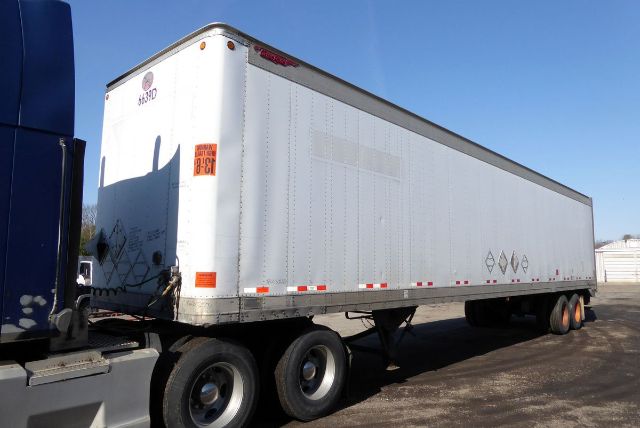
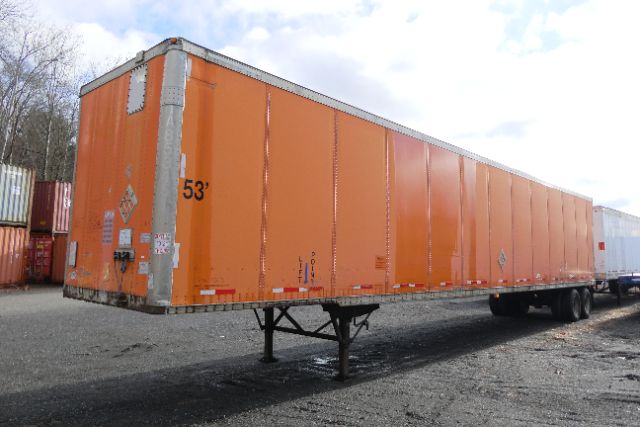
Shop 2001 van trailers for sale in New York. Compare 48' and 53' dry vans, axle setups, door styles, floors, and overall trailer condition.
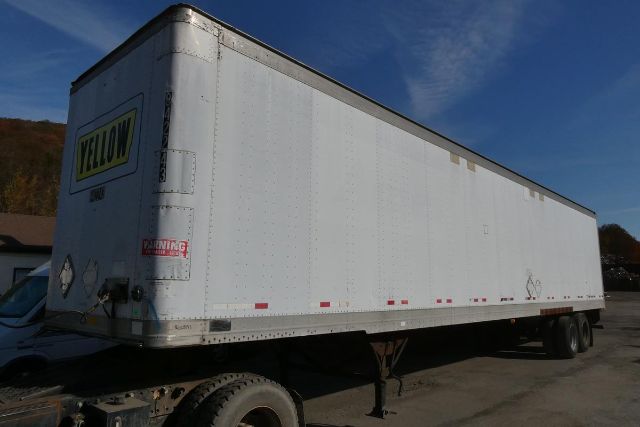
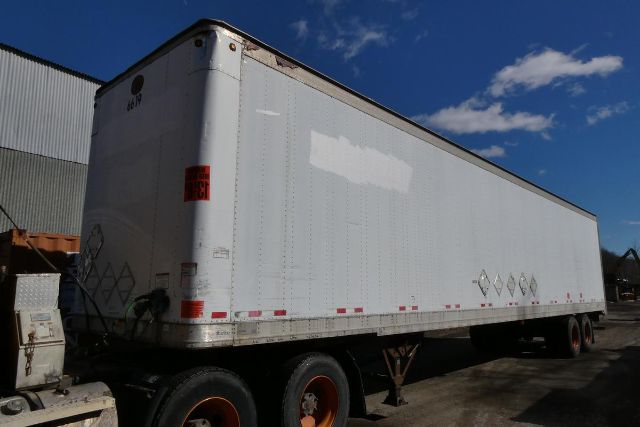
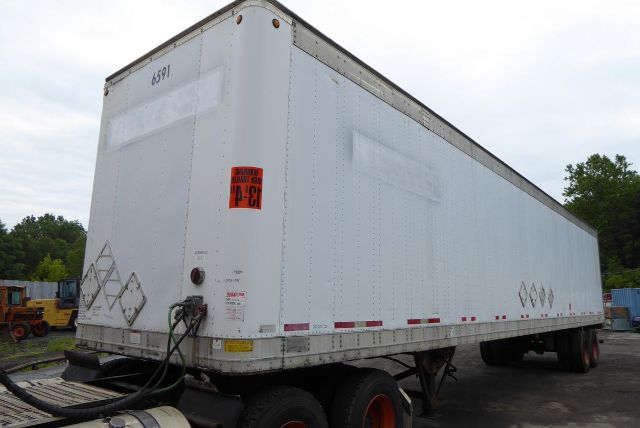
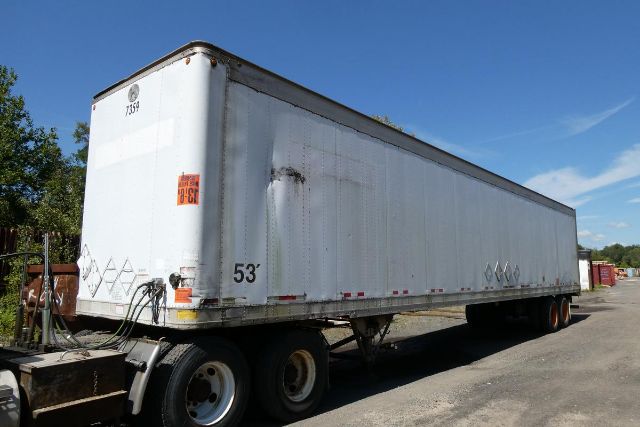
Have 2001 van trailer to sell? List it here to reach thousands of buyers.
2001 Van Trailers in New York
The biggest differences between trailers in this category usually come down to axle configuration and cargo handling details. Slideable closed tandem setups remain common on road vans because they give more flexibility for bridge law compliance and weight distribution. Fixed single axle units and shorter 28-foot pups are more specialized for LTL, terminal, and urban work. Roll-up rear doors are common on used van trailers from this period, especially in dock freight service, but swing doors may still appeal to fleets focused on maximum opening clearance and simpler hardware. Floor composition matters too. Wood-over-steel floors are common and can handle mixed freight well, but buyers should inspect for rot, soft spots, patchwork, and concentrated forklift damage near the rear sill and dock area.
For New York operations, corrosion and seasonal wear are major buying factors. Road salt can accelerate rust on crossmembers, rear frames, bogie assemblies, slider boxes, brake components, and door hardware. Air brake condition, tire age, wheel-end service history, and suspension bushing wear are worth checking closely on any 2001 trailer. Common suspension types on older vans include 4-spring tandem setups and simpler spring suspensions on single axle units. If fuel economy matters, some older trailers may already have side skirts or tire inflation systems added later in life, but these should be evaluated for condition and not just presence. Buyers moving palletized retail, dry food, paper, packaging, or general commodity freight should also look at inside width, inside height, scuff liner condition, logistics track, and the trailer's ability to seal tightly against weather.
The value in a 2001 van trailer is usually tied less to age and more to remaining serviceability. A clean, straight trailer with a sound roof, solid floor, functional slider, and current brake and tire condition can still be a cost-effective freight box. On the other hand, hidden structural corrosion, bad door cables, water intrusion, or neglected brake systems can turn a low purchase price into a repair-heavy asset. Buyers comparing listings should weigh tare weight, overall cube, dock compatibility, and maintenance needs against the lanes the trailer will actually run. For regional freight, storage use, short-haul distribution, or backup capacity, an older dry van can still make sense if the basic trailer structure is right.
Frequently Asked Questions about 2001 Van Trailers in New York
What should I inspect first on a 2001 van trailer?
Start with the structural items that are expensive to correct. Inspect the roof for patches, leaks, and bow damage, then check the floor for soft spots, broken boards, and forklift wear. Look closely at crossmembers, side rails, rear frame, landing gear mounts, and the slider assembly if equipped. After that, review brake condition, tire age, wheel ends, suspension wear, and rear door operation. On an older dry van, structural integrity matters more than cosmetic appearance.
Are 48-foot or 53-foot 2001 van trailers better for New York freight?
That depends on lane density, dock access, and freight type. A 53-foot van offers more cubic capacity and is the standard choice for many over-the-road and warehouse freight applications. A 48-foot trailer can be easier to position in tighter urban or older industrial locations and may still fit some regional operations well. Buyers working the New York metro area often balance cube needs against maneuverability, bridge restrictions, and customer yard access.
Is an older 2001 dry van trailer still suitable for over-the-road service?
Yes, if the trailer has been maintained and passes a careful inspection. Many older van trailers remain in over-the-road use when the frame, floor, brakes, suspension, roof, and door systems are in sound condition. The key is not the model year alone but the trailer's maintenance history, corrosion level, and current readiness. A well-kept 2001 van can still serve in regional freight, storage, dedicated lanes, or as backup capacity.
What axle setup is most common on a used van trailer from this era?
Slideable closed tandem axles are very common on highway dry vans from this period because they allow adjustment for weight distribution and compliance with state bridge rules. Fixed single axle setups are more common on shorter pups or specialized city equipment. When reviewing a tandem trailer, buyers should inspect slider rails, locking pins, air lines, and signs of excessive wear or seizure from corrosion and lack of use.
What features add value on a used van trailer in this category?
Useful value-added features include a solid wood-steel floor, good rear door hardware, aluminum roof construction, side skirts, tire inflation systems, scuff liners, logistics posts or track, and a clean, dry interior. A trailer with documented brake work, fresh tires, recent wheel-end service, and a properly functioning tandem slider usually stands out more than one with cosmetic upgrades alone. On older vans, practical condition and maintenance records typically matter most.