
2000 Trailers For Sale in Ohio
Compare 2000 trailers for sale in Ohio by frame condition, payload, brake wear, and cargo requirements, with guidance on salt damage and inspection records.
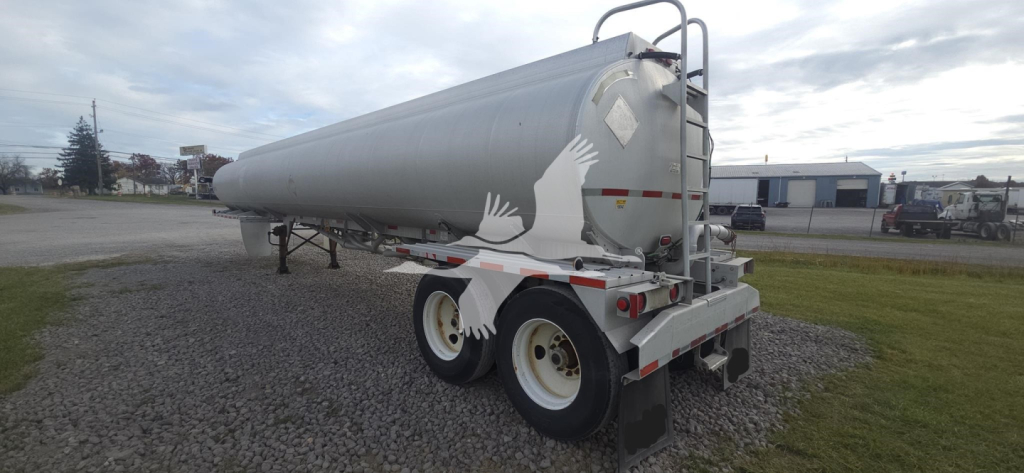
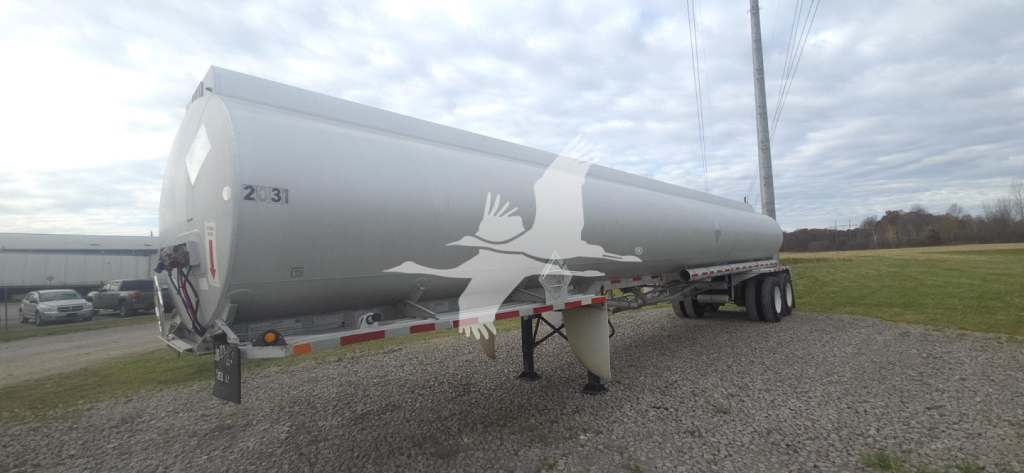
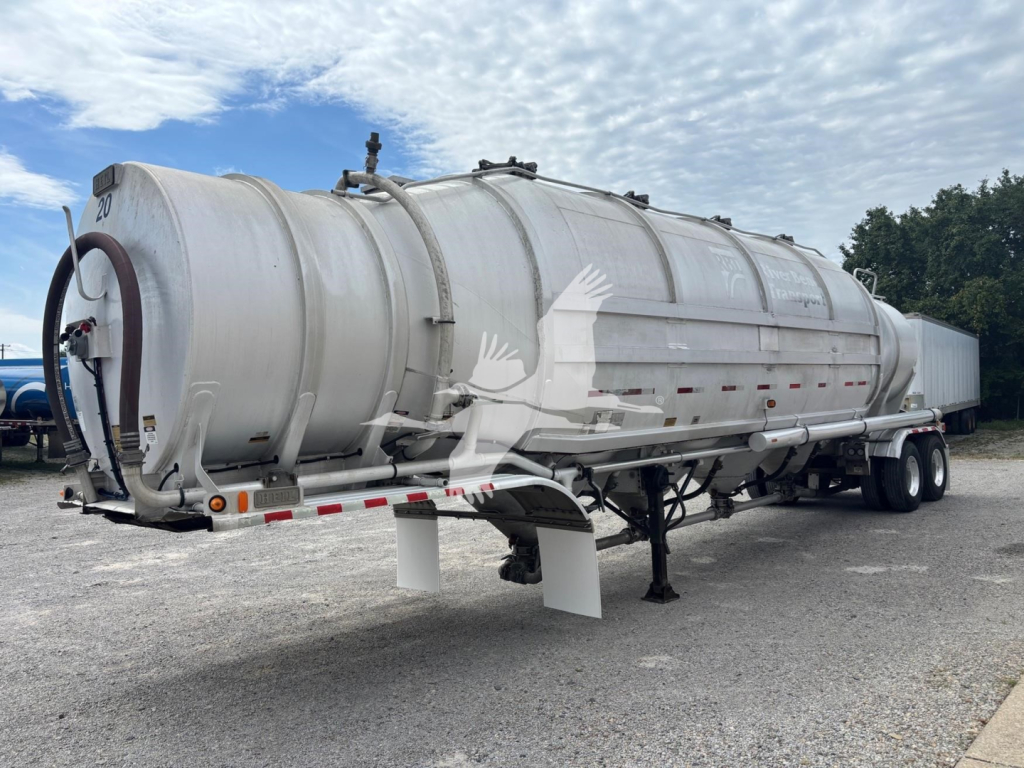
Selling a 2000 trailer? List your 2000 trailer for sale and reach thousands of commercial buyers.
2000 Trailers in Ohio
By this age, maintenance history matters more than the badge. Check axle alignment, brake measurements, wheel ends, air springs, tire date codes, and wiring, then reconcile repair records with the VIN and data plate. Verify GVWR, axle ratings, tare weight, and usable payload against Ohio axle and bridge limits before choosing a configuration. Treat an unused 2000-model trailer as aged equipment, not a current-production order: confirm storage condition and written warranty terms. A first retail sale of a qualifying heavy trailer may incur 12% federal excise tax even if the trailer has never worked.
Frequently Asked Questions about 2000 Trailers in Ohio
How much weight can I legally haul with a 2000 trailer in Ohio?
A tractor and 2000-model trailer operating on Ohio Interstates are normally limited to 80,000 pounds gross, subject to axle and federal bridge-formula limits. Standard limits include 20,000 pounds on a single axle and 34,000 pounds on a tandem. Legal cargo weight is the permitted combination weight minus actual tractor and trailer weight, without exceeding equipment ratings. Special permits and route restrictions can change the calculation.
Should a 2000 semitrailer have ABS?
Most air-braked 2000 semitrailers were required to have ABS when manufactured. Verify warning-lamp operation, wheel-speed sensor wiring, and fault codes using compatible diagnostic equipment. A disconnected warning lamp is not evidence of a functioning system. Certain specialized trailer configurations have federal exceptions, so confirm the original requirements for the trailer type rather than assuming every missing component is acceptable.
What inspection records should come with a 2000 fuel tank trailer?
A 2000 DOT 406 fuel trailer needs current cargo-tank inspection and test documentation in addition to its periodic highway safety inspection. Match reports to the tank serial number and have a qualified cargo-tank facility verify applicable test intervals and due dates. Confirm compartment integrity, emergency valves, overfill protection, and compatibility with the intended loading terminal. A highway inspection sticker alone does not establish cargo-tank compliance.
How do I size a 2000 pneumatic trailer for grain products or industrial powders?
Product bulk density determines whether a 2000 pneumatic dry-bulk trailer reaches its weight limit before filling its available cubic capacity. Calculate expected product weight, then allow for tractor weight, trailer tare, and legal axle loading. Verify hopper geometry, aeration, discharge plumbing, and blower requirements for the commodity. Previous cargo and cleaning documentation matter especially when moving feed ingredients or other contamination-sensitive materials.
Does a 2000 refrigerated trailer always have a 2000 refrigeration unit?
No. A 2000 refrigerated trailer may have a replacement refrigeration unit with a different build year, engine, and emissions status. Record the refrigeration unit's serial number and hours separately from the trailer VIN. Request a pre-trip diagnostic check and temperature pull-down test, then inspect insulation, door seals, and floor drains. A newer refrigeration unit cannot compensate for a poorly insulated or leaking trailer body.