
2000 Trailers For Sale
Shop 2000 trailers for sale including dry vans, reefers, and drop decks. Compare specs, lengths, suspensions, axle setups, and applications.
Selling a 2000 trailer? List your 2000 trailer for sale and reach thousands of commercial buyers.
2000 Trailers
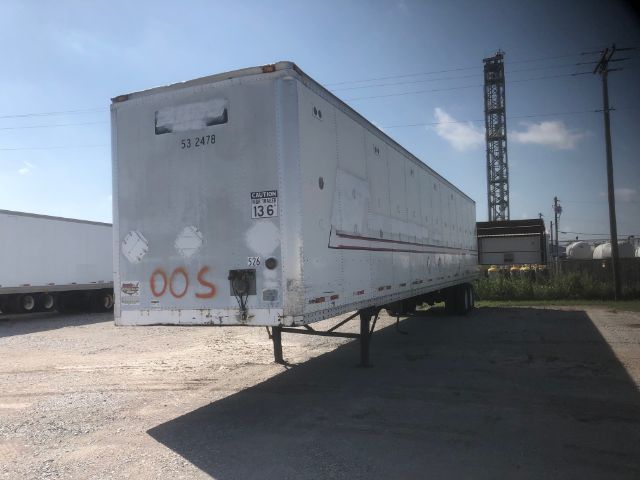
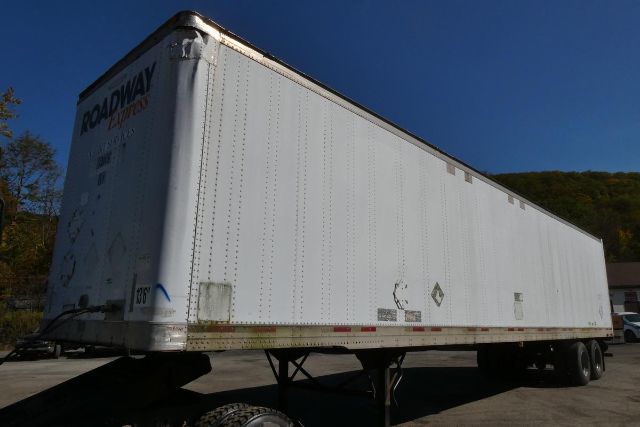
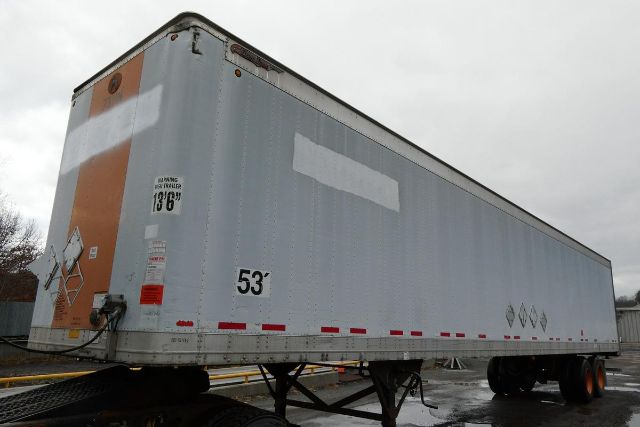
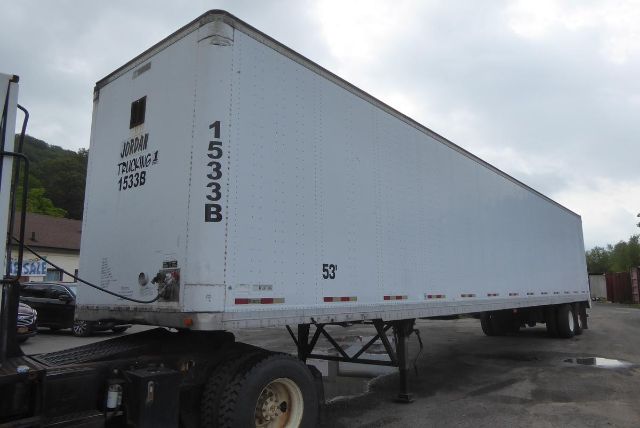
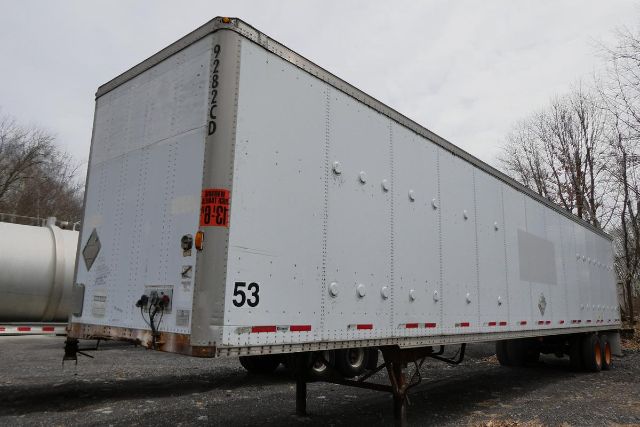
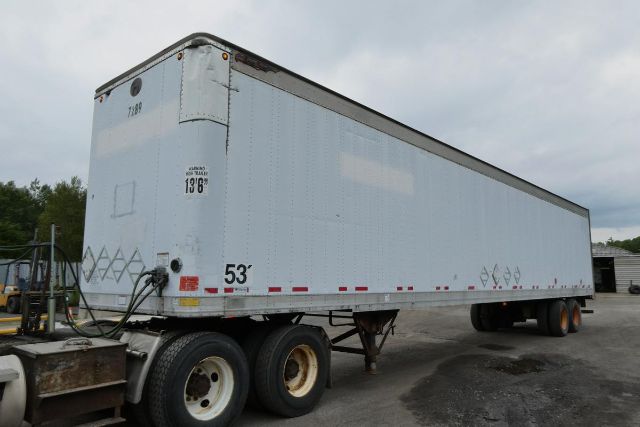
Dry vans from this era are often found in 48-foot and 53-foot lengths, typically with aluminum construction, wood or wood-over-steel floors, swing or roll-up rear doors, and sliding tandem axle configurations. Common specs include 102-inch width, air ride or spring ride suspension, 11R22.5 or low-pro 22.5 tires, and GVWRs around 65,000 to 68,000 pounds. For dock freight, logistics posts, scuff liner condition, rear frame wear, threshold plate damage, and door seal condition deserve close attention. A 2000 dry van can still work well in regional freight, storage, or dedicated private fleet use when the floor, crossmembers, and rear structure are intact.
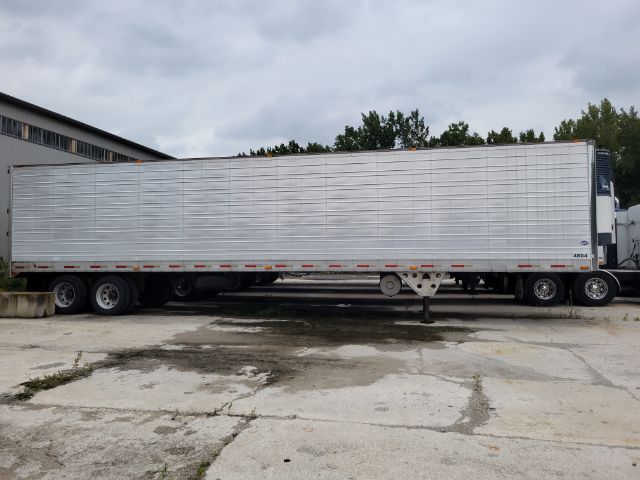
Reefer trailers from 2000 require a different buying approach because the refrigeration unit is as important as the trailer body. Older units may still perform in produce, frozen, dairy, or short-haul distribution service, but buyers need to verify hours, temperature pull-down performance, insulation condition, floor duct integrity, and unit service history. Carrier and Thermo King systems from this era remain supportable in many markets, but repair costs can escalate quickly if the engine, controller, or evaporator components have been neglected. Pay close attention to front wall condition, drain channels, door seals, and signs of water intrusion, since insulation failure can turn a low-cost reefer into an expensive rebuild.
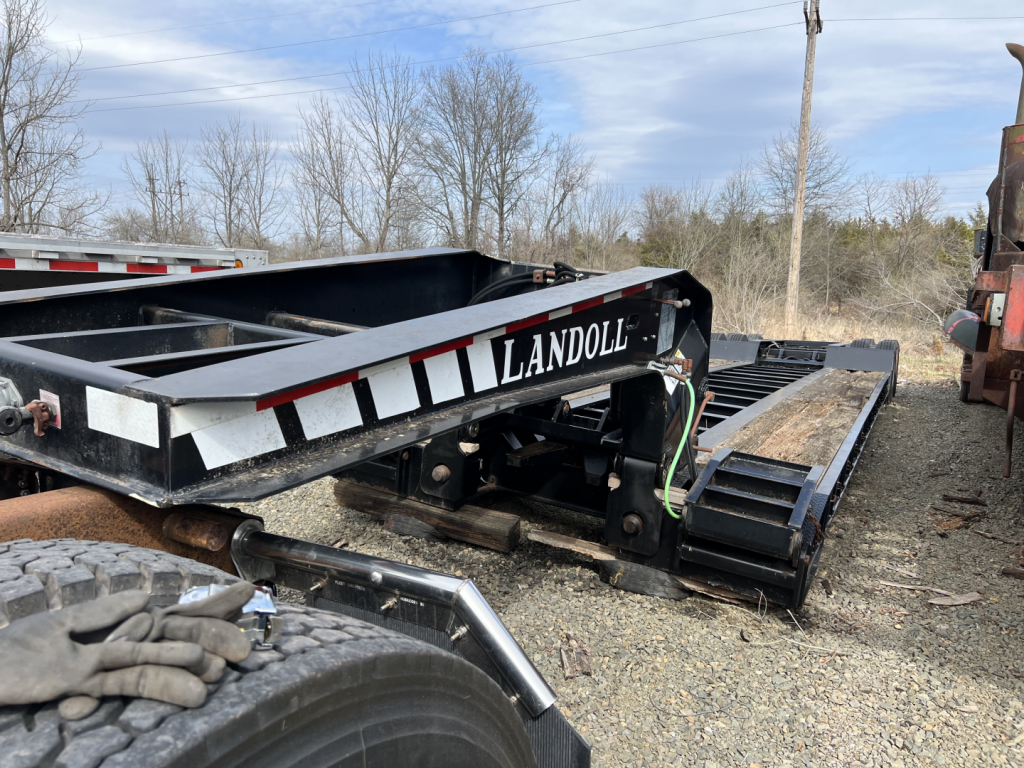
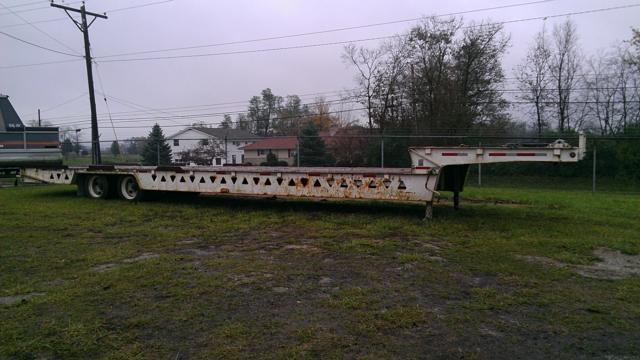
Drop deck trailers from this model year are still common in machinery, building materials, and general open-deck hauling. Typical decision points include aluminum versus steel construction, main deck length, top deck length, loaded deck height, kingpin setting, axle spread, and crossmember spacing. On a 2000 drop deck, check for concentrated stress around the neck, suspension hangers, frame transitions, and deck sections that have seen forklift or equipment loading. Across all 2000 trailers, buyers should confirm brake type, tire age, wheel-end condition, ABS function, lighting, and current DOT compliance before putting a unit into regular service.
Frequently Asked Questions about 2000 Trailers
What should I inspect first on a 2000 trailer?
Start with the structure. Check the main rails, crossmembers, landing gear mounts, suspension hangers, rear frame, and kingpin area for cracks, corrosion, and poor repairs. After that, inspect the floor, roof, doors, brake system, wheel ends, and tires. Older trailers can remain productive for years, but structural damage and deferred maintenance are what usually determine real value.
Are 2000 dry van trailers still worth buying?
They can be, especially for regional freight, warehouse overflow, private fleet use, or lanes where appearance is less important than dependable service. A 2000 dry van with a solid floor, straight frame, functional doors, and healthy running gear can still be a cost-effective option. The key is verifying that the trailer has not been patched repeatedly in critical areas such as the rear sill, crossmembers, and side rails.
Is a 2000 reefer trailer too old for temperature-controlled freight?
Not necessarily, but the refrigeration unit and insulated body must be evaluated carefully. A reefer of this age may still handle frozen or chilled loads if it can hold setpoint, pull down temperature efficiently, and show a documented service history. Buyers should budget for reefer repairs, confirm unit hours, and inspect insulation, floor ducts, seals, and bulkhead condition before assigning it to revenue loads.
What specs matter most when comparing older drop deck trailers?
Deck height, main deck length, top deck length, axle configuration, kingpin setting, and frame condition are the biggest factors. These specs determine what freight the trailer can legally and practically haul. On older drop decks, buyers should also inspect crossmember spacing, deck wear, neck repairs, and suspension condition because heavy concentrated loads can expose weak points quickly.
How important is suspension type on a 2000 trailer?
Suspension type affects ride quality, maintenance cost, and cargo protection. Air ride is generally preferred for sensitive freight and smoother handling, while spring ride can be simpler and cheaper to maintain. On a 2000 trailer, the condition of the suspension components matters more than the original design alone, so inspect bushings, airbags, equalizers, torque arms, and alignment wear before making a decision.