
2000 Van Trailers For Sale
Shop 2000 van trailers for freight hauling. Compare dry van specs, lengths, suspension, doors, floors, and trailer condition details.
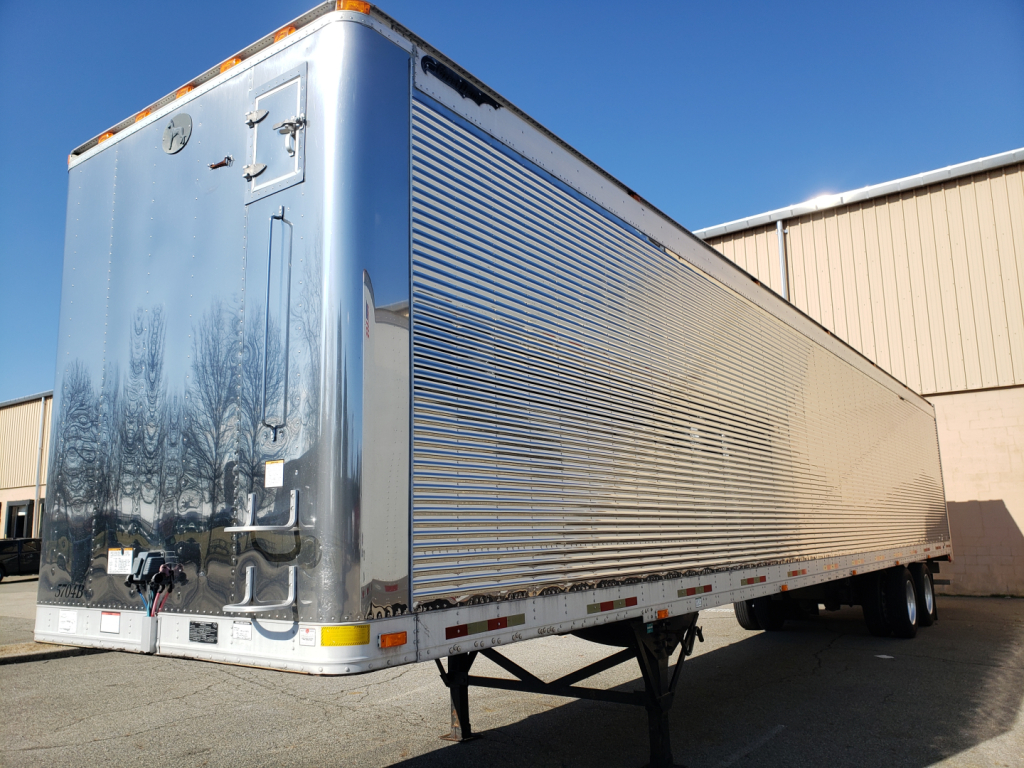
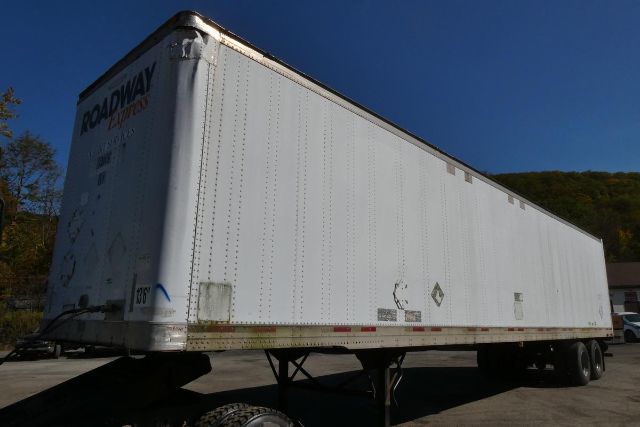
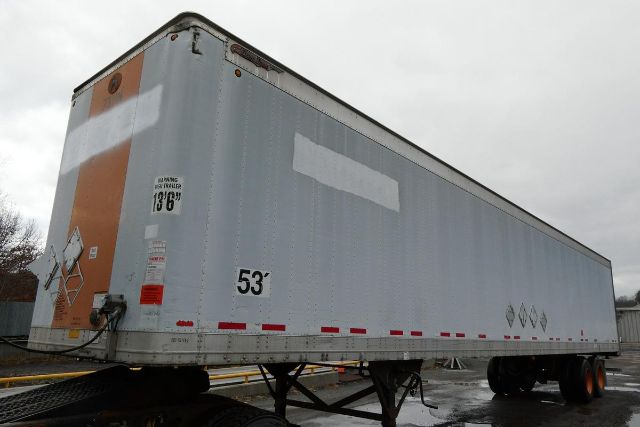
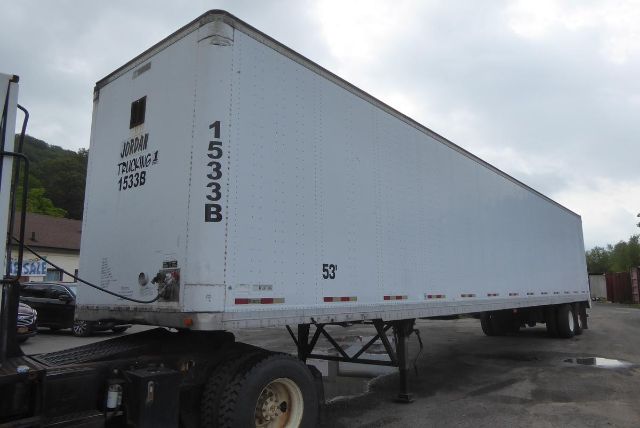
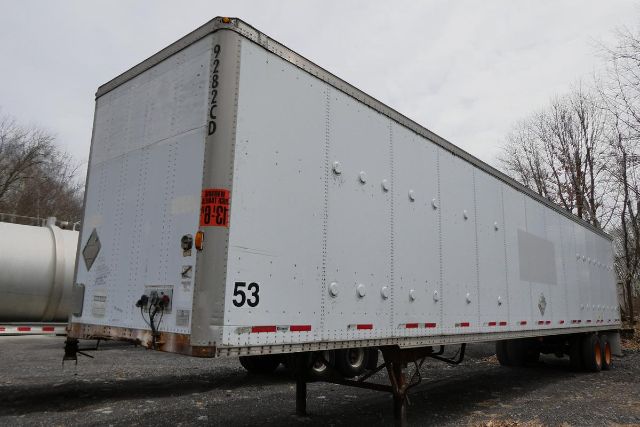
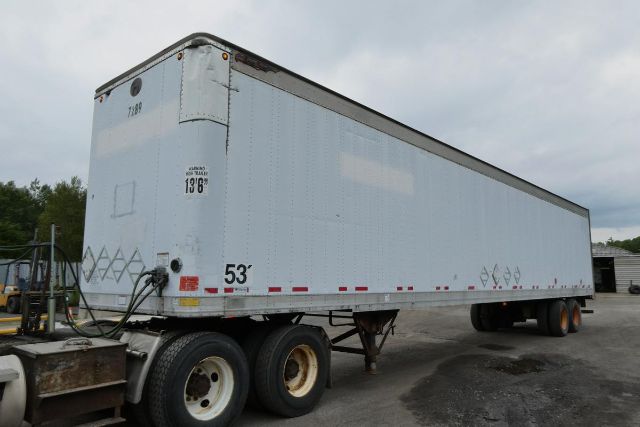
Have 2000 van trailer to sell? List it here to reach thousands of buyers.
2000 Van Trailers
For a 2000 model year van trailer, construction details deserve close attention. Many trailers from this era use an aluminum and steel combination, with wood floors, aluminum roofs, and either sheet-and-post or plate-style wall construction depending on make and model. Buyers should inspect crossmembers, upper coupler plate condition, rear sill, threshold, and tandem slider rails for corrosion, repairs, or fatigue. Door style is another operational decision. Swing doors are simple and dock-friendly, while roll-up doors help in tight urban unloading but add maintenance points and can reduce clear opening height. If the trailer will be used in distribution work, logistics posts, scuff liners, and threshold protection are valuable because they directly affect cargo securement options and interior durability.
Running gear and compliance specs can make a major difference in day-to-day cost. Slideable tandems help with bridge law and axle weight distribution, especially for irregularly loaded freight or multi-state operation. Air ride suspension is generally preferred for ride quality and cargo protection, while spring suspension can be simpler and less expensive to maintain. Brake type, wheel-end condition, tire age, tread depth, and wheel spec should all be verified on an older van trailer. Buyers should also confirm kingpin condition, landing gear operation, ABS status, light wiring, and DOT inspection readiness. On a van trailer of this age, a clean maintenance history and evidence of consistent repairs often matter more than low acquisition cost alone.
Application should drive the purchase decision. A 48-foot van trailer may fit regional fleets, private carriage, or facilities with tighter yards, while a 53-foot dry van is the standard for long-haul and high-cube freight. Interior height, roof type, and floor rating should match the commodity mix and loading method. Food-grade freight, paper rolls, and high-cycle dock freight each put stress on different parts of the trailer. Buyers comparing 2000 van trailers for sale should weigh tare weight against durability, check for prior wall patches or roof leaks, and make sure the trailer's dimensions, suspension, and door setup fit the work it will actually do.
Frequently Asked Questions about 2000 Van Trailers
What should I inspect first on a 2000 van trailer?
Start with the structure. The highest-value inspection points on an older dry van are the floor, crossmembers, roof, rear frame, slider assembly, and upper coupler area. Look for soft spots in the floor, cracked welds, corrosion around the rear sill and threshold, roof patches, bowed sidewalls, and tandem rail wear. After that, check doors, brakes, tires, lights, landing gear, and ABS function. Structural repairs usually cost more than routine running-gear service.
Is a 48-foot or 53-foot van trailer better for most buyers?
It depends on lane mix and facility access. A 53-foot van trailer is the standard choice for long-haul freight and maximized pallet count, which makes it easier to match common shipper requirements. A 48-foot van trailer can still be a strong fit for regional operations, tighter docks, or customers that do not need maximum cube. The right choice comes down to freight density, loading patterns, and where the trailer has to maneuver every day.
Are air ride suspensions worth it on an older dry van trailer?
For many operations, yes. Air ride generally provides better cargo protection and a smoother ride for palletized consumer goods, paper, and other damage-sensitive freight. It is also common in fleet specifications, which can help with compatibility across a broader freight base. Spring suspension may still appeal to cost-conscious buyers because it is simple and durable, but ride quality and cargo stability are usually better with air ride.
What door type is better on a van trailer, swing doors or roll-up doors?
Swing doors are common on highway dry vans because they provide a full rear opening, straightforward maintenance, and good sealing when in proper condition. Roll-up doors are useful where rear clearance is limited, such as frequent urban deliveries or tight docks, but they add moving parts and can reduce usable opening height. The better option depends on the trailer's route profile and the type of freight handling it will see.
Can a 2000 van trailer still be a good freight trailer for daily use?
Yes, if condition is right and the trailer has been maintained. Many 2000 model year van trailers remain serviceable in regional and over-the-road work when the frame, floor, roof, suspension, and brake system are sound. Age alone is not the deciding factor. A well-kept older trailer with documented maintenance, good tires, legal brakes, and a dry, solid body can be a more dependable buy than a newer trailer with deferred repairs.