
2000 Van Trailers For Sale in New York
Shop 2000 van trailers for sale in New York. Compare 48' and 53' dry vans, tandem setups, doors, floors, GVWR, and spec details.
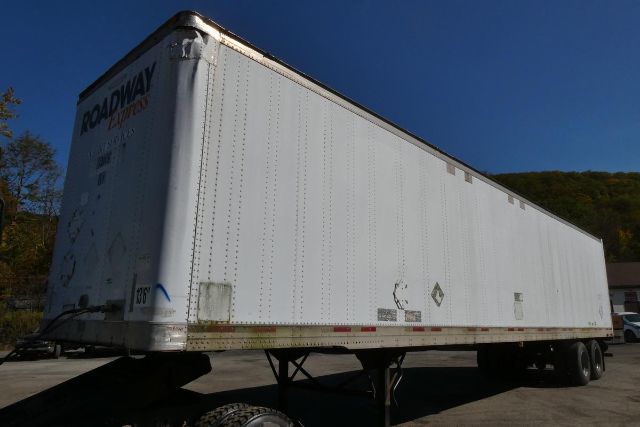
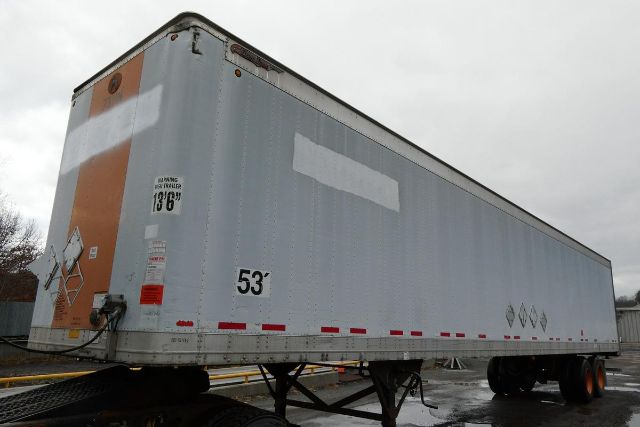
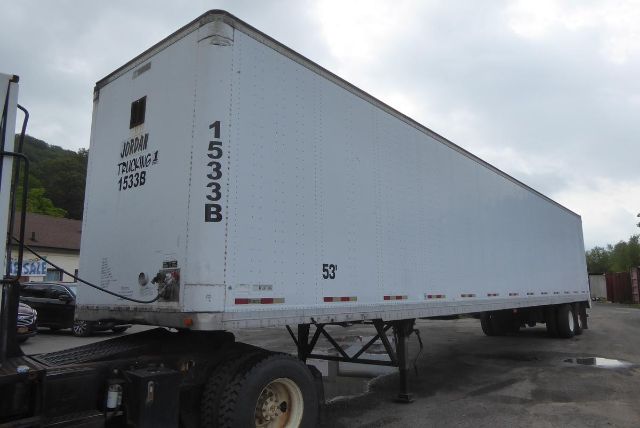
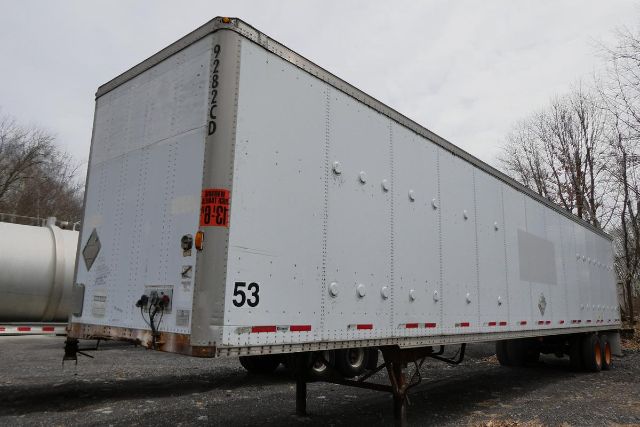
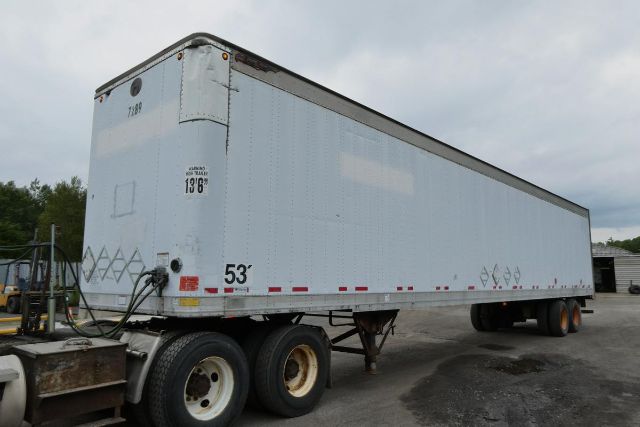
Have 2000 van trailer to sell? List it here to reach thousands of buyers.
2000 Van Trailers in New York
On a 2000 model year van trailer, construction details matter more than the badge on the nose. Many trailers from this period use a steel or steel-aluminum combination with wood-over-steel floors, aluminum roofs, and steel rear frames. That makes careful inspection of crossmembers, threshold plate, rear sill, upper coupler plate, slider rails, and landing gear structure especially important. Dry vans of this vintage often have tandem axles with either fixed or slideable tandems, and a slideable tandem is a major advantage for operators who need to manage axle weights across New York and interstate lanes. Typical wheel packages include 22.5-inch rubber on steel hub-pilot rims, and buyers should pay close attention to brake condition, suspension wear, tire date codes, ABS function, and evidence of frame or sidewall repairs.
Cargo handling and loading efficiency are just as important as the chassis. A good van trailer should have a sound floor, straight side posts, intact scuff liner if equipped, and a rear door opening that matches the freight profile. Roll-up doors are common in P&D and urban work because they save dock space, while swing doors are often preferred for simplicity and full rear opening access. Interior height and load width determine how well the trailer handles standard pallet counts, tall retail freight, and light-volume shipments. Buyers using liftgate freight, hand unload work, or high-cycle dock loading should inspect the rear frame and floor transition area closely, since those are common wear points on older dry vans.
For a 2000 van trailer, value comes from structural condition, legal roadability, and how well the spec matches the lane, not from model year alone. A well-maintained older dry van can still serve regional distribution, warehouse overflow, storage duty, or dedicated shipper work at a much lower acquisition cost than newer equipment. In New York, it also makes sense to verify registration suitability, state inspection requirements, and overall dimensions before purchase, especially if the trailer will run dense metro freight, tight yards, or weight-sensitive corridors. The best buy is usually the trailer with a solid frame, good floor life remaining, serviceable brakes and tires, and a tandem setup that fits the freight you actually haul.
Frequently Asked Questions about 2000 Van Trailers in New York
What should I inspect first on a 2000 van trailer?
Start with the structure. Check the frame rails, crossmembers, upper coupler plate, rear sill, slider assembly, landing gear mounts, and roof bows for cracks, corrosion, or poor repairs. After that, inspect the floor for rot, soft spots, or forklift damage, then move to brakes, tires, suspension, lights, ABS, and door operation. On an older dry van, structural condition usually matters more than cosmetic appearance.
Is a 48-foot or 53-foot van trailer better for New York operations?
That depends on the lanes and facilities. A 53-foot dry van gives more cube and is the standard choice for many linehaul and distribution applications, but a 48-foot trailer can be easier to work with in older yards, tighter urban locations, and certain regional operations. Buyers should match trailer length to dock space, customer locations, and axle weight requirements rather than assuming longer is always better.
Are slideable tandems important on an older dry van trailer?
Yes, especially if the trailer will run mixed freight weights or interstate lanes. A slideable tandem helps manage kingpin-to-rear axle spacing and allows better axle weight distribution to stay legal under bridge and state weight rules. Fixed tandem trailers can work well in dedicated applications, but a slider usually gives more flexibility for changing loads and different jurisdictions.
What is a common floor and body construction on van trailers from this era?
Many 2000-era dry van trailers use a wood-over-steel floor with either steel, aluminum, or combination steel-aluminum body construction. Aluminum roofs are also common. This setup can be durable and repairable, but buyers should closely inspect floor fastening points, crossmember condition, sidewall attachment areas, and corrosion around the rear frame because age and forklift traffic can take a toll.
Can a 2000 van trailer still be a good business purchase?
It can be, if the trailer is structurally sound and the intended use fits the equipment. Older dry vans often make sense for regional freight, drop trailer programs, storage applications, warehouse support, and lower-cost dedicated lanes. The key is to buy based on remaining service life, maintenance needs, and legal roadworthiness, because repair costs on an inexpensive trailer can quickly erase the purchase advantage.