
2000 Trailers For Sale in New York
Shop 2000 trailers for sale in New York. Compare dry vans, reefers, lengths, axle setups, suspension, and specs for regional or long-haul use.
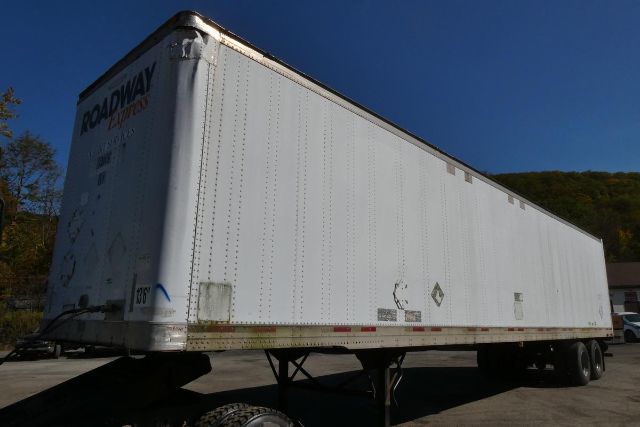
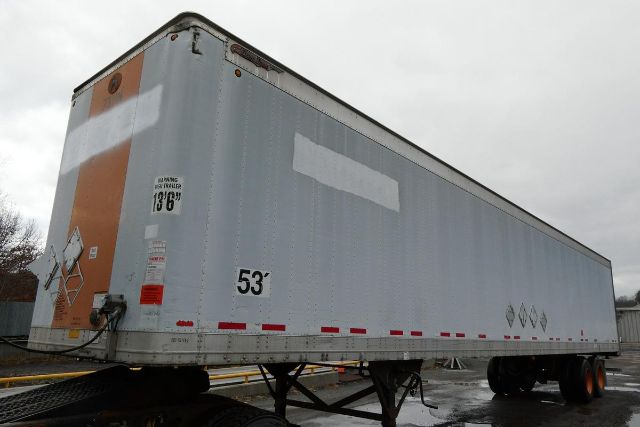
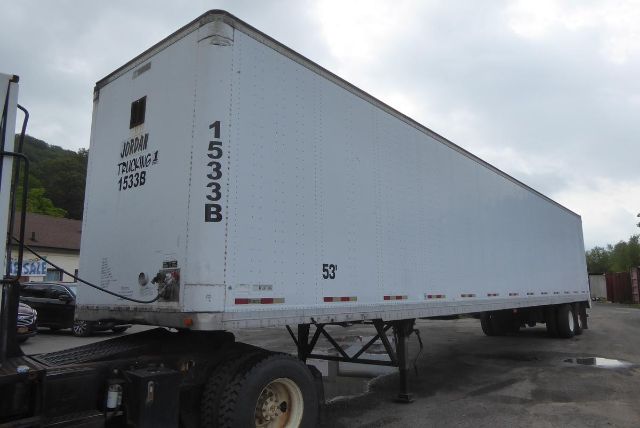
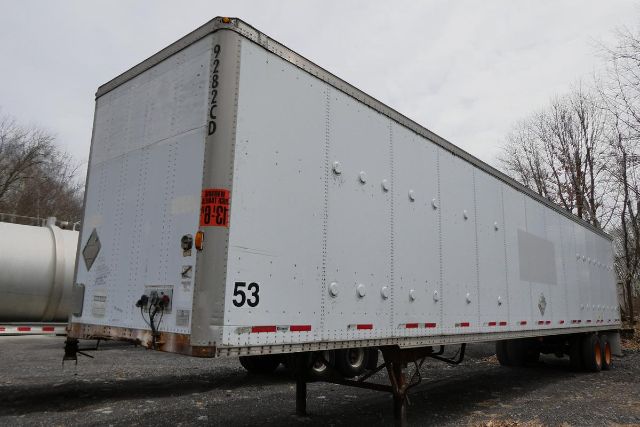
Selling a 2000 trailer? List your 2000 trailer for sale and reach thousands of commercial buyers.
2000 Trailers in New York
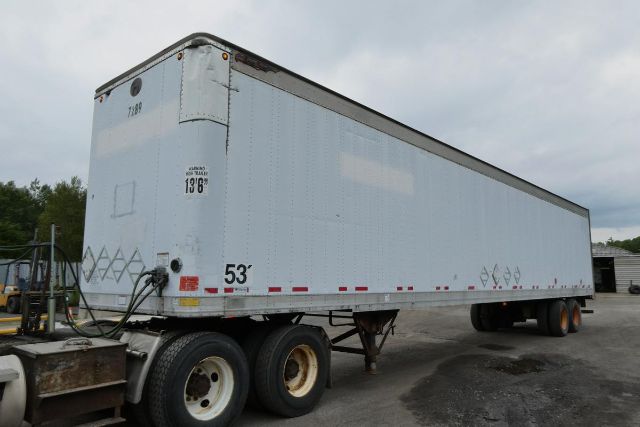
For New York operations, dimensions and maneuverability matter. A 53-foot dry van is standard for high-cube freight, but 45-foot and 48-foot trailers can still make sense for tighter urban routes, older docks, and regional applications. Width is typically 96 inches or 102 inches, and outside height is often around 13 feet 6 inches, though some older vans sit lower. Sliding tandems are a major advantage for bridge law compliance, dock positioning, and balancing payload, while fixed axle trailers are more common on shorter pup or specialty van configurations. Buyers hauling palletized freight should pay close attention to inside width, inside height, door opening clearance, and the condition of the wood-over-steel or aluminum floor.
On reefer trailers, the refrigeration unit is often the make-or-break factor. A 2000 reefer or older reefer platform may still have value if the box insulation is intact, the unit starts cleanly, hours are documented, and the floor, drains, and door seals are in serviceable shape. Thermo King and Carrier units are common in this segment, and unit hours, service history, and multi-temp capability can affect both operating cost and resale. On any older trailer, look closely at scuff liners, front wall repairs, landing gear wear, brake components, tire age, wheel-end maintenance, and signs of past accident damage around the rear sill and upper coupler area.
The best 2000 trailers for sale are usually the ones that have been maintained to a clear job description. A dry van used for general freight needs different scrutiny than a reefer handling food-grade loads or a shorter van set up for doubles work. Buyers comparing listings should weigh empty weight against payload, spring ride versus air ride, roll-up versus swing doors, and 22.5 low-pro tires versus taller rubber depending on fleet standardization. On older trailers, maintenance records and a thorough inspection often tell you more than the badge on the nose.
Frequently Asked Questions about 2000 Trailers in New York
What should I inspect first on a 2000 trailer?
Start with the frame, floor, roof, suspension, brakes, and rear structure. On a trailer this age, crossmembers, floor rot, roof patching, rear frame cracking, and tandem slide wear can matter more than cosmetics. Check landing gear operation, air system leaks, tire age, wheel seals, and signs of corrosion at the rails and subframe. If it is a reefer, inspect the unit hours, door seals, insulation integrity, and service records before focusing on appearance.
Are 2000 model year trailers still good for commercial use?
They can be, provided the trailer has been maintained and matches the intended application. Many older dry vans and reefers remain productive in regional service, storage, short-haul freight, or lower-mileage lanes. The key is structural condition, brake and suspension health, legal compliance, and how much reconditioning is needed. A well-kept older trailer can be a cost-effective option, but deferred maintenance can erase any purchase savings quickly.
Is a sliding tandem important on an older van or reefer trailer?
Yes, especially for operators running in states with bridge law concerns, varying load positions, or docks that require axle adjustment. A sliding tandem helps with weight distribution and can make a trailer easier to use across different freight profiles. On an older trailer, make sure the slider pins engage correctly, the rail is not excessively worn, and the suspension components around the tandem are not cracked or heavily corroded.
What is the difference between spring ride and air ride on older trailers?
Spring ride is common on older trailers because it is simple, durable, and generally cheaper to maintain. Air ride usually offers better cargo protection and smoother handling for sensitive freight, but it adds valves, bags, and other components that need inspection. On a used trailer from this era, the better choice depends on freight type, maintenance budget, and how standardized the trailer needs to be with the rest of the fleet.
What makes an older reefer trailer worth buying?
A strong older reefer trailer usually has a sound insulated box, good floor condition, tight doors, clean bulkhead area, and a refrigeration unit with documented maintenance. Reefer hours matter, but service history matters more. Buyers should verify pull-down performance, look for evidence of water intrusion or delamination, and confirm that the unit can hold temperature under load. If the reefer unit is near overhaul time, that expected cost should be part of the buying decision.