
1998 Trailers For Sale in Texas
Shop 1998 trailers for sale in Texas. Compare van, reefer, flatbed, lowboy, dump, and specialty trailer specs, condition, and axle setups.
Learn more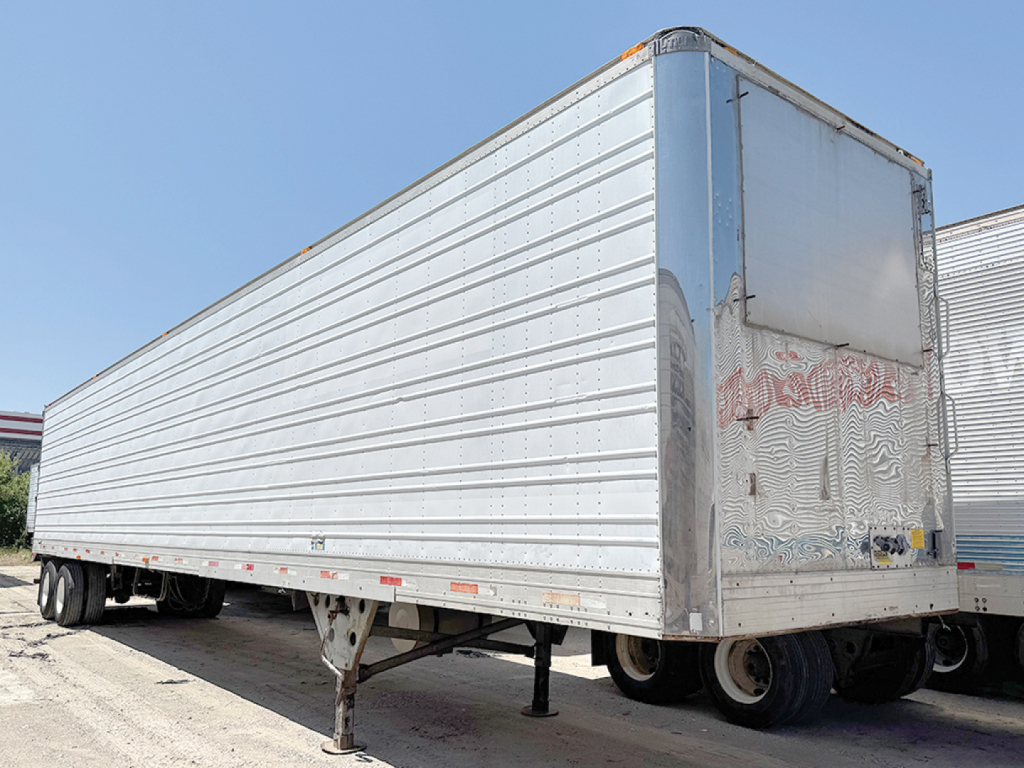

Have 1998 trailer to sell? List it here to reach thousands of buyers.
About 1998 Trailers in Texas
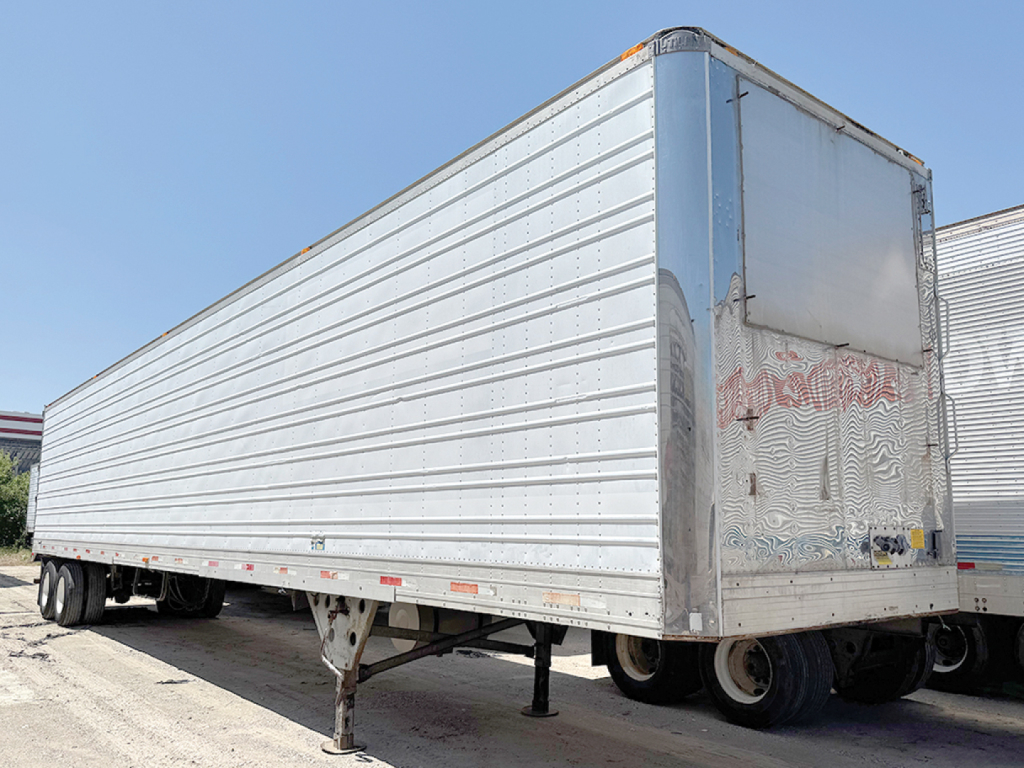
The trailer category covers a wide range of applications, so the right choice depends on freight type. Dry vans and enclosed vans are common for general freight and can include wood floors, scuff liners, threshold plates, logistic posts, and swing or roll-up doors. Reefer trailers add insulated walls, duct floors, chute systems, and refrigeration units that need their own service history and hour review. Flatbeds, drop decks, and lowboys are more about deck length, loaded deck height, concentrated load capacity, and securement options such as winches, chain ties, and tool storage. Dump and specialty trailers should be evaluated for body construction, hoist condition, liner wear, tarp systems, and gate operation.
For a 1998 model year trailer, buyers should expect variation in brake systems, wheel end specifications, and suspension setups. Air ride remains desirable for freight protection and resale in many applications, while spring ride can still make sense in construction or rough-service work. Sliding tandems affect bridge law flexibility and dock positioning, while spread axle configurations may improve weight distribution but can add tire scrub in tight urban service. Tire size, wheel material, brake type, and hub standards matter because parts commonality affects uptime and operating cost. Texas buyers also tend to pay attention to title status, VIN legibility, annual inspection compliance, and how easily the trailer can be brought into a fleet maintenance program.
The smartest way to judge a 1998 trailer is to separate age from condition. A well-kept older trailer with straight rails, a sound floor, clean air lines, and documented repairs can outperform a newer unit that has been neglected. Look for evidence of consistent fleet maintenance, check for uneven tire wear that may point to alignment or suspension issues, and confirm that doors, lights, ABS, and slider mechanisms work as they should. If the trailer is intended for interstate use, confirm overall dimensions, axle spacing, and any application-specific equipment before purchase so the trailer fits both the load and the lane.
Frequently Asked Questions
Is a 1998 trailer too old for regular commercial use?
Not necessarily. A 1998 trailer can still be a dependable commercial trailer if the frame, suspension, brakes, floor, and structural components are in solid condition. Age matters less than maintenance history, prior application, and the quality of any repairs. Many older trailers remain in service because the major components have been rebuilt or replaced over time.
What should I inspect first on a used 1998 trailer?
Start with the structure and running gear. Inspect the kingpin area, crossmembers, frame rails, suspension hangers, slider assembly, landing gear, brake system, tires, and wheel ends. On enclosed trailers, check the floor, roof, sidewall condition, scuff liners, and door frame alignment. On reefers, add a close review of the refrigeration unit hours, service records, insulation condition, and floor integrity.
Are older 1998 trailers harder to maintain?
They can be, depending on parts standardization and prior modifications. Older trailers may have mixed wheel end components, outdated lighting, or brake hardware that does not match the rest of a modern fleet. That said, many common trailer systems remain serviceable if the axle, suspension, and brake specifications are well known. Buyers should confirm parts availability before putting an older trailer into high-utilization service.
What trailer types are commonly found in the 1998 model year?
The 1998 market can include dry vans, reefers, flatbeds, drop decks, lowboys, dump trailers, and specialty trailers. The useful life and value of each type depends heavily on application. A van trailer may need close floor and door inspection, while a lowboy or dump trailer may require more attention to structural stress points, deck wear, hoist condition, and axle load ratings.
Why does suspension type matter on a 1998 trailer?
Suspension type affects ride quality, maintenance cost, and the trailer’s best application. Air ride is usually preferred for sensitive freight and highway service because it helps reduce cargo shock and often improves resale appeal. Spring ride is simpler and can hold up well in vocational use, but it may transfer more vibration to the load. On an older trailer, the real question is not just the suspension design but also the condition of bushings, hangers, airbags, shocks, and alignment.