
1998 Trailers For Sale
Shop 1998 trailers for sale, including flatbed, van, tank, and specialty models with specs on axle setup, suspension, dimensions, and use.
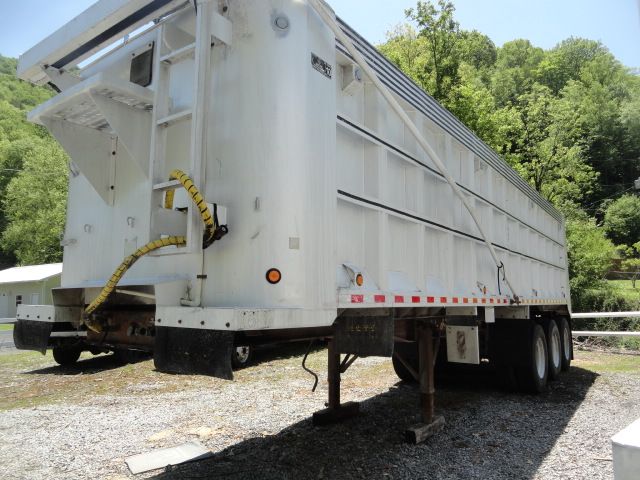
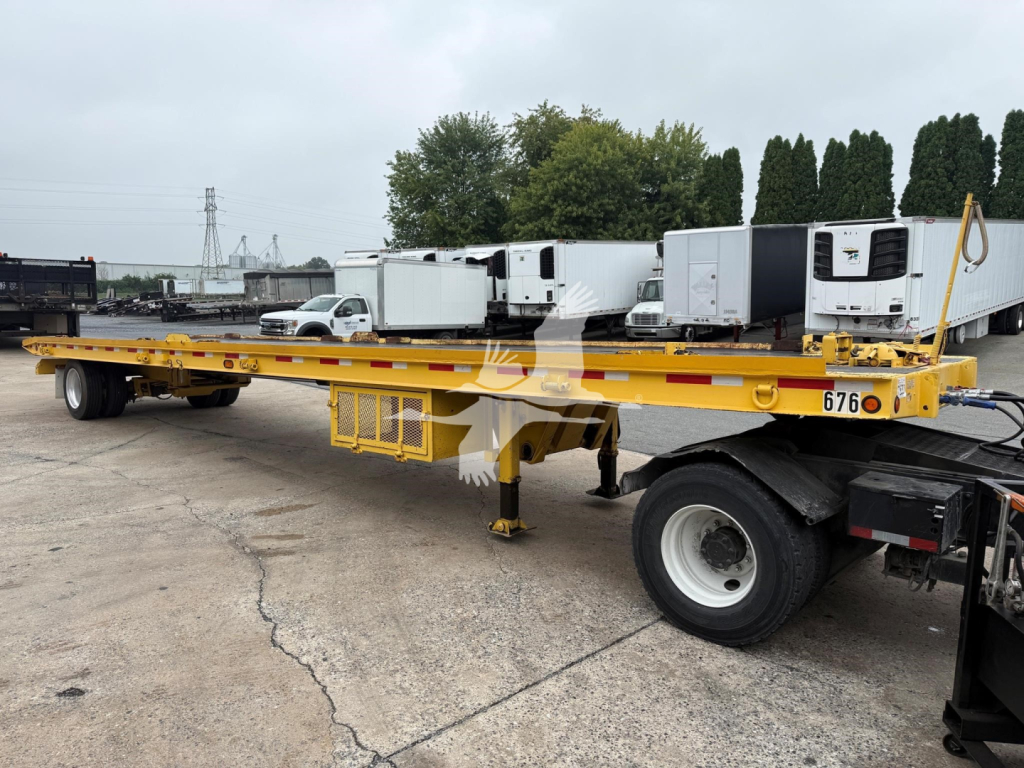
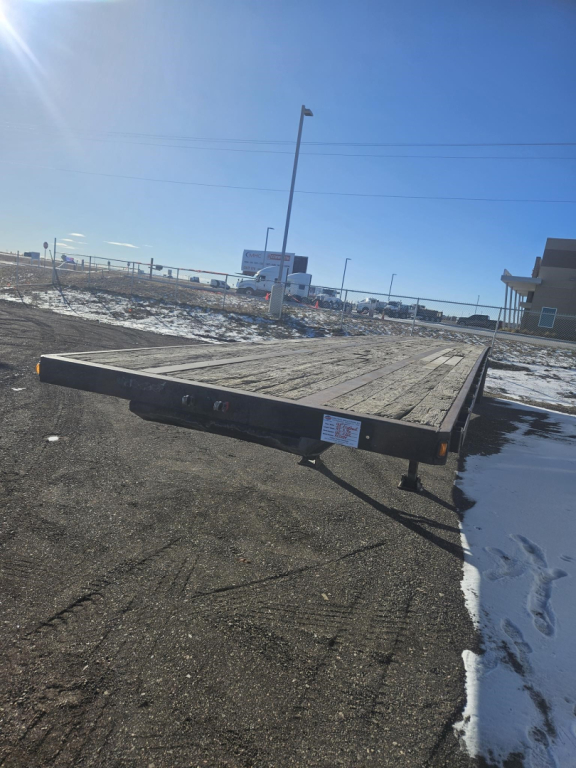
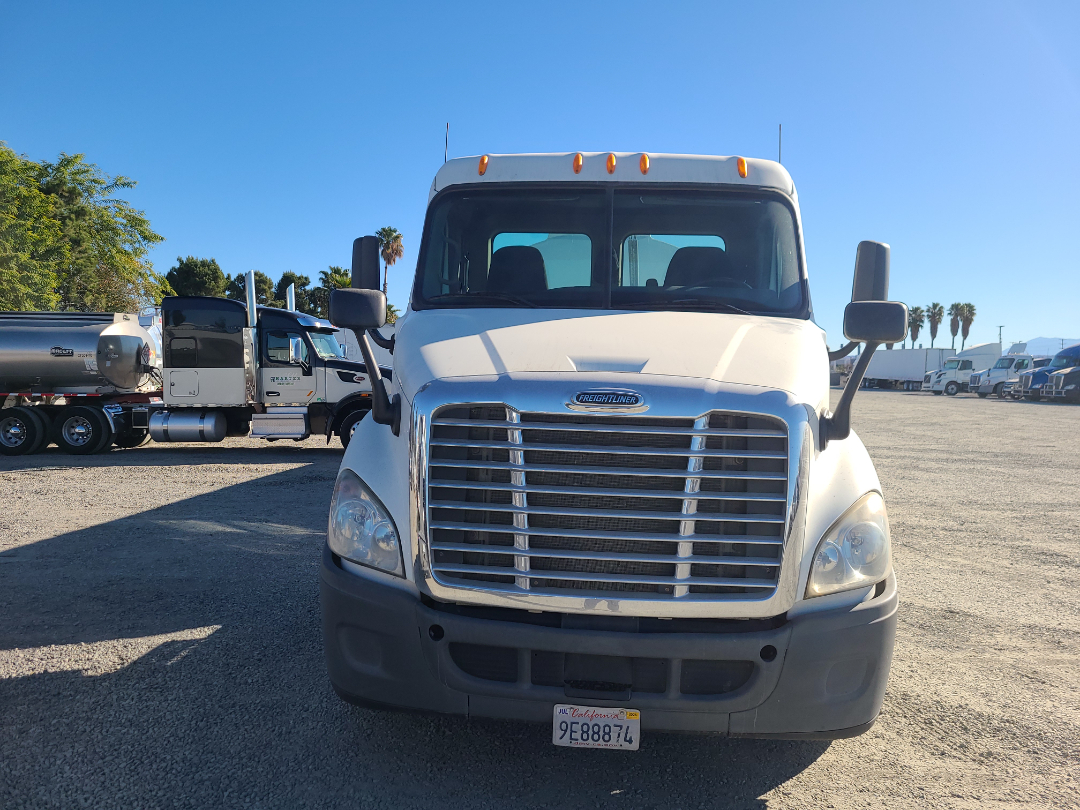

Selling a 1998 trailer? List your 1998 trailer for sale and reach thousands of commercial buyers.
1998 Trailers
Flatbeds from this era are common on the used market, including aluminum, steel, and combination builds. Key details include trailer length, width, axle configuration, fixed tandem or spread axle layout, air ride or spring suspension, and deck construction such as aluminum floor or wood floor with nail strips. If the trailer will haul steel, machinery, or building products, check for coil package equipment, winch track setup, stake pockets, pipe spools, and crossmember spacing. Kingpin setting, rear axle spread, and overall empty weight also matter, especially for operators balancing payload against bridge law and state compliance.
Dry van and specialty trailers from 1998 can still serve well in storage, regional freight, agricultural work, or dedicated short-haul applications. On vans, buyers should pay attention to roof condition, scuff liners, logistics posts, door frame integrity, floor wear, and tandem slide operation. On tank trailers, the decision becomes more technical. Capacity, compartment layout, tank code, product history, vapor recovery, emergency valve configuration, and test status are critical. A fuel or chemical trailer from this age may still have strong utility, but compliance, documentation, and barrel condition should be reviewed carefully before purchase.
The best 1998 trailers are usually the ones with straightforward specs, documented service history, and no mismatch between design and intended work. A spread axle flatbed may be ideal for legal weight distribution, while a fixed tandem can be simpler for certain routes and yards. Air ride remains desirable for ride quality and cargo protection, and aluminum construction helps reduce tare weight, but corrosion, fatigue cracking, and worn landing gear should be checked closely. Buyers comparing 1998 trailers should think less about model year by itself and more about application fit, remaining service life, and the cost to bring the trailer up to working standard.
Frequently Asked Questions about 1998 Trailers
What should I inspect first on a 1998 trailer?
Start with the structural components. Inspect the main frame rails, crossmembers, suspension hangers, slider rails if equipped, landing gear mounts, and kingpin area for cracking, rust, elongation, or evidence of previous repair. After that, check the floor, brakes, wheel ends, air system, tires, lights, and any cargo control equipment. On an older trailer, the condition of these core systems will tell you more than the model year alone.
Are 1998 flatbed trailers still worth buying?
They can be, especially when the trailer has a sound frame, a usable deck, and the right spec for the freight you haul. Many 1998 flatbeds remain productive in steel, lumber, machinery, and regional building material work. Aluminum and combination trailers can still offer attractive payload capacity, but buyers should verify deck wear, tiedown equipment, axle condition, and any signs of fatigue around the suspension and neck.
What axle setup is common on older trailers, and why does it matter?
Many older trailers are configured with fixed tandem axles, spread axles, or sliding tandems depending on trailer type and intended use. Axle setup affects bridge compliance, maneuverability, tire wear, and how easily the trailer fits different state regulations and dock environments. Spread axles are common on flatbeds for weight distribution, while sliding tandems are common on vans to help with load positioning and legal axle weights.
What is the biggest concern with an older tank trailer from the late 1990s?
The biggest concern is compliance combined with barrel condition. Buyers need to verify the tank code, current inspection and test status, compartment integrity, valve operation, piping condition, and the type of product previously hauled. A tank trailer may appear usable, but if it is out of test or has internal corrosion, damaged bulkheads, or outdated safety equipment, the cost to return it to service can be significant.
How do I judge value on a 1998 trailer?
Value comes from specification, condition, and the amount of work needed to put the trailer into service. A clean, correctly spec'd 1998 trailer with solid tires, good brakes, straight structure, and functional cargo systems may be a better buy than a newer trailer with deferred maintenance. Compare tare weight, axle configuration, suspension type, deck or floor condition, and documented repairs. Then factor in the likely cost of tires, brakes, bushings, lighting, and any structural work.