
1998 Van Trailers For Sale
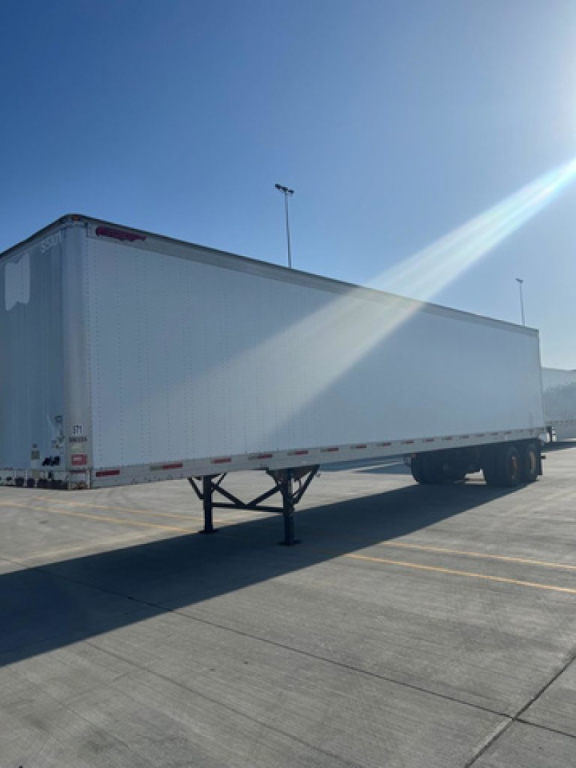
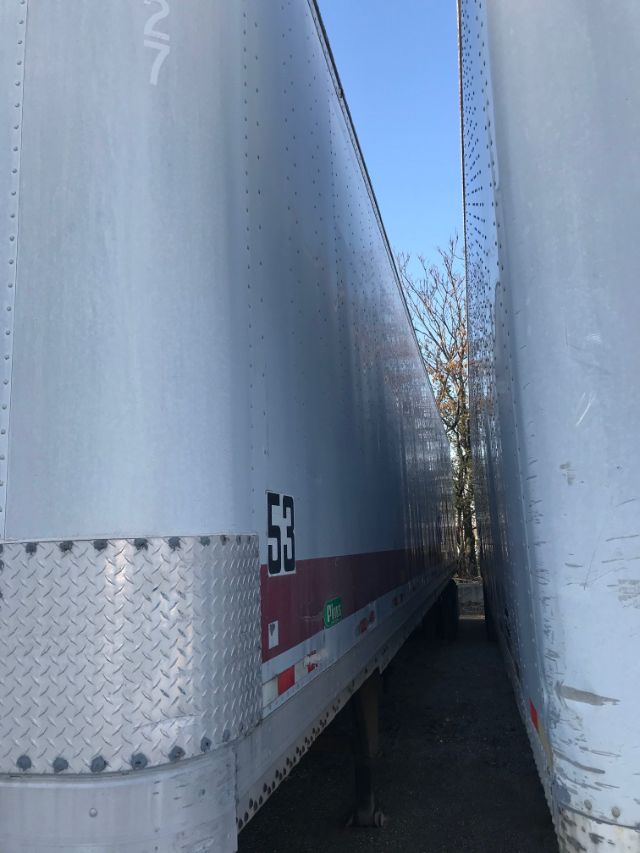
Shop 1998 van trailers for sale. Compare 53-foot dry vans, specs, suspension, door types, floors, and tandem setups for freight use.
Have 1998 van trailer to sell? List it here to reach thousands of buyers.
1998 Van Trailers
Construction details drive long-term value on an older dry van. Buyers should pay close attention to whether the trailer is aluminum, steel, or a combination design, along with roof condition, sidewall integrity, front rail, crossmembers, and floor wear. Wood floors with steel understructure are common in this category, and floor rating is important if the trailer will see concentrated forklift traffic. Interior equipment such as scuff liners, aluminum scuff plate, logistic posts, E-track, and composite lining can make a major difference in how flexible the trailer is for mixed freight. Door style also matters. Swing doors are simple and common on linehaul vans, while roll-up doors are often preferred for route work or dock conditions where rear clearance is tight.
Running gear and suspension need a careful look on a 1998 model year trailer. Air ride suspension is generally preferred for higher-value freight and ride quality, while spring ride can be simpler and less expensive to maintain. Sliding tandems remain important for bridge law compliance and dock positioning, and buyers should inspect the slider rail, locking pins, and suspension hangers for wear or corrosion. Common checkpoints include brake type, wheel-end condition, tire size, hub-piloted wheels, ABS status, air system leaks, and overall alignment. On older vans, maintenance history can matter more than original brand name, especially if major wear items such as bushings, brakes, floor sections, roof skins, or door hardware have already been updated.
A 1998 van trailer is often best suited for cost-conscious fleets, regional freight, storage service, dedicated lanes, or operations that do not require the newest aerodynamic or lightweight specification. The right trailer can still deliver strong value if the body is straight, the rear frame is solid, and the floor and suspension have not been neglected. Buyers comparing listings should focus on usable cube, empty weight, freight securement setup, and the condition of high-stress areas rather than model year alone. A well-kept 1998 dry van can still fit warehouse shuttles, short-haul distribution, seasonal overflow, and export or transload work where dependable enclosed capacity matters most.
Frequently Asked Questions about 1998 Van Trailers
What should I inspect first on a 1998 van trailer?
Start with the structural condition. Check the roof for patches or active leaks, inspect sidewalls for delamination or impact damage, look closely at the front wall and rear frame, and examine the crossmembers and floor from underneath. On an older dry van, floor integrity, door frame condition, and corrosion around suspension mounts are usually more important than cosmetic appearance.
Are 1998 dry van trailers still good for over-the-road freight?
They can be, but it depends on specification and condition. A 1998 van trailer with a solid frame, roadworthy brakes, sound tires, good floor structure, and a compliant tandem setup can still handle many general freight applications. Buyers hauling higher-value freight or operating in strict fleet environments may prefer newer trailers with lighter tare weight, disc brakes, tire inflation systems, or more modern logistics equipment.
What length is most common for a 1998 van trailer?
Many 1998 van trailers are found in 48-foot and 53-foot lengths, depending on the original fleet application and region. A 53-foot van usually offers better cube for modern palletized freight, while some older 48-foot units remain useful for regional work, drop yard storage, and dedicated contracts. Buyers should also verify inside height and rear door opening because those dimensions affect actual loadability.
Is air ride better than spring ride on an older van trailer?
Air ride is generally preferred because it offers better ride quality and can be easier on freight, especially for packaged goods and sensitive loads. Spring ride may be less expensive to maintain and is still workable for many applications, but it usually does not provide the same cargo protection. On a 1998 trailer, actual suspension condition matters as much as type, so inspect bags, bushings, hangers, torque arms, and alignment wear carefully.
What features add value to a used 1998 van trailer?
Useful value-added features include sliding tandems, a clean and reinforced wood floor, scuff liners, logistics posts or E-track, stainless rear frame components, good swing or roll-up door hardware, and documented brake or tire replacements. Aluminum wheels, composite lining, threshold protection, and recent structural repairs done properly can also improve usability. The most valuable feature on any older van trailer is still overall structural soundness backed by visible maintenance.