
1998 Reefer Trailers For Sale in Texas
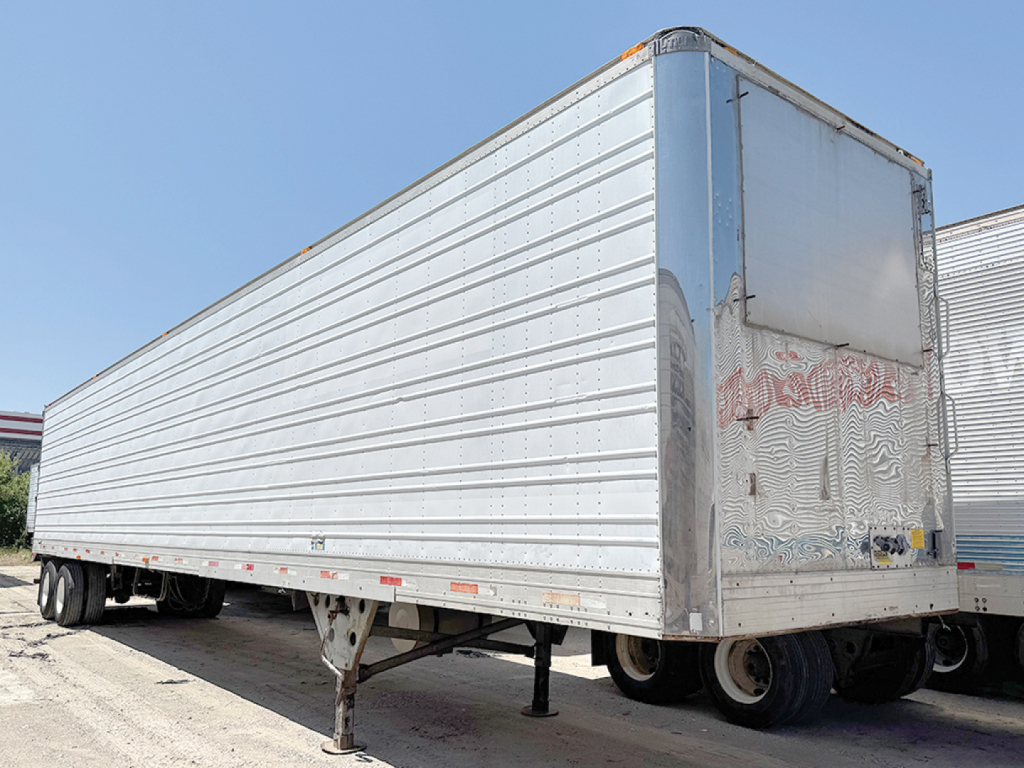
Shop 1998 reefer trailers for sale in Texas. Compare lengths, refrigeration units, insulation, floors, suspensions, and door configurations.
Learn more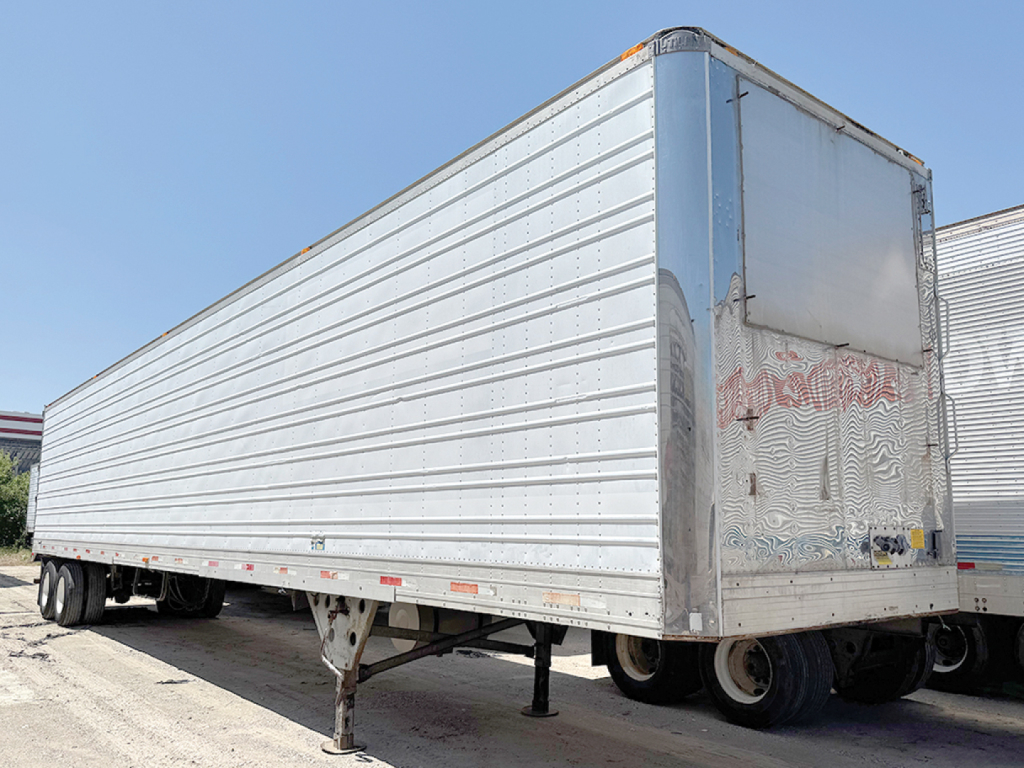

Have 1998 reefer trailer to sell? List it here to reach thousands of buyers.
About 1998 Reefer Trailers in Texas
Most buyers shopping this class will focus first on size and refrigeration package. Common reefer trailer lengths are 48 and 53 feet, with widths typically 96 or 102 inches and legal overall height commonly 13 feet 6 inches. A 1998 model may be paired with an original Thermo King or Carrier unit, but many have had engine overhauls, controller upgrades, or full replacement units over the years. It is smart to verify total hours, engine hours versus electric standby hours if equipped, pull-down performance, return-air and discharge-air accuracy, and maintenance records. Interior features like aluminum duct floors, flat floors, scuff liners, E-track, logistics posts, and cold chutes affect airflow and cargo securement. Swing doors are common, though door frame condition, hinge wear, and gasket integrity should be inspected closely on trailers of this age.
Texas operation puts extra emphasis on cooling capacity, insulation integrity, and trailer airtightness. A reefer that holds setpoint in mild weather can struggle during summer loading cycles in Dallas-Fort Worth, Houston, San Antonio, or South Texas produce lanes. Buyers should look for signs of water intrusion, delamination, floor soft spots, patched sidewalls, and corrosion around the front wall, evaporator area, rear frame, and crossmembers. Suspension choice also matters. Air ride is often preferred for sensitive freight, while sliding tandems help with bridge law compliance and axle spread flexibility. Tire condition, brake type, wheel-end service history, and ABS function all deserve attention because downtime on a reefer usually costs more than downtime on a dry van.
The best 1998 reefer trailers are usually the ones with documented service history and a box that still seals up tight. A strong older trailer can fit local cold storage shuttles, short-haul grocery work, seasonal harvest support, or drop trailer applications where acquisition cost matters more than cosmetic age. Buyers should confirm box dimensions, unit hours, fuel tank condition, current temperature performance, and any recent repairs to the unit, floor, or rear frame before making a decision. If the freight is frozen or high-value temperature-controlled product, calibration records, airflow setup, and pre-trip cooling performance become especially important.
Frequently Asked Questions
What should I inspect first on a 1998 reefer trailer?
Start with the refrigeration unit, the structural condition of the trailer box, and the floor. Confirm that the unit starts cleanly, reaches setpoint, and maintains temperature under load conditions. Then inspect the front wall, roof, sidewalls, rear frame, and door openings for leaks, corrosion, delamination, impact damage, or poor prior repairs. Floor condition is critical because damaged duct floors or worn flat floors affect airflow, forklift use, and sanitation.
Are 1998 reefer trailers still good for over-the-road refrigerated freight?
They can be, but suitability depends on maintenance history, insulation condition, and the current reefer unit rather than the model year alone. Some older trailers remain productive in regional and over-the-road service if they have a solid box, reliable refrigeration performance, and current running gear. Many buyers use them for shorter lanes, drop lots, produce seasons, or warehouse shuttle work because those applications can make better economic sense for an older reefer.
What reefer unit details matter most on an older refrigerated trailer?
Unit hours, service records, engine condition, controller operation, and actual temperature performance matter most. Ask whether the unit is original, rebuilt, or replaced, and verify recent maintenance such as belts, alternator, compressor work, fuel system service, and sensor calibration. On a reefer trailer, a clean pre-trip inspection and strong pull-down performance are more meaningful than the decal on the nose alone.
Why does floor type matter on a reefer trailer?
Floor design directly affects airflow, product protection, and loading style. Aluminum duct floors help move cold air under the load and are common in foodservice and produce applications. Flat floors can work well for certain pallet patterns, but airflow management becomes more important. On any older reefer, look for crushed channels, excessive wear at forklift contact points, and repairs that may restrict proper air circulation.
What is especially important when buying a reefer trailer in Texas?
Heat exposure makes cooling performance and box integrity especially important in Texas. A trailer used in hot climates needs strong insulation, tight door seals, and a reefer unit that can recover temperature quickly after loading. Check for sun-related seal deterioration, front wall stress, and evidence that the trailer can hold setpoint during high ambient temperatures. Buyers running produce, grocery, or frozen freight in Texas should also pay close attention to fuel consumption and unit runtime efficiency.