
1998 Reefer Trailers For Sale
Browse 1998 reefer trailers for sale. Compare insulated trailer specs, refrigeration units, floor types, dimensions, and suspension options.
Learn more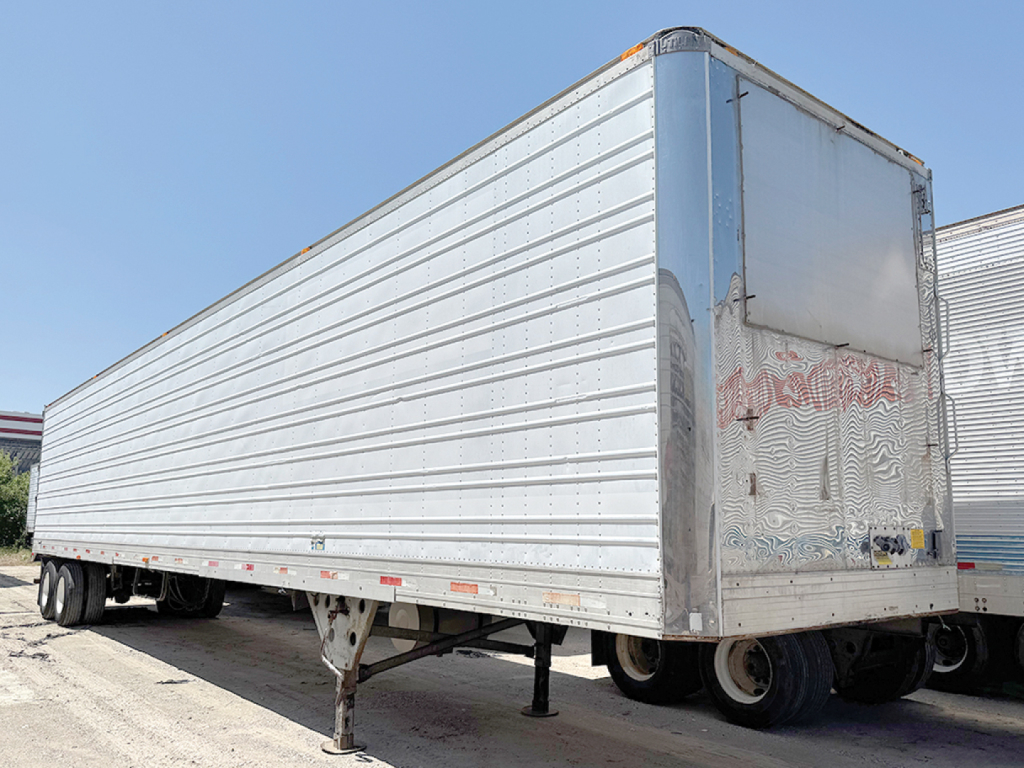

Have 1998 reefer trailer to sell? List it here to reach thousands of buyers.
About 1998 Reefer Trailers
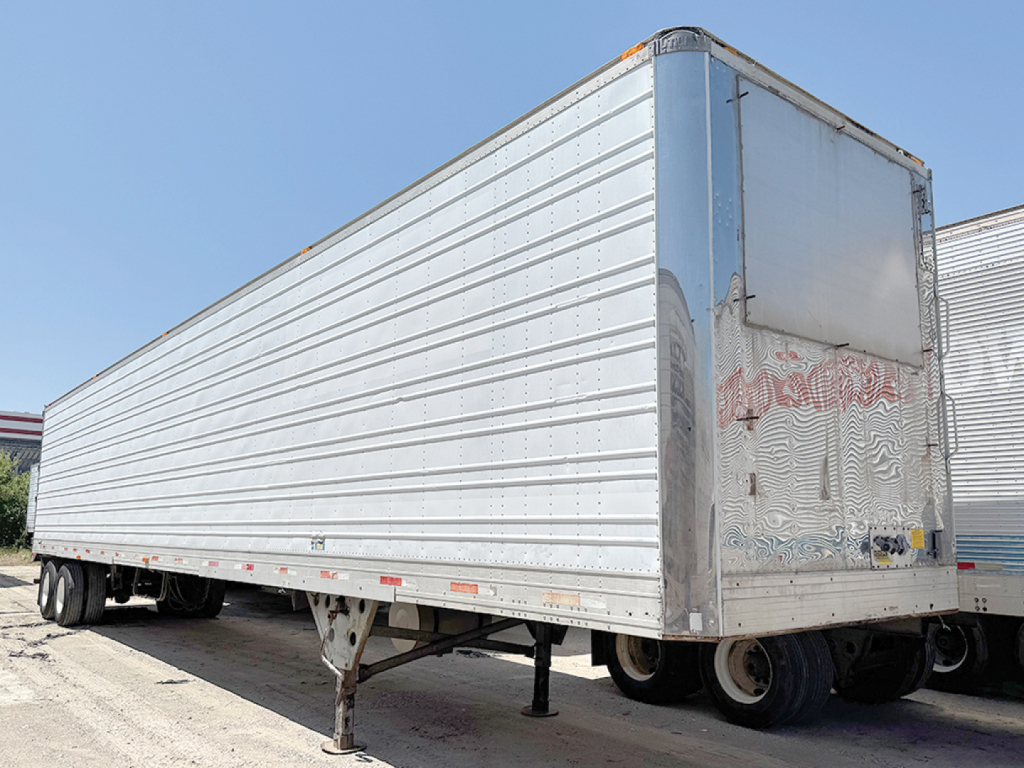
Most 1998 reefer trailers on the market are 48-foot or 53-foot trailers with a 102-inch outside width and tandem axle configuration. Many were spec'd with aluminum roofs and sidewalls, duct or duct-style floors for airflow, swing rear doors, and air ride suspension. Common buyers' checkpoints include floor wear from pallet jack traffic, scuff liner damage, front wall impact history, and corrosion around the rear frame and door frame. Sliding tandems matter for bridge compliance and axle loading, and kingpin setting can affect maneuverability and weight distribution depending on the lanes you run. Interior height and cubic capacity are also worth confirming, especially if the trailer will be used for high-cube grocery freight or multi-stop route work.
The refrigeration unit deserves close attention because a 1998 trailer may carry either an original unit, a replacement unit, or a unit from a much newer generation. Thermo King and Carrier are the most common names in this category, and buyers should verify engine hours, service records, evaporator condition, fuel tank condition, and the unit's ability to pull down and hold temperature under load. A clean download history and evidence of regular preventive maintenance can matter more than the badge on the nose. It is also smart to inspect the bulkhead, air chute, return air pathways, and door gaskets, since poor airflow can make even a good unit struggle. For fleets handling frozen freight, deep-cycle performance and defrost operation are especially important. For produce and mixed-temp regional work, temperature consistency and fast recovery often matter more than raw pull-down speed.
A 1998 reefer trailer is often best suited for buyers who understand maintenance cost and want a lower acquisition price for dedicated lanes, cold storage shuttles, seasonal harvest work, or backup trailer capacity. The right trailer can still generate value, but the wrong one can absorb money in structural repairs, unit work, and downtime. Look for signs of prior patchwork in the floor, water intrusion in the walls or roof, and uneven tire wear that may point to suspension or alignment issues. If the trailer has been used hard in grocery or multi-drop service, pay extra attention to door hardware, thresholds, and interior liner wear. Buyers comparing 1998 reefer trailers for sale should treat structural condition, refrigeration performance, and maintenance documentation as the three factors that drive long-term value.
Frequently Asked Questions
What should I inspect first on a 1998 reefer trailer?
Start with the trailer body and insulation performance, then move to the refrigeration unit. On a 1998 reefer, the biggest cost risks are hidden structural issues such as wet insulation, soft floors, damaged front walls, leaking roofs, worn door seals, and corrosion at the rear frame. After that, verify reefer unit hours, maintenance history, fuel system condition, and temperature hold performance. A strong trailer with a documented unit is usually a better buy than a cleaner-looking trailer with no service history.
Are 1998 reefer trailers still good for over-the-road refrigerated freight?
They can be, but suitability depends on condition, lane requirements, and customer expectations. A well-maintained 1998 reefer trailer may still work for regional foodservice, storage-to-store transfers, seasonal agricultural loads, or dedicated private freight. Long-haul contract freight usually demands tighter temperature control, cleaner interiors, and lower breakdown risk, so buyers should match the trailer to the application. Older reefers are often better choices for secondary duty than for high-penalty premium freight.
What reefer unit details matter most on an older refrigerated trailer?
Unit hours, service records, temperature download history, pull-down performance, and parts support matter most. Buyers should also confirm whether the unit is original to the trailer or a later replacement, because many older reefer trailers have been repowered. Check the evaporator, condenser, defrost cycle operation, fuel tank, controller, and wiring condition. A newer replacement unit on an older trailer can improve value significantly if the trailer body is still structurally sound.
What floor type is best in a reefer trailer?
Most reefer trailers use aluminum duct floors or similar airflow floor designs because they allow air to move under the load and return properly to the evaporator. The best floor is one that still has good structural integrity, consistent airflow channels, and limited pallet jack damage. On a 1998 trailer, heavy wear in the floor can reduce airflow, affect temperature consistency, and create expensive repair needs. Floor condition is as important as reefer unit condition when evaluating refrigerated equipment.
Is a 48-foot or 53-foot 1998 reefer trailer the better choice?
That depends on your freight and operating area. A 53-foot reefer trailer offers more cubic capacity and is the standard for most modern refrigerated freight networks, while a 48-foot reefer can still fit certain regional, urban, or specialized applications where tighter maneuvering matters. Buyers should also consider axle spread, tandem slide range, empty weight, and dock compatibility. Capacity matters, but legal loading flexibility and lane fit often determine which length makes more sense.