
1997 Trailers For Sale in New York
Shop 1997 trailers for sale in New York. Compare van, pup, and commercial trailer specs, dimensions, axle setups, and hauling applications.
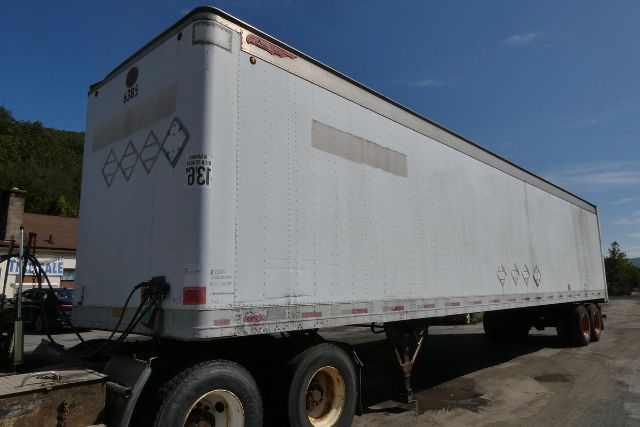
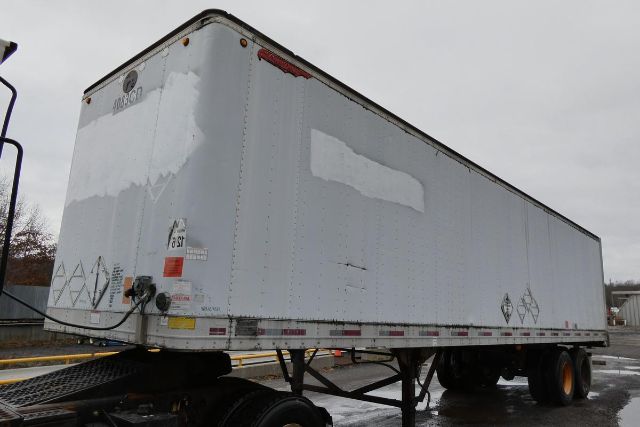
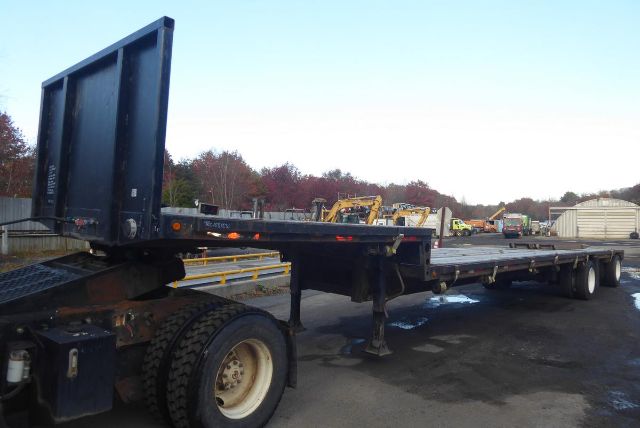
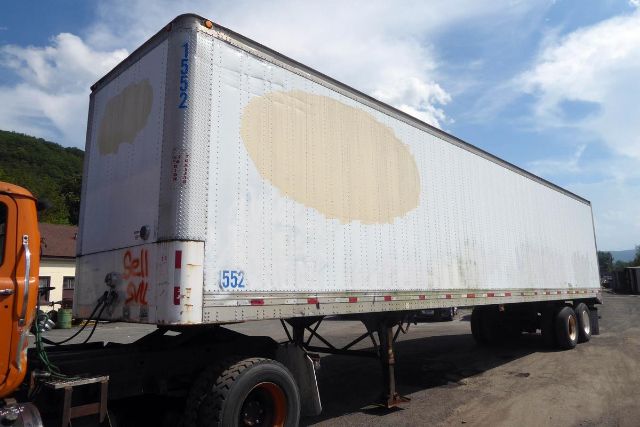
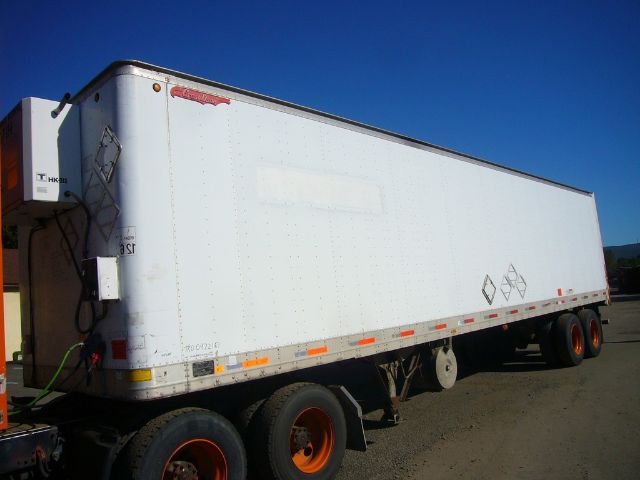

Selling a 1997 trailer? List your 1997 trailer for sale and reach thousands of commercial buyers.
1997 Trailers in New York
The biggest buying decision is usually application. A 48-foot tandem axle van trailer is a practical choice for general freight, dock loading, and regional linehaul. A 28- to 32-foot pup trailer is better suited for urban routes, terminal-to-terminal freight, and operations that need tighter turning in older New York industrial areas. Sliding tandems matter if bridge law compliance, weight distribution, and dock positioning are part of the job. Single axle pups are lighter and simpler, but they are best matched to payloads that stay within their rating and route demands. Roll-up rear doors are common on van trailers in this age group, especially where frequent dock stops are expected.
Condition matters more than model year on a 1997 trailer. Buyers should pay close attention to crossmembers, upper coupler area, rear frame, landing gear mounts, and any corrosion around the suspension hangers or brake plumbing. On dry van trailers, inspect the wood floor for forklift damage, soft spots, patched sections, and fastener pull-through. Roof type also matters. Aluminum and translucent roofs can help with serviceability and interior light, but leaks around seams, front caps, and rivet lines need a close look. Common suspension setups include spring ride and air ride, and each has a place. Spring ride is straightforward and durable, while air ride can be better for ride quality on more sensitive freight.
For New York buyers, trailer height, tire size, and overall empty weight should be reviewed against the lanes you run. A standard 13-foot 6-inch outside height is common on road vans, but older regional trailers may be lower. Check inside height and door opening dimensions if pallet count or forklift clearance is important. Verify wheel-end condition, tire date codes, brake wear, lights, and ABS compliance, especially on older equipment that may have seen mixed maintenance history. A well-maintained 1997 trailer can still serve as a dependable storage trailer, regional freight box, warehouse shuttle, or lower-mileage route unit if the frame, body, and suspension are sound.
Frequently Asked Questions about 1997 Trailers in New York
What should I inspect first on a 1997 used trailer?
Start with the frame, crossmembers, suspension mounts, brakes, and floor. Structural condition is more important than age alone on an older trailer. Look closely for rust-through, cracked welds, bent rear frames, weak landing gear supports, and floor damage from forklifts. If it is a dry van, inspect the roof seams, side panels, and door frame for leaks or prior impact repairs.
Is a 1997 trailer still practical for commercial use?
Yes, if the trailer has been maintained and its condition matches the intended duty cycle. Many older trailers remain useful for regional freight, warehouse shuttles, seasonal demand, storage, or lower-mileage operations. The key is confirming that the brakes, tires, suspension, lights, floor, and structural components are serviceable and that the trailer still meets the operational and regulatory needs of your fleet.
What is the difference between a pup trailer and a full-size van trailer?
A pup trailer is shorter, commonly around 28 to 32 feet, and is often used in LTL, city delivery, and doubles service. A full-size van trailer is typically 45 to 53 feet and is better suited for higher cube freight and standard dock operations. Pup trailers are easier to maneuver in tighter areas, while longer vans generally offer more payload volume and better efficiency per trip on linehaul lanes.
Should I choose a sliding tandem or fixed axle trailer?
A sliding tandem gives more flexibility for weight distribution, bridge law compliance, and dock approach adjustments. That matters for carriers running varied freight or operating across different states and route types. A fixed axle setup is simpler and can be appropriate for certain shorter trailers or more predictable applications, but it offers less flexibility when load balance changes from shipment to shipment.
What dimensions matter most when comparing older van trailers?
Focus on overall length, trailer width, outside height, inside height, door opening size, and GVWR. Those numbers determine dock compatibility, pallet capacity, forklift access, legal route fit, and the type of freight the trailer can handle. Tire size, axle count, and empty weight also matter because they affect ride height, service parts compatibility, and available payload.