
1997 Trailers For Sale
Browse 1997 trailers for sale, including dry vans, reefers, and flatbeds. Compare specs, construction, suspension, axle setup, and use case.
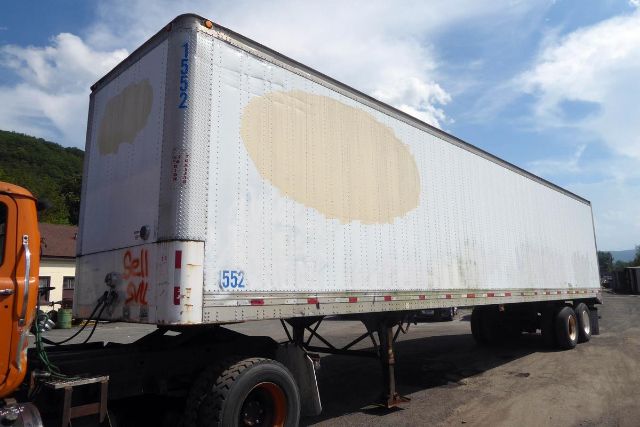
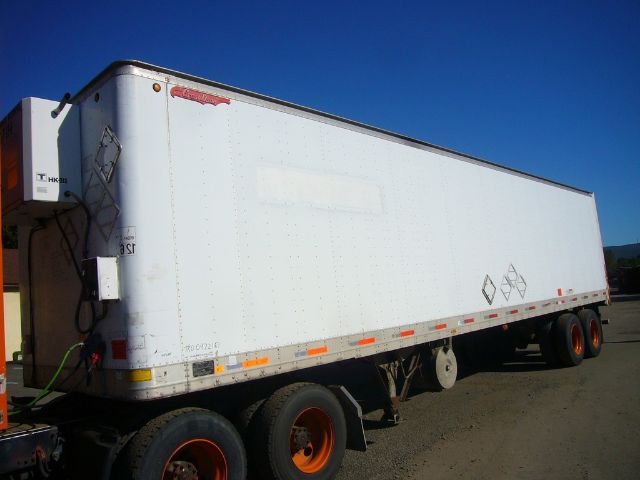

Selling a 1997 trailer? List your 1997 trailer for sale and reach thousands of commercial buyers.
1997 Trailers
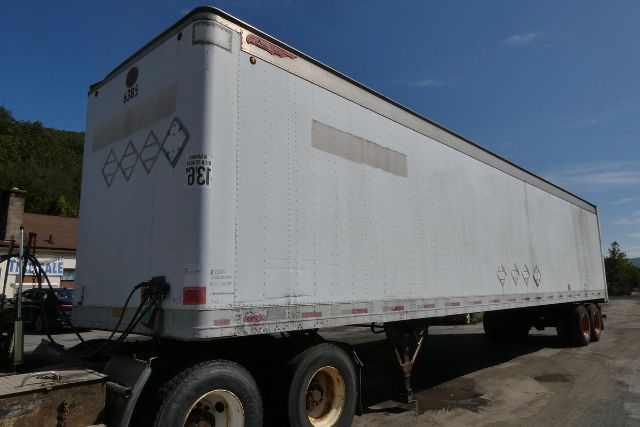
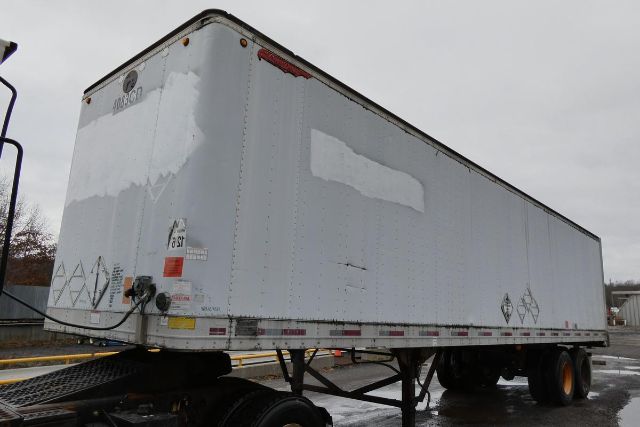
For dry van buyers, the big decisions are usually trailer length, door configuration, floor composition, and axle setting. A 40-foot or 45-foot van may fit regional, city, or dock-constrained work better than a full 48-footer, while a sliding tandem gives more flexibility for bridge law compliance and dock positioning. Wood floors remain common on 1997 vans, sometimes with wood-steel combinations, and interior details like e-track, scuff liners, translucent roofs, and smooth side construction can add real value depending on the freight. Roll-up doors can help with frequent dock work, while swing doors are simpler and often lighter but should be checked closely for hinge wear, frame damage, and latch condition.
On refrigerated trailers from this era, the refrigeration unit itself is only part of the buying decision. Some 1997 reefer trailers are sold without a unit, which shifts the focus to the insulated box, stainless rear frame, duct floor, cold chute, door seal condition, and signs of past water intrusion or delamination. Buyers hauling produce, frozen freight, or temperature-sensitive loads should inspect floor channels, front wall integrity, insulation performance, and the condition of the scuff plate and door frame. Reefer trailers from the late 1990s can still serve for storage, local cold chain work, or yard applications if the body is sound, but maintenance history matters more than the model year alone.
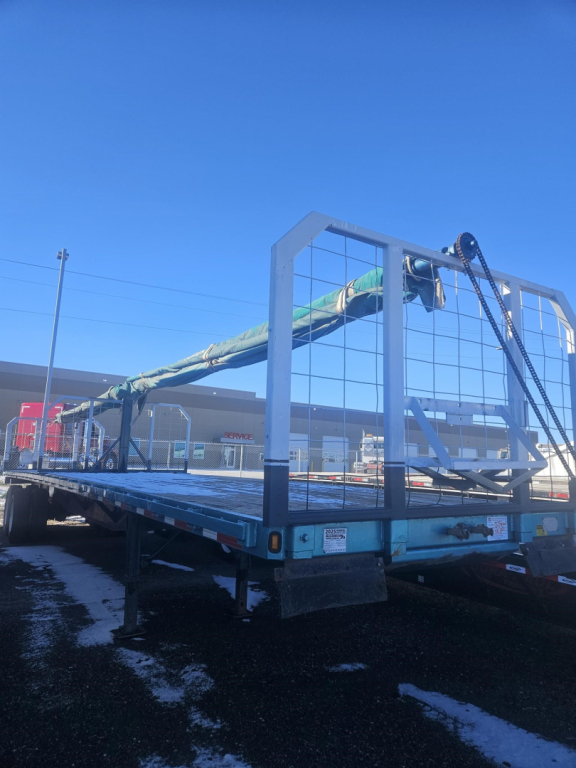
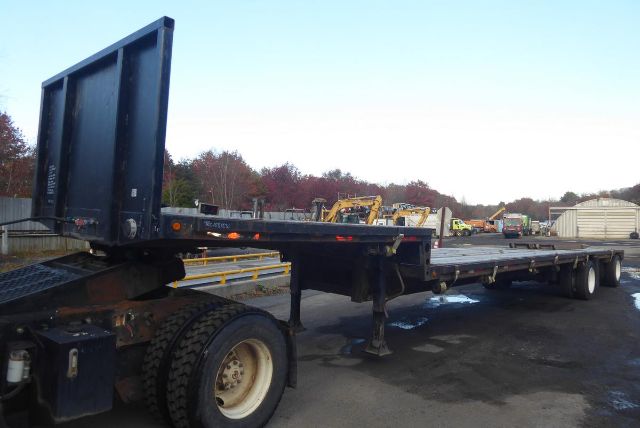
For 1997 flatbeds and step decks, the buying conversation is more about deck layout, frame integrity, and load securement readiness. A 48-foot step deck with a steel frame, fixed or spread tandem axles, wood deck, air ride suspension, and an 80,000-pound GVWR can still fit machinery, building materials, and equipment hauling. Main deck height, upper deck length, ramp setup, headache rack design, and crossmember condition all affect what the trailer can realistically do. On any older trailer, buyers should pay close attention to suspension wear, brake condition, wheel-end service history, tire match, kingpin and apron wear, landing gear operation, and evidence of prior repairs. A well-kept 1997 trailer can still earn, but only if the structure, running gear, and spec are aligned with the lane and cargo.
Frequently Asked Questions about 1997 Trailers
What should I inspect first on a 1997 trailer?
Start with the structure and running gear. Check the frame rails, crossmembers, kingpin area, suspension mounts, landing gear, brake system, wheel ends, and axle alignment before focusing on cosmetics. On vans and reefers, inspect the roof, front wall, floor, rear frame, and door openings for leaks, rot, cracks, and impact damage. On flatbeds and step decks, pay close attention to deck condition, concentrated rust, repair quality, and any frame distortion.
Are 1997 dry van trailers still useful for freight service?
Yes, many 1997 dry vans can still be useful for regional hauling, dedicated lanes, storage, and lower-mileage applications if they have a solid body and legal running gear. The best candidates usually have sound aluminum construction, a good floor, working tandem slider, and doors that seal and operate properly. Buyers should confirm that the trailer meets the dimensional and operational needs of the freight before treating age alone as a deciding factor.
What matters most when buying a 1997 reefer trailer?
The condition of the insulated box often matters as much as the refrigeration unit, and sometimes more. Look at the floor system, insulation integrity, rear frame, door seals, front wall, and any signs of water intrusion or previous patch work. If the reefer is missing a unit, calculate the total cost of repowering or decide if the trailer is better suited for storage or non-powered cold applications.
How do I choose between a sliding tandem and a fixed spread axle trailer?
A sliding tandem is more common on dry vans and reefers because it helps with bridge law adjustment, weight distribution, and dock positioning. A fixed spread axle setup is often found on flatbeds and step decks where stability and load placement are priorities, but it can limit maneuverability and may create routing or tire scrub considerations in tight areas. The right choice depends on freight type, route restrictions, and how often axle position flexibility is needed.
What common specs show up on 1997 trailers?
Common specs in this model year include 40-foot to 48-foot lengths, 102-inch width, tandem axles, air ride suspension, 11R22.5 or low-profile 22.5 tires, steel disc wheels, and aluminum or steel construction depending on trailer type. Dry vans often have wood floors, translucent roofs, and either swing or roll-up doors. Step decks from this era frequently carry 48-foot overall length, steel frames, wood decks, and GVWR ratings around 80,000 pounds.