
1997 Flatbed Trailers For Sale
Browse 1997 flatbed trailers for sale. Compare deck length, axle setup, flooring, tie-down gear, and weight-saving aluminum or combo specs.
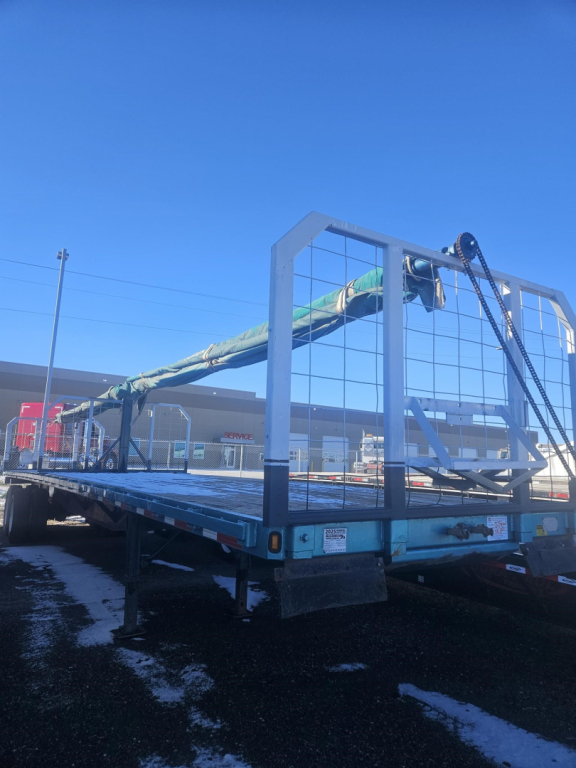
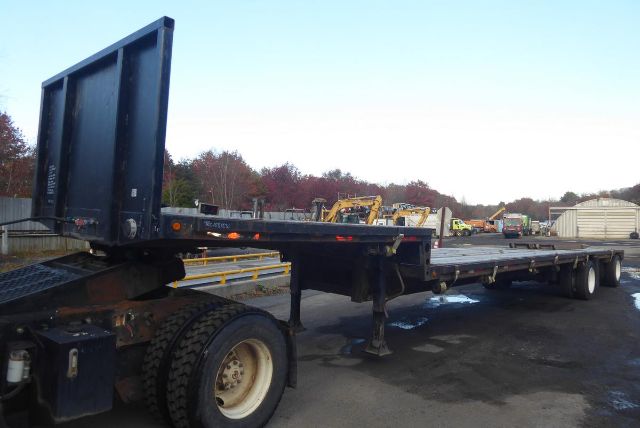
Selling a 1997 flatbed trailer? List your 1997 flatbed trailer for sale and reach thousands of commercial buyers.
1997 Flatbed Trailers
On older flatbeds, the frame and deck matter more than cosmetic appearance. Crossmember condition, main beam integrity, repaired cracks, rub rail wear, stake pocket damage, and floor life should be checked closely. Many 1997 flatbed trailers were built with wood floors, aluminum floors, or aluminum decking with nail strips for mixed cargo securement. Buyers hauling coil, pipe, lumber, or machinery should look for the right securement package, including sliding winch tracks, fixed or sliding winches, chain tie-down points, and coil package reinforcement if concentrated loads are part of the work. Suspension type also matters. Air ride is generally preferred for freight protection and ride quality, while spring ride may appeal to buyers who want a simpler setup.
Axle configuration can make or break the trailer’s usefulness in certain lanes. A sliding tandem helps with bridge compliance and dock positioning, while a spread axle can improve weight distribution but may limit maneuverability in tighter delivery environments. Kingpin setting, loaded deck height, tire size, wheel material, and brake system spec all affect compatibility with the tractor and the freight being hauled. On a 1997 model, it is smart to verify brake component age, bushing wear, suspension alignment, tire condition, and whether the trailer has updated ABS hardware or lighting. Features like toolboxes, bulkhead pockets, forklift kits, dump valves, and dock bumpers can add real value if they match the job.
For many operations, a 1997 flatbed trailer can still be a cost-effective open-deck trailer if it has been maintained properly and the structure is sound. Buyers comparing listings should think in terms of revenue fit, not just purchase price. A lighter aluminum flatbed may return more payload on general freight, while a heavier steel or combo trailer may be the better choice for rougher service or repeated concentrated loads. The best unit for the job is the one with the right deck spec, securement setup, axle arrangement, and maintenance history for the freight lanes it will actually run.
Frequently Asked Questions about 1997 Flatbed Trailers
What should I inspect first on a 1997 flatbed trailer?
Start with the structure. Check the main beams, crossmembers, upper coupler plate, suspension mounts, and rear frame for cracks, corrosion, and signs of poor repair work. Then inspect the deck surface, rub rails, stake pockets, winch track, flooring attachment points, brake components, tires, and wiring. On an older flatbed, structural condition and maintenance history usually matter more than appearance.
Are 1997 flatbed trailers still a good buy for commercial hauling?
They can be, provided the trailer has a sound frame, legal running gear, and a spec that matches the freight. Many older flatbeds remain productive in steel, lumber, machinery, and regional building material service. The value is usually strongest for buyers who understand inspection criteria and are prepared to budget for wear items such as brakes, bushings, tires, lighting, and deck work.
What is the difference between aluminum, steel, and combo flatbed trailers?
Aluminum flatbed trailers are lighter and typically offer better payload potential and corrosion resistance. Steel flatbeds are generally heavier but can be attractive in harsher service or applications involving repeated impacts and concentrated loads. Combo flatbeds use both aluminum and steel to balance weight savings with structural durability. The right choice depends on payload goals, operating environment, and maintenance preferences.
Which axle setup is better on a flatbed trailer, tandem slide or spread axle?
A sliding tandem is versatile and commonly preferred for changing freight weights, bridge compliance, and dock access. A spread axle often distributes weight well and can be beneficial on certain loads, but it can scrub tires more in tight turns and may be less convenient in confined yards or urban delivery points. The better setup depends on where the trailer runs and how often axle position flexibility is needed.
What cargo is a flatbed trailer commonly used to haul?
Flatbed trailers are used for cargo that can be loaded from the side, top, or rear and does not require enclosure. Common freight includes lumber, pipe, steel products, machinery, building materials, palletized loads, oversized equipment, and certain agricultural or industrial items. The trailer’s deck strength, securement points, and axle layout should match the weight distribution and loading method of the freight.