
1997 Van Trailers For Sale
Shop 1997 van trailers, including 53-foot dry van specs, common features, cargo applications, suspension options, and buyer checkpoints.
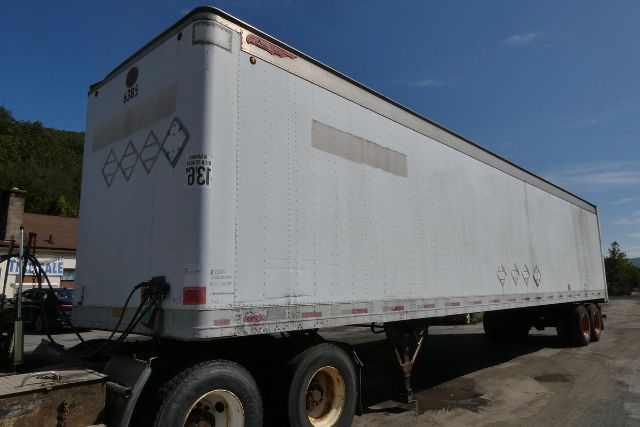
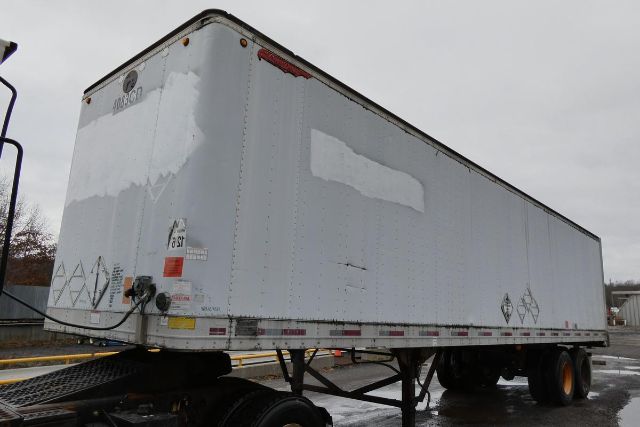
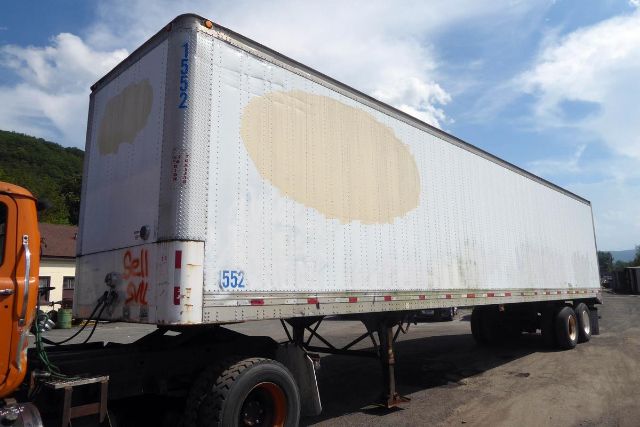
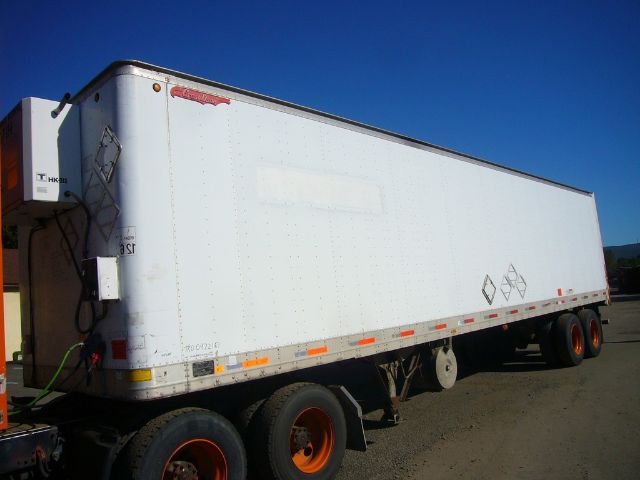

Have 1997 van trailer to sell? List it here to reach thousands of buyers.
1997 Van Trailers
On older dry vans, the highest-value inspection points are usually the roof, sidewalls, floor, rear frame, and suspension. A 1997 trailer may have aluminum construction, plate or sheet-and-post side design, wood or mixed flooring, and either spring ride or air ride depending on original spec. Air ride is typically preferred for more fragile freight and broader shipper acceptance. Buyers should look closely for rot or delamination in the floor, cracked crossmembers, corrosion around the rear sill and threshold, previous sidewall repairs, and wear in the tandem slide rails and locking system. Door type matters too. Swing doors are common and simple to maintain, while roll-up doors can help at tight docks but add weight and require more overhead clearance.
Cargo setup is another major factor. Many van trailers from this era were built for standard dry freight, but useful features may include plywood lining, scuff liners, logistic posts, E-track, nose reinforcement, translucent roofs, and tire inflation systems added later in life. Inside height can vary, and that affects cube for lighter but bulkier freight. Standard dry van applications include retail freight, packaged food, paper products, consumer goods, and warehouse transfers. If the trailer will be used for drop-and-hook work, check landing gear condition, kingpin wear, ABS status, lighting updates, and overall dock presentation. Fleets running longer highway miles will also want to confirm axle alignment, brake condition, tire size consistency, and hub and wheel-end service history.
A 1997 van trailer can make sense for regional hauling, storage use, export, farm support, or dedicated low-cost freight service where cosmetic age is less important than sound structure. The right unit is one with a straight frame, a dry interior, a serviceable floor, and legal running gear. If your freight is dense, tandem position, axle rating, and floor condition become especially important. If your freight is cube-driven, focus more on inside dimensions, door opening, and wall condition. In this category, buyers usually do best by treating each trailer as a condition-and-spec purchase rather than a model-year purchase.
Frequently Asked Questions about 1997 Van Trailers
What should I inspect first on a 1997 van trailer?
Start with the floor, roof, rear frame, crossmembers, suspension, and tandem slider assembly. On an older dry van, these areas usually determine whether the trailer is still viable for road use. A solid floor, straight frame, dry roof, and properly functioning slider are more important than cosmetic appearance. Also inspect the kingpin, landing gear, brakes, wheel ends, wiring, and door seals because those items directly affect safety, uptime, and shipper acceptance.
Are 1997 dry van trailers usually 53 feet long?
Many are 53-foot trailers, but length can vary depending on original application and fleet spec. The most common road van configuration is 53 feet long, 102 inches wide, and around 13 feet 6 inches overall height. Buyers should confirm exterior length, inside height, door opening dimensions, and tandem spread because those details affect legal compliance, load planning, and dock compatibility.
Is air ride important on an older van trailer?
Air ride is often preferred because it helps protect freight, improves ride quality, and is commonly expected in general freight service. It can be especially useful for packaged goods, consumer products, and other loads sensitive to vibration. On a 1997 trailer, the key is not just whether it has air ride, but whether the suspension components, air bags, valves, shocks, and slider mechanism are still in sound operating condition.
Can a 1997 van trailer still be used for over-the-road freight?
Yes, if the trailer is structurally sound, road legal, and meets the operational standards of the freight being hauled. Many older van trailers remain in service for regional lanes, drop lots, dedicated contracts, and seasonal demand. The deciding factors are condition, maintenance history, brake and tire status, ABS functionality, and whether the trailer presents well enough for customer facilities and freight requirements.
What cargo is a 1997 van trailer best suited for?
These trailers are best suited for dry, non-temperature-controlled freight such as palletized goods, cartons, paper products, retail freight, and warehouse transfers. They can also work well for storage or local shuttle service. Before buying, match the trailer's floor strength, wall condition, inside cube, and door configuration to the freight you plan to haul. Dense freight demands more attention to floor and suspension condition, while bulky freight makes inside height and door opening more important.