
1997 Van Trailers For Sale in New York
Shop 1997 van trailers in New York. Compare 48' to 53' dry van specs, tandem setups, door styles, floors, and trailer condition factors.
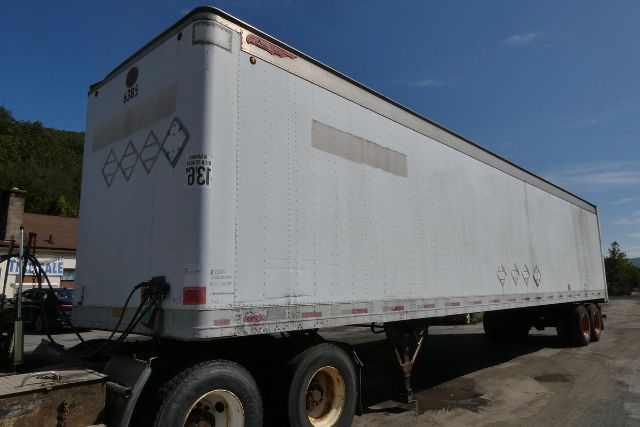
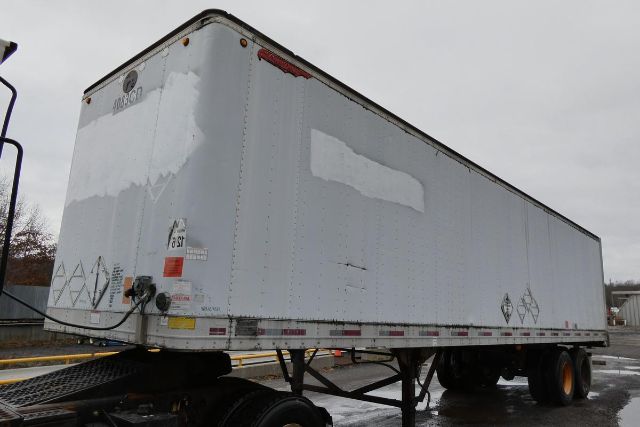
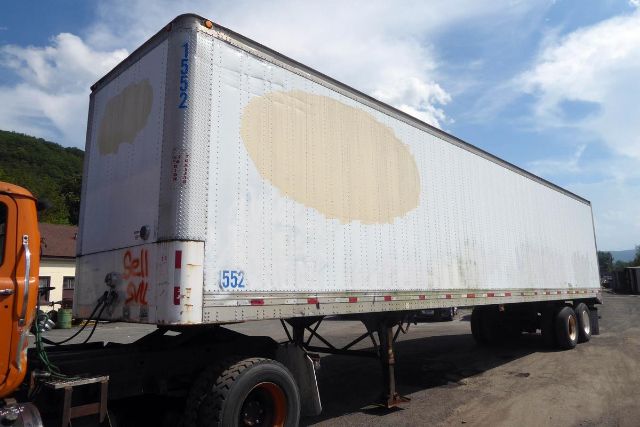
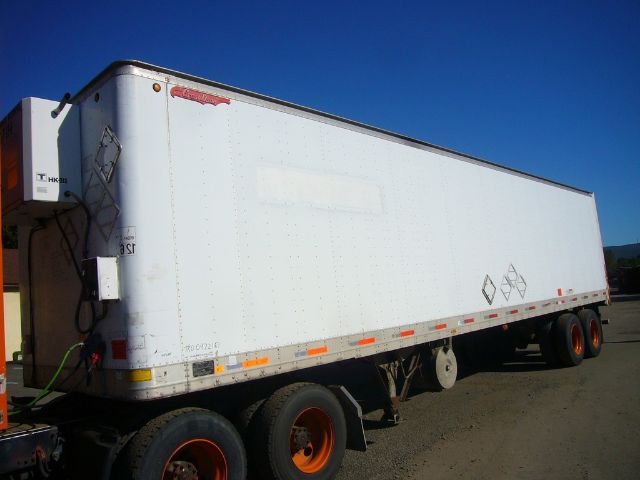

Have 1997 van trailer to sell? List it here to reach thousands of buyers.
1997 Van Trailers in New York
Most van trailers in this age range were built in 48-foot or 53-foot lengths, typically 102 inches wide with tandem axles and a 68,000-pound GVWR. Common constructions include aluminum sheet-and-post bodies or aluminum and steel combinations, often paired with wood-over-steel floors. That floor setup is still widely accepted for general freight, but wear patterns tell a lot about a trailer's history. Look for forklift punch-through repairs, soft spots, excessive floor patching, exposed fasteners, and scuff liner damage. Suspension type also matters. Older spring ride trailers are simple and durable, while air ride can be preferable for more fragile cargo. A slideable tandem is especially useful in New York and the Northeast where bridge law, dock approach angles, and axle compliance can affect where and how the trailer can be loaded.
Rear access configuration should match the job. Swing doors are common for full dock freight and easier seal replacement, while roll-up doors can be useful in route work or tight urban deliveries but usually reduce interior cube slightly and add maintenance points. Buyers should also check tire size consistency, wheel type, brake condition, ABS status, and air system leaks. On older dry vans, door frame cracks, roof bows, and sidewall waviness are common clues to hard use. If the trailer will spend time in city distribution, grocery support, retail freight, or warehouse shuttling, pay attention to inside width, load height, threshold condition, and how well the trailer backs square to a dock. Features like translucent roofs, logistics posts, liftgates, tire inflation systems, and side skirts may show up on some units and can add value depending on the application.
For many fleets and owner-operators, a 1997 van trailer makes sense as a lower-cost option for storage, local freight, dedicated lanes, or seasonal overflow rather than premium over-the-road service. The key is matching the trailer's remaining life to the work. A clean, straight older van with a sound floor, legal brakes, serviceable tires, and a dry roof can still perform well in the right role. In New York, where weather, road salt, and tight delivery environments are hard on equipment, inspection discipline is especially important. Buyers who focus on structural soundness, axle and suspension condition, dock readiness, and cargo protection will make a better choice than buyers focused only on age or brand.
Frequently Asked Questions about 1997 Van Trailers in New York
What should I inspect first on a 1997 van trailer?
Start with the structure. Check the roof for leaks or patching, the front wall for impact damage, the rear frame and threshold for corrosion, and the floor for soft spots or forklift damage. Then inspect the crossmembers, suspension hangers, landing gear mounts, brakes, air lines, and axle alignment. On a trailer of this age, structural condition usually matters more than cosmetic appearance.
Is a 1997 dry van trailer still usable for freight service?
Yes, if the trailer is structurally sound and legally roadworthy. Many older van trailers remain useful for local lanes, storage, shuttle work, and lower-mileage freight applications. The best candidates have a dry roof, solid floor, straight frame, good brakes, and serviceable tires. Buyers should match the trailer to the intended duty cycle instead of expecting the same performance standard as a late-model over-the-road van.
What length is most common for older van trailers?
Older van trailers are often found in 48-foot and 53-foot lengths. A 48-foot van may still fit certain regional or legacy fleet applications, while a 53-foot van is the standard for maximizing cubic capacity in general freight. The right choice depends on your freight profile, dock space, route restrictions, and tractor wheelbase setup.
Why does a slideable tandem matter on a van trailer?
A slideable tandem helps manage axle weight distribution and can be important for bridge law compliance, loading flexibility, and dock positioning. In the Northeast, including New York, tandem position can affect how easily a trailer works in tight yards, urban delivery points, and regulated routes. It also gives the operator more flexibility when handling heavier pallet patterns.
Which door type is better on a used van trailer, swing doors or roll-up doors?
Swing doors are generally preferred for maximum rear opening and simpler long-term maintenance, especially in dock freight. Roll-up doors are convenient for frequent stops and some city delivery applications, but they add moving parts and can reduce usable interior opening height. On an older trailer, the better choice is the one in the best condition with good sealing surfaces and a square rear frame.