
1997 Great Dane Van Trailers For Sale in New York
Shop 1997 Great Dane van trailers for sale in New York. Compare dry van specs, trailer length, axle setup, suspension, doors, and condition.
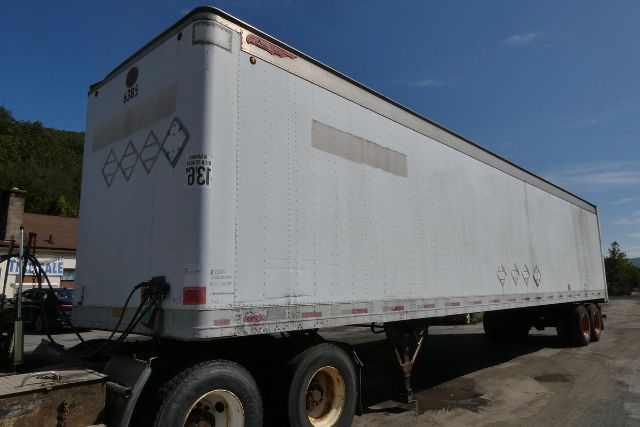
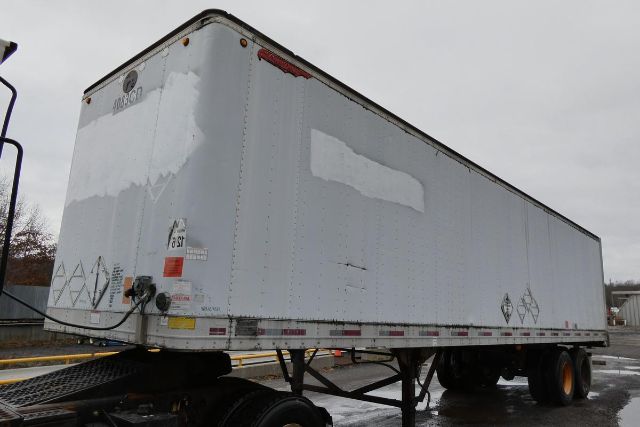
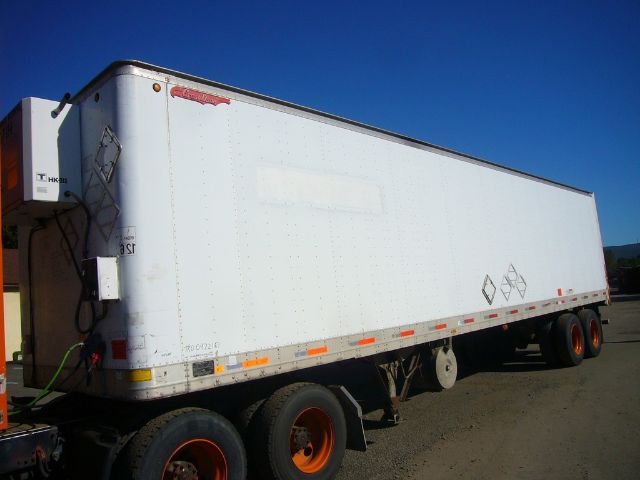

Have 1997 great dane van trailer to sell? List it here to reach thousands of buyers.
1997 Great Dane Van Trailers in New York
Axle configuration is one of the biggest value drivers. Many van trailers use a sliding tandem setup to help with bridge law compliance and dock positioning, while some shorter trailers may have fixed tandems or single axle layouts for city or P&D work. Suspension can vary between spring ride and air ride, and that choice affects freight protection, maintenance cost, and resale appeal. Tire size, wheel type, and hub-pilot steel rims are also worth checking because mixed tire sizes and worn wheel ends can add immediate reconditioning cost. Typical dry van dimensions in this class are 102 inches wide and up to 13 feet 6 inches overall height, with interior clearance depending on floor thickness, roof design, and door opening.
Great Dane van trailers are commonly used for palletized freight, retail loads, packaged goods, and route freight that needs weather protection and cargo security. Common features include roll-up rear doors, swing doors on some builds, aluminum roofs, translucent roof panels, scuff liners, logistics posts, and wood or composite flooring. A buyer in New York should pay attention to corrosion at the rear sill, slider box, suspension mounts, and lower side rails, especially on trailers that have seen heavy winter road salt. Dock impact damage, patched roofs, and soft floors around the threshold are also common inspection points on older dry vans.
For a 1997 model, the best purchase decisions usually come down to application fit and total rehab cost. A trailer with a sound frame, usable floor, straight sidewalls, and a serviceable tandem can still be a practical choice for storage, short-haul freight, dedicated lanes, or farm and warehouse support. Buyers planning regular over-the-road use should verify kingpin condition, brake components, lighting, DOT compliance items, and overall empty weight versus payload needs. Great Dane has long been a recognized name in van trailers, and an older unit can still deliver value if the structure is solid and the specification matches the work.
Frequently Asked Questions about 1997 Great Dane Van Trailers in New York
What should I inspect first on a 1997 Great Dane van trailer?
Start with the frame, floor, roof, rear structure, and running gear. On an older dry van, crossmember corrosion, floor rot, rear sill damage, door frame wear, and slider rail issues can turn a low purchase price into a costly rebuild. Check for soft spots in the floor, roof leaks, cracked or patched side panels, worn suspension parts, brake condition, and kingpin wear. Structural soundness usually matters more than cosmetic condition.
Are 1997 Great Dane van trailers typically aluminum or steel?
Many Great Dane van trailers from this period use aluminum sidewall and roof construction with a wood-over-steel floor system, though exact build details vary by model and original application. Aluminum construction helps reduce tare weight and resist some forms of corrosion, but steel components such as crossmembers, rear frames, and substructures still need close inspection. Buyers should confirm trailer composition rather than assume all parts are aluminum.
Is a sliding tandem important on a dry van trailer?
A sliding tandem is important for many operations because it helps with axle weight distribution, bridge law compliance, and dock positioning. It also improves flexibility across different states and freight profiles. On an older trailer, the slider should be inspected for frozen pins, rail wear, cracks, corrosion, and signs of hard use. If the slider does not move freely or lock correctly, repairs can be significant.
What freight is a 1997 Great Dane van trailer best suited for?
This type of trailer is best suited for general dry freight such as palletized consumer goods, paper products, boxed freight, retail freight, and warehouse transfers. It can also be useful for storage or local haul applications when cosmetic condition is less important than enclosure and structural integrity. If the trailer has a good floor and secure rear door, it may still be effective for many non-sensitive loads even at this age.
What matters most when buying an older dry van trailer in New York?
In New York, corrosion exposure is a major factor because road salt can accelerate rust on rear frames, slider assemblies, landing gear mounts, and lower structural components. Buyers should also consider state and regional hauling requirements, trailer height, axle spread, brake condition, lighting compliance, and whether the trailer will be used for highway freight, yard storage, or local delivery. A solid, rust-controlled structure is usually the key buying criterion.